
Recycled Plastic Fencing vs Timber vs Colorbond: The 2026 Australian Buyer’s Guide to Cost, Lifespan & Maintenance
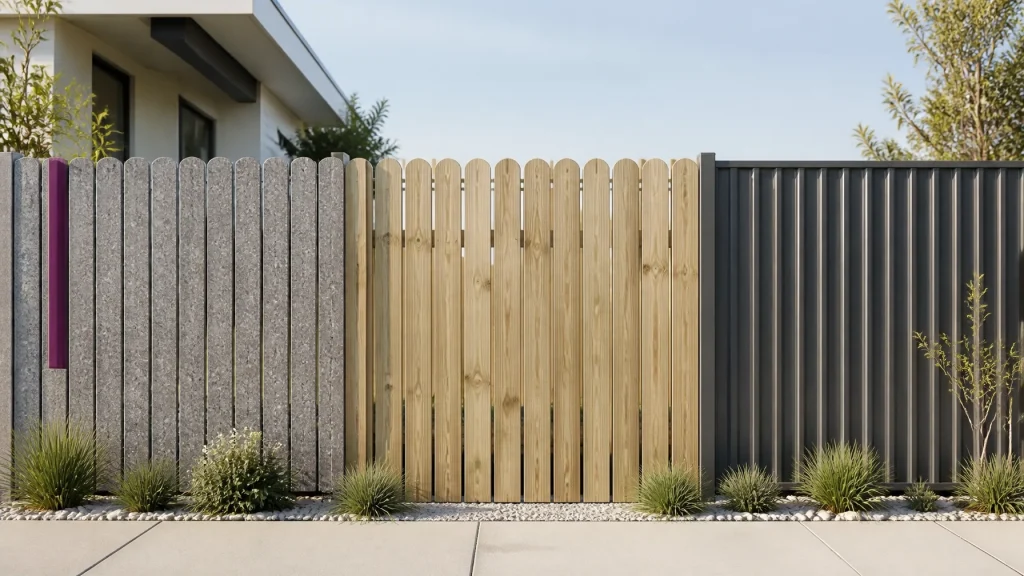
Choosing a fence in Australia involves more than comparing the purchase price. UV exposure, rainfall, salt air, termites, maintenance labour and end-of-life recovery can all affect the real cost of your project. This guide compares recycled plastic fencing, timber and COLORBOND® steel across the factors that matter most: cost, lifespan, maintenance, weather resistance, installation and […]
Recycled Plastic Outdoor Furniture Australia: The 2026 Commercial Buyer’s Guide to Durability, Cost & Custom Options
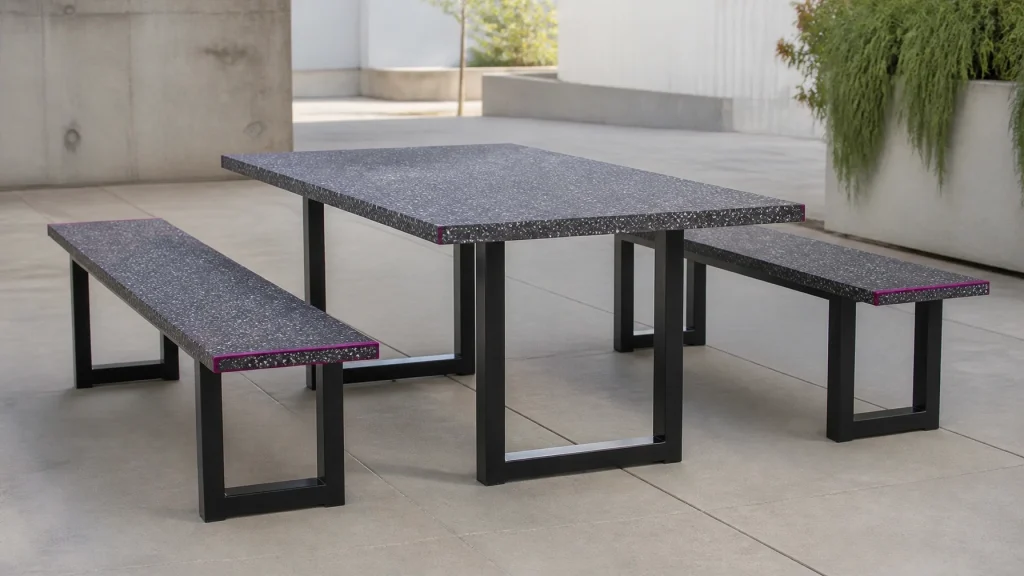
Commercial furniture has to do more than look good on installation day. It needs to withstand sun, rain, salt air, heavy use, cleaning, vandalism and changing budgets: while supporting your project’s sustainability commitments. That’s why more Australian councils, schools, hospitality venues, builders and landscape designers are considering recycled plastic outdoor furniture. The key question isn’t […]
Sustainable Building Materials Australia 2026: The Complete Guide to Specifying for Lower Carbon & Circular Builds
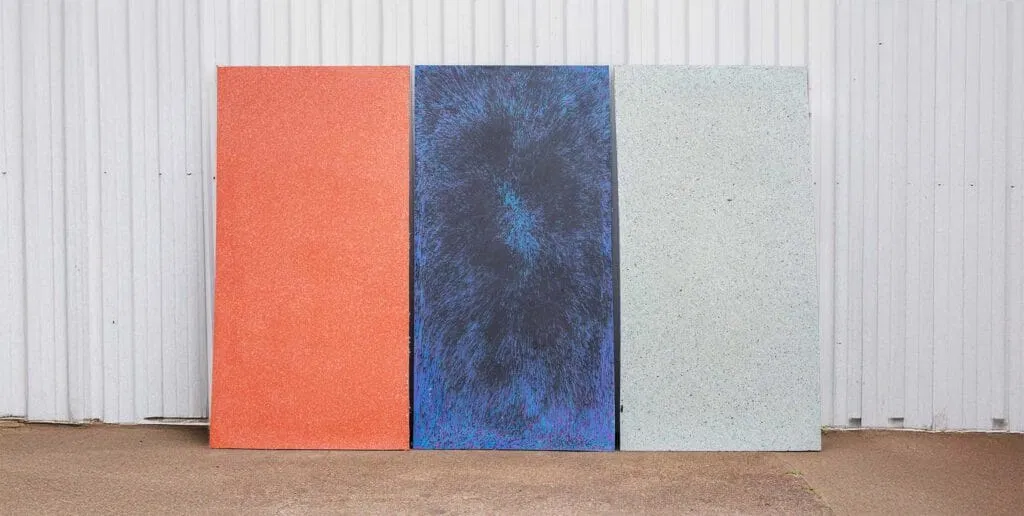
Choosing sustainable building materials is no longer a specialist concern reserved for green buildings. In Australia, embodied carbon reporting, recycled-content policies, client ESG requirements and circular construction targets are changing how materials are selected, documented and managed. For your next commercial, residential or infrastructure project, sustainability should be assessed across the material’s full life cycle: […]
The NSW Recycled Content Preferencing Policy: 5 Steps to Make Your Next Tender Compliant (Easy Guide for Builders)

If you're bidding on NSW Government construction or fit-out projects, you’ve likely noticed a profound shift in how sustainability is evaluated. Under the NSW Waste and Sustainable Materials Strategy 2041 and the Net Zero Government Operations Policy, government agencies are required to preference products with recycled content on an “if not, why not” basis. For […]
The Embodied Carbon Reporting Checklist: Your 2026 Tender-Ready Guide (Free Download)
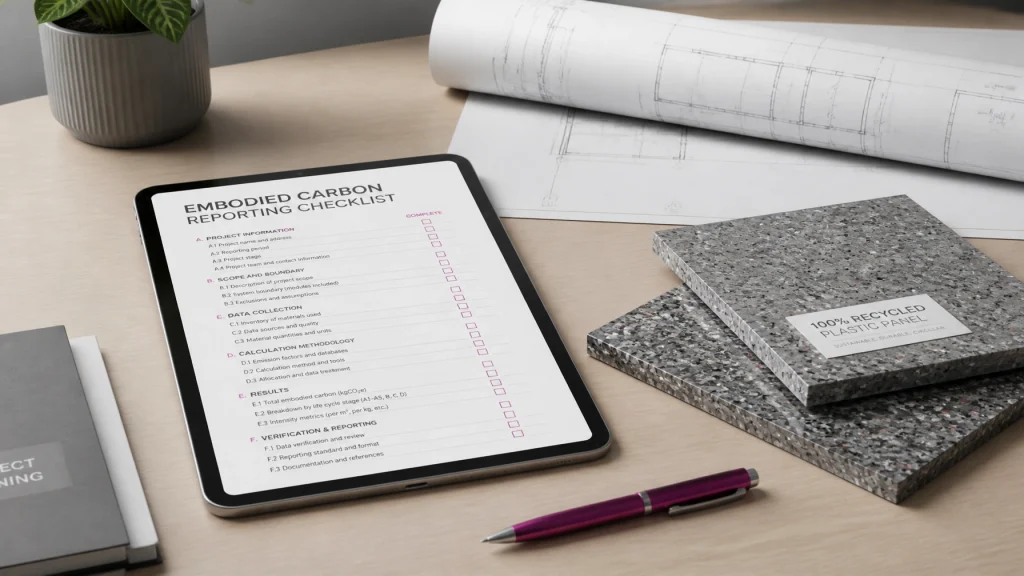
Download this checklist and keep it on your desk for every 2026 tender submission. In the evolving landscape of Australian construction, being "tender-ready" now means being "carbon-ready." By 2026, embodied carbon reporting is no longer a voluntary "nice-to-have" for high-end projects. With the full implementation of the NSW Sustainable Buildings SEPP, updates to NCC 2025, […]
Green Star v1.1 Is Here: 5 Ways Recycled Plastic Sheets Help You Earn Maximum Points
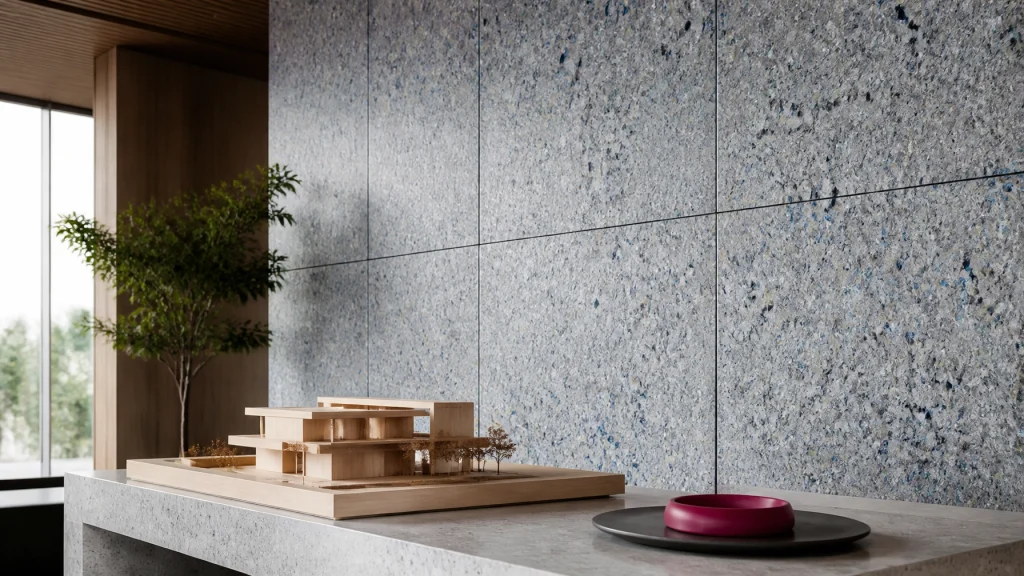
The landscape for Australian construction is shifting. With Green Star v1.1 becoming mandatory for all new ratings from May 2026, the focus has moved from "energy efficiency" to a much more rigorous metric: Upfront Carbon. If you're an architect, builder, or specifier, you've likely realised that traditional materials are making it harder to hit those […]
Why Recycled Plastic is Outperforming Timber in Coastal Construction Projects

For decades, Australian coastal infrastructure has been locked in a losing battle against the elements. From the salt-heavy spray of the Great Ocean Road to the high-humidity environments of Tropical North Queensland, traditional timber has long been the default: and the primary maintenance headache: for builders and local councils. However, as we move through 2026, […]
Is Your Supply Chain Greenwashing? How to Verify Traceability in Recycled Materials
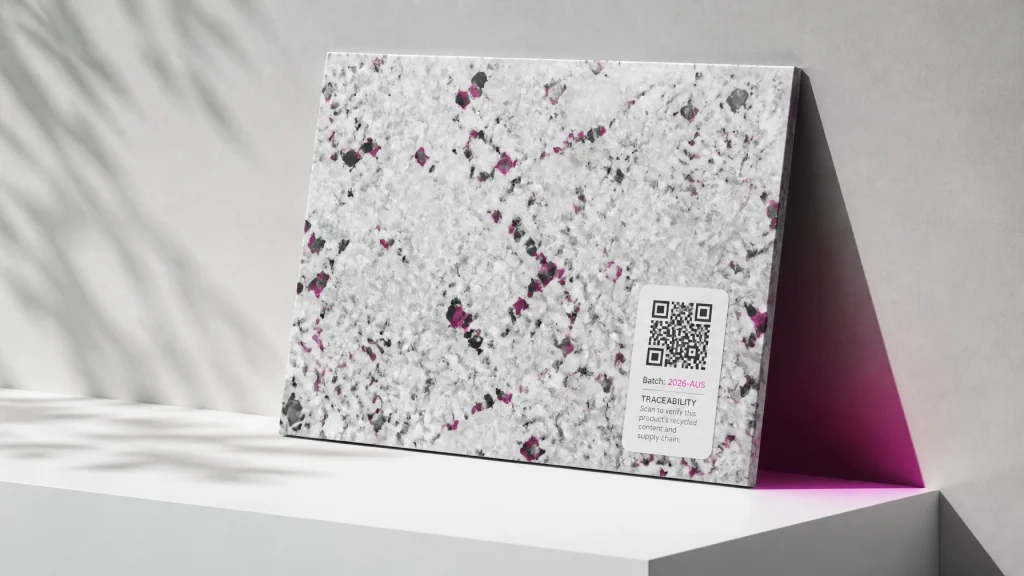
In 2026, the cost of "getting it wrong" with sustainability claims has never been higher. For procurement officers, specifiers, and project managers in the Australian built environment, greenwashing is no longer just a PR risk: it's a massive legal and financial liability. With the ACCC’s 2026 enforcement priorities now in full swing, companies making unsubstantiated […]
The Future of Waste: Why Australian Manufacturing is the Secret to a True Circular Economy
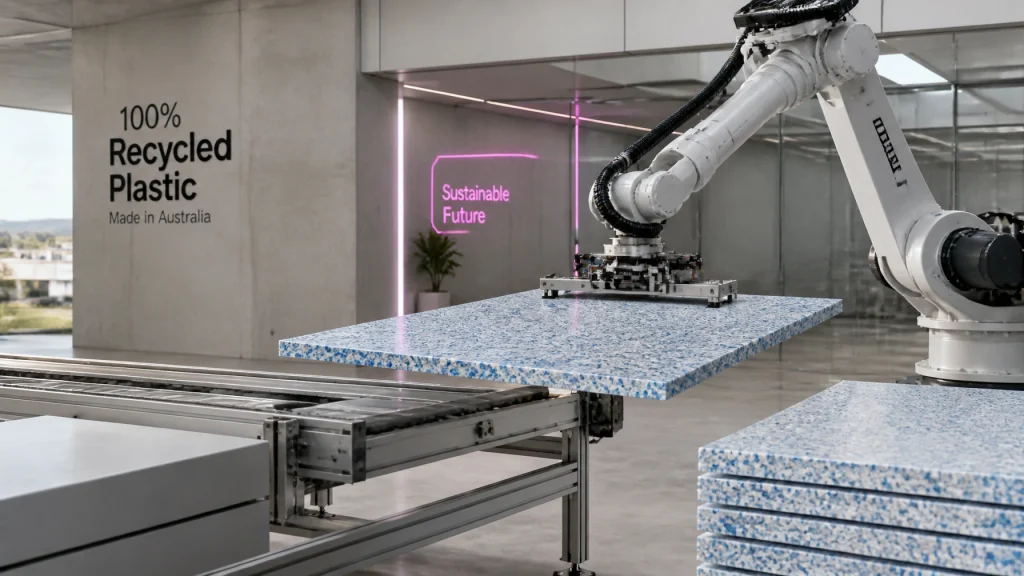
For decades, the concept of "recycling" in Australia followed a simple, linear, and ultimately flawed path: put it in the yellow bin and hope for the best. Historically, this meant baling up our waste and shipping it to overseas markets where we lost all visibility of its final destination. In many cases, what we thought […]
DIY Recycled Plastic: 5 Creative Ways to Use HDPE Sheets in Your Next Home Project
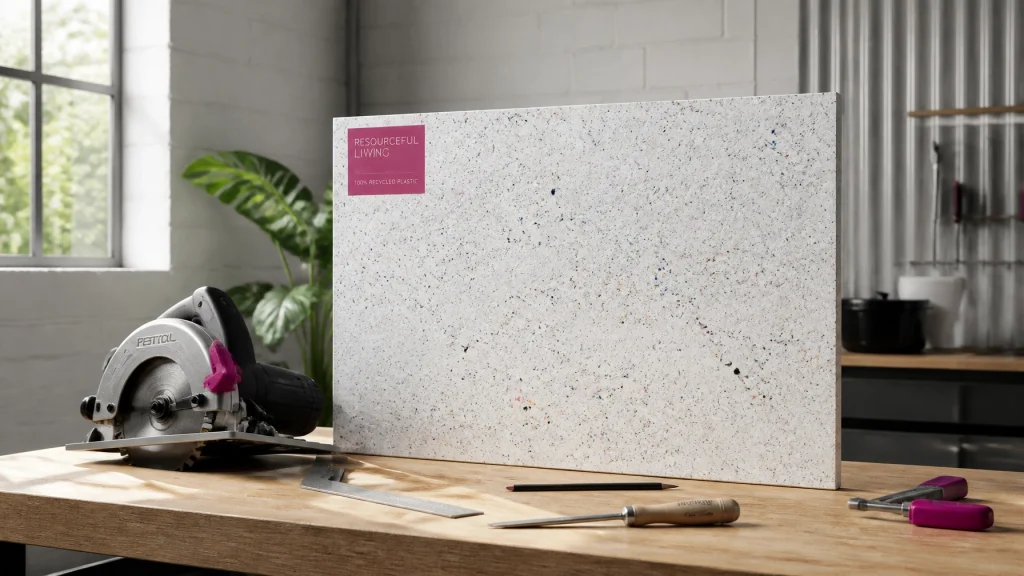
If you're a DIY enthusiast or a home renovator in Australia, you’ve likely noticed a massive shift toward sustainable building materials. We’re no longer just looking for "cheap and cheerful"; we want products that tell a story, last a lifetime, and don’t end up in a landfill in five years. Enter High-Density Polyethylene (HDPE). At […]