
If you're bidding on NSW Government construction or fit-out projects, you’ve likely noticed a profound shift in how sustainability is evaluated. Under the NSW Waste and Sustainable Materials Strategy 2041 and the Net Zero Government Operations Policy, government agencies are required to preference products with recycled content on an “if not, why not” basis.
For builders and commercial renovators, this isn't just a green tickbox anymore: it's a core compliance metric. Tenders released with a value of $1 million or more (especially those incorporating furniture, acoustic panels, partitions, and workstation fit-outs) expect you to specify, justify, and report on recycled materials. If you don't offer credible recycled-content options where they're commercially and technically viable, your tender risks losing crucial evaluation points.
To help you navigate these requirements smoothly, here is a practical, 5-step guide to making your next NSW tender fully compliant, competitive, and audit-ready.
Step 1: Map Recycled-Content Opportunities Across Your Tender Scope
The first step in securing a compliant tender is conducting an exhaustive material audit before submission. You need to identify every package where recycled content is expected or mandated.
While heavy civil works have long utilized recycled aggregates and crushed concrete, building and fit-out contracts are now heavily scrutinised for reportable products. Under current NSW procurement frameworks, agencies must track recycled content across categories like:
- Interior fit-outs: Acoustic wall panels, decorative partitions, and storage joinery.
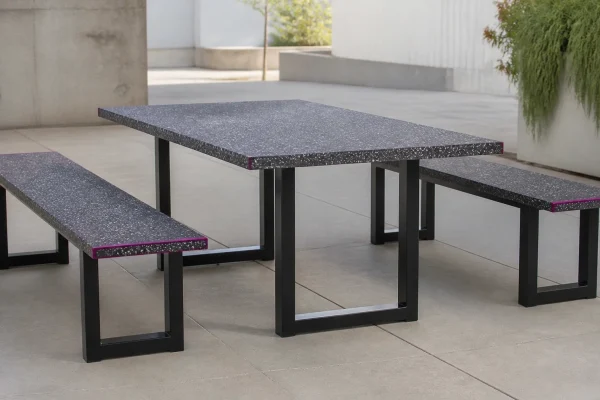
- Workplace furniture: Desks, tables, and cabinetry.
- General building elements: Solid panels used for retail displays, wall linings, and amenities partitions.
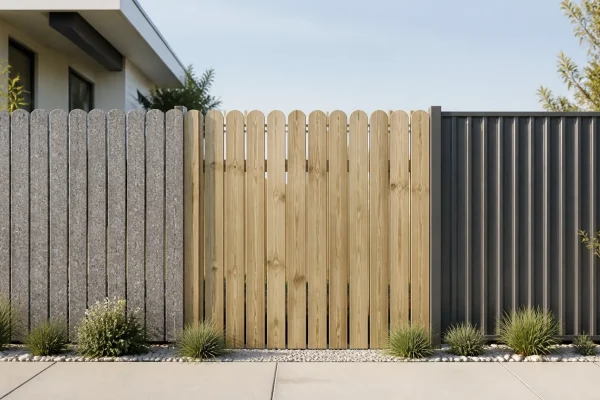
By auditing your Bill of Quantities (BoQ) early, you can proactively substitute virgin materials with high-performance alternatives. For instance, replacing traditional virgin laminates or timber veneers with solid 100% recycled and recyclable plastic sheets and panels immediately demonstrates alignment with circular economy targets without compromising on structural integrity.
Expert Insight: "Proactive material mapping doesn't just satisfy government procurement officers; it protects your project timeline by identifying local, ready-to-manufacture alternatives before supply chain bottlenecks hit."
Step 2: Procure Traceable, Certified Materials (And Avoid Greenwashing)
Government agencies are increasingly alert to unsubstantiated sustainability claims. When you specify recycled content in a tender, you need verifiable proof: not vague marketing buzzwords.

To ensure your documentation holds up under strict tender evaluations, insist on transparency from your supply chain:
- Verify the source: Where did the plastic waste come from? Using 100% Australian post-consumer and post-industrial waste ensures compliance with local sourcing expectations and drastically lowers embodied carbon compared to imported alternatives.
- Check material composition: Ensure your panels are solid blocks of recycled polymer rather than hollow structures or thin veneers that cannot be easily recycled at end-of-life.
- Prioritise circular credentials: Look for suppliers who offer transparent lifecycle data and take-back programmes, ensuring materials can be collected free of charge at the end of their lifecycle for remanufacturing.
For a deeper dive into verifying your material inputs, check out our guide on how to verify traceability in recycled materials and avoid supply chain greenwashing.
Step 3: Build a Robust Recycled Content Plan (SRCP)
Even if a tender doesn't explicitly mandate a standalone management plan, submitting a concise Supplier Recycled Content Plan (SRCP) will instantly elevate your bid above competing builders.
Your SRCP should be structured, skimmable, and pragmatic. Include the following core elements:
- Material Schedule: A clear table listing every recycled product, its intended location within the build, and its exact percentage of recycled content.
- Volume Calculations: Total tonnage or square metres of recycled material utilised across the project scope.
- Chain of Custody: Documentation outlining how materials will be tracked from manufacturer delivery to final installation on-site.
- End-of-Life Management: Details on how off-cuts or decommissioned panels will be returned to the manufacturer via closed-loop take-back schemes.
Structuring this data clearly gives the procuring agency the exact metrics they need to fulfill their annual Statement of Compliance reporting to the Department of Climate Change, Energy, the Environment and Water.
Step 4: Prepare Evidenced "If Not, Why Not" Justifications
The core mechanism of the NSW policy is the “if not, why not” rule. This means agencies must choose recycled options unless there is a legitimate, documented barrier preventing their use.

As the head contractor, you must help your client substantiate any exemptions. If a specific architectural package cannot utilise recycled content, your justification must be grounded in hard data rather than assumption. Valid rationales typically include:
- Severe structural limitations: Where engineering codes or NCC fire-rating compliance strictly prohibit a specific material class.
- Prohibitive cost premiums: Demonstrating that the recycled alternative introduces an unreasonable financial variance beyond standard commercial tolerances.
- Unresolvable performance constraints: Proving through technical data sheets that the material cannot withstand specific environmental loads required by the project.
If you can use recycled materials: such as durable solid plastic panels for kitchenettes, bathroom partitions, wall protection, or joinery: document why they are the superior choice regarding weather resistance, impact strength, and longevity.
Step 5: Partner with Local Australian Manufacturers for Seamless Data Handover
The final hurdle in tender compliance is logistics and data reliability. Delays in material delivery or missing compliance certificates can stall project sign-off and jeopardise your final milestone payments.
Working with local manufacturers gives you a massive competitive edge:
- Faster Turnarounds: Local production facilities manufacturing up to 1 tonne of plastic per day with popular colours readily available mean you won't be caught out by international shipping delays.
- Custom Fabrication: Need bespoke dimensions, CNC routing, or specific thicknesses ranging from 3mm to 40mm? Local makers can tailor panels to precise architectural drawings on short notice.
- Direct Data Access: Australian manufacturers can provide immediate technical datasheets, strength testing metrics, and carbon emission reports directly to your project managers.

By partnering with a trusted local supplier who manages the entire recycling and manufacturing cycle under one roof, you ensure that every metric required for your tender audit is accurate, verifiable, and delivered on time.
Summary Checklist for Builders
To ensure your next NSW tender is fully compliant with recycled content preferencing policies, run through this quick checklist before submission:
- ✅ Audited BoQ: Identified all fit-out, joinery, and panel packages where recycled content can be applied.
- ✅ Sourced Locally: Verified that materials are made from 100% Australian waste streams.
- ✅ Gathered Data Sheets: Collected exact percentages of recycled content, dimensions, and technical performance ratings.
- ✅ Drafted a Recycled Content Plan: Included a clear breakdown of material volumes and end-of-life take-back arrangements.
- ✅ Prepared Justifications: Documented clear evidence for any areas where virgin materials remain unavoidable.
Ready to upgrade your next commercial fit-out or construction project with certified, high-performance materials? Explore our range of 100% recycled and recyclable plastic sheets and furniture or reach out to our team to discuss custom manufacturing for your upcoming tender.