If you're a DIY enthusiast or a home renovator in Australia, you’ve likely noticed a massive shift toward sustainable building materials. We’re no longer just looking for "cheap and cheerful"; we want products that tell a story, last a lifetime, and don’t end up in a landfill in five years.
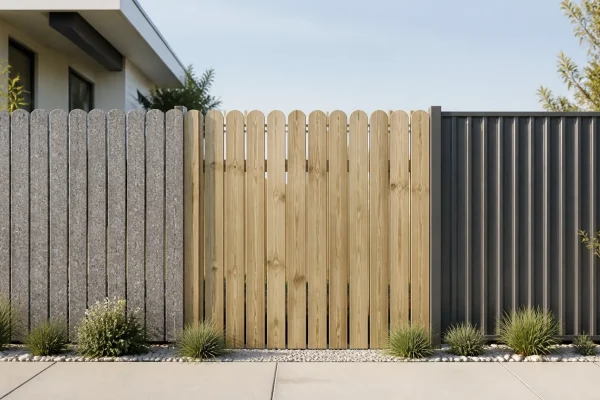
Enter High-Density Polyethylene (HDPE). At Resourceful Living, we transform 100% Australian plastic waste: think milk bottles, bottle caps, and household tubs: into solid, high-performance panels. While we supply large-scale construction firms, our material is also a dream for the home DIYer.
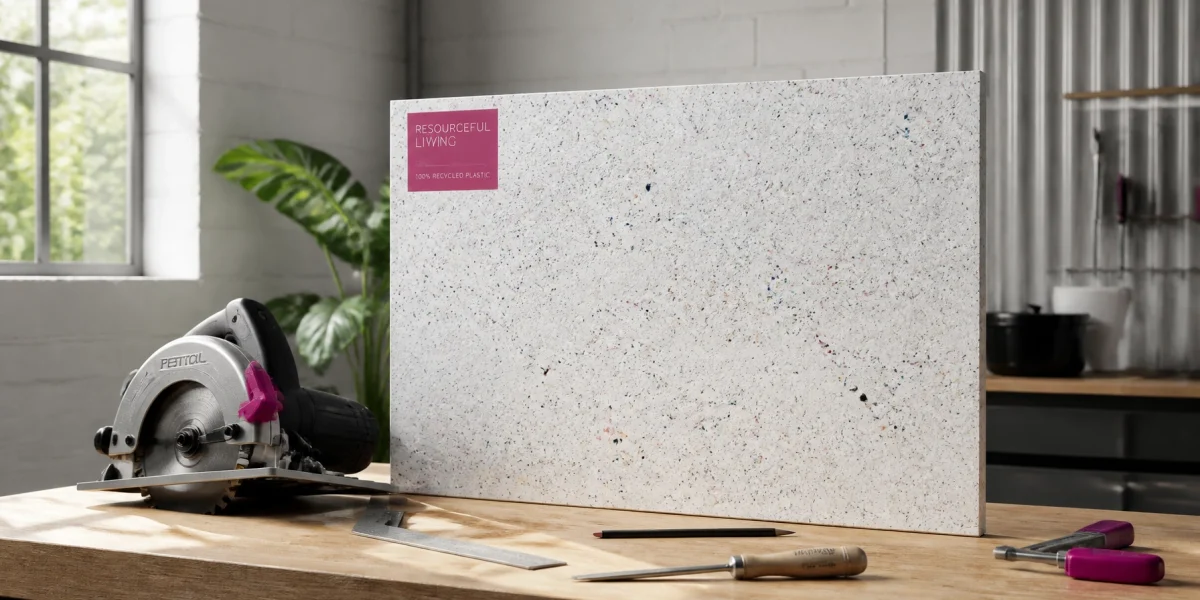
Because our sheets are solid blocks of recycled plastic with no veneers or hidden additives, they work remarkably like timber. If you can use a circular saw and a drill, you can build with recycled plastic.
Here are five creative ways to integrate HDPE sheets into your next home project, plus the technical tips you need to get it right.
Why Choose Recycled HDPE for Home Projects?
Before we dive into the projects, let's talk about why this material is winning over the DIY community. Unlike traditional timber or plywood, our 100% recycled plastic panels are:
- ✅ 100% Waterproof: They won't rot, swell, or delaminate in wet areas.
- ✅ Zero Maintenance: You never need to paint, oil, or sand them.
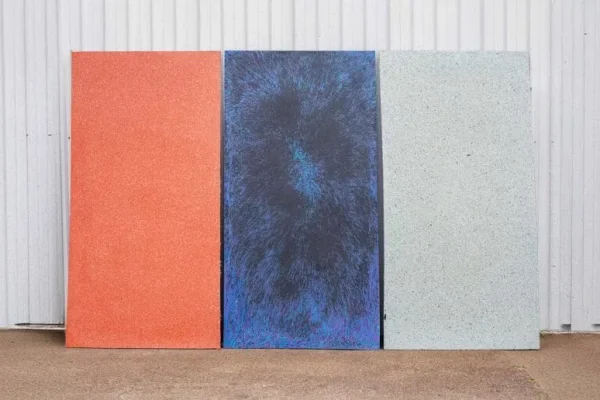
- ✅ Solid Colour: The pattern and colour go all the way through, meaning deep scratches can be sanded out.
- ✅ Hygienic: Non-porous and easy to wipe down, making them perfect for food prep areas.
- ✅ Australian Made: Directly supporting the local circular economy by using waste that would otherwise be exported or buried.
"The beauty of working with HDPE is the predictability. Unlike timber, there are no knots, grain direction issues, or splinters. It’s a dense, consistent material that responds beautifully to standard woodworking tools." : Industry Expert Insight
The Basics: Tools and Techniques
Working with recycled plastic for home projects is surprisingly intuitive. If you have a basic woodworking kit, you’re already 90% of the way there.
Cutting and Drilling
You can use a standard circular saw or table saw for straight cuts. The trick is to use a carbide-tipped blade with a medium tooth count. If the teeth are too fine, the friction generates heat, which can cause the plastic to melt and "weld" back together behind the blade. Keep a steady, moderate feed rate: don't let the blade hover in one spot.
For curves, a jigsaw with a wood or plastic blade works perfectly. When drilling, standard HSS (High-Speed Steel) bits are fine. Just remember to "peck" drill (pull the bit out every few seconds) to clear the plastic chips and prevent heat build-up.
Routing and Edging
This is where the material shines. You can use a hand router to create beautiful round-over edges, chamfers, or even intricate patterns. Because the material is solid, the routed edge will show the same beautiful internal "confetti" or marbled pattern as the surface.
Fastening
Important Note: HDPE does not bond well with standard construction adhesives or wood glues. We always recommend mechanical fastening. Use stainless steel screws or bolts. For a clean look, you can pre-drill and countersink your screws, or even use matching plastic plugs.
Project 1: The Sustainable Kitchen or Laundry Benchtop

A recycled plastic benchtop DIY is one of the most impactful upgrades you can make. Whether it’s a secondary prep station in a pantry or a heavy-duty laundry bench, HDPE is up to the task.
- Recommended Thickness: 20mm to 30mm for standard tops; 40mm for a premium, chunky look.
- The Benefit: It’s completely unaffected by water. You can install an undermount sink without worrying about water damage to the core (a common failure point in laminate or timber tops).
- Pro Tip: While HDPE is tough, it is a thermoplastic. Always use a trivet for hot pots and pans. It handles boiling water splashes fine, but a 200°C pan will leave a mark.
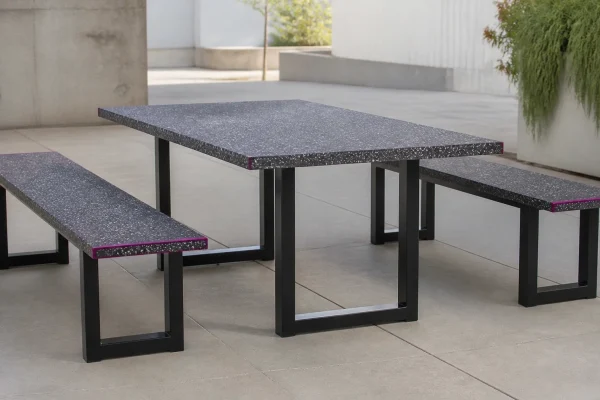
Project 2: Weatherproof Outdoor Furniture
Standard timber outdoor furniture requires annual oiling and eventually rots. By using recycled plastic sheets, you can build a table or bench that stays outside year-round, rain or shine, and only needs a quick wipe-down with a damp cloth.
- Recommended Thickness: 15mm to 20mm.
- The Benefit: Our panels are tested for weather resistance and won't leach chemicals into the environment.
- Design Idea: Use our 'River' or 'Ochre' colourways to create a sleek, modern outdoor dining table. You can even compare recycled plastic vs timber to see why builders are making the switch.

Project 3: Heavy-Duty Planter Boxes
Gardeners love HDPE because it is rot-proof. When you build a timber planter box, the wet soil eventually eats through the wood. With recycled plastic, the material is perfectly happy in constant contact with moist earth.
- Recommended Thickness: 12mm to 15mm.
- The Benefit: No need for plastic liners. You can screw the panels directly together (using stainless steel hardware) to create clean, geometric garden beds.
- Sustainability Win: You’re growing your food in a container made from the very bottles that used to hold your milk or juice.
Project 4: Workshop or Garage Shelving
If you’re tired of sagging MDF shelves that absorb moisture and oil, HDPE is the ultimate upgrade for your storage. It’s chemically resistant, meaning spilled oils or cleaning products won't stain or degrade the material.
- Recommended Thickness: 12mm for smaller spans; 20mm for heavy tool storage.
- The Benefit: Impact resistance. If you drop a heavy wrench, the plastic absorbs the shock rather than cracking or denting like timber or thin metal.
- Organisation Tip: You can even route small grooves or holes into the shelves to hold specific tools, creating a custom shadow-board effect.
Project 5: Modern Mudroom or Laundry Splashback
Forget messy tiling and grout lines. A single sheet of 6mm or 10mm HDPE makes for a stunning, seamless splashback in a laundry or mudroom. It’s particularly effective in areas where kids kick off muddy boots or dogs are washed.
- Recommended Thickness: 6mm to 10mm.
- The Benefit: Easy to clean. A simple spray of soapy water and a wipe, and it looks brand new.
- Visual Appeal: Use a 'White Confetti' pattern to add a pop of colour and texture to an otherwise neutral room. Check out our recycled plastic sheet price guide to budget for your splashback dimensions.
Choosing Your Material: Colour and Thickness
Selecting the right sheet is critical for a successful project. At Resourceful Living, our standard sheet size is 2400mm x 1200mm.
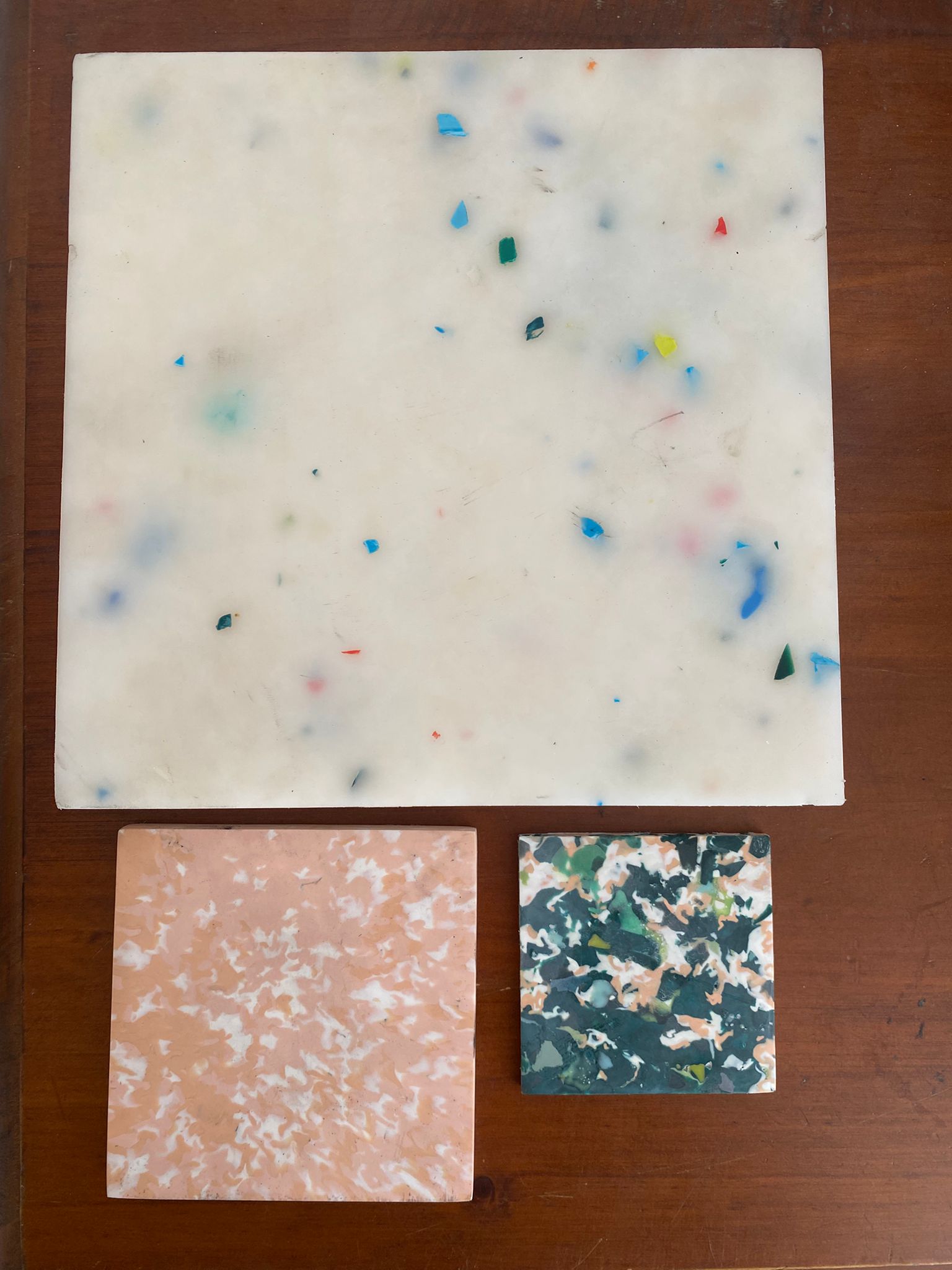
Colour Options
We offer six popular core colours, including:
- N70 White Confetti: Bright white base with multi-coloured flecks.
- Ochre: A warm, earthy tone.
- Lumen: A vibrant, light-reflecting finish.
- River: Deep, calm blues.
Thickness Guide
| Project Type | Recommended Thickness | Why? |
|---|---|---|
| Splashbacks / Wall Linings | 3mm – 10mm | Lightweight and easy to mount. |
| Planter Boxes / Fencing | 12mm – 15mm | Good balance of rigidity and weight. |
| Table Tops / Shelving | 15mm – 25mm | Structural integrity for weight-bearing. |
| Heavy Benchtops / Bollards | 30mm – 40mm | Maximum durability and "heft". |
The Take-Back Program: A Truly Circular DIY
The most important part of buying from Resourceful Living is the end-of-life plan. We believe in total responsibility for our materials. If you ever renovate again and decide to remove your recycled plastic benchtop or shelving, don't throw it away.
We offer a take-back program where we collect our products free of charge at the end of their life. We then take that material, shred it, and remanufacture it into new panels. It’s a 100% closed-loop system, ensuring your DIY project never contributes to Australia's waste problem.

Final Steps for Your Next Project
Ready to start your sustainable home renovation in Australia? Here is your quick checklist:
- Measure Twice: Calculate your required sheet yield based on our 2400x1200mm standard size.
- Check Specs: Consult our buying guide for recycled plastic sheets to ensure you have the right thickness.
- Order Online: We manufacture daily, ensuring a fast turnaround for your project.
- Get Building: Grab your woodworking tools and start creating.
If you have a bespoke idea that requires custom thickness or a specific colour mix, get in touch. We manufacture seven days a week and love helping Aussie DIYers bring unique, sustainable visions to life.