In 2026, the Australian construction landscape looks fundamentally different than it did just five years ago. We’ve moved past the era where "sustainability" was a buzzword reserved for high-end boutique projects or corporate social responsibility reports. Today, it’s a core requirement. Whether you’re tendering for a government infrastructure project or managing a commercial fit-out, the pressure to reduce embodied carbon is no longer a suggestion: it’s the law.
But here’s the secret: builders aren't switching to recycled plastic sheets just to save the planet. They’re doing it because, in many applications, recycled plastic is simply a superior building material compared to traditional timber and plywood.
At Resourceful Living, we’ve seen a massive surge in demand from Tier 1 contractors and independent builders alike. They’re looking for materials that don't rot, don't require painting, and don't end up in a skip bin at the end of the project.
The Plywood Problem: Why Traditional Materials are Losing Ground
For decades, plywood and treated timber were the default choices for everything from site hoarding and formwork to cabinetry and outdoor furniture. But traditional materials come with traditional headaches.
Timber is a biological material. In the harsh Australian climate: characterised by intense UV, high humidity, and torrential rain: timber warps, splits, and eventually rots. If you’re using marine plywood for a coastal project, you’re already paying a premium, yet you still face a limited lifespan and high maintenance costs.
Furthermore, the environmental cost of timber is rising. While timber is renewable, the sheer volume required for global housing demands is staggering. As we’ve discussed in our analysis of traditional vs. modern materials, the shift toward circularity is inevitable.
Recycled Plastic vs. Plywood: A Quick Comparison
| Feature | Plywood / Timber | Recycled Plastic Sheets |
|---|---|---|
| Moisture Resistance | Absorbs water, prone to rot | 100% Waterproof |
| Maintenance | Requires staining, painting, sealing | Zero Maintenance |
| Termite Resistance | Requires chemical treatment | Naturally Termite-proof |
| Circular Life Cycle | Downcycled or landfilled | 100% Recyclable (Infinite loop) |
| Longevity | 5–15 years (outdoor) | 50+ years |
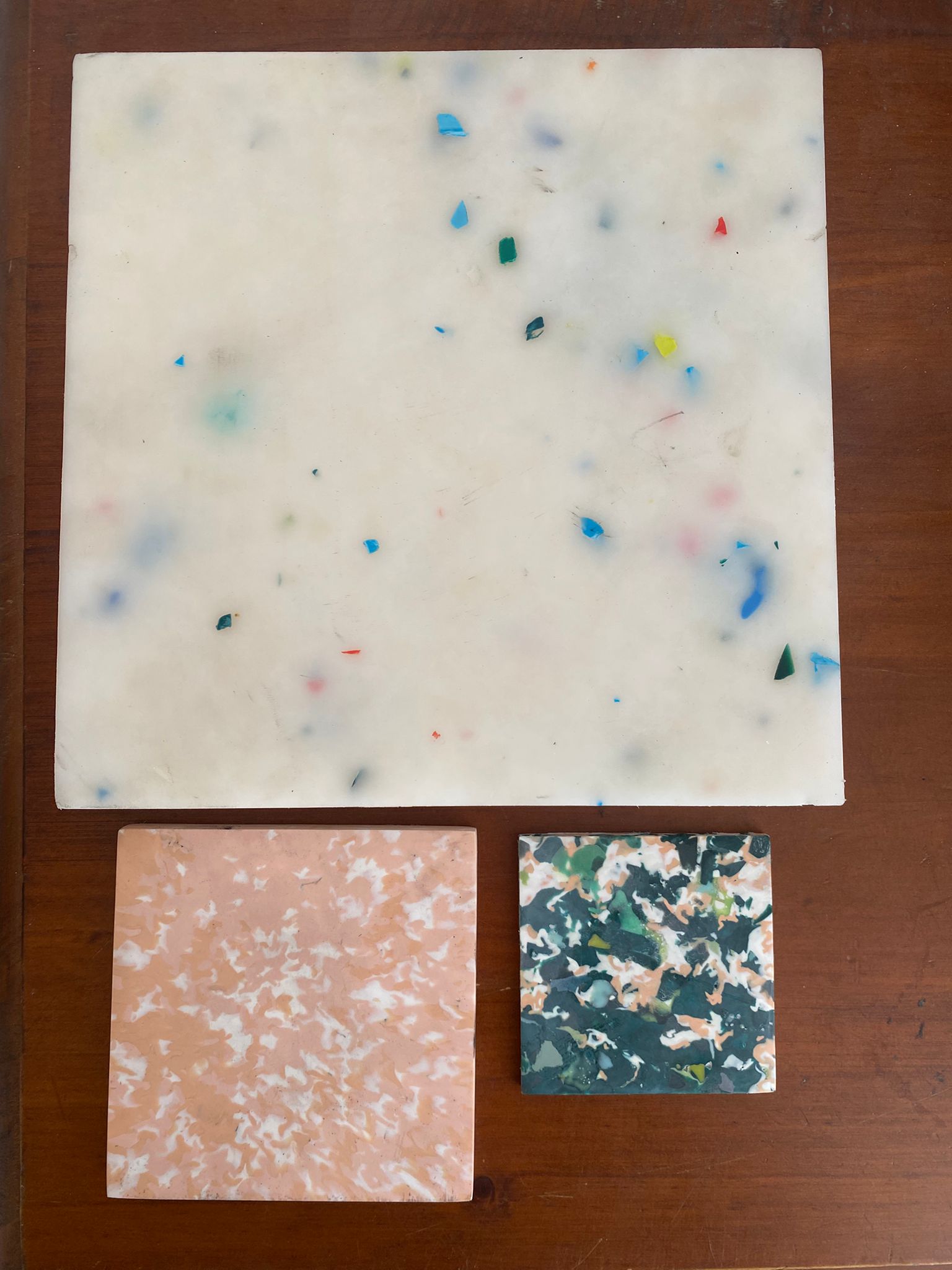
Performance That Outlasts the Project
When we talk about recycled plastic building materials, we aren't talking about flimsy, low-grade plastics. We are talking about high-density polyethylene (HDPE) and polypropylene (PP) panels that have been engineered for structural integrity and durability.
1. Waterproof and Weatherproof
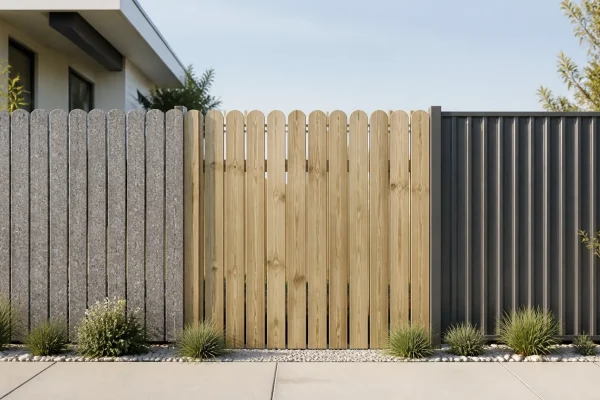
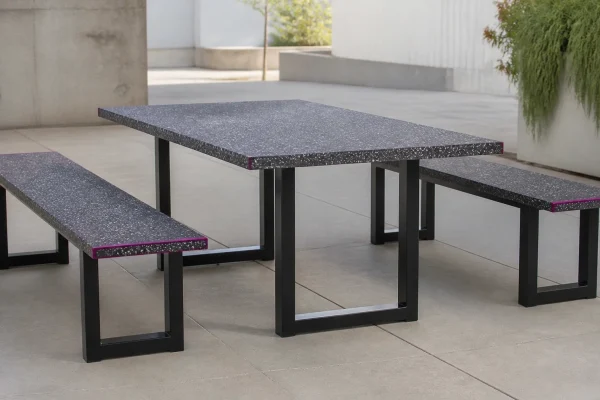
Unlike wood, which expands and contracts with moisture levels, our recycled plastic sheets are non-porous. This makes them the perfect solution for wet areas, outdoor cabinetry, and maritime applications. If you’re deciding between materials for a beachside deck or a public park bench, recycled plastic boards outperform treated timber every time.
2. Chemical and Impact Resistance
In industrial and commercial settings, walls and surfaces take a beating. Our sheets are incredibly impact-resistant and impervious to most common chemicals and cleaning agents. This makes them a favourite for hospital fit-outs, laboratories, and high-traffic retail environments.
3. Workability
One of the biggest myths is that you need special tools to work with plastic. That’s false. Our sheets can be cut, drilled, routed, and sanded using standard woodworking tools. If you can work with a sheet of ply, you can work with Resourceful Living panels.
"The shift isn't just about 'being green.' It's about 'being smart.' When you factor in the lack of maintenance and the extended lifespan, the total cost of ownership for recycled plastic is significantly lower than traditional timber." : Jess Hodge, Sales at Resourceful Living
100% Australian Waste: Solving a Local Problem
One of the biggest drivers for builders in 2026 is provenance. With global supply chains still feeling the tremors of the last few years, having a local recycled plastic manufacturer in Australia is a massive logistical advantage.
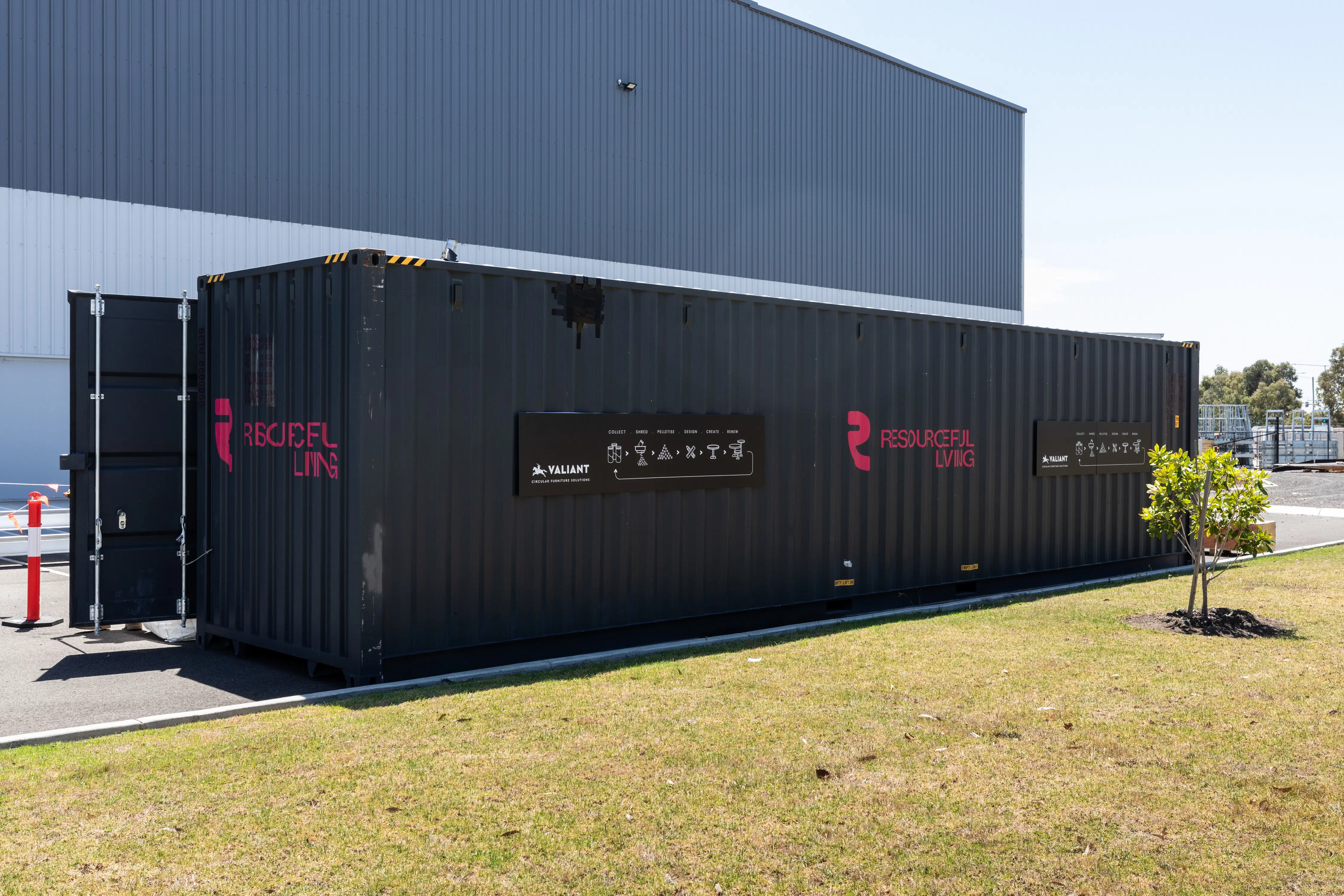
Every single panel produced by Resourceful Living is made from 100% Australian plastic waste. We take the lids, the bottles, and the industrial scraps that would otherwise clog our landfills and turn them into high-value construction assets.
Scaling Up: 1 Tonne Per Day Capacity
We know that construction doesn't wait. To support the industry, we have scaled our production to process up to 1 tonne of plastic waste every single day. This means we have the capacity to supply large-scale commercial developments and infrastructure projects without the long lead times associated with imported materials.
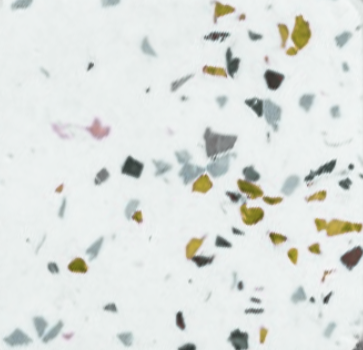
Aesthetics Matter: The 6 Popular Colours
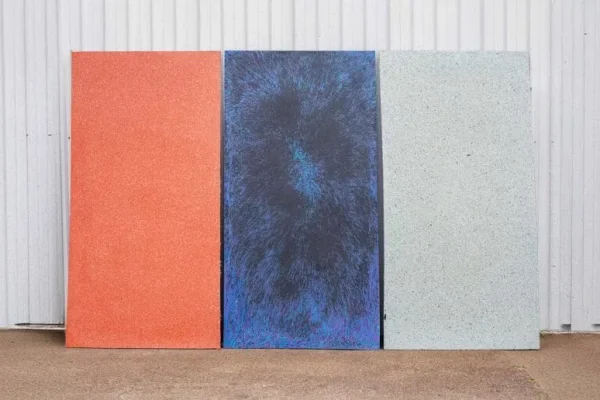
Functional doesn’t have to mean boring. We understand that architects and designers need a palette that fits modern aesthetics. That’s why we’ve curated 6 popular colours that have become the standard for sustainable design in Australia.
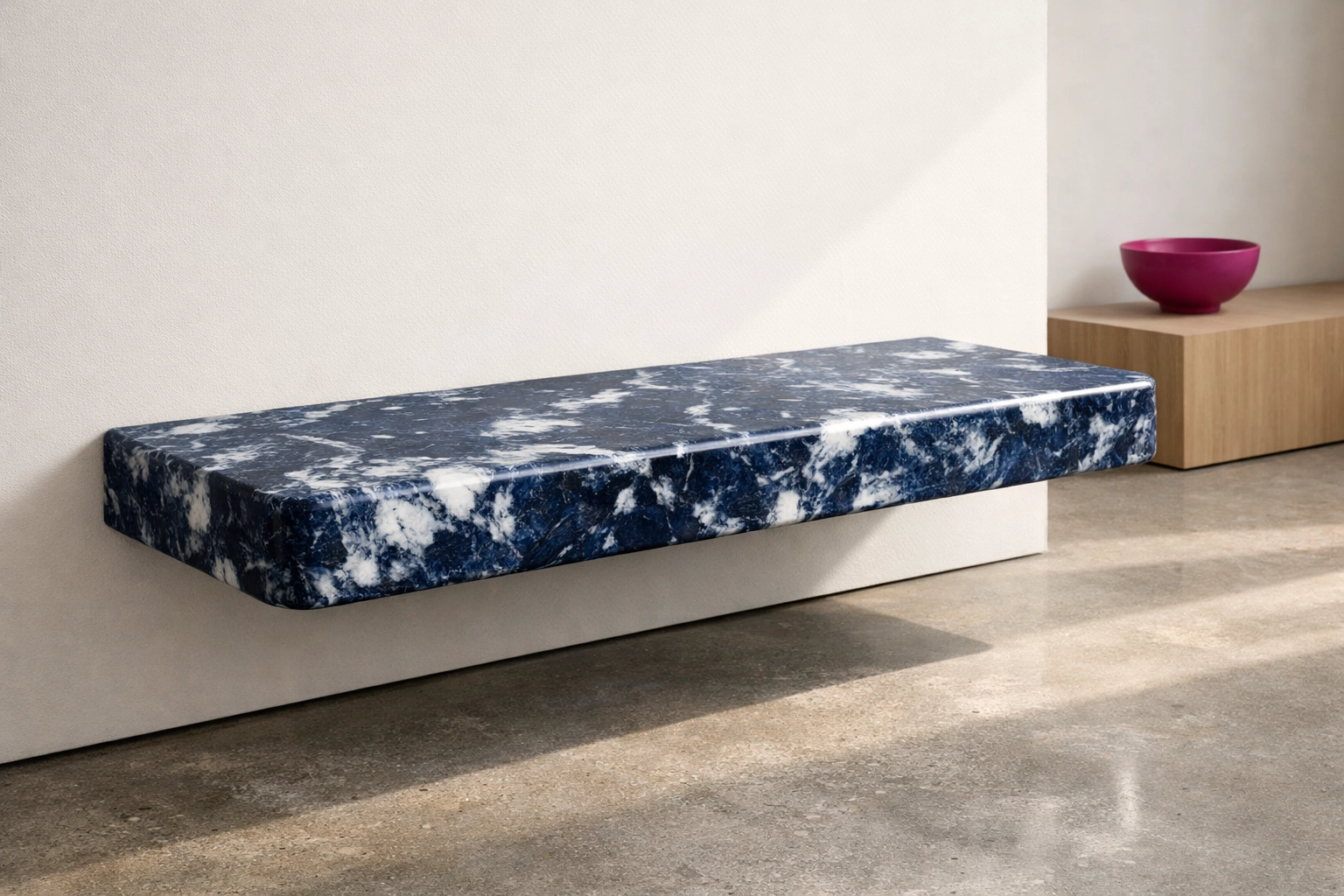
From the clean, minimalist look of our 'N70 White Confetti' to the sophisticated depth of our 'Navy and White Marble,' these sheets don't just perform: they look stunning.
- N70 White Confetti: A bright white base with vibrant flecks of colour. Perfect for retail displays and modern interiors.
- Navy Marble: A deep, rich blue with white marbling that mimics high-end stone.
- Earth Tones: Subtle greens and beiges that blend perfectly with natural landscapes.
Using these varied colours allows builders to create bespoke retail displays or unique architectural features that tell a story of sustainability from the moment a client walks in.
The Economic Case: Why Circular Procurement Wins
In 2026, the "Blue Bin" isn't enough. True circularity requires circular procurement. This means buying products designed to be taken back and remanufactured.
We offer a unique Buy-Back Scheme at Resourceful Living. When a project reaches its end-of-life: perhaps a retail store is being refitted or a temporary structure is being dismantled: we will buy the material back.
Why is this a win for builders?
- Lower Disposal Fees: You avoid the skyrocketing costs of general waste landfill levies.
- ESG Compliance: You can provide data-backed reports on your circularity, which is essential for ESG Partner Programs.
- Traceability: We provide full documentation on the lifecycle of the material, which is a goldmine for NABERS ratings and Green Star certification.
Navigating the New Rules of Construction
The regulatory environment has caught up with the technology. In 2026, Australia's new embodied carbon rules mean that every kilogram of carbon in your materials is scrutinised.
Traditional manufacturing for steel, cement, and even certain timber treatments carries a heavy carbon footprint. By contrast, our mechanical recycling process is low-energy and high-impact. When you choose 100% recycled plastic sheets, you are actively slashing the embodied carbon of your project.
Tendering with an Edge
If you’re a builder bidding for government work, having a local, circular supplier isn't just a bonus: it’s often a weighted criteria. Using recycled plastic sheets for construction tenders shows that you are future-proofing your operations and aligning with national waste reduction targets.
How to Make the Switch: A 3-Step Guide for Builders
If you’re ready to move away from the "use and throw away" cycle of plywood, here’s how to start:
1. Identify Your High-Impact Zones
Look for areas where timber is failing you. Is it the site hoarding that gets battered by rain? The van fit-outs that get scratched and dented? Or the outdoor furniture that needs re-staining every six months? These are your "Low Hanging Fruit" for replacement.
2. Audit Your Waste
If you’re a large-scale builder, you’re likely paying thousands in waste removal. Consider implementing a waste audit to see how much plastic your own sites are generating. We can help you turn that waste back into the very sheets you buy for your next project.
3. Choose Your Collection Package
We offer simple collection packages for our partners, handling up to 1,000kg of processed material per month. This ensures that your site stays clean and your materials stay circular.
Conclusion: The Future is Circular
The switch to 100% recycled plastic sheets isn't a trend; it's an evolution. As we move further into 2026, the builders who thrive will be those who embrace materials that offer both performance and purpose.
By choosing Resourceful Living, you aren't just getting a durable, waterproof, and aesthetic panel. You’re getting a partner in the circular economy. You’re supporting Australian manufacturing and proving that the true cost of timber is no longer a price worth paying.
Ready to see the material for yourself? Order a sample pack of our 6 popular colours today and see why the best builders in Australia are making the switch.