If you aren't measuring your waste, you’re effectively throwing money into a hole in the ground. For most Australian businesses, waste is often treated as an "out of sight, out of mind" utility bill. But in 2026, with landfill levies rising and ESG reporting becoming a non-negotiable for Tier 1 contracts, ignoring what’s in your skip bin is a major financial risk.
At Resourceful Living, we see waste differently. We see raw materials. A waste audit is the first step in shifting your mindset from "disposal" to "resource management." By identifying what you’re throwing away, you can uncover opportunities to lower your overheads and potentially close the loop on your own supply chain.
Let’s walk through how to conduct a simple, effective waste audit that yields actionable data.
Why Your Business Needs a Waste Audit Yesterday
Before we dive into the "how," let’s talk about the "why." A waste audit isn't just about being "green", it's about operational efficiency.
- Reduce Landfill Costs: Most businesses pay for waste by volume or weight. If 40% of your bin is air or recyclable material, you’re paying to transport nothing. Understanding your waste streams helps you how to reduce landfill costs with circular procurement.
- Identify Procurement Leaks: If your audit reveals a massive amount of unused packaging, you’re over-ordering or using inefficient materials.
- ESG Compliance: If you’re aiming for Net Zero or looking to partner with large-scale mining or construction firms, they will want to see your data.
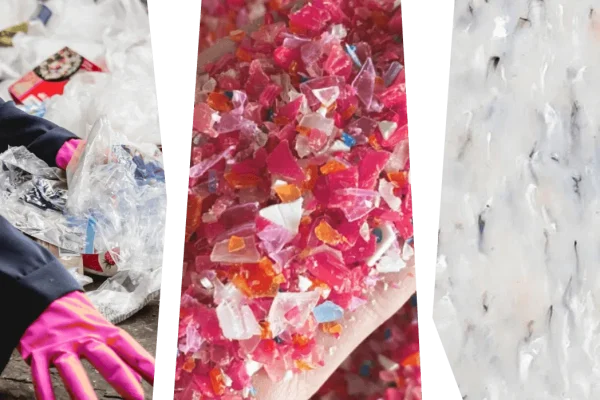
- Resource Identification: You might find that the "trash" you’re paying to remove is actually high-quality HDPE or PP plastic that we can turn into recycled plastic wheel stops for mining sites or durable building materials.
Phase 1: Planning and Preparation
You don't need a degree in environmental science to run an audit, but you do need a plan.
Choosing the Right Time
Timing is everything. You want a "business as usual" snapshot.
- Duration: Aim for a 3-to-5-day period.
- The Mid-Week Sweet Spot: Avoid Mondays and Fridays if possible. Mondays often carry over waste from the weekend, and Friday productivity can fluctuate. Tuesday through Thursday usually offers the most consistent data.
- Avoid Anomalies: Don’t audit during a massive office clean-out, a holiday week, or a major site renovation.
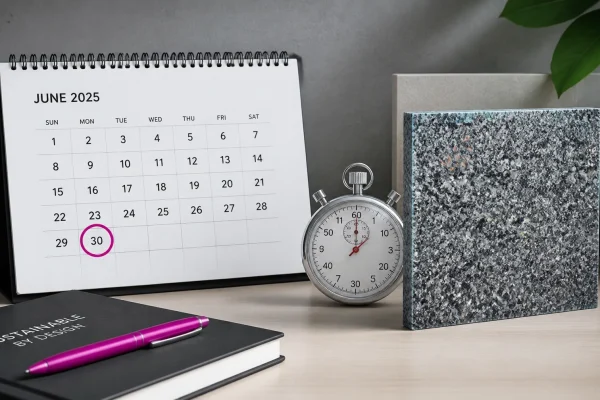
📌 Call-out: The 14‑Day “Audit Your Office” Challenge (running now)
A standard audit gives you a solid data snapshot in 3–5 days. But if you want to go beyond a snapshot (and actually change behaviour), we’re currently running a 14‑day Audit Your Office Challenge to help you:
- Spot patterns (not just one-off spikes) in packaging, food waste, and contamination
- Test small changes (bin signage, supplier swaps, lunchroom tweaks) and see what moves the needle
- Build long-term circular habits that stick after the audit ends
Want in? Join the 14‑day challenge and we’ll send you the prompts, checkpoints, and a simple tracking approach so you can turn waste data into a practical action plan.
Call to action: Head to resourcefulliving.com.au and contact the team with the subject line “14‑Day Audit Challenge” to join.
The Toolkit
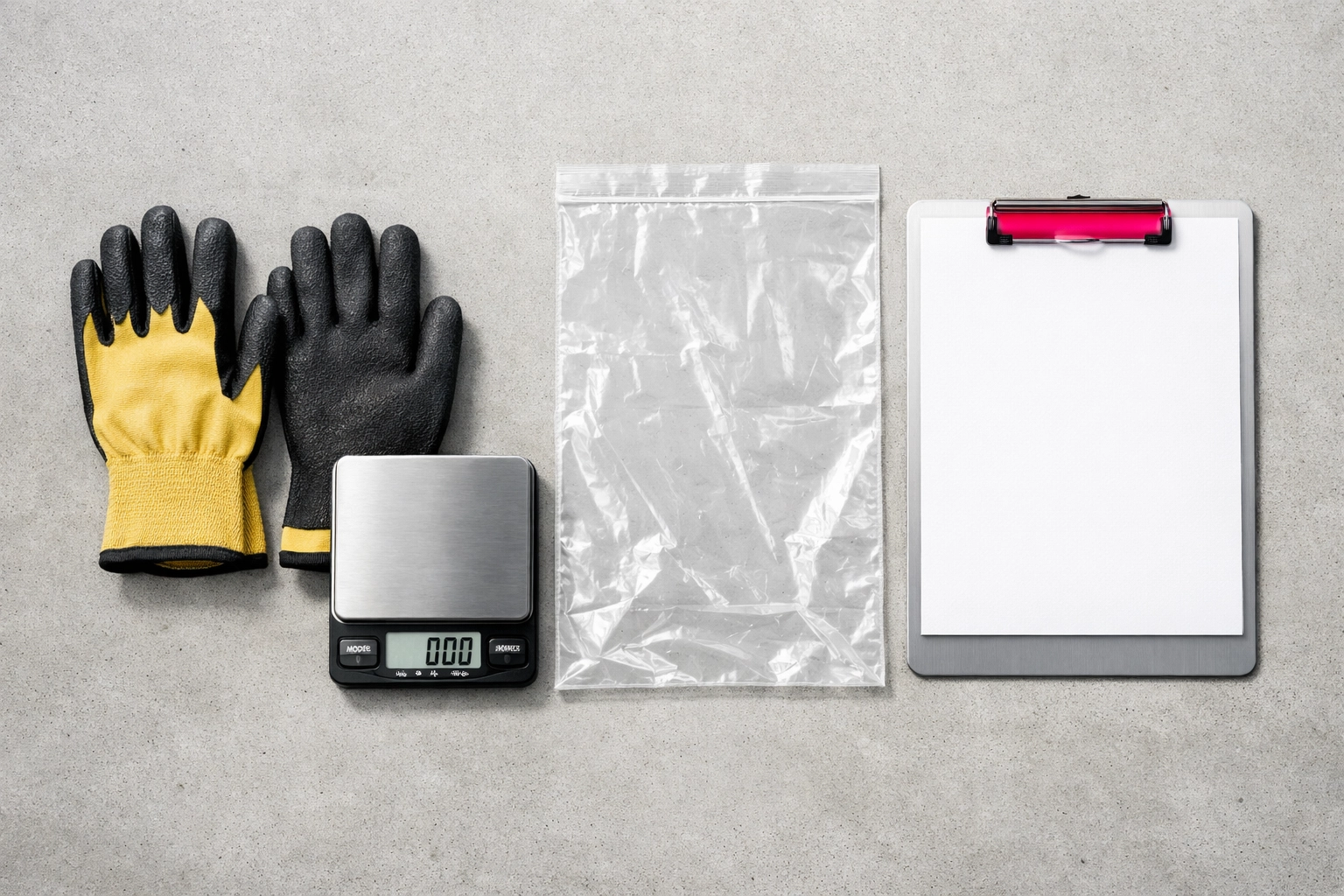
Gather your gear before you start. You’ll need:
- PPE: Heavy-duty gloves, high-vis vests, and safety glasses.
- Scales: A standard industrial scale or even a reliable bathroom scale for smaller batches.
- Sorting Area: A large tarp or a dedicated space in the warehouse.
- Containers: Clear bags or labeled bins for different categories (Plastic, Paper/Cardboard, Organic, Landfill).
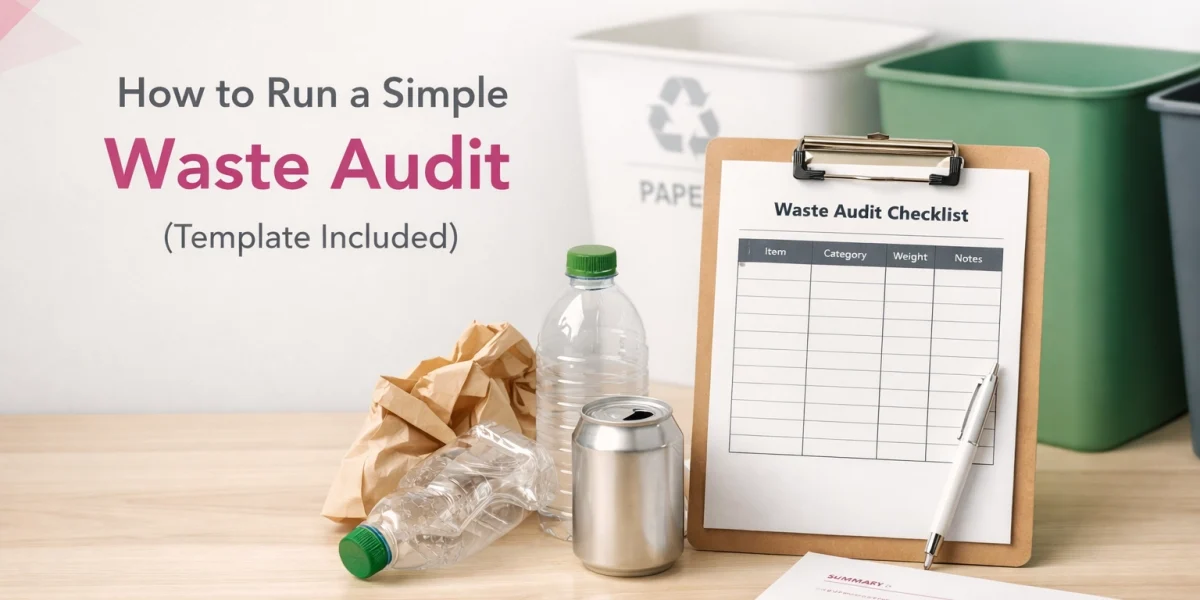
- Recording Tools: Clipboards, a camera (to document contamination), and our template (provided below).
Phase 2: The Physical Audit (Getting Your Hands Dirty)
This is the "boots on the ground" part of the process. It’s best to involve a few key team members so they can see the reality of the company’s waste habits firsthand.
Step 1: Collection
Collect all waste generated over your chosen period. Ensure that bags are labeled by department or location (e.g., "Workshop," "Kitchen," "Admin"). This helps you identify which parts of your business are the most "waste-heavy."
Step 2: Sorting and Categorization
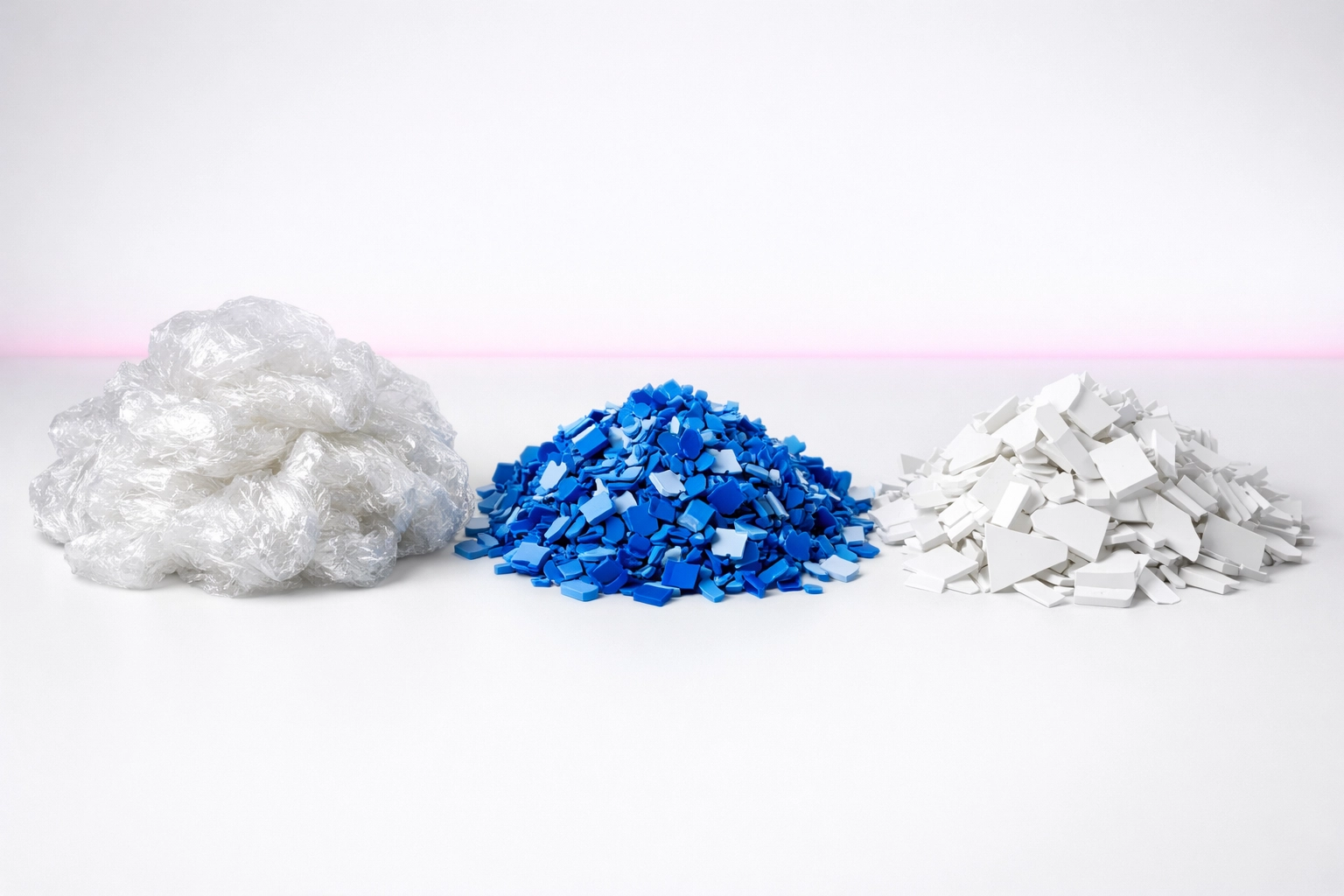
Empty the bags onto your tarp and sort the contents into specific streams. At Resourceful Living, we are particularly interested in your plastics. When sorting, try to distinguish between:
- Soft Plastics (LDPE): Pallet wrap, bubble wrap.
- Rigid Plastics (HDPE/PP): Milk crates, chemical drums, broken safety barriers.
- Paper & Cardboard: Shipping boxes and office paper.
- Organics: Food scraps.
- True Waste: Items that currently have no recycling pathway.
Expert Tip: Watch out for "wish-cycling." This is when staff put non-recyclable items into the recycling bin hoping they can be recycled. This contaminates the stream and often results in the whole bin being sent to landfill.
Step 3: Weighing and Recording
Once sorted, weigh each category. Record the weight in kilograms. Don't just estimate, data accuracy is the foundation of your future strategy.
Phase 3: Analyzing the Results
Once you have your numbers, it’s time to crunch them. This is where you find the "hidden" value in your operations.
Calculating Your Diversion Rate
Your diversion rate is the percentage of waste that is kept out of the landfill.
Formula:
(Weight of Recyclables ÷ Total Weight of All Waste) x 100 = Diversion Rate %
If your diversion rate is below 50%, you have a massive opportunity to save money. By shifting materials into a recycled plastic circular economy, you stop paying disposal fees and start contributing to a closed-loop system.
Identifying "Lost" Materials
Look specifically at your plastic output. Are you throwing away high volumes of HDPE? That material is incredibly valuable in the right hands. Instead of paying for its disposal, you could be part of what we call a closed-loop ESG partner program. This is where we take your waste and turn it into products you actually use, like furniture or recycled plastic products for mining sites.
Turning Waste into Worth: The Resourceful Living Way
At Resourceful Living, we don't just "recycle." We manufacture high-performance materials. When you identify a consistent stream of plastic in your audit, you’ve found the raw material for your next project.
From Landfill to Mining Products
In the mining sector, durability is king. Traditional timber or steel products often fail due to corrosion or rot. Our recycled plastic alternatives, born from the very types of waste you’ll find in your audit, offer a longer lifespan and lower total cost of ownership.
Compare the recycled plastic vs timber vs steel cost and lifespan to see how much your business could save by switching to circular materials.

Simple Waste Audit Template
Use this table to record your findings over your 3-to-5-day audit period.
| Waste Category | Weight (kg) | % of Total | Contamination Level (Low/Med/High) | Potential Resource? (Yes/No) |
|---|---|---|---|---|
| Cardboard/Paper | ||||
| Soft Plastic (LDPE) | ||||
| Rigid Plastic (HDPE) | ||||
| Rigid Plastic (PP) | ||||
| Organics/Food | ||||
| Landfill (General) | ||||
| TOTAL | 100% | — | — | — |
Notes on Contamination:
If your "Rigid Plastic" bin is 20% full of food scraps, your contamination is High. This needs to be addressed through staff education before you can effectively transition to a circular model.
From Audit to Action: Your Next Steps
Data is useless without action. Once you’ve completed your audit, follow these three steps:
- Address the Low-Hanging Fruit: If you’re throwing away a lot of cardboard, get a dedicated cardboard skip. It’s usually cheaper than general waste.
- Educate the Team: Share the results with your staff. When people see that "we threw away 200kg of plastic this week," it becomes a tangible problem they can help solve.
- Contact a Manufacturing Partner: If you’ve identified a steady stream of HDPE or LDPE, talk to us. We can help you understand the life cycle environmental impact of recycled plastic panels and how those panels can be integrated back into your business operations.
Running a waste audit isn't just a "nice to do" for the environment; it’s a strategic business move. It’s the difference between being a company that generates trash and a company that manages resources.
Ready to turn your waste into your next asset? Explore how we work with industries like mining and construction at resourcefulliving.com.au.
Let’s stop wasting waste.