
If you’ve ever managed a project within 500 metres of the Australian coastline, you know the environment is a relentless adversary. Between the corrosive salt spray, high UV exposure, and constant humidity, standard building materials often have a very short, very expensive shelf life.
For decades, treated timber has been the default choice for coastal boardwalks, beach access paths, and public infrastructure. It’s familiar, it’s relatively cheap upfront, and every tradie knows how to work with it. But as we move toward 2026, the industry is shifting.
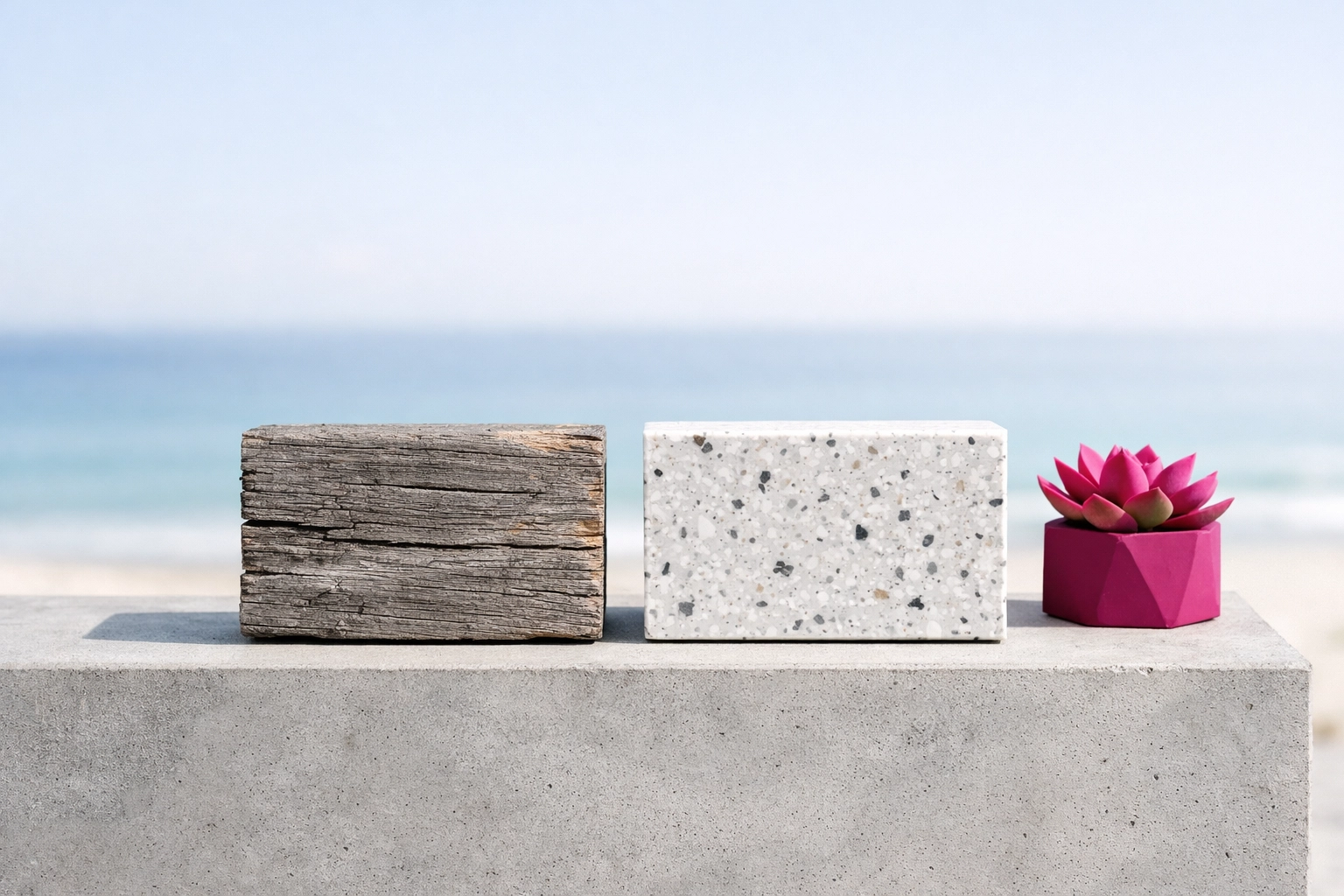
The question isn’t just about what looks good on day one; it’s about what still stands on day 10,000. When we compare recycled plastic board to treated timber in marine environments, the gap in performance isn't just wide, it's a canyon.
The Coastal Challenge: Why Materials Fail
Coastal environments are "high-energy" zones. Salt air acts as a natural abrasive and corrosive agent. Timber, being a porous organic material, is essentially a sponge for this environment. Even when chemically treated (H3 or H4 level), timber undergoes a constant cycle of expansion and contraction.
This leads to:
- Surface checking and splitting: Openings where salt and moisture can penetrate deeper.
- Fungal decay: Despite treatments, moisture eventually wins, leading to rot.
- Fastener failure: As the wood rots around screws and bolts, the structural integrity of the entire project is compromised.
In contrast, recycled plastic building materials are engineered to be inert. They don’t "breathe" in the way wood does, meaning they don't absorb the salt-laden moisture that destroys traditional structures.
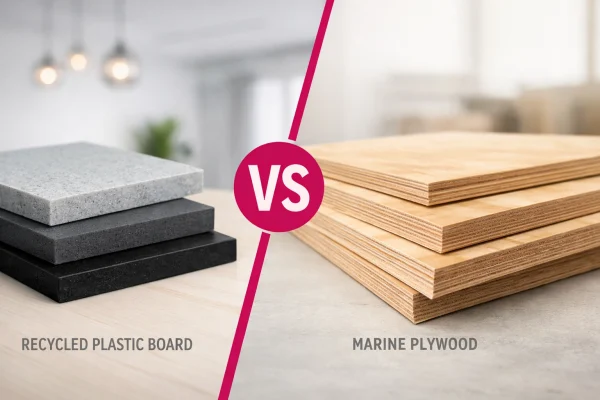
Direct Comparison: Recycled Plastic vs. Treated Timber
| Feature | Recycled Plastic Board | Treated Timber (H4) |
|---|---|---|
| Lifespan | 50+ Years | 10–20 Years |
| Moisture Absorption | 0% (Impervious) | High (Porous) |
| Maintenance | Zero (Occasional wash) | High (Staining, Sealing) |
| UV Resistance | High (UV Stabilised) | Low (Fades/Cracks) |
| Pests/Insects | Termite & Teredo Worm Proof | Susceptible over time |
| Environmental | 100% Recycled & Recyclable | Chemically treated/Landfill |
1. Durability and Moisture Resistance
The primary advantage of recycled plastic board is its total immunity to rot. In marine applications: think boat ramps, jetties, or dune crossovers: material is often submerged or constantly splashed.
Treated timber relies on chemical barriers (like CCA or ACQ) to ward off rot. Over time, these chemicals leach out, especially in saltwater. Once the barrier is breached, the timber begins to fail from the inside out. Recycled plastic, however, is a solid, homogeneous material. Whether it's the surface or the core, it remains 100% moisture-resistant.
2. The Maintenance Reality Check
Let’s talk about the "hidden" cost of timber. While the initial purchase price of treated pine might be lower: roughly $55 per m² compared to approximately $75 per m² for high-quality recycled plastic: the Total Cost of Ownership (TCO) tells a different story.
"A waste audit is only data if you don't act. It’s a strategy when you change the rules of the game." : Jess Hodge, CEO of Resourceful Living.
For a coastal council or a private developer, timber requires a maintenance schedule:
- Year 1-2: Initial weathering and checking.
- Year 3: First round of sealing or staining.
- Year 5-10: Replacement of individual boards that have warped or splintered.
- Year 15: Full structural assessment and likely decommissioning.
With sustainable construction materials in Australia like our recycled boards, that schedule is replaced with a simple pressure wash once a year to remove salt crust and bird droppings. When you factor in labour costs for maintenance, the recycled plastic option usually pays for itself within the first 7 to 10 years. You can read more about this in our breakdown of the ROI of recycled plastic sheets and boards.
Environmental Impact: Marine Safety and Circularity
In coastal projects, what you put into the ground (or the water) matters. Treated timber is permeated with fungicides and insecticides. In a marine environment, these chemicals can leach into the sensitive ecosystem.
Recycled plastic building materials offer a double-win for the environment:
- Non-Leaching: They are chemically inert. There are no coatings to flake off and no treatments to wash away into the ocean.
- Circular Economy: By choosing these boards, you are diverting post-consumer and industrial plastic from Australian landfills.
At Resourceful Living, we take this a step further with our Closed-Loop ESG Partner Program. We don't just sell you a board; we offer a take-back guarantee. If a project is decommissioned in 50 years, that material comes back to us to be shredded and turned into new infrastructure. This is a far cry from treated timber, which is often classified as hazardous waste at the end of its life and must be sent to specific landfill sites.
Use Case: Public Infrastructure and Walkways
Australian councils are increasingly switching to recycled plastic for public boardwalks. Why? Safety.
Timber in coastal areas eventually splinters. For a beach-side walkway where people are often barefoot, this is a significant liability risk. Recycled plastic boards do not splinter, and they can be manufactured with specific slip-resistant textures that exceed Australian standards for public spaces. Check out why Australian councils are making the switch.
Installation: Is it Harder to Work With?
A common misconception is that you need specialised aerospace tools to work with recycled plastic. In reality, if you can work with timber, you can work with recycled plastic.
- Tools: Standard high-quality woodworking tools (circular saws, drills, etc.) work perfectly.
- Fastening: We recommend stainless steel fixings (Grade 316) for all coastal projects to match the longevity of the board.
- Pre-drilling: This is essential. Because plastic is denser than timber, pre-drilling prevents stress cracking and allows for the natural thermal expansion of the material.
7 Mistakes to Avoid in Coastal Construction
If you’re considering making the switch to recycled plastic for your next project, avoid these common pitfalls:
- Ignoring Thermal Expansion: Plastic moves more than wood. Always allow for expansion gaps at joins.
- Using Zinc Fixings: In coastal zones, zinc will fail long before the board does. Always go for 316 Stainless.
- Inadequate Joist Spacing: Recycled plastic boards are generally more flexible than hardwood. Ensure your sub-structure (joist) spacing follows the manufacturer's specifications to prevent "bounciness."
- Mixing Materials Poorly: If using a timber sub-structure with plastic boards, ensure the timber is heavily treated and isolated from the plastic to prevent moisture trapping.
- Buying Non-UV Stabilised Product: Not all recycled plastic is equal. Ensure your supplier provides UV-stabilised material suited for the harsh Australian sun.
- Forgetting the "End of Life": Always ask your supplier if they have a take-back scheme.
- Over-tightening Screws: Allow the material some room to "float" slightly to accommodate temperature changes.
For a deeper dive into these common errors, see our guide on 7 mistakes you’re making with sustainable construction materials.
The Verdict: Which is Better?
If your project is a short-term temporary structure or located in a dry, inland environment where budget is the only driver, treated timber is a viable, traditional choice.
However, for coastal projects intended to serve the community or a private property for decades, recycled plastic board is the superior engineering choice. The combination of moisture immunity, zero maintenance, and environmental safety makes it the logical standard for modern Australian construction.
Next Steps for Your Project
- Audit your current material specs: Are you specifying timber out of habit or for performance?
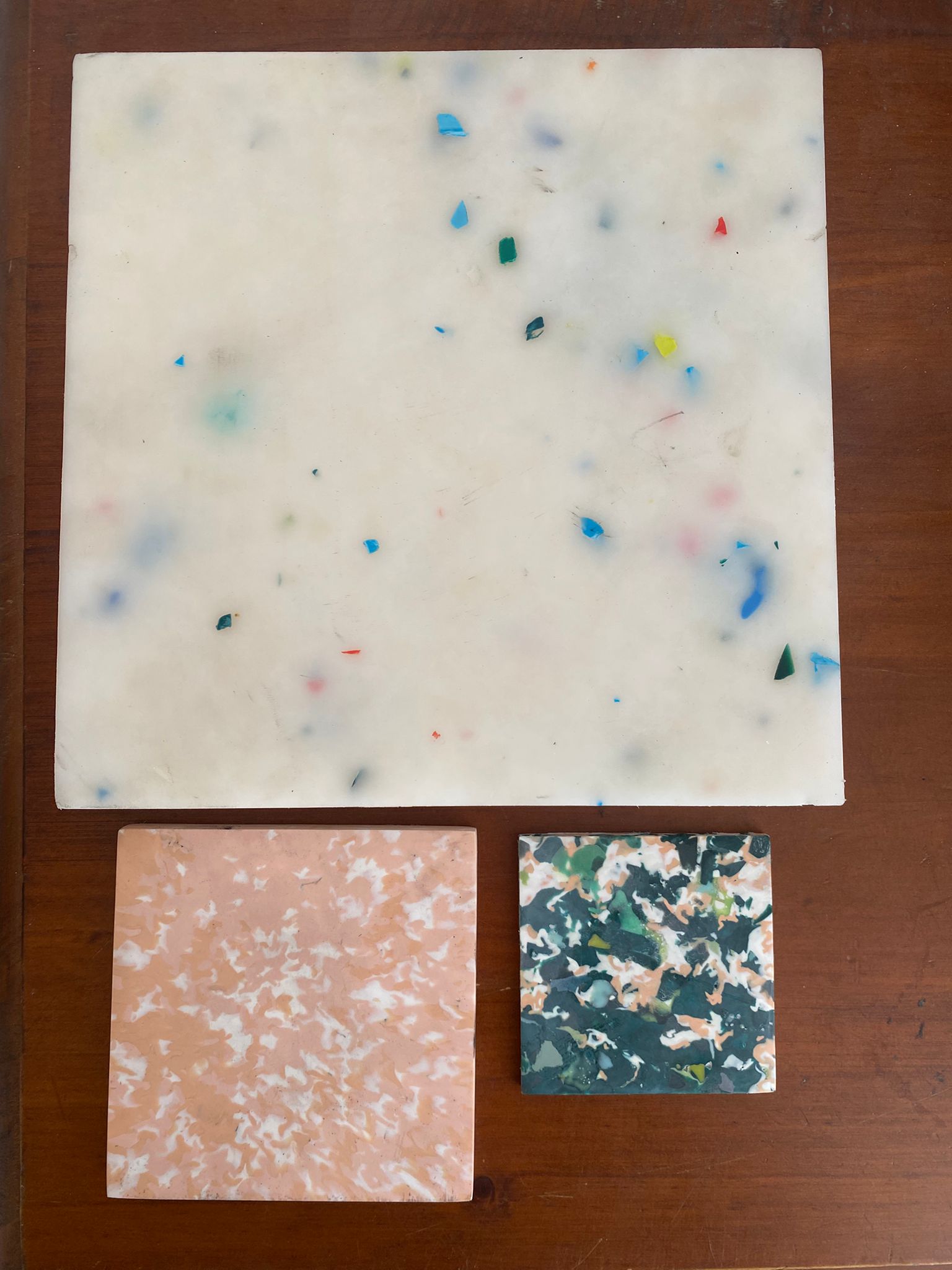
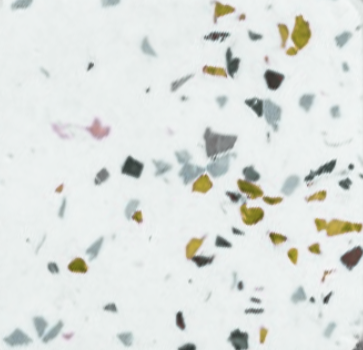
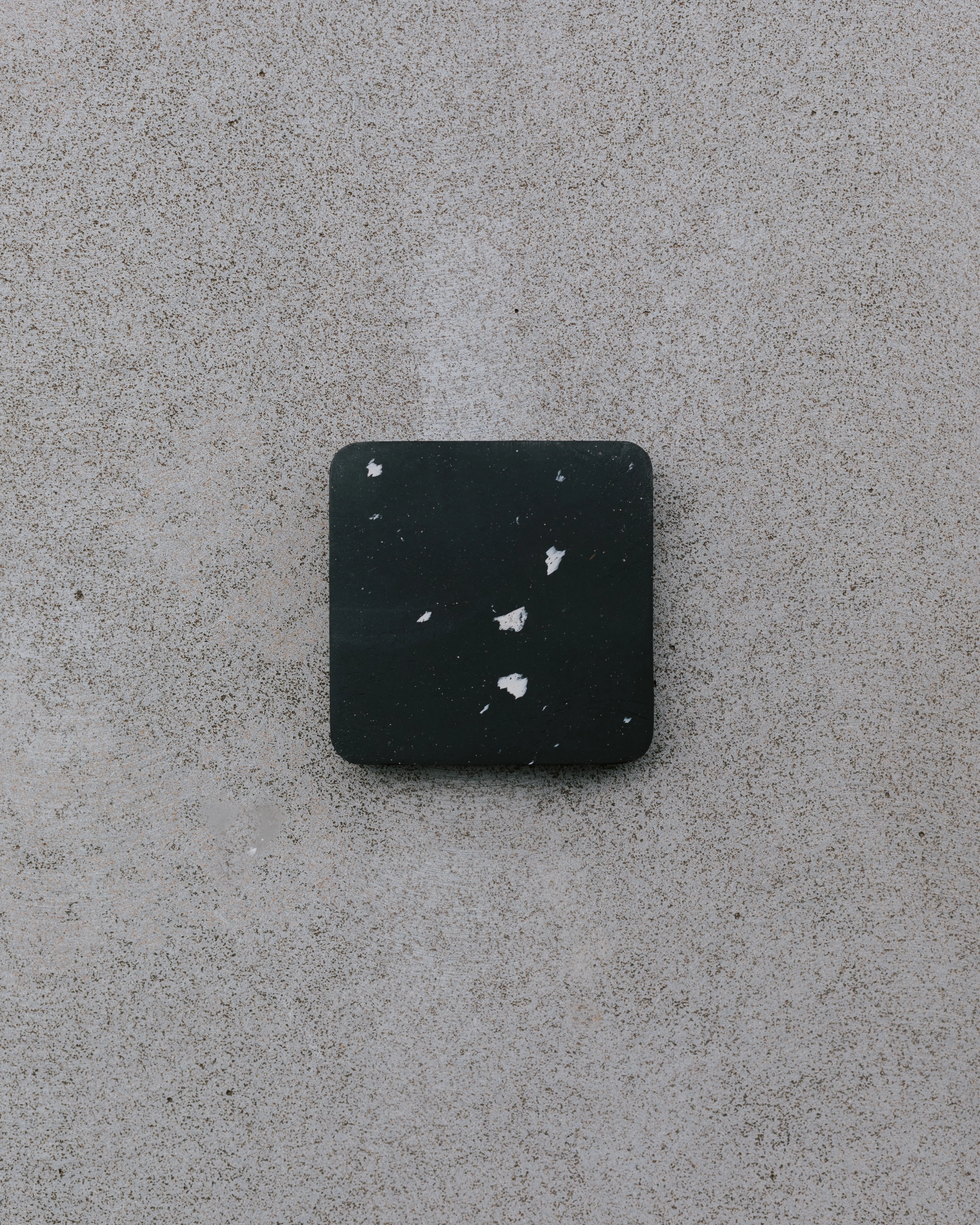
- Request a Sample: See the texture and durability of our N70 White Confetti or Navy Marble finishes.
- Compare the TCO: Run the numbers over a 20-year period, including maintenance labour.
By choosing recycled materials, you aren't just building a better boardwalk; you’re building a more resilient, circular Australia. If you're ready to design out waste and design in durability, let's talk about how Resourceful Living can support your next coastal build.