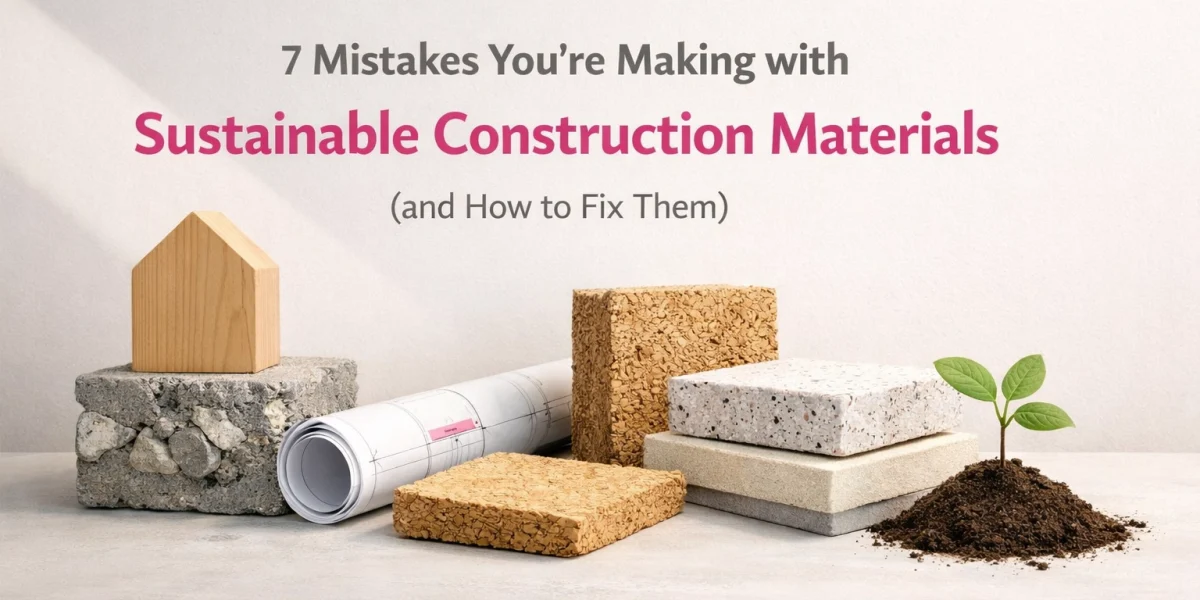
The construction industry in Australia is undergoing a massive shift. With new government regulations and a genuine push for a circular economy, "green" is no longer just a buzzword: it’s a project requirement. However, I’ve noticed a recurring pattern: many builders and architects are trying to do the right thing but are falling into common traps that actually undermine their sustainability goals.
Choosing a material because it has a "recycled" label isn't enough anymore. To truly build for the future, you need to understand the lifecycle, provenance, and performance of the materials you specify.
At Resourceful Living, we help businesses navigate these complexities every day. If you want to avoid the "greenwash" and ensure your next project is genuinely sustainable, here are the seven most common mistakes I see: and how you can fix them.
1. Prioritising Upfront Cost Over Lifecycle Value (Sustainable Construction Materials Australia)
One of the biggest hurdles in sustainable construction is the "sticker price" mentality. It’s easy to look at the initial cost of MDF or treated timber and compare it to a high-quality recycled plastic panel.
The mistake here is ignoring the Total Cost of Ownership. Traditional materials like plywood or MDF often absorb moisture, swell, and require regular painting or sealing. Within five years, the maintenance and replacement costs often far exceed the initial investment of a more durable, recycled alternative.
✅ The Fix: Conduct a Lifecycle Assessment (LCA)
Stop looking at the purchase price as the final number. Instead, factor in:
- Maintenance: Will it need oiling, painting, or chemical treatments?
- Durability: How long will it last in high-traffic or outdoor environments?
- Replacement frequency: How many times will you replace a "cheap" material over a 20-year period?
By choosing 100% recycled HDPE panels, you’re investing in a material that is UV-stable, waterproof, and rot-resistant, saving thousands in long-term facility management.
2. Falling for "Greenwashing" and Unclear Provenance (Recycled Plastic Construction Materials)
Not all "green" materials are created equal. I see many products marketed as sustainable that are imported from overseas with zero transparency regarding their recycled content. Worse yet, some "recycled" materials are actually composites that mix plastic with wood fibres or resins, making them impossible to recycle again at the end of their life.
If you can't trace the material back to its source, you're taking a risk with your project's environmental integrity.
✅ The Fix: Demand Traceability and Certifications
Always ask your supplier for the provenance of their feedstock. At Resourceful Living, we pride ourselves on using 100% Australian-sourced plastic waste.
- Check the percentage: Is it 10% recycled or 100%?
- Verify the source: Is it local post-consumer waste or industrial offcuts?
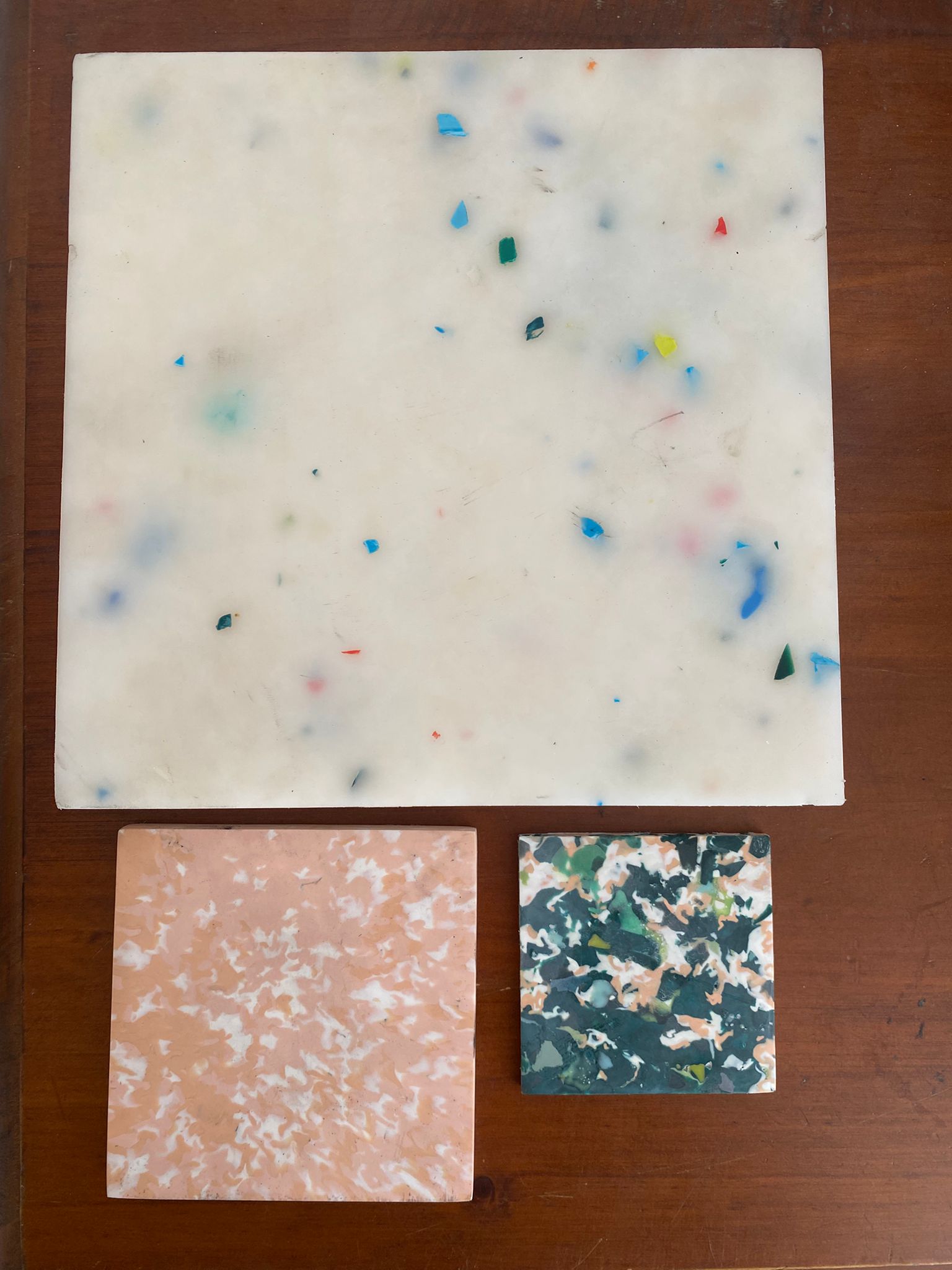
- Request a sample: Before committing, order a recycled plastic sample pack to verify the quality and finish for yourself.
3. Ignoring Material Thickness and Structural Suitability (Recycled Plastic Sheets)
I’ve seen projects fail because a designer chose an eco-friendly material but didn't account for its physical properties. A common mistake is using a panel that is too thin for a load-bearing application, leading to warping or "oil-canning" under heat and pressure.
Sustainable doesn't mean "one size fits all." Different applications require different densities and thicknesses.
✅ The Fix: Match Material Specs to Function
Work with manufacturers who understand the engineering behind the material. For example:
- 10mm – 15mm: Ideal for signage, retail cladding, or decorative coasters.
- 20mm – 30mm: Perfect for chopping boards, furniture, and planter boxes.
- 40mm+: Necessary for structural elements like wheel stops or heavy-duty outdoor seating.
Expert Tip: If you're unsure about the structural integrity of a recycled material, ask for a technical data sheet or a case study of a similar application.
4. Forgetting the "End-of-Life" Plan (Circular Recycled Plastic Construction Materials)
This is perhaps the most frequent mistake. A product is marketed as "made from recycled materials," but when it reaches the end of its useful life, it goes straight to the landfill. This is a linear approach disguised as a circular one.
If a material is a composite (like WPC – Wood Plastic Composite), it is often extremely difficult to separate the components for recycling. You've essentially just delayed the landfilling process rather than solving it.
✅ The Fix: Choose Monomaterials with a Take-Back Scheme
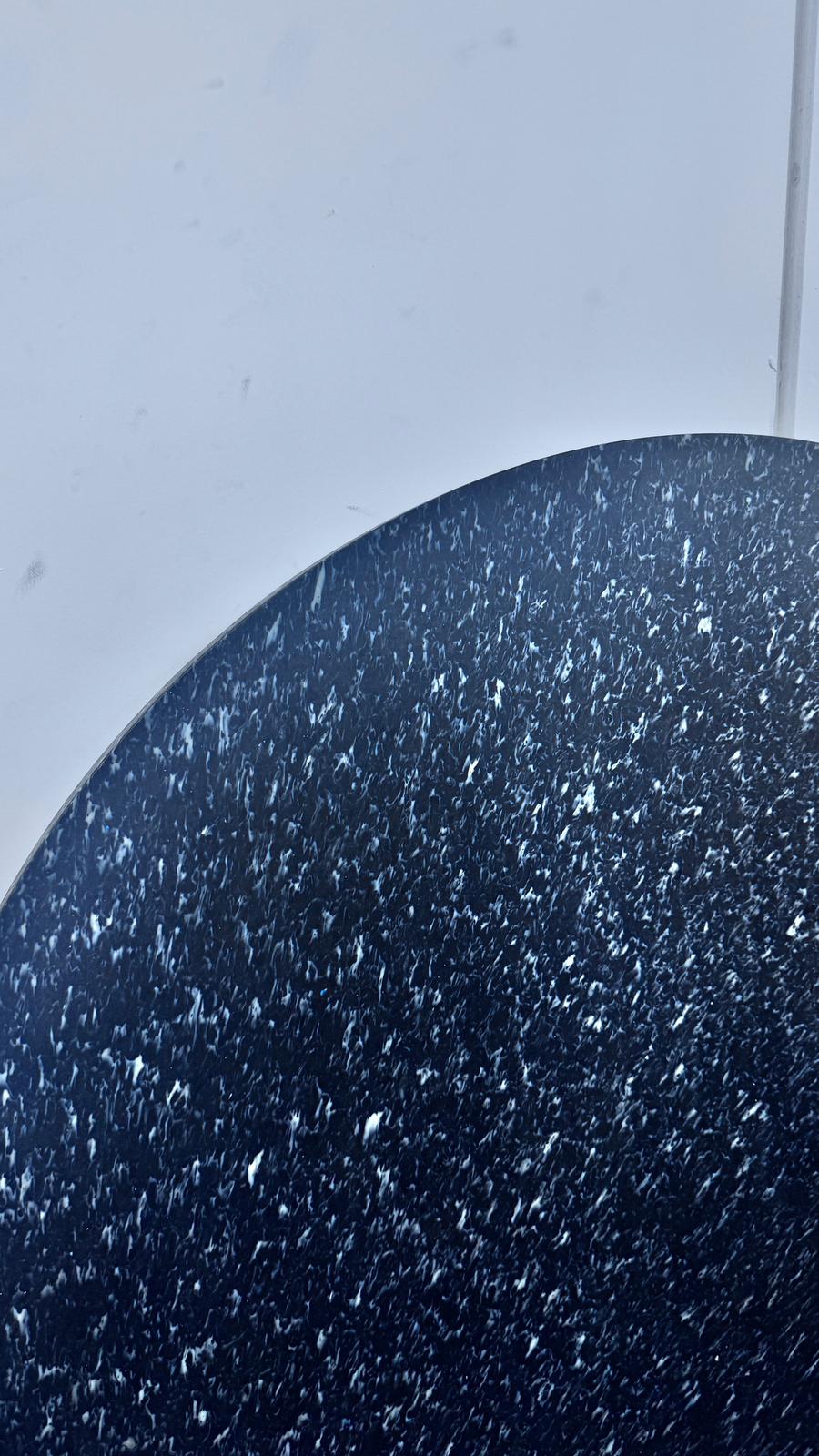
True circularity requires that the material can be recycled again and again. Our recycled plastic display boards and panels are made from 100% HDPE or LDPE.
- Mono-materiality: Stick to products made from a single type of plastic.
- Take-back Programs: Ensure your manufacturer has a process to take the material back at the end of its life to turn it into something new.
5. Overlooking the Impact of Local Supply Chains (Sustainable Construction Materials Australia)
It's ironic to specify "sustainable" materials that have been shipped halfway across the world. The embodied carbon generated by international freight can often negate the carbon savings of the material itself.
Furthermore, relying on overseas supply chains makes your project vulnerable to shipping delays and price fluctuations.
✅ The Fix: Source Australian-Made
By sourcing materials manufactured in Australia, you significantly reduce the transportation footprint of your project. You also support the local recycling infrastructure. When you buy from an Australian manufacturer like Resourceful Living, you aren’t just getting a product; you’re helping solve Australia's plastic waste crisis.
- Faster lead times: No waiting for containers to clear customs.
- Reduced emissions: Lower transport distances equal lower CO2.
- Quality control: It's much easier to visit a factory in Newcastle or Sydney than one in another country.
6. Choosing Appearance Over Durability (Durable Recycled Plastic Sheets)
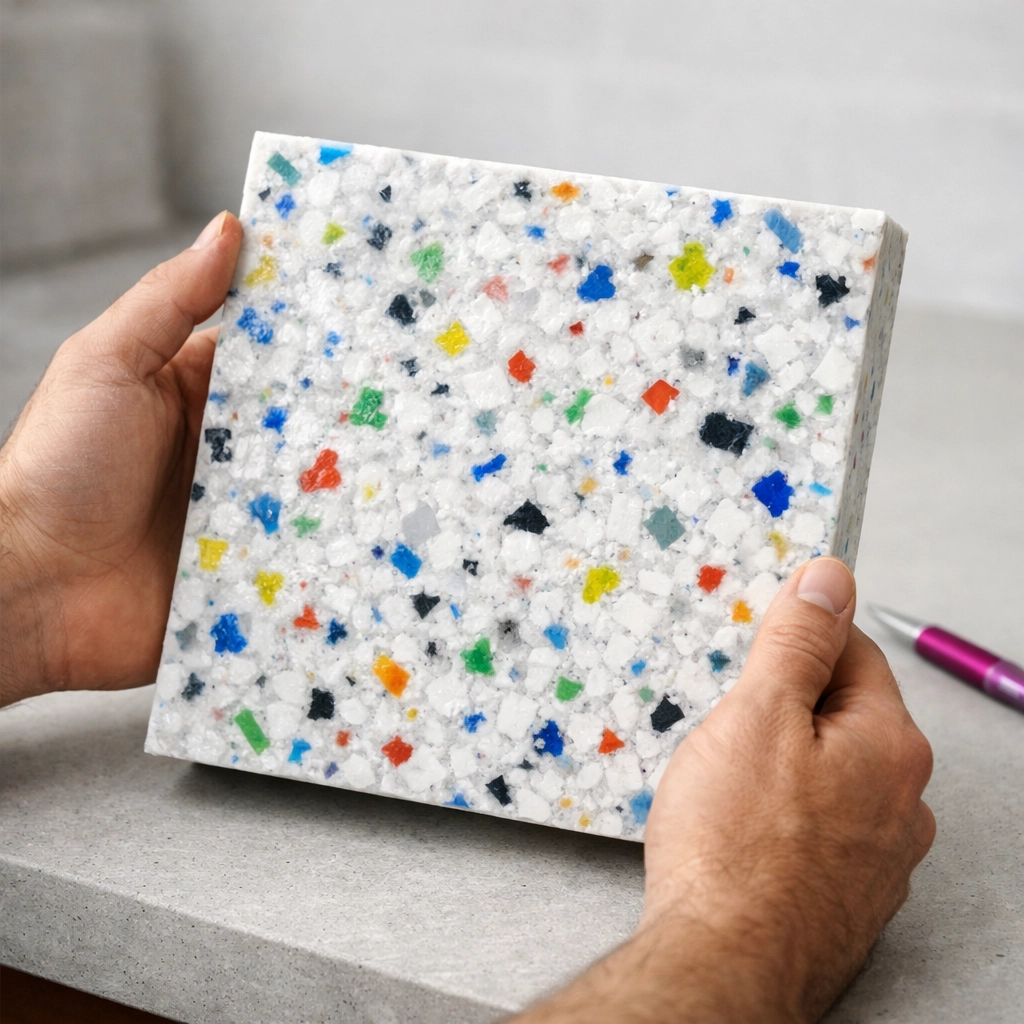
We all want our projects to look amazing. However, in the world of recycled materials, some options look great on day one but fade, crack, or degrade quickly when exposed to the harsh Australian sun.
Choosing a material based solely on a trendy colour palette without checking its UV resistance or moisture absorption is a recipe for a warranty claim.
✅ The Fix: Demand Performance Data
Recycled plastic is naturally durable, but its performance depends on the manufacturing process.
- UV Stabilisation: Ensure the material is rated for outdoor use if it’s going to be in the sun.
- Non-Porous: One of the greatest benefits of recycled plastic products is that they don't absorb water, making them perfect for wet areas or outdoor furniture like our recycled plastic desks.
7. Failing to Integrate Waste Management Back into the Build (Recycled Plastic Construction Materials)
The final mistake is seeing "materials" and "waste" as two separate departments. In a truly resourceful build, the waste generated on-site or by the client should be viewed as a resource for future materials.
Many companies buy recycled furniture but continue to send their own plastic waste to the landfill. This is a missed opportunity for a closed-loop story.
✅ The Fix: Implement a Custom Closed-Loop Project
Why buy generic recycled products when you can use your own waste? We work with many commercial clients to take their specific waste streams: like old portable toilets or pipe scrap: and turn them into custom products for their offices or sites.
Imagine having a custom wine caddy or survey pegs made specifically from the plastic waste your own company generated. That is true circularity in action.
Sustainable Construction Materials Australia: A Specifier’s Checklist
Before you sign off on your next material order, run through this quick checklist to ensure you aren't making these common mistakes:
- Is it a monomaterial? (Can it be recycled again?) ♻️
- Where was it made? (Is it supporting local Australian industry?) 🇦🇺
- What is the maintenance schedule? (Will it cost more to keep than it did to buy?) 🛠️
- Is the thickness right for the load? (Will it stand the test of time?) 📏
- Does the supplier offer a take-back program? (Where does it go in 10 years?) 🔄
Ready to build smarter?
Switching to sustainable construction materials doesn't have to be a gamble. By avoiding these seven mistakes, you can deliver projects that are high-performing, cost-effective, and genuinely eco-friendly.
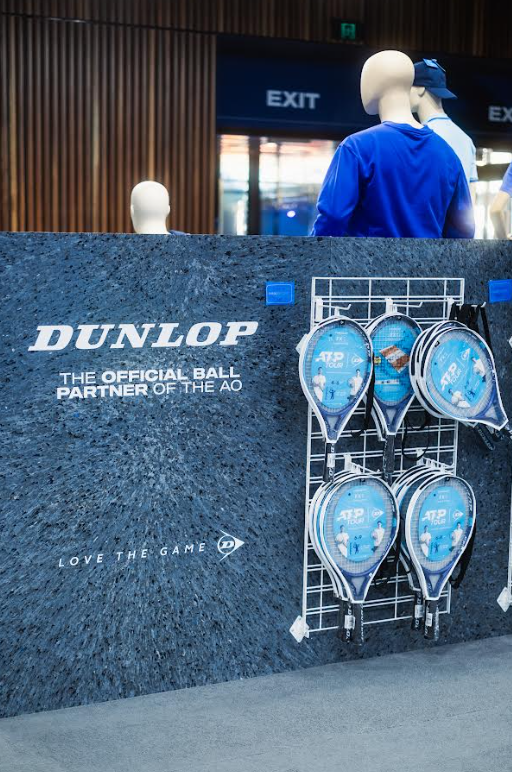
If you’re ready to see how 100% recycled Australian plastic can level up your next project, get in touch with us today. Whether you need custom recycled plastic house numbers for a residential development or bulk crowd barrier fencing for a commercial site, we have the local expertise to help you get it right the first time.