When you’re looking at a quote for a new fit-out, a boardwalk, or industrial furniture, the bottom line usually dictates the decision. On paper, timber looks like the winner every single time. It’s familiar, it’s readily available, and the upfront purchase price is significantly lower than high-quality recycled plastic sheets and recycled plastic board (rHDPE).
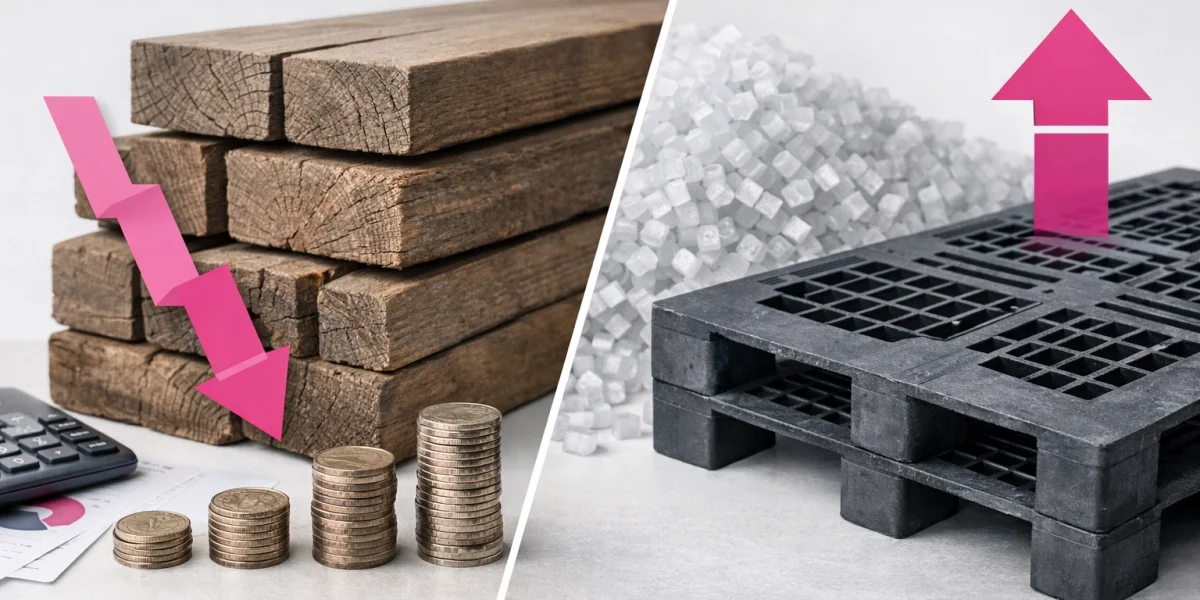
But as the CEO of Resourceful Living, I see businesses fall into the "timber trap" week after week. They save 40% on day one, then spend multiples more across the next decade in maintenance labour, downtime, and replacement cycles.
If you aren’t looking at the Total Cost of Ownership (TCO) (and the payback period), you aren’t seeing the full picture. In this post, I’m going to pull back the curtain on the hidden "maintenance tax" of timber and show you why switching to recycled plastic materials is one of the most practical sustainable construction materials Australia can adopt: because it’s not just greener, it’s typically cheaper over the asset’s life.
The "Timber Tax": What You’re Actually Paying For
Timber is a biological material. The second it’s installed: especially outdoors: it begins to degrade. To slow down that process, you enter into a high-cost relationship with the material that lasts until the day it’s hauled off to a skip bin.
Here is what the "cheap" timber option actually costs you:
- Oiling and Staining: To prevent rot and UV degradation, timber needs treatment every 12 to 18 months.
- Labour Costs: You aren't just buying the oil; you’re paying a team (or a contractor) to sand, prep, and apply it. In Australia, labour is often your highest expense.
- Structural Failures: Timber splinters, cracks, and warps. This creates safety hazards that lead to costly repairs or, worse, liability issues in public spaces.
- Pest Control: Termites don’t see a "sustainable timber deck": they see an all-you-can-eat buffet.
The rHDPE Advantage: Set and Forget
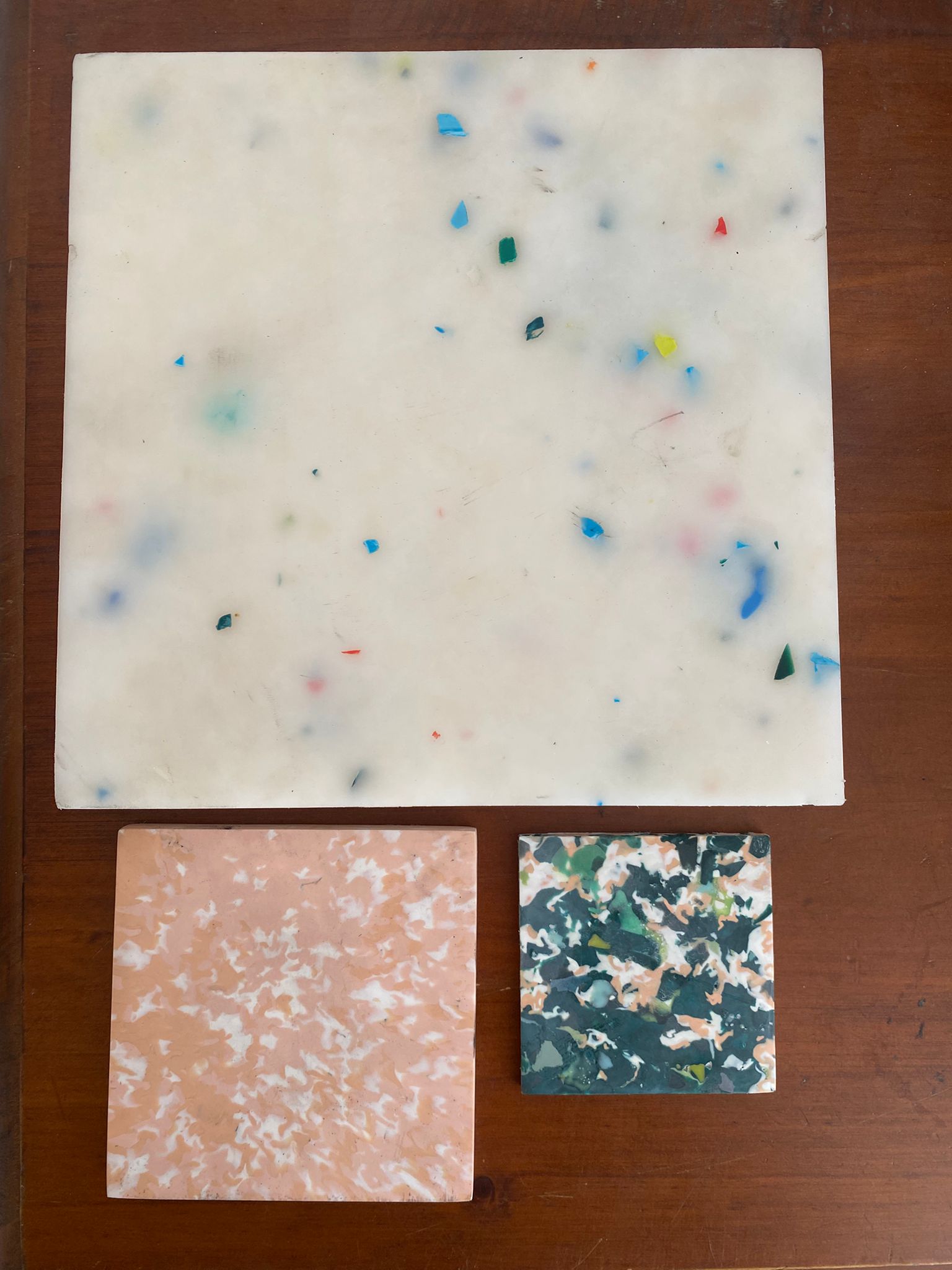
Recycled HDPE (High-Density Polyethylene) is a different beast entirely. Because it’s made from 100% recycled Australian plastic waste, it is inert. It doesn’t react to moisture, it doesn’t rot, and it doesn’t require a weekend of sanding and staining.
When we talk about the ROI of recycled plastic sheets and recycled plastic board, we’re talking about the elimination (or near-elimination) of the maintenance cycle that drives most whole-of-life cost blowouts. Once it’s in, your only "maintenance" is the occasional wash-down if it gets muddy.
For mining operations or local councils, this shift from recurring OpEx (Operating Expenditure) to mostly upfront CapEx (Capital Expenditure) is a big deal for annual budgets.
If timber forces you into a maintenance programme, rHDPE lets you buy performance once and stop paying the "annual penalty".
How to Calculate Total Cost of Ownership (TCO)
To truly compare these materials, you need to use the TCO formula. Stop looking at the invoice price and start looking at the lifetime cost.
The Formula:
TCO = (Initial Purchase + Installation) + (Annual Maintenance x Years of Service) + (Replacement Cost x Number of Cycles)
Let’s look at a 50-year horizon for a standard commercial project:
1. The Timber Lifecycle (The 7-Year Itch)
In Australian conditions, external timber typically has a functional life of about 7 to 10 years before it requires significant structural replacement.
- Initial Cost: $10,000
- Maintenance: $1,500 (Labour + Materials) every 2 years = $37,500 over 50 years.
- Replacements: Timber will likely need to be replaced 6 times over 50 years. At $10,000 per pop (plus removal costs), that’s an additional $60,000+.
- 50-Year Total: Well over $100,000.
2. The rHDPE Lifecycle (The 50-Year Standard)
Our recycled plastic sheets and recycled plastic board (rHDPE) are designed to last 50+ years.
- Initial Cost: $18,000 (roughly 1.8x the cost of timber).
- Maintenance: $0. No oiling, no staining, no sanding.
- Replacements: 0. The material is still structurally sound five decades later.
- 50-Year Total: $18,000.
The Result: Even with a higher upfront cost, recycled plastic is nearly 80% cheaper over its lifespan.
A quick ROI lens (payback period)
If timber costs you $1,500 every 2 years in maintenance, that’s **$750 per year** on average (before you even talk replacements). The rHDPE option in this example has a $8,000 upfront premium ($18,000 – $10,000).
- Simple payback (maintenance-only): $8,000 / $750 ≈ 10.7 years
- Real-world payback (when replacements, closures, defects, and rework show up): often earlier, because timber’s big costs usually hit in chunks (repairs and replacement cycles), not neatly spread.
✅ If your asset needs to last 10+ years, you’re already in ROI territory.
✅ If your asset needs to last 20–50 years, timber’s "cheap" price often becomes the most expensive line item on the project.
Why rHDPE Outperforms Timber in Heavy-Duty Environments
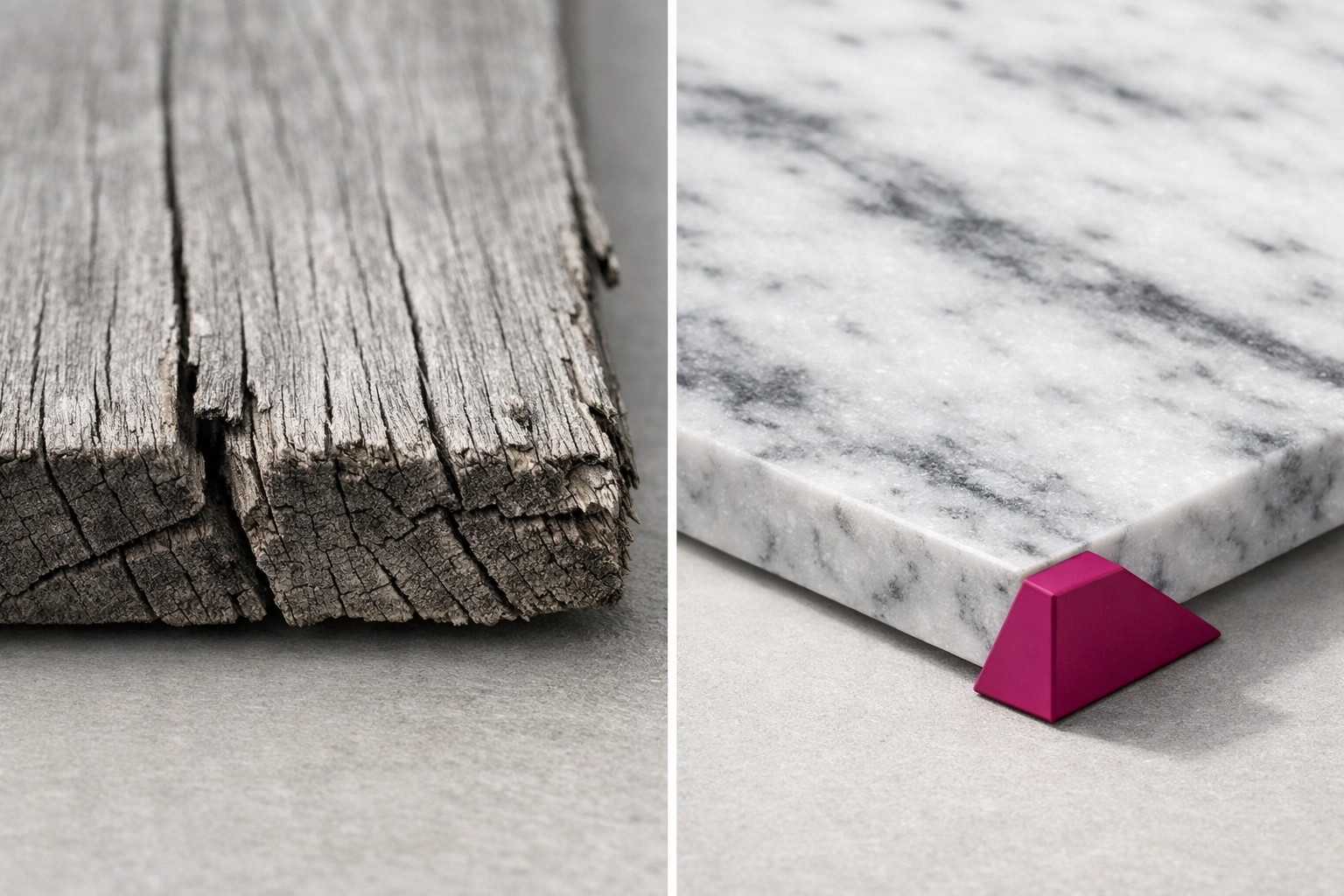
Beyond the spreadsheet, there are physical reasons why rHDPE wins. If you’re managing a site where durability is non-negotiable, timber is often a liability.
This is where sustainable construction materials Australia conversations get practical: performance is what drives the cost-benefit analysis, not the label on the spec sheet.
- Chemical Resistance: rHDPE is resistant to most oils, acids, and solvents. This makes it ideal for mining rehabilitation products and industrial flooring.
- Moisture Proof: Timber absorbs water, which leads to swelling and internal rot. rHDPE is 100% waterproof. It can be submerged indefinitely without losing structural integrity.
- UV Stability: We use high-quality UV stabilisers in our manufacturing process, ensuring the material doesn't become brittle in the harsh Australian sun.
- Consistency: Unlike timber, which has knots, grain defects, and sapwood, every sheet of rHDPE is uniform. There’s no wastage from "bad boards."
Avoiding Common Procurement Mistakes
I often see procurement officers make the mistake of choosing "cheaper" sustainable alternatives that don't meet the performance standards of rHDPE. If you’re making the switch, avoid these 7 common mistakes when choosing sustainable materials.
The biggest mistake? Failing to account for the "End of Life" cost.
When timber fails, it goes to landfill, often incurring heavy disposal fees. When an rHDPE installation finally reaches the end of its life (decades from now), it is 100% recyclable. At Resourceful Living, we offer a take-back program, meaning your old infrastructure becomes the raw material for your next project. This is a closed-loop ESG solution that adds even more value to your brand's sustainability reporting.
The Intangible ROI: Safety and Aesthetics
While we love a good spreadsheet, ROI isn't just about dollars. It’s about the experience of the people using the space.
- Safety: No splinters means no injuries. For councils building playgrounds or schools building outdoor seating, this is a massive win.
- Vandalism Resistance: Graffiti is much easier to remove from plastic than from porous wood. A quick wipe with a solvent usually does the trick without damaging the surface.
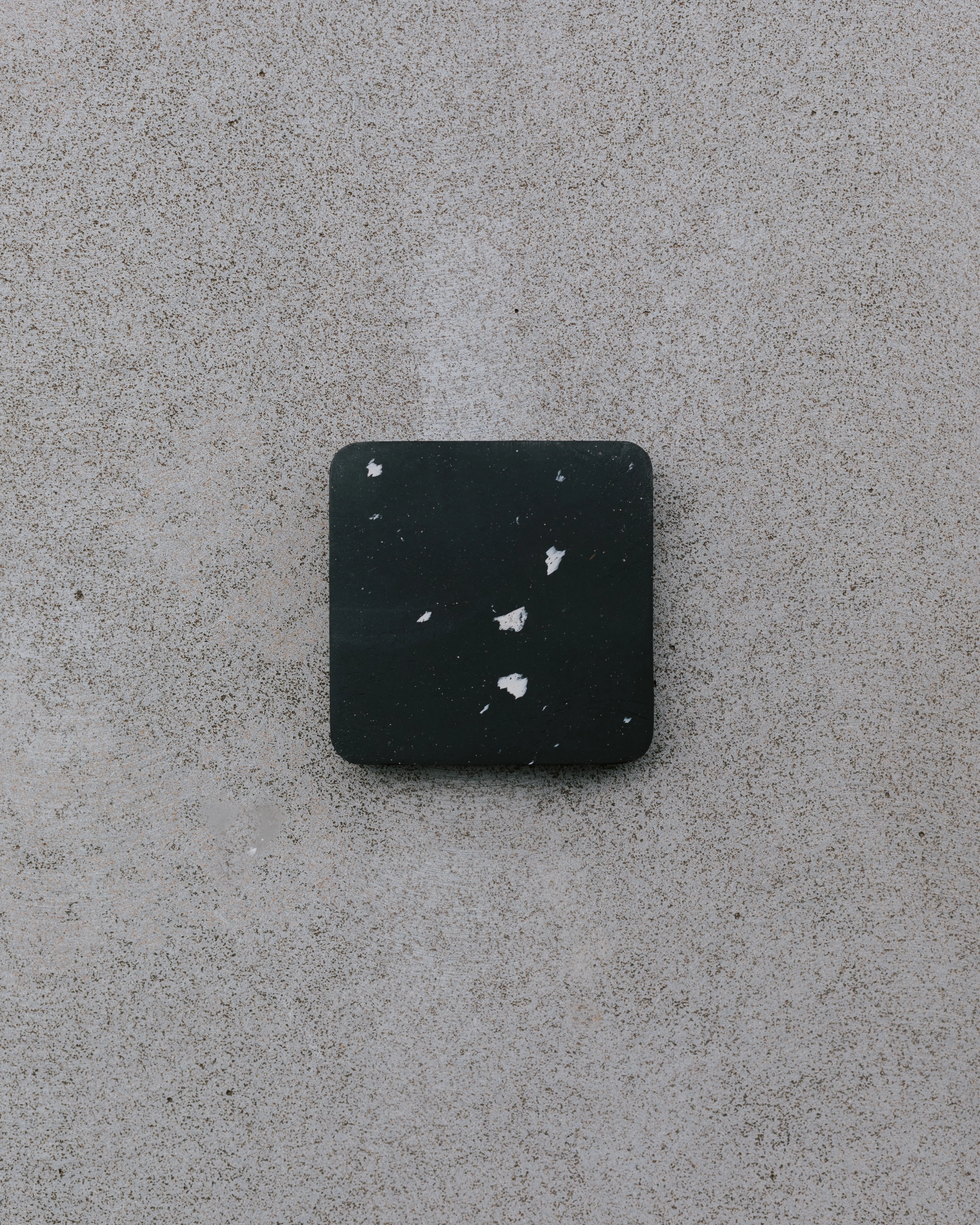
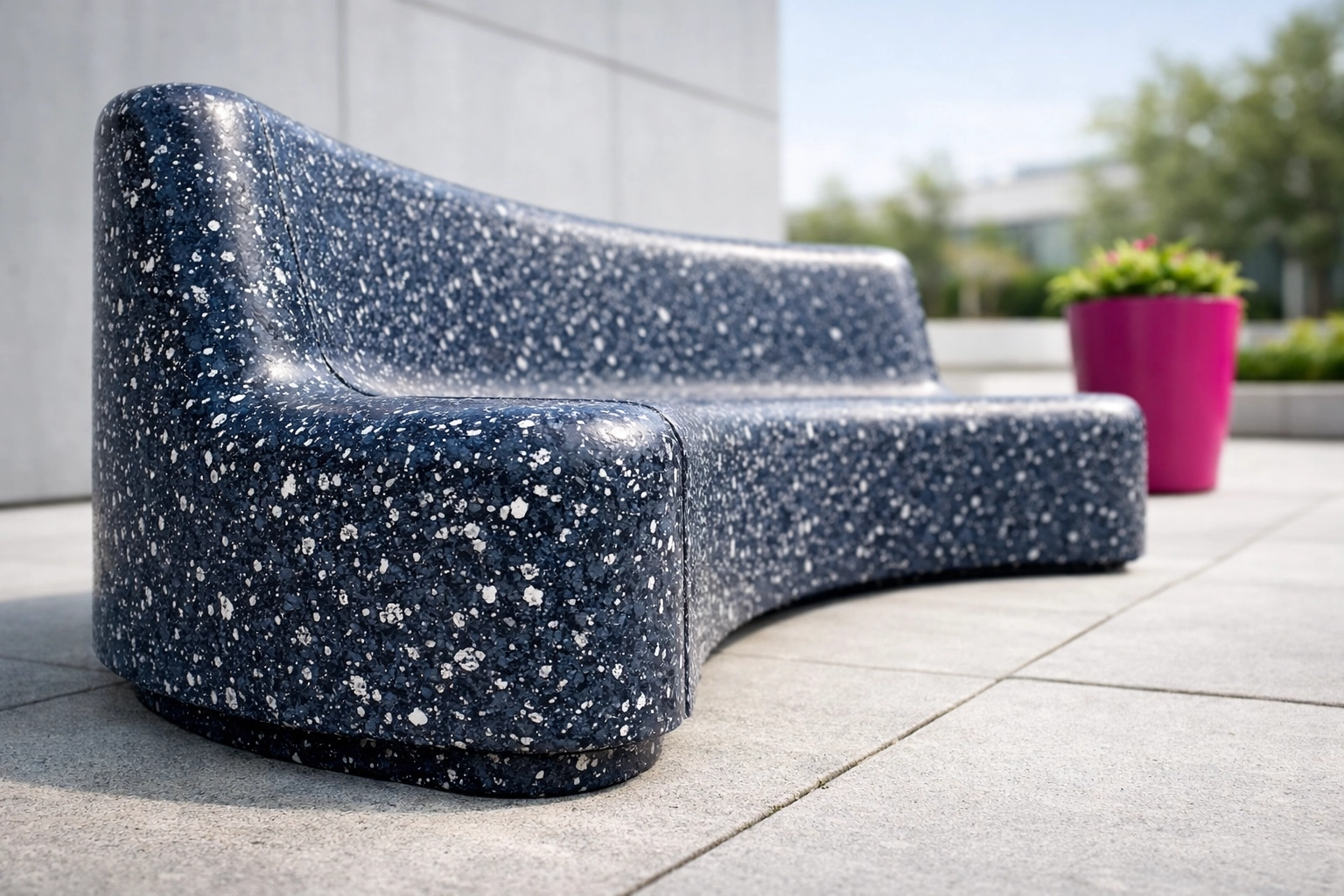
- Modern Aesthetics: Our panels, like the 100% recycled plastic panels, offer a unique, marbled aesthetic that timber simply can't match. It tells a story of innovation and circularity that resonates with modern consumers.
Summary Comparison: Timber vs. rHDPE (Cost-Benefit Snapshot)
| Feature | Timber (Hardwood/Treated) | Recycled HDPE (Resourceful Living) |
|---|---|---|
| Initial Purchase Price | Low | Medium – High |
| Maintenance Frequency | Every 1-2 Years | Never |
| Labour Costs | High (Ongoing) | Low (Installation only) |
| Life Expectancy | 7–12 Years | 50+ Years |
| Termite/Rot Resistance | Low | 100% Resistant |
| Sustainability | Variable (Deforestation) | High (Waste diversion/Circular) |
| ROI drivers | Ongoing upkeep + replacement cycles | Maintenance avoidance + long service life |
| Total Cost over 20 years | High | Low |
Time to Run the Numbers
If you are currently specifying materials for a project, I challenge you to run a 10-year maintenance forecast. Don't just look at the quote on your desk: look at the invoices you'll be paying in 2029 and 2033 to keep that project looking decent.
Here’s a simple, practical checklist you can hand to your team (or your contractor) to tighten the cost-benefit analysis:
- Define service life (10, 20, 50 years) and write it into the spec.
- Price maintenance properly (labour + site access + shutdowns + traffic management + coatings).
- Model replacement cycles (including removal/disposal fees and reinstatement time).
- Add risk costs (splinters, trip hazards, warped boards, termite/rot remediation).
- Include end-of-life value (landfill vs take-back and remanufacture).
At Resourceful Living, we help businesses navigate this transition every day: from recycled plastic sheets and recycled plastic board for infrastructure, through to recycled plastic furniture for public spaces and commercial sites. Whether you're trying to win government tenders or you simply want to stop burning budget on maintenance, this is one of the most reliable pathways to better ROI in sustainable construction materials Australia.
Ready to see what the numbers look like on your job?
Check out our Tier 1 Council Specifier Guide or reach out to our team for a custom TCO and payback analysis for your next build.
Stop paying the "timber tax" and start investing in a material that works as hard as you do.
By Jess Hodge
CEO, Resourceful Living