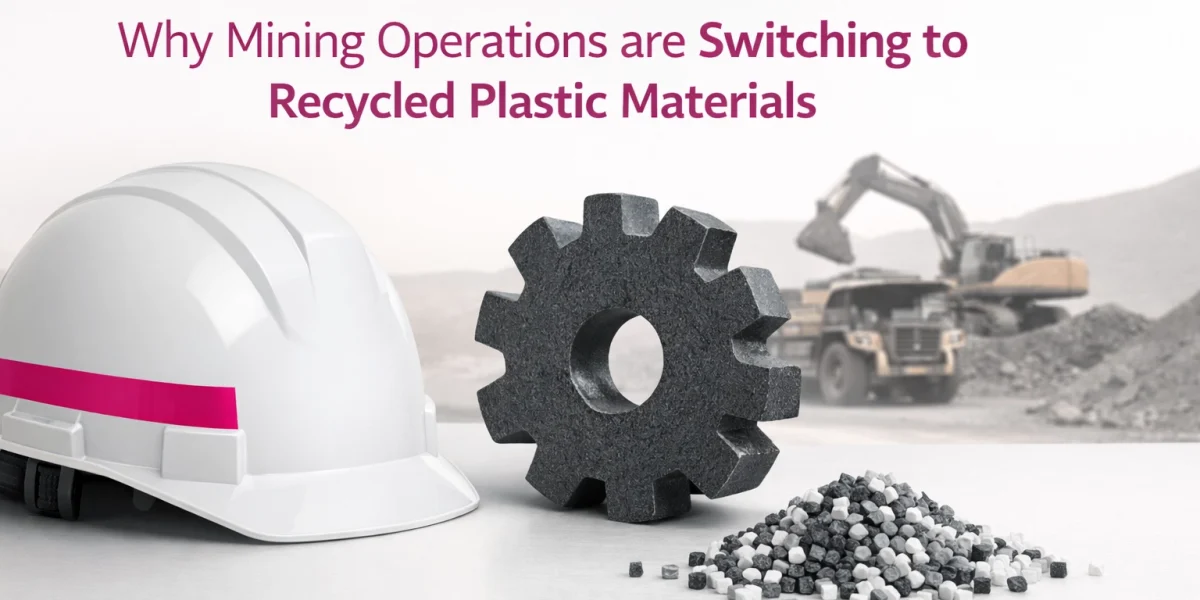
For decades, the mining industry has relied on a standard toolkit of materials: steel, concrete, and timber. While these materials have served their purpose, the operational reality of a modern Australian mine site: characterised by extreme UV exposure, corrosive dust, and heavy chemical contact: often pushes these traditional materials to their breaking point.
As companies move toward more aggressive ESG (Environmental, Social, and Governance) targets, there is a growing realisation that "toughness" doesn't have to come at the expense of the environment. In fact, 100% recycled plastic construction materials are proving to be more durable in harsh conditions than the very materials they are replacing.
At Resourceful Living, we are seeing a significant shift in procurement. Tier 1 and Tier 2 mining operators are no longer looking at recycled plastic as a "green alternative": they are looking at it as a high-performance engineering solution.
The Harsh Reality of Site Infrastructure
Mining environments are arguably the most demanding testing grounds for any building material. Whether it’s an open-cut coal mine in the Hunter Valley or a remote iron ore operation in the Pilbara, materials face a constant barrage of:
- Corrosive Chemicals: Tailings, processing reagents, and saline groundwater eat through steel and degrade concrete.
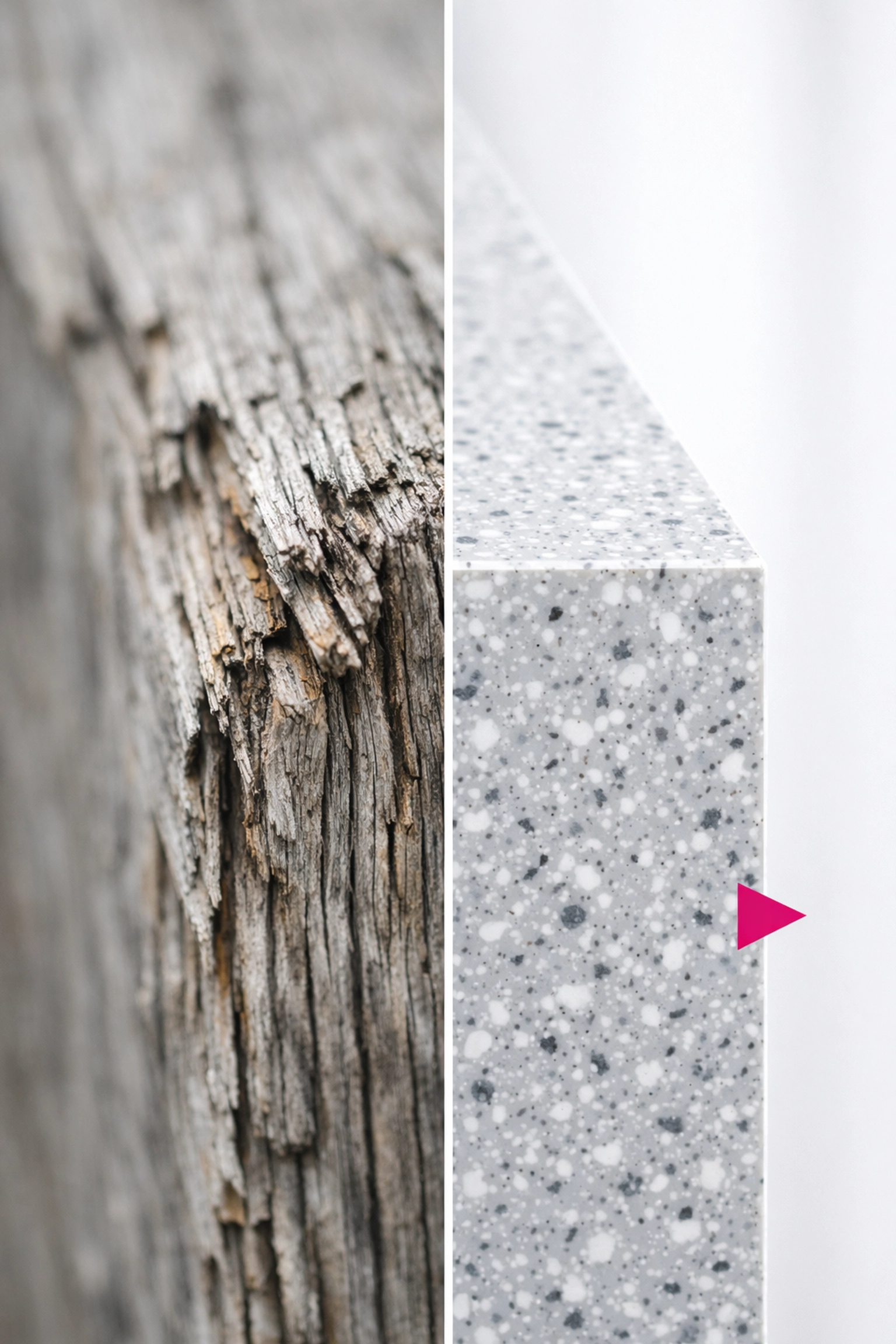
- Extreme Thermal Cycling: Massive temperature swings between day and night cause timber to warp and crack.
- High Impact Loads: Heavy machinery and falling debris require materials with high fracture toughness.
This is where recycled plastic sheets and panels excel. Unlike steel, they don't rust. Unlike timber, they don't rot or attract pests. By switching to high-density recycled polymers, sites can significantly reduce their maintenance cycles and total cost of ownership.

Performance Specs: Why Recycled Plastic Sheets Outperform Virgin Materials
There’s a common misconception that recycled plastic is "weaker" than virgin plastic. The data suggests otherwise. High-quality recycled plastic construction materials often exhibit superior heat resistance and structural integrity because the polymers have been refined through their previous lifecycles.
1. Chemical and Radiation Resistance
Recycled plastic (specifically HDPE and LDPE) is naturally inert. It doesn't react with most acids, bases, or salts. This makes it the ideal candidate for chemical storage areas and secondary containment liners where traditional materials would require expensive specialized coatings.
2. UV Stability and Thermal Management
Australian sun is brutal. Most plastics degrade under UV light, but Resourceful Living’s manufacturing process ensures that our panels are built to withstand high-UV environments without becoming brittle. Furthermore, recycled plastic has a lower thermal conductivity than steel, meaning it remains cooler to the touch in extreme heat: a critical safety factor for site furniture and handrails.
3. Impact Absorption
Steel is rigid. When it’s hit, it dents or shears. Recycled plastic panels have a degree of "memory." They can absorb significant impacts and return to their original shape, or at the very least, prevent the catastrophic fracturing seen in timber or composite boards.
"The shift toward recycled materials in mining isn't just about 'looking green.' It's about finding materials that don't need to be replaced every two years because of corrosion or rot." : Jess Hodge, CEO, Resourceful Living
Core Applications on the Mine Site
Where exactly are these recycled plastic sheets being deployed? The versatility of the material allows it to be cut, routed, and joined just like timber, but with the lifespan of a polymer.
Erosion Control and Site Rehabilitation
Mining rehabilitation is a massive focus for the industry. Our recycled plastic rehabilitation products for mining are used to create stable structures that assist in soil retention and water management. Because the material doesn't leach chemicals into the ground, it is safe for long-term environmental placement.
On-Site Infrastructure and Safety
Safety is the number one priority. We are seeing a huge uptake in:
- Recycled plastic wheel stops: Unlike concrete, these won't crack or crumble under the weight of heavy vehicles.
- Signage and Markers: High-visibility panels that don't fade or rust.
- Conveyor Components: Noise reduction and wear-strips that offer low-friction surfaces.
Heavy-Duty Workstations and Furniture
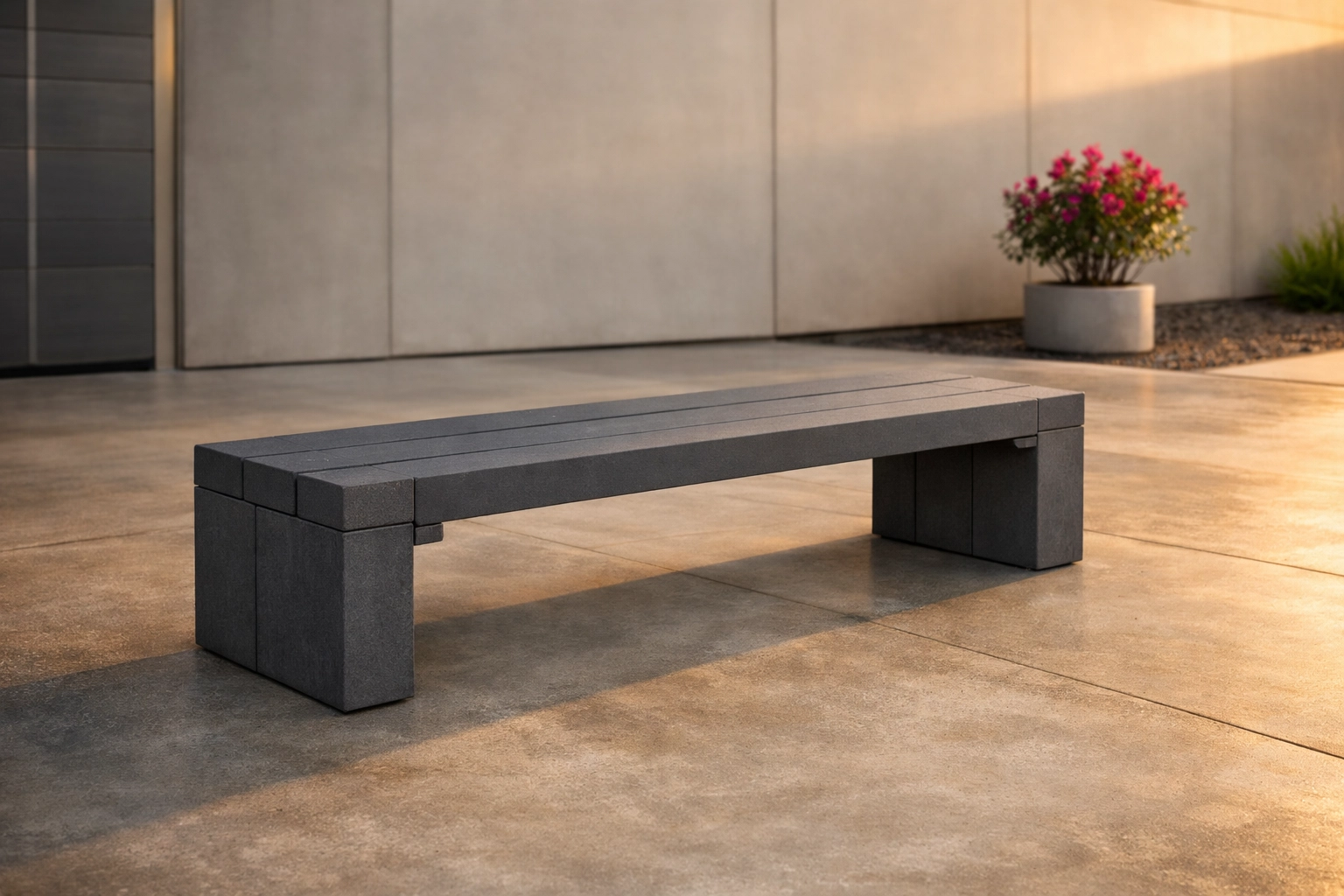
The "crib room" and outdoor break areas are often neglected. However, using 100% recycled panels for tables, benches, and lockers ensures that these fixtures last for the life of the mine, regardless of the weather.
The ESG Factor: Closing the Loop in Mining
The mining industry is under intense pressure to demonstrate circularity. It's one thing to extract resources; it's another to manage the waste generated by the thousands of workers living and working on-site.
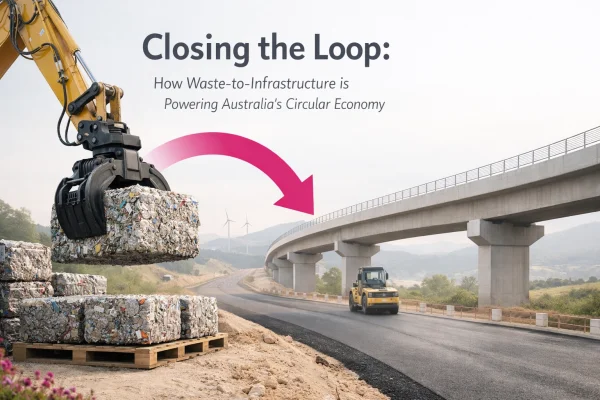
By adopting a circular procurement strategy, mining companies can actually take the plastic waste generated in their own camps: water bottles, detergent drums, and packaging: and see it returned to the site as functional infrastructure.
Reducing Your Carbon Footprint
Manufacturing recycled plastic sheets requires significantly less energy than producing virgin plastic or smelting steel. Every tonne of recycled plastic used represents:
- ✅ Less petroleum extracted.
- ✅ Lower CO2 emissions during the manufacturing phase.
- ✅ Diversion of waste from local landfills (reducing landfill levies).
For companies tracking their Scope 3 emissions, this is a "low-hanging fruit" win. You can learn more about the specific metrics in our guide on the life cycle environmental impact of recycled plastic panels.
Comparing the Costs: Timber vs. Steel vs. Recycled Plastic
When procurement teams look at the initial price tag, they often compare recycled plastic directly to treated pine or mild steel. While the upfront cost of recycled plastic can be higher than low-grade timber, the Total Cost of Ownership (TCO) tells a different story.
| Feature | Timber | Steel | Recycled Plastic |
|---|---|---|---|
| Lifespan | 5-10 years (low) | 10-15 years (subject to rust) | 40+ years |
| Maintenance | Oiling, Painting, Replacing | Sanding, Painting, Rust Treatment | Zero |
| Installation | Easy | Heavy / Requires welding | Easy (standard tools) |
| End-of-Life | Landfill | Scrap | 100% Recyclable |
For a detailed breakdown of these metrics, check out our comparison of recycled plastic vs. timber vs. steel.
How to Implement Recycled Materials on Your Site
Transitioning a site to sustainable materials doesn't happen overnight. It requires a structured approach to ensure the materials meet specific engineering requirements.
- Identify High-Maintenance Zones: Look for areas where you are currently replacing timber or steel every 12-24 months due to environmental degradation.
- Conduct a Waste Audit: See what plastics your site is currently sending to landfill. This could be the feedstock for your future infrastructure. We've created a waste audit template to help you get started.
- Start with "Small Wins": Replace non-structural elements like wheel stops, signage, and site furniture first to prove the durability to your team.
- Partner for ESG Reporting: Work with a manufacturer that provides transparent data on carbon savings. This is a core part of our What is a closed-loop ESG partner program at Resourceful Living.
Conclusion: The Future is Circular
The mining industry has always been about moving material. The next evolution of the industry is about managing material more intelligently. Switching to recycled plastic construction materials isn't just an environmental choice: it's a tactical one.
When you choose materials that don't rust, rot, or degrade, you free up your maintenance teams for more critical tasks and significantly reduce your site's environmental footprint.
Ready to swap your high-maintenance materials for something tougher? Explore our full range of recycled plastic products for mining sites or contact the Resourceful Living team today to discuss custom panel sizes for your next project.