Australian local councils are currently standing at a critical crossroads. On one hand, there is an ever-increasing mountain of soft plastic and hard plastic waste sitting in sheds or heading to landfill. On the other, there is a constant demand for high-quality, durable public infrastructure that can withstand the harsh Australian climate.
For years, these two issues were treated as separate line items in a budget. But a shift is happening. Forward-thinking procurement officers and sustainability managers are now looking at waste not as a liability, but as a raw material.
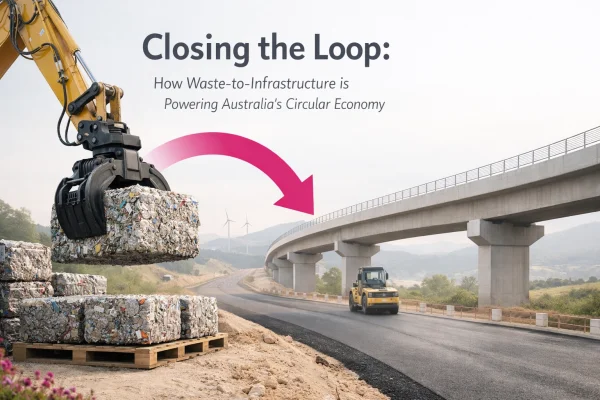
By choosing products from recycled plastic manufacturers in Australia, councils are successfully closing the loop. They are taking the very plastic collected from residents' yellow bins and turning it into park benches, bollards, and signage that will last for decades.
In this guide, we’ll explore why 100% recycled plastic is becoming the preferred choice for Australian public spaces and how it helps local governments meet their ambitious ESG (Environmental, Social, and Governance) targets.
The Problem with Traditional Materials in Public Spaces
Historically, councils have relied on timber, steel, and concrete for outdoor infrastructure. While these materials have served us well, they come with significant "hidden" costs that often only appear five to ten years down the track.
- Timber: Requires regular staining or painting to prevent rot. It is susceptible to termite attacks and splintering, which creates a public liability risk in playgrounds and parks.
- Steel: In coastal regions, salt spray leads to corrosion and rust. Even galvanized steel requires maintenance to stay structurally sound over 20+ years.
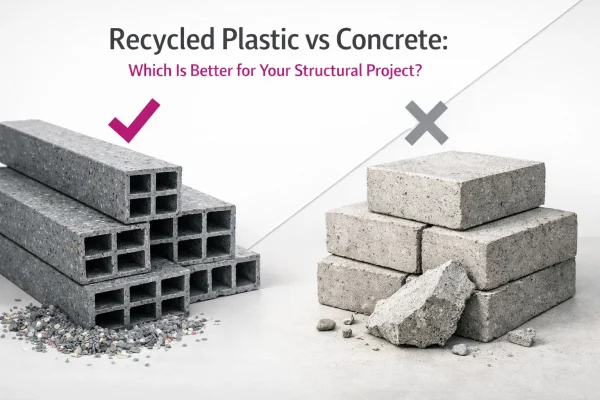
- Concrete: While durable, it has a massive carbon footprint and is prone to cracking and graffiti that is difficult to remove.
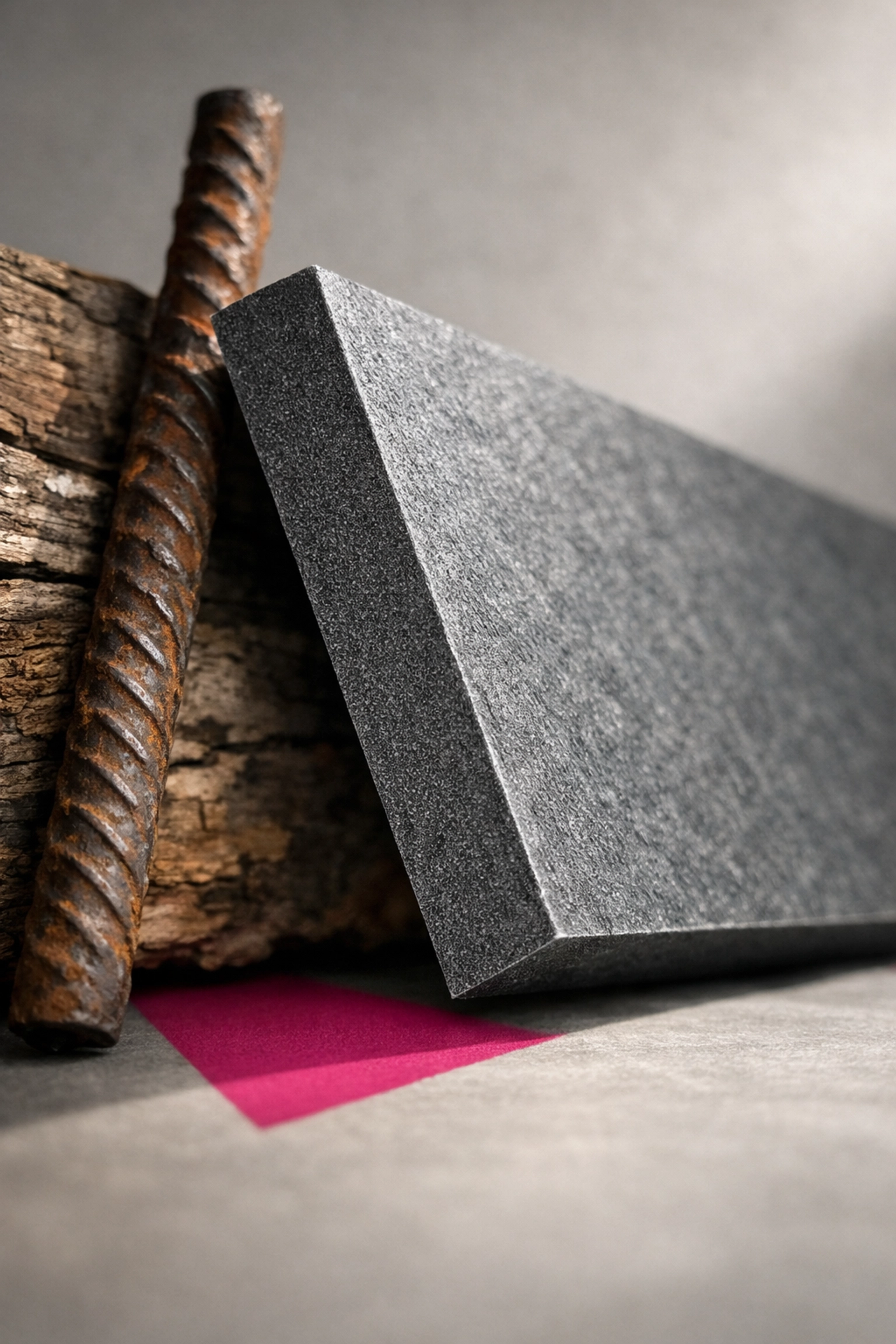
This is where the recycled plastic board enters the conversation as a superior alternative. It offers the structural integrity needed for public use without the heavy maintenance schedule required by organic materials.
Why 100% Recycled Plastic is the Smart Choice for Councils
When we talk about recycled plastic at Resourceful Living, we aren't talking about a "weak" alternative to wood. We are talking about a high-performance material engineered for the outdoors.
1. Zero Maintenance (The "Install and Forget" Model)
One of the biggest drains on council budgets is the ongoing maintenance of public assets. Recycled plastic infrastructure does not rot, rust, or corrode.
- ✅ No Painting or Staining: The colour is integrated into the material during manufacturing.
- ✅ Termite Proof: Because it isn't organic, pests have no interest in it.
- ✅ Graffiti Resistant: Most paints and markers don't bond well with the surface, making it much easier to clean than timber or concrete.
2. Extreme Durability
Australia’s UV index is brutal. Poorly made plastics will become brittle and "chalky" over time. However, high-quality recycled plastic manufacturers in Australia use UV-stabilized resins to ensure that park furniture and signage retain their structural integrity for 40+ years. You can see a detailed breakdown of how this compares to other materials in our guide on recycled plastic vs timber vs steel cost and lifespan.
3. Safety First
For community spaces, safety is non-negotiable. Recycled plastic does not splinter. This makes it the ideal material for boardwalks, jetty planks, and playground seating where children are frequently present.
"The shift toward recycled materials isn't just about 'being green.' It's about fiscal responsibility. By reducing the frequency of replacement and the cost of maintenance, councils are saving ratepayer money over the long term." : Jess Hodge, CEO of Resourceful Living.
Meeting ESG Targets Through Circular Procurement
Every council in Australia now has some form of sustainability or Net Zero target. Often, these goals feel abstract. Buying 100% Australian recycled plastic provides a tangible, visible story for the community.
Closing the Loop Locally
When a council procures infrastructure made from Australian waste, they are supporting a domestic recycled plastic circular economy. This reduces the carbon miles associated with importing materials and ensures that waste collected locally stays within the Australian economy.
Quantifiable Impact
By choosing recycled plastic over virgin materials, councils can report on specific metrics for their ESG filings:
- Tonnes of plastic diverted from landfill.
- Reduction in carbon emissions compared to the production of virgin steel or concrete.
- Support for local manufacturing jobs.
For councils looking to formalize this process, our Closed-Loop ESG Partner Program provides the framework to track and verify these sustainability wins.
Key Applications: What Can You Build?
The versatility of the recycled plastic board means it can be used in almost any application where timber was previously the standard.
Public Signage and Wayfinding
From trailhead markers in national parks to street signs in new estates, recycled plastic is the perfect substrate. It is impact-resistant and holds up against high winds and coastal spray.
Bollards and Fencing
Councils use thousands of bollards to manage traffic and protect pedestrian zones. Recycled plastic bollards are incredibly hardy. Unlike timber, they won't rot at the ground line where moisture accumulates.
Community Furniture
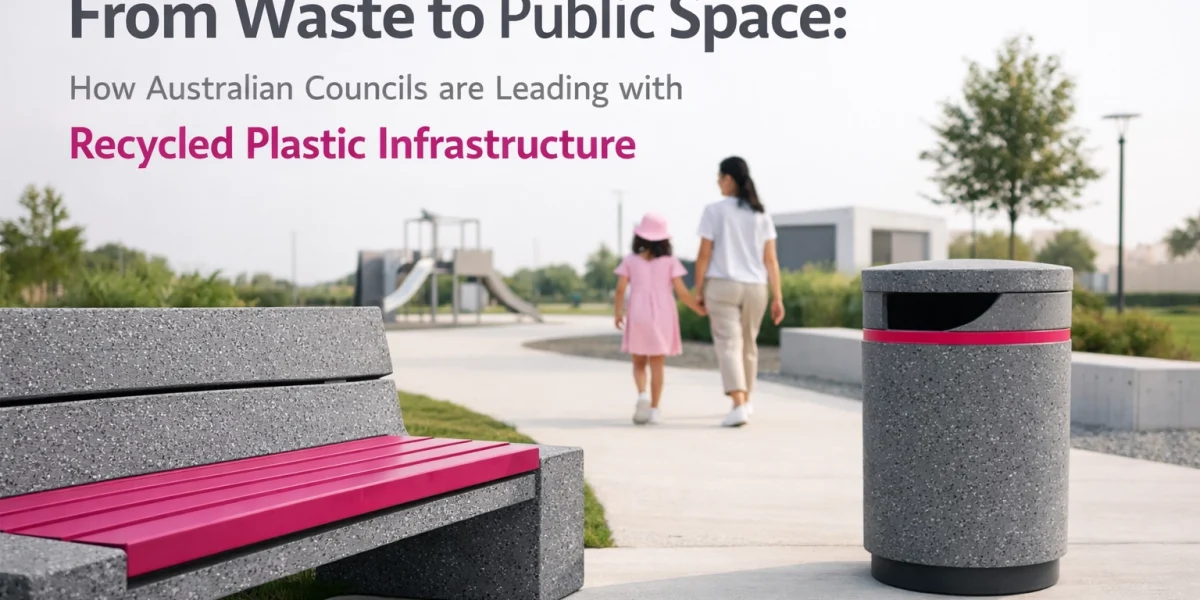
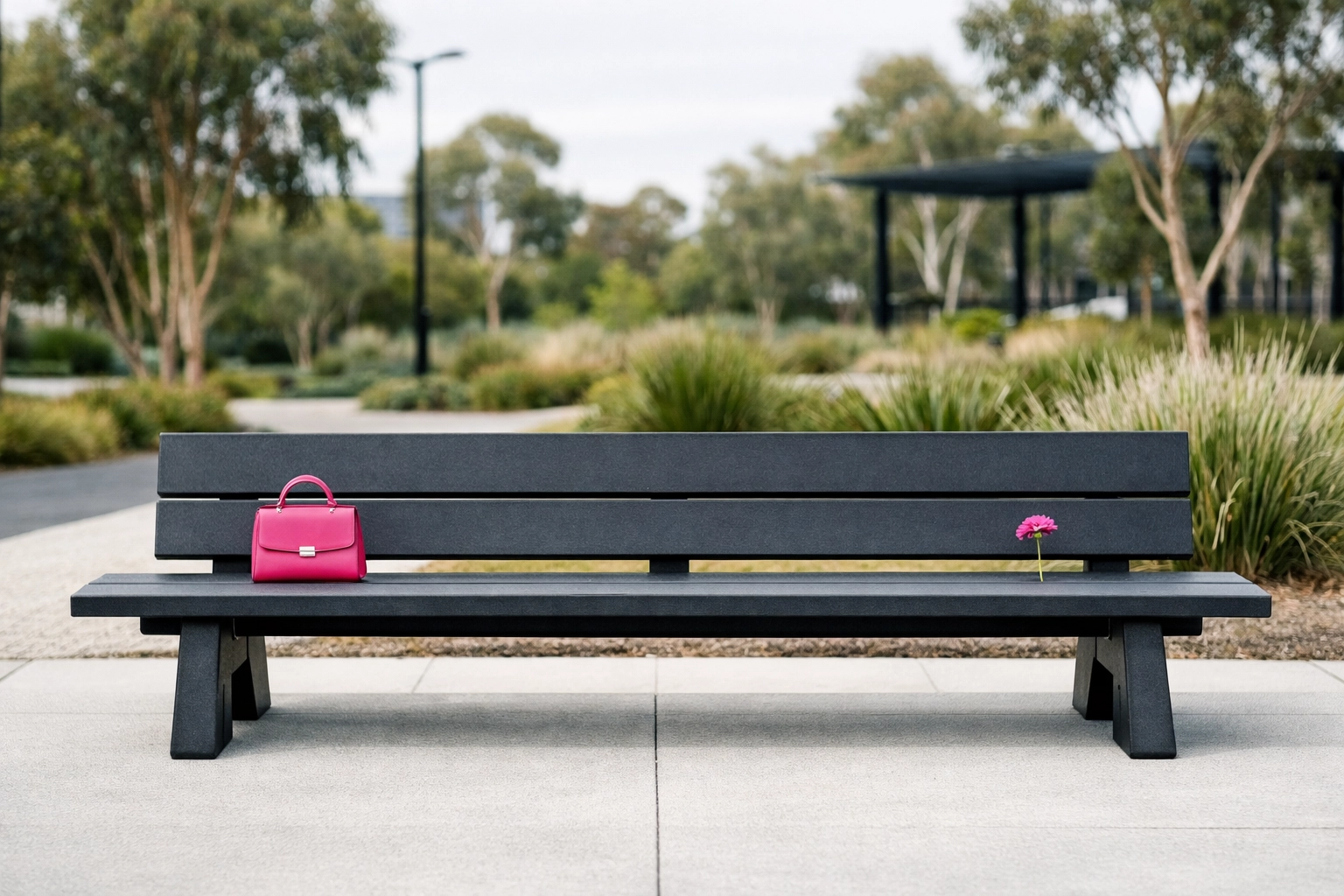
Think park benches, picnic tables, and bin enclosures. These items are the "face" of the council to the residents. Using recycled materials here sends a strong message that the council is proactive about the environment.
Retaining Walls and Garden Edging
Because the material is moisture-proof, it can be buried or used in direct contact with damp soil without any risk of degradation. This makes it perfect for community gardens and landscaping projects.
The Economic Case: Reducing Landfill Costs
It’s a double-sided financial benefit. When councils partner with local manufacturers to process their waste, they are simultaneously reducing landfill costs with circular procurement.
Every tonne of plastic that is "bought back" as a finished product is a tonne that the council doesn't have to pay a landfill levy on. Over a year, for a medium-to-large council, these savings can be substantial.
How to Get Started: The Waste Audit
If your council is looking to transition to more sustainable infrastructure, the first step is understanding your own waste streams. We often recommend that councils start with a simple audit to see what kind of plastic they are currently generating through their own operations or through municipal collection.
You can use our Waste Audit Template to categorize your materials and identify the best opportunities for recycling.
A Legacy for the Next Generation
Infrastructure is about more than just utility; it’s about the legacy we leave for the community. By choosing 100% recycled plastic, councils are demonstrating that they are forward-thinking, fiscally responsible, and committed to a cleaner Australia.
At Resourceful Living, we work closely with local governments to provide the high-grade materials and finished products needed to build the public spaces of the future. Whether it's custom furniture or standard-issue bollards, we ensure that every piece of plastic we process has a permanent, useful home.
The transition from waste to public space isn't just a dream for the future; it's happening right now across Australia. Is your council part of the revolution?
Ready to lead the way in your LGA?
- Explore our range of recycled plastic panels for commercial and public use.
- Learn about the Life Cycle Environmental Impact of our products.
- Contact us today to discuss how we can help your council close the loop.
The transition from waste to public space isn't just a dream for the future; it's happening right now across Australia. Is your council part of the revolution?