
Australia is currently in the middle of a massive shift toward green construction. Whether it’s a government-mandated infrastructure project or a private commercial fit-out, the demand for sustainable materials has never been higher.
But here’s the reality: just because a product has a "green" label doesn't mean it's the right choice for your project. In my time leading Resourceful Living, I’ve seen plenty of well-intentioned developers and builders fall into the same traps. They want to do the right thing, but they end up with materials that fail prematurely, blow out the budget, or: worst of all: aren't actually sustainable at all.
If you’re looking to lead the way in the future of sustainable building, you need to avoid these seven common mistakes.
1. Prioritising Upfront Price Over Lifecycle Value
It’s the oldest trap in the book. When you’re looking at a spreadsheet, a cheaper material like MDF or standard plywood often looks like the winner. However, in the construction world, cheap usually means high maintenance.
Materials that absorb water, swell, or require constant sanding and resealing will eventually cost you double (or triple) in labour and replacement costs. In contrast, 100% recycled plastic panels are essentially "set and forget." They don't rot, they don't need oiling, and they withstand the harsh Australian sun.
"The most sustainable building is the one you don't have to rebuild in five years."
The Fix: Always evaluate the Total Cost of Ownership. When you compare recycled plastic vs timber vs steel, factor in the lifespan and the zero-maintenance requirements. You’ll find that the "expensive" sustainable option is actually the most economical choice over a ten-year horizon.
2. Falling for the "Greenwashing" of Imported Products
We see it all the time: a product is marketed as "eco-friendly" but is shipped from the other side of the planet. If your "sustainable" material has a massive carbon footprint just from the logistics of getting it to Sydney or Perth, is it really sustainable?
Many imported materials also lack traceability. You don’t truly know what’s in them or if they meet Australian standards for fire safety and structural integrity.
The Fix: Source locally. Choosing eco-friendly building products in Australia ensures you’re supporting local industry while drastically reducing transport emissions. At Resourceful Living, we manage the entire process right here in Australia: from collecting the waste to manufacturing the final panels.
3. Ignoring Recycled Content Percentages
This is a subtle one. A manufacturer might claim their product is "made with recycled content," but when you look at the fine print, it’s only 5% or 10%. The rest is virgin material or, worse, non-recyclable fillers.
This doesn't move the needle on the circular economy. It’s a token gesture designed to tick a box on a procurement form rather than provide a real environmental solution.
The Fix: Demand transparency. Ask for the exact percentage of recycled content. Our panels are 100% recycled plastic, made from Australian post-consumer and industrial waste. If a supplier can't give you a clear percentage and a source for their waste stream, keep looking.
4. Getting the Specs Wrong (Thickness and Application)
Not all sustainable materials are "all-rounders." A common mistake is using a material that is too thin for the intended load or failing to account for the specific environment it will live in.
For example, using a 10mm panel for a high-traffic benchtop is a recipe for warping. Conversely, using a heavy-duty 50mm slab for a simple decorative screen is a waste of resources and money.
The Fix: Match the thickness to the function.
- 10mm – 15mm: Perfect for signage, wall cladding, and lightweight furniture.
- 20mm – 30mm: The "sweet spot" for benchtops, planter boxes, and office fit-outs.
- 40mm – 50mm: Essential for structural applications like recycled plastic wheel stops or heavy-duty industrial seating.
5. Overlooking the "End-of-Life" Plan
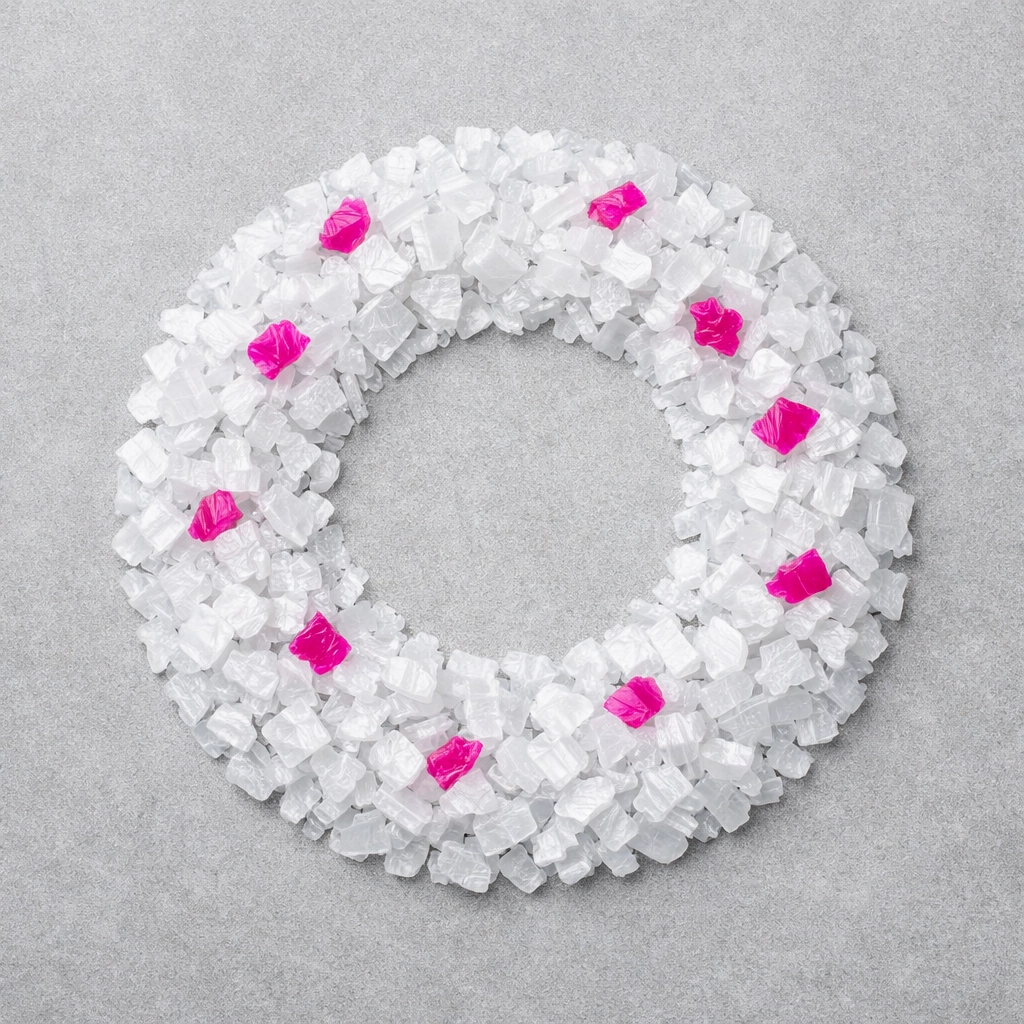
A product isn't truly sustainable if it's destined for a landfill at the end of its useful life. Many "eco-materials" are composites: mixtures of wood fibres, glues, and plastics that are impossible to separate and recycle. They are essentially "zombie materials" that look green but stay in the ground for centuries.
The Fix: Look for a Circular Economy model. Choose materials that are 100% recyclable and, more importantly, choose a manufacturer that offers a take-back programme.
At Resourceful Living, we don't just sell you a product; we offer to take it back at the end of its life to turn it into something new. This is how you truly reduce landfill costs with circular procurement.
6. Poor Installation Practices
Even the best material will fail if it’s installed incorrectly. Recycled plastic, for instance, has a different thermal expansion rate than timber or steel. If you fix it too tightly without allowing for movement, the material will buckle when the Australian summer hits 40 degrees.
The Fix: Follow the manufacturer’s guidelines to the letter. This usually involves:
- Pre-drilling oversized holes to allow for expansion.
- Using the correct adhesives that bond with polymers (like HDPE).
- Ensuring adequate structural support spacing.
If you’re unsure, ask for an installation guide. A reputable manufacturer will always provide one.
7. Choosing Aesthetics Over Performance (or Vice Versa)
It’s easy to get caught up in how a material looks. You want that perfect "marbled" finish for your office lobby, but will it stand up to the UV rays hitting that glass front? Or perhaps you’ve chosen a purely functional material for a mining site that is tough as nails but won't hold its shape in extreme heat.
In high-stakes environments like the mining sector, performance is non-negotiable. Using inferior products for recycled plastic rehabilitation products for mining can lead to safety risks and frequent, costly replacements.
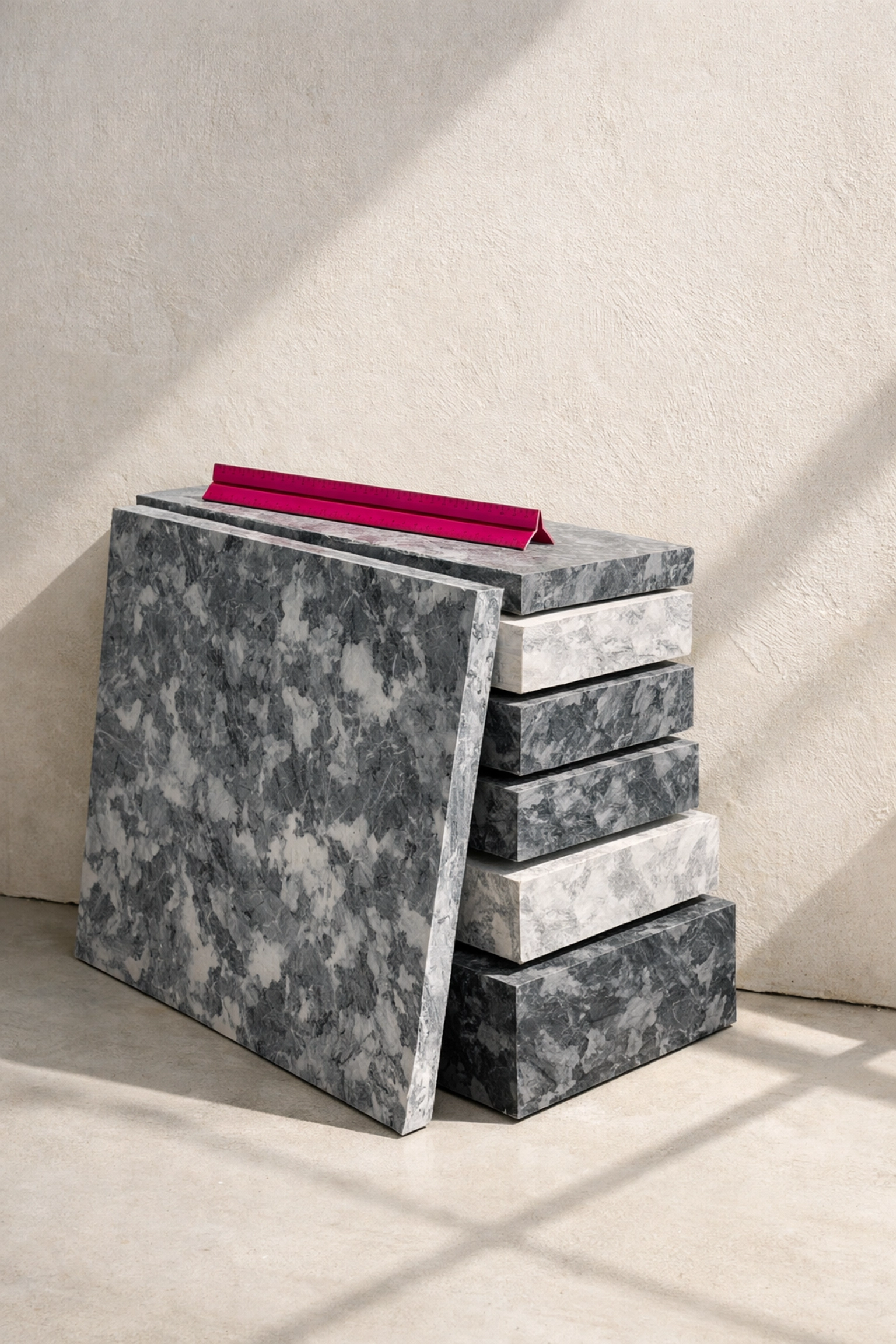
The Fix: Balance form and function. Our recycled plastic panels offer a unique aesthetic: no two are exactly alike: but they are backed by technical data. Whether you need recycled plastic products for mining sites or a high-end commercial fit-out, ensure the material is rated for the specific environmental stressors of your site.
The Checklist for Your Next Project
To ensure you’re making the right choice, run through this quick checklist before you sign off on your next procurement order:
✅ Is it 100% Australian made? (Reduces carbon miles and supports local jobs).
✅ What is the exact percentage of recycled content? (Aim for 100%).
✅ Does the manufacturer offer a take-back programme? (This is the key to a recycled plastic circular economy).
✅ Is the thickness appropriate for the load? (Don't under-spec to save a few dollars).
✅ Can it handle the Australian climate? (Check for UV stability and moisture resistance).
Why Local Matters
At Resourceful Living, we believe that sustainability should be simple. By keeping our manufacturing entirely in-house and using 100% Australian waste, we provide a transparent, high-performance alternative to traditional construction materials. We handle the end-to-end management, so you know exactly where your material came from: and exactly where it can go when you're finished with it.
If you’re ready to stop making these common mistakes and start building for the future, we’re here to help. Whether it's a small boutique project or a large-scale industrial application, the right material makes all the difference.
Want to dive deeper into the data?
Check out our detailed guide on the life cycle environmental impact of recycled plastic panels in Australian construction.
Let’s build something that lasts( without costing the Earth.)