Are looking to take on your next project? Check out these eco-friendly building products in Australia 2026. Looking to create buildings that are future-ready and climate-conscious? These are the top 10 eco-friendly products expected to dominate Australian construction in 2026 combining sustainability with performance.
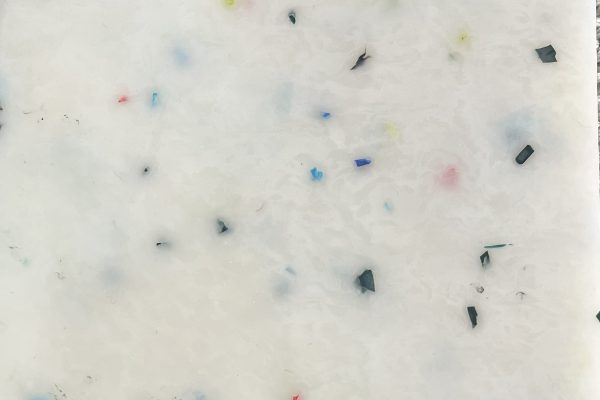
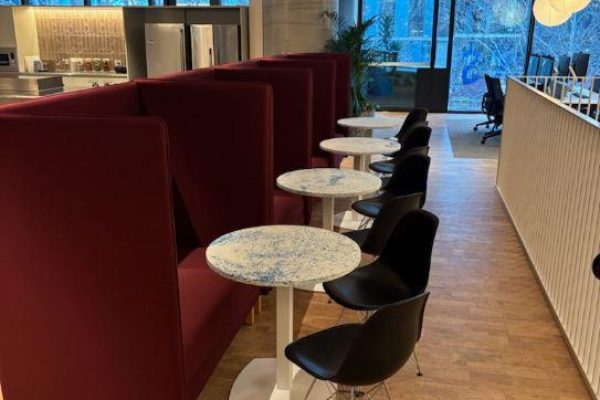
1. Recycled Plastic Panels
Used in everything from decking and fences to park benches and wall linings, these panels are:
- Made from 100% post-consumer plastic waste
- Fully recyclable at end-of-life
- Low-maintenance and long-lasting
- Non-toxic, splinter-free, and UV-resistant
Perfect for commercial and residential applications alike. 👉 Explore recycled plastic panels
2. Cross-Laminated Timber (CLT)
CLT is gaining popularity for mid-rise buildings and structural walls.
- High strength-to-weight ratio
- Made from fast-growing timber species
- Reduced carbon emissions during construction
- Prefabricated for faster site assembly
3. Hempcrete
A biocomposite made of hemp hurds and lime, hempcrete is:
- Carbon-negative during production
- Excellent thermal and acoustic insulation
- Lightweight and fire-resistant
Ideal for infill panels, walls, and insulation in eco homes.
4. Rammed Earth Blocks
These offer:
- Beautiful, natural textures
- Low embodied energy
- High thermal mass
Used in passive homes, rammed earth is both functional and artistic.
5. Recycled Aluminium and Steel
- Infinitely recyclable without quality loss
- Lightweight yet strong
- Often used in framing, cladding, and roofing
These metals save energy in production and support circular economy goals.
6. Bamboo Flooring and Cladding
Bamboo is one of the fastest growing renewable materials.
- Durable and naturally water-resistant
- Carbon-sequestering during growth
- Stylish and warm in interior spaces
7. Mycelium Insulation and Panels
Mycelium the root structure of fungi is revolutionising insulation.
- Biodegradable and naturally fire-resistant
- Grown from agricultural waste
- Excellent sound and temperature regulation
Still emerging, but gaining traction among eco-innovators.
8. Low-VOC Paints and Adhesives
Volatile organic compounds (VOCs) contribute to poor indoor air quality.
- Low-VOC options reduce health risks
- Available in many commercial and residential ranges
Look for paints with GreenTag or GECA certifications.
9. Solar Roof Tiles
Instead of bulky solar panels, roof tiles integrate seamlessly.
- Generate power while maintaining aesthetics
- Suitable for new builds and retrofits
Tesla and other providers are now offering more accessible options.
10. Smart Greywater and Rainwater Systems
Water conservation is key for future-ready buildings.
- Greywater recycling for toilets and irrigation
- Rainwater collection integrated into roofing
- Helps meet sustainability codes and reduce utility bills
Why These Products Matter
In 2026 and beyond, building materials must offer more than just structural integrity, they must also:
- Reduce operational and embodied carbon
- Support occupant health and comfort
- Contribute to Green Star and NABERS targets
These top 10 products meet those goals across different construction types.
📌 Need help choosing? Start with recycled plastic panels for versatile, low-maintenance performance.
How to Integrate These Materials into Your Projects
- New builds: Plan eco-materials into your design stage to meet compliance
- Renovations: Upgrade flooring, decking, or façades with recycled options
- Commercial spaces: Use low-VOC paints, smart water systems, and recycled plastic fixtures
Internal coordination with architects and sustainability consultants can help specify the right solutions.
Eco-friendly construction is no longer a niche, it’s the new normal. Builders who adapt early will:
- Attract forward-thinking clients
- Reduce long-term costs
- Position themselves as sustainability leaders
For an overview of how these materials fit into your wider strategy, return to the Ultimate Guide to Sustainable Building Materials in Australia.
✅ View recycled plastic options ready for immediate delivery