
Choosing recycled plastic furniture for your next commercial fit-out or home renovation is a massive win for the planet. You’re diverting waste from landfills, supporting a circular economy, and investing in a material that: theoretically: lasts a lifetime.
But here’s the reality: not all recycled plastic is created equal.
As the industry grows, we’re seeing a surge in products that look sustainable but fail on a structural or environmental level within just a few years. Whether you are a procurement officer for a local council or a designer looking for bespoke recycled plastic panels, making the wrong choice can lead to "greenwashing" accusations, wasted budgets, and more plastic in the bin.
At Resourceful Living, we’ve spent years perfecting the science of 100% recycled material manufacturing. We’ve seen where the industry gets it wrong. Here are the seven most common mistakes people make when buying or specifying recycled plastic furniture: and exactly how you can avoid them.
1. Buying "Hybrid" Materials with Hidden Additives
Many products marketed as "recycled plastic" are actually composites. They might contain wood fibres (WPC), resins, or chemical glues to hold a veneer in place.
The Mistake: Choosing furniture that uses a recycled plastic core but finishes it with a non-recyclable laminate or veneer. Once you glue a different material onto a plastic sheet, you've created a "monstrosity" that can no longer be recycled at its end-of-life.
The Fix: Look for 100% pure recycled plastic sheets. Our panels are made from single-stream post-industrial and post-consumer waste: no glues, no toxins, and no additives. When the material is pure, it remains 100% recyclable, forever. Check out The Designer’s Cheat Sheet to understand why purity is the golden rule of circularity.
2. Ignoring UV Stability in the Australian Climate
The Australian sun is a beast. Many imported recycled plastic products are designed for European or North American climates. Without the right UV stabilisers, plastic furniture can become brittle, fade, or "chalk" within a single summer.
The Mistake: Assuming all plastic is naturally weather-proof. Low-quality recycled HDPE (High-Density Polyethylene) without proper UV treatment will degrade under intense UV radiation.
The Fix: Specify furniture made from materials tested for the Australian environment. At Resourceful Living, our recycled plastic boards are engineered to withstand high UV indices. Because our colour is "baked in" throughout the entire sheet: not just printed on the surface: even if the top layer wears slightly over decades, the colour remains vibrant.
3. Treating Recycled Plastic Like Timber
We often see people trying to maintain recycled plastic furniture with the same oils, stains, and harsh chemicals they use for timber decks.
The Mistake: Using abrasive cleaners or oil-based stains. Plastic is non-porous; oils won't soak in: they'll just create a sticky, dirt-attracting film on the surface. Worse, harsh chemicals like bleach or ammonia can dull the finish of your recycled plastic panels.
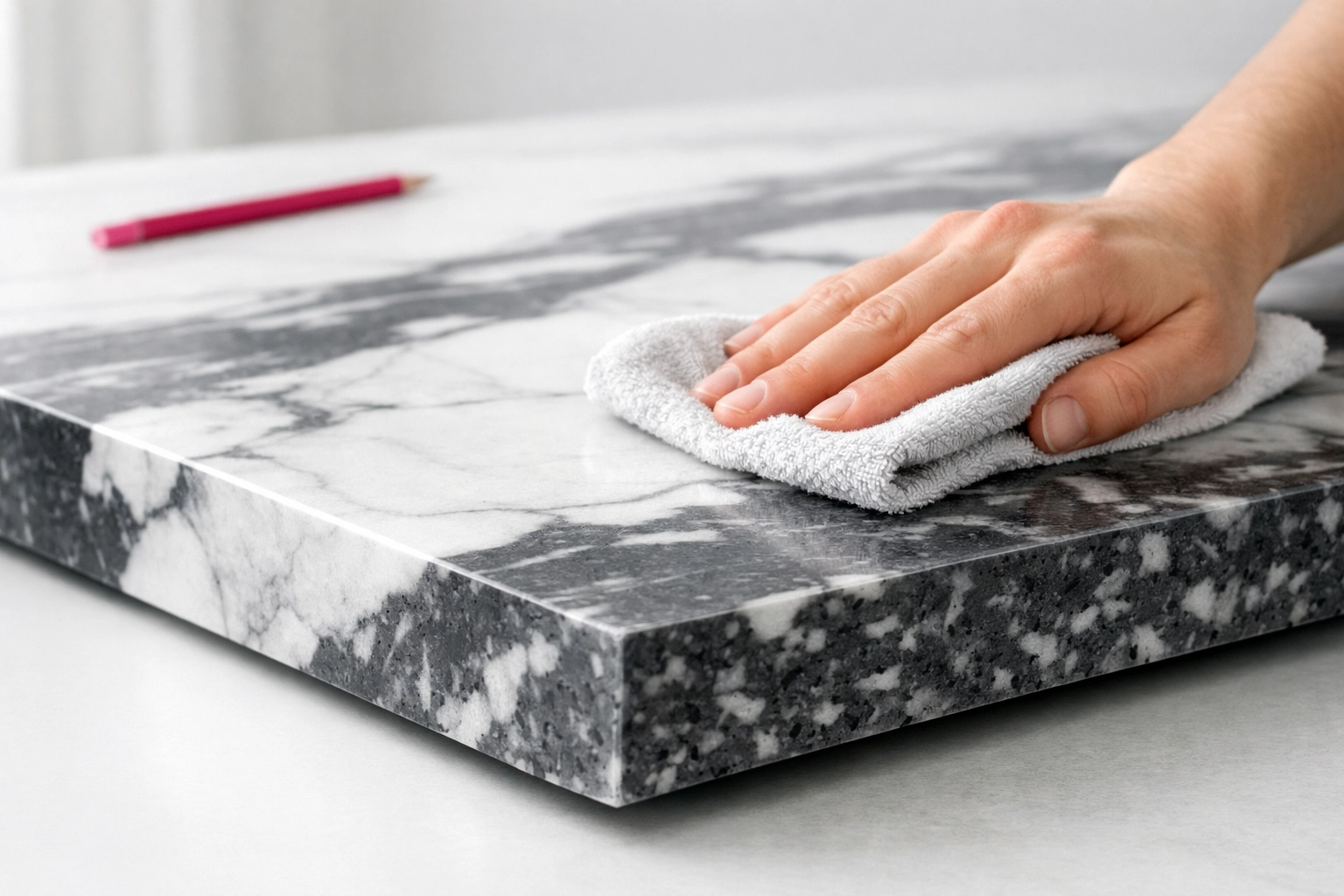
The Fix: Keep it simple. All you need is mild dish soap and warm water.
- For dirt: A soft cloth or sponge.
- For stubborn spots: A baking soda and water paste works wonders.
- The benefit: Unlike timber, you will never need to sand, oil, or paint your Resourceful Living furniture. It’s a "set and forget" investment.
4. Forgetting the "End-of-Life" Strategy
A product isn't truly sustainable if it ends up in a landfill in ten years. Most companies sell you a product and then wash their hands of the responsibility.
The Mistake: Buying from a manufacturer that doesn't have a "Take-Back" programme. If a chair breaks or a fit-out is decommissioned, where does that plastic go? If it goes to a standard bin, it likely won't be recycled properly.
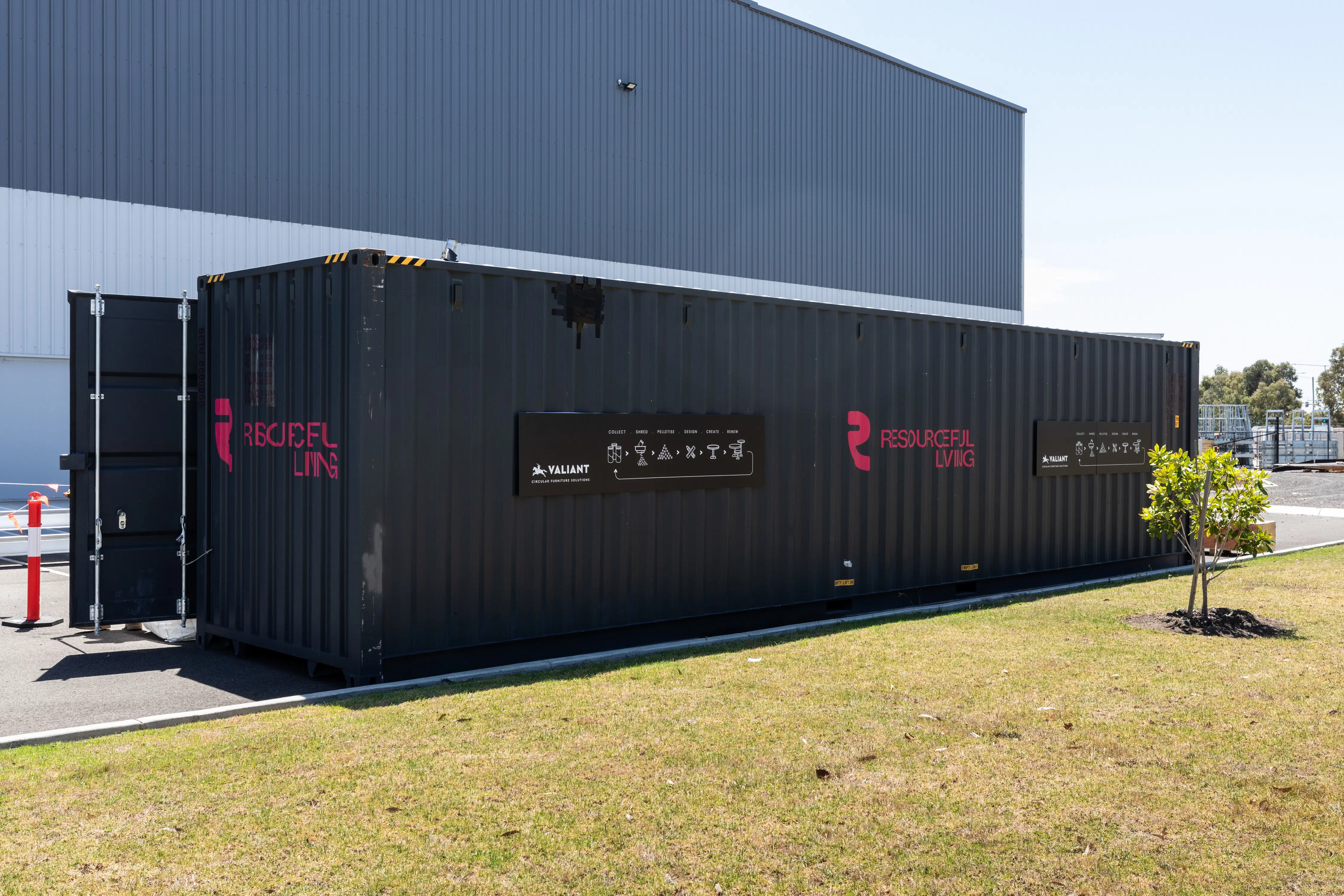
The Fix: Partner with a closed-loop ESG partner. We don’t just sell you recycled plastic furniture; we offer a circular pathway. When you're done with your Resourceful Living products, we can take them back, shred them in our on-site shredding unit, and turn them into brand-new products. That is true circularity.
5. Overlooking Thermal Expansion
Plastic behaves differently than steel or wood. High-density polyethylene (HDPE) expands and contracts with temperature changes.
The Mistake: Fastening recycled plastic sheets or boards too tightly without allowing for movement. In a hot Australian summer, a panel can expand by several millimetres. If it's bolted down rigidly, it might warp or "oil-can."
The Fix: Use oversized holes for fasteners and avoid over-tightening. If you are building infrastructure, consult our technical guides on the ROI of recycled plastic boards. We design our furniture with these tolerances in mind, ensuring the structural integrity remains sound regardless of the temperature.
6. Assuming Scratches are Permanent
In high-traffic retail or commercial environments, furniture will get scuffed. Most people see a scratch on a plastic table and think it's ruined.
The Mistake: Replacing entire units because of surface-level wear and tear.
The Fix: One of the best "hacks" for recycled plastic furniture is its repairability. Because our panels are solid-core (the colour goes all the way through), you can actually "heal" minor scratches.
- The Trick: A light application of heat from a heat gun (or even a careful pass with a lighter) can soften the plastic just enough to dull the appearance of a scratch.
- For deeper gouges: Since our material is 100% HDPE, it can be "plastic welded" or buffed out, making it far more durable than laminated alternatives.
7. Failing to Audit the Supply Chain
Just because it says "recycled" doesn't mean it's helping the local environment.
The Mistake: Buying cheap recycled plastic furniture imported from overseas. This often involves a massive carbon footprint for shipping and uses waste streams that aren't traceable. You might be buying "recycled" plastic that was actually manufactured using virgin plastic scraps in an unregulated factory.
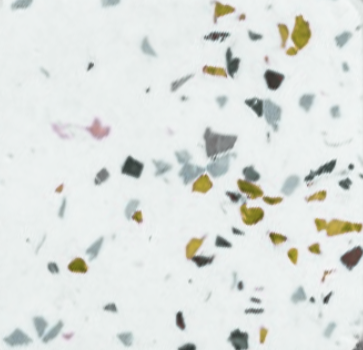
The Fix: Buy Australian. Our materials are made from traceable Australian waste. When you choose our navy and white marbled panels, you know exactly where that plastic came from. You are solving Australia's waste crisis, not someone else's.

Comparison: Recycled Plastic vs. Traditional Materials
| Feature | 100% Recycled Plastic (RL) | Treated Timber | Composite (WPC) |
|---|---|---|---|
| Lifespan | 50+ Years | 10-15 Years | 15-20 Years |
| Maintenance | Soap & Water | Sanding/Oiling Yearly | Low |
| Recyclable? | Yes (100%) | No (Chemicals) | Rarely (Mixed Material) |
| Termite Proof? | Yes | No | Yes |
| UV Stable? | High (AU Grade) | Fades/Cracks | Variable |
The Procurement Checklist
Before you sign off on your next purchase of recycled plastic furniture, ask the supplier these four questions:
- Is this a "pure" polymer? (Avoid resins, glues, or mixed-material "hybrids").
- Where was the waste sourced? (Support local Australian circularity).
- Do you have a take-back programme? (Ensure it doesn't end up in a landfill).
- Is the colour solid through the board? (This allows for easy repairs and long-term aesthetics).
Why Circular Procurement Matters
In 2026, sustainability is no longer just about "doing less harm." It's about being proactive. By avoiding these seven mistakes, you ensure that your investment in recycled plastic sheets and furniture delivers a high ROI and a genuine environmental benefit.
Whether you're looking for a bespoke retail display: like our tennis merchandising panels: or durable outdoor seating for a local park, the quality of the raw material is everything.
Don't let your sustainability goals be undermined by poor material choices. Choose 100% recycled, choose Australian made, and choose a partner that understands the full lifecycle of the product.
Ready to start your next circular project? Explore our range of recycled plastic panels and samples today and see the difference that 100% purity makes.