
Sustainable Building Materials Australia: The 2026 Buyer’s Guide
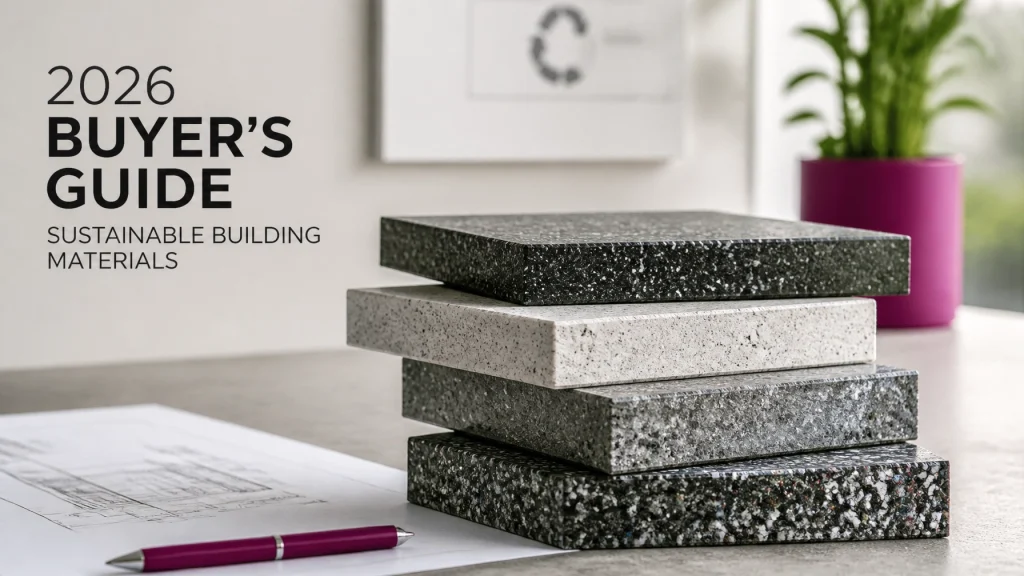
If you're managing a construction or renovation project in 2026, you've already noticed the shift. Sustainability is no longer a "nice-to-have" or a secondary line item. Between tightening carbon regulations and the rapid rise of circular construction requirements, specifying sustainable building materials is now a critical business strategy. But here’s the problem: the market is […]
The EOFY Sustainability Sprint: 3 Ways to Hit Your Recycled Content Targets by June 30

It's that time of year again. The EOFY (End of Financial Year) pressure is mounting, the spreadsheets are getting longer, and your sustainability targets for the 2025-26 period are staring you in the face. If you’re currently looking at your recycled content procurement targets and seeing a gap, you aren't alone. With the industry shifting […]
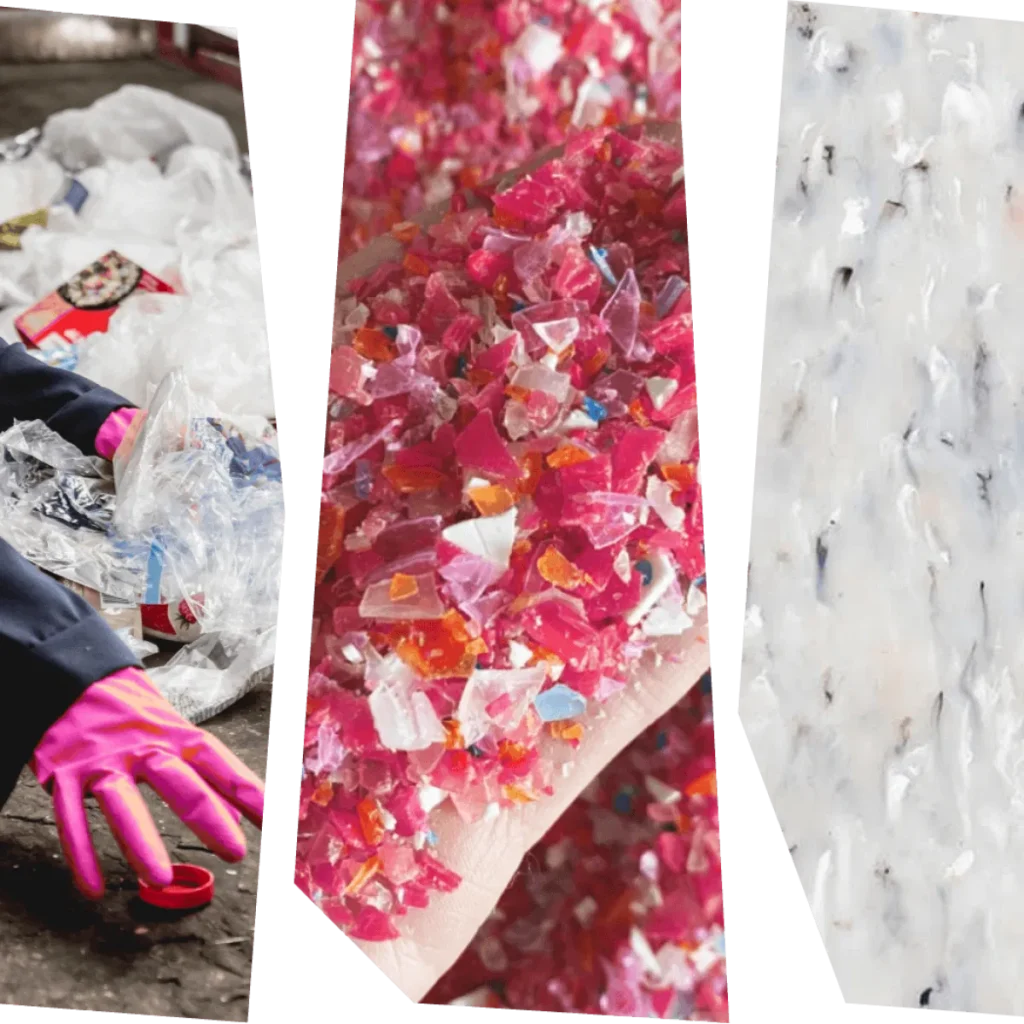
Finding the "Low-Hanging Fruit" for Carbon Reduction When builders look at a site, they see the "Big Three" carbon offenders: steel, concrete, and aluminium. These often make up 70% of a building's footprint. However, those materials are often structural and difficult to swap. The "low-hanging fruit" for hitting your sustainable building targets lies in the […]
Recycled Plastic vs Timber Comparison: Which Is Better For Your 20-Year Maintenance Strategy?
When you're spec'ing materials for a new project in Australia, the initial quote for timber usually looks like a win. It’s familiar, it’s readily available, and the upfront cost feels manageable. But if you’re looking at a 20-year horizon, that "cheap" timber quote is actually a down payment on a two-decade-long debt. In the industry, […]
Why Circular Construction 2026 Will Change How You Source Sustainable Building Materials Australia

If you’re still buying building materials based on the lowest upfront quote and a delivery date, you’re playing a dangerous game with your project’s future. Welcome to the era of Circular Construction 2026. The landscape of the Australian building industry has shifted. It’s no longer just about what you build; it’s about where it goes […]
Is Concrete Bad? The Truth About Recycled Plastic Vs Concrete Structural Performance in 2026 Infrastructure
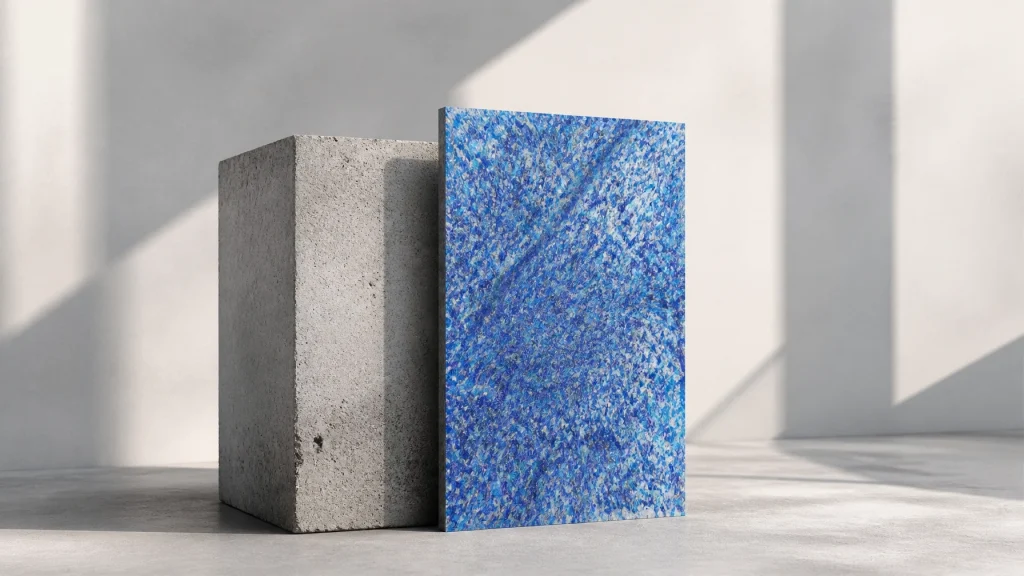
For decades, if you wanted to build something that lasted in the Australian landscape, you reached for the concrete mixer. It was the "old faithful" of construction: heavy, grey, and seemingly permanent. But as we hit the middle of 2026, the industry is undergoing a massive shift. With Green Star v1.1 standards and new embodied […]
7 Mistakes You’re Making with Recycled Plastic Sheets Australia (and How to Fix Them for Green Star v1.1)
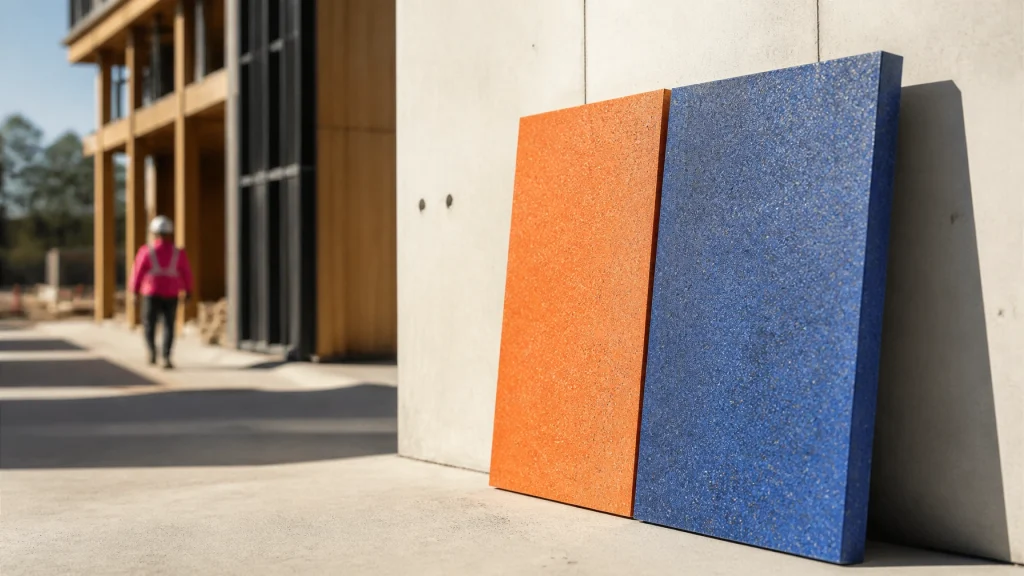
As we charge through 2026, the Australian building and design landscape has shifted. We aren't just talking about "being green" anymore; we're talking about mandatory embodied carbon reporting, stricter NABERS ratings, and a genuine push for a circular economy. Recycled plastic sheets in Australia have become the go-to solution for architects, shopfitters, and developers looking […]
The Architect’s Guide to NCC 2025 Compliance: Using 100% Recycled Materials
The architectural landscape in Australia just hit a massive turning point. If you’ve been keeping an eye on the National Construction Code (NCC) 2025 updates, you’ll know that the days of "optional" sustainability are effectively over. We’ve moved into an era where embodied carbon reporting and circular procurement aren't just buzzwords for elite Green Star […]
Recycled Plastic vs. Concrete: Which Is Actually Better for Structural Infrastructure?
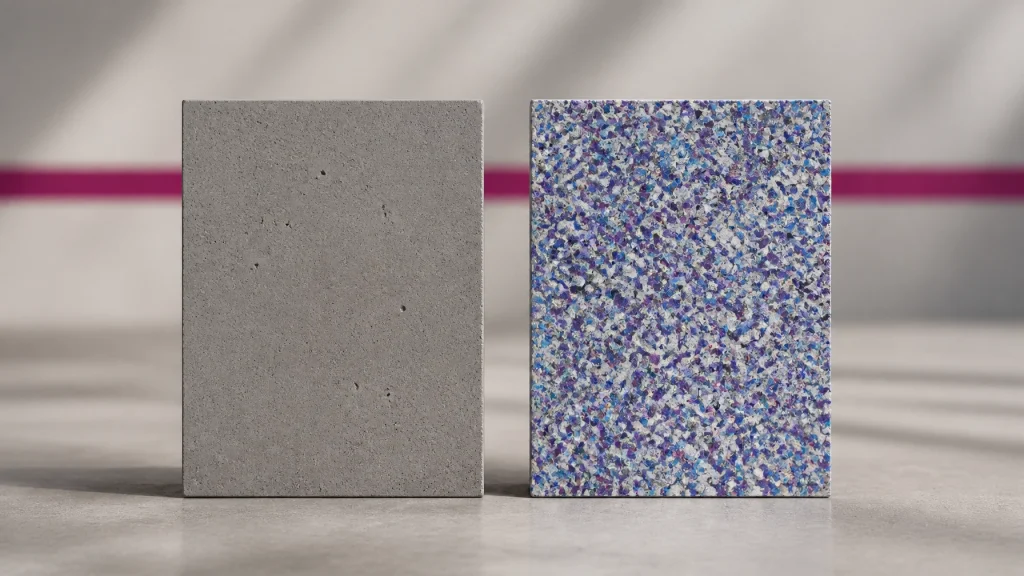
In the Australian construction landscape of 2026, the status quo is being dismantled. For decades, concrete has been the unchallenged heavyweight of structural infrastructure. It’s the default, the "safe bet," and the backbone of our cities. However, as embodied carbon reporting becomes a mandatory hurdle for government tenders and private developments alike, builders are asking […]
How to Calculate Embodied Carbon for Your 2026 Construction Tender: A Simple Guide
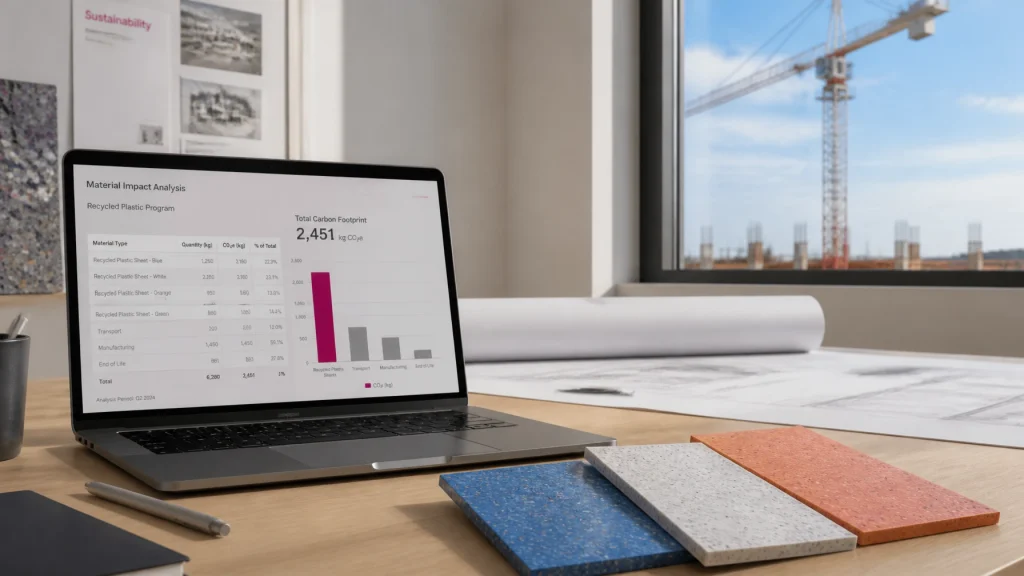
In 2026, the Australian construction landscape has shifted. If you’re a builder or procurement officer, you’ve likely noticed that the lowest price no longer guarantees a winning bid. Embodied carbon reporting in Australia has moved from a "nice-to-have" sustainability metric to a hard requirement for Tier 1 contractors and government projects. Whether you're aiming for […]