As we charge through 2026, the Australian building and design landscape has shifted. We aren't just talking about "being green" anymore; we're talking about mandatory embodied carbon reporting, stricter NABERS ratings, and a genuine push for a circular economy.
Recycled plastic sheets in Australia have become the go-to solution for architects, shopfitters, and developers looking to slash their environmental footprint. But here's the kicker: not all recycled plastic is created equal.
Under the new Green Star Buildings v1.1 framework, simply picking a "recycled" product isn't enough to score points. You need data, traceability, and a bit of technical "know-how" to ensure your sustainable material choice doesn't become a site liability. I've seen plenty of projects hit a wall because someone assumed a recycled sheet behaves exactly like plywood or virgin acrylic.
If you want to nail your next tender and meet those Green Star v1.1 credits, avoid these seven common pitfalls.
1. Underestimating the "Thermal Shuffle"
One of the biggest mistakes I see is treating recycled plastic sheets like they are timber. Unlike plywood, plastic has a relatively high thermal expansion coefficient. In Australia, our temperature swings are brutal, and plastic will expand and contract significantly more than the materials it often replaces.
If you fix a recycled plastic panel too tightly without allowing for movement, it will buckle or warp. This isn't a material failure; it's an installation failure.
- ✅ The Fix: Always use oversized pilot holes (at least 2-3mm larger than the screw shank) and avoid countersinking screws too deeply.
- ✅ Pro Tip: Leave an expansion join (roughly 5mm) between panels in outdoor applications.
- 🌟 Green Star v1.1 Win: Ensuring durability through correct installation supports the Responsible Products Value (RPV) by extending the lifecycle of the material, reducing the need for premature replacements.
2. Ignoring UV Stabilisation (The "Aussie Sun" Factor)
You might find cheap recycled plastic sheets in Australia that look great on day one, but if they aren't specifically stabilised for our UV levels, they'll be brittle and faded by day 365. Many recycled plastics are sourced from post-consumer waste like milk bottles (HDPE), which naturally degrades under intense sunlight without the right additives.
At Resourceful Living, we don't just melt plastic; we engineer it. We ensure our panels are formulated to withstand the harsh Australian climate, so your retail fit-out or outdoor furniture doesn't become a liability in two years.
- ✅ The Fix: Always ask for a UV-stability guarantee or a technical data sheet (TDS) that specifies the material's performance in high-UV environments.
- ✅ Pro Tip: If you're building in WA, QLD, or the NT, this is non-negotiable.
3. Falling for the "Greenwashing" Trap (Lack of Traceability)
With 2026 bringing Australia's new embodied carbon rules, "trust me, it's recycled" is no longer a valid procurement strategy. If you can't prove where the waste came from, you can't accurately report on your project's sustainability metrics.
Many "recycled" products on the market are actually imported from overseas, carrying a massive carbon footprint from shipping alone. This is where material traceability becomes your best friend.

- The Resourceful Living Difference: Our panels are made from 100% Australian plastic waste. We provide local traceability, which is critical for embodied carbon reporting in Australia.
- 🌟 Green Star v1.1 Win: A product with a Product-Specific EPD (Environmental Product Declaration) now receives a higher 7 RPV score (increased from 5). Using locally made materials with clear data helps you hit the Responsible Products Framework targets far easier than imported alternatives.
4. Choosing the Wrong Thickness for Structural Loads
I often get calls from people wanting to use a 10mm sheet for a structural benchtop or a heavy-duty gate. While recycled plastic is incredibly durable, it lacks the internal grain structure of timber. It is a flexible material. If you choose a sheet that is too thin for the span, it will sag over time: a phenomenon known as "creep."
Quick Guide to Thickness Selection:
| Application | Recommended Thickness | Why? |
|---|---|---|
| Decorative Wall Cladding | 10mm – 12mm | Lightweight and easy to install. |
| Cabinetry & Joinery | 15mm – 20mm | Holds fasteners well and offers rigidity. |
| Structural Benchtops | 20mm+ | Minimal sagging; high impact resistance. |
| Heavy Infrastructure | 30mm+ | Maximum durability for high-traffic areas. |

- ✅ The Fix: Match the thickness to the load. For spans over 600mm, always go for 20mm or thicker, or ensure there is adequate sub-frame support.
- 🌟 Green Star v1.1 Win: Correct material specification contributes to Credit Achievement in the Responsible Structure or Finishes categories.
5. Using High-Heat Tools (The Melting Point Mistake)
You don't need a specialised "plastic laser" to work with our materials, but you do need the right settings. A common mistake is using high-speed timber blades that generate too much friction heat. If the plastic gets too hot during cutting or drilling, it will melt and fuse back together behind the blade, ruining your finish and your tool.
- 🛠️ Blades: Use a negative rake saw blade or a blade designed for non-ferrous metals/plastics.
- 🛠️ Speed: Slow down your feed rate and keep the blade cool.
- 🛠️ CNC: Our sheets are a dream for CNC machining, but you need to dial in your chip load to prevent melting.
6. Forgetting the "End-of-Life" Plan
True circularity isn't just about buying something made from recycled content; it's about ensuring that product never hits a landfill again. Many builders install recycled plastic and then forget about it.
By 2026, the best tenders will include a circular construction plan. This means you need to know exactly what happens to the offcuts during construction and what happens to the panels if the building is renovated in ten years.
"A product is only truly circular if there is a guaranteed pathway for it to be recycled again. Without a take-back program, you're just delaying the landfill, not preventing it." : The Resourceful Living Philosophy

- ✅ The Fix: Partner with a manufacturer that offers a take-back program. We take our panels back at their end of life: free of charge: to remanufacture them into new sheets.
- 🌟 Green Star v1.1 Win: Participation in an approved product stewardship scheme increases your RPV score, helping you reach the ≥10 or ≥15 thresholds required for Exceptional Performance points.
7. Thinking Sustainable Means "Industrial and Ugly"
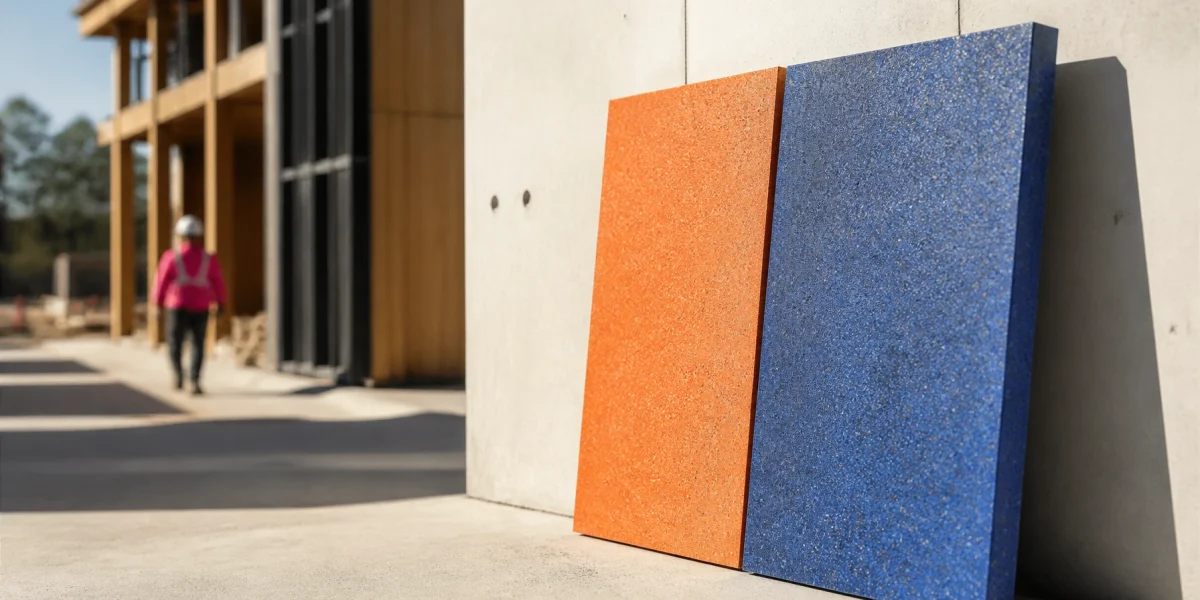
There is a lingering myth that if it's made from recycled plastic, it has to look like a grey park bench or a piece of industrial farm equipment. This mindset is a huge mistake for designers and shopfitters who want to impress clients while meeting sustainability targets.
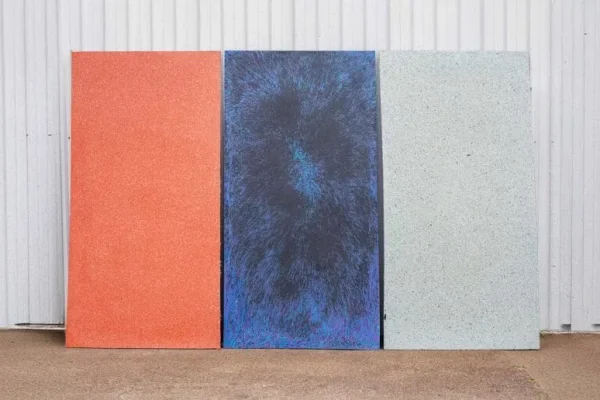
Recycled plastic sheets in Australia can be stunningly beautiful. From the marbled look of 'River' to the vibrant 'N70 White Confetti,' these materials are a design feature, not just a checkbox.
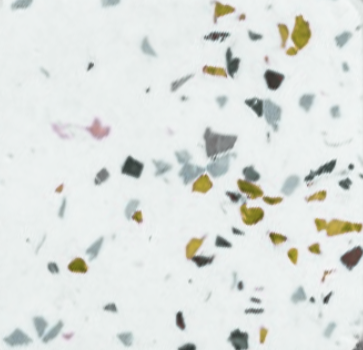
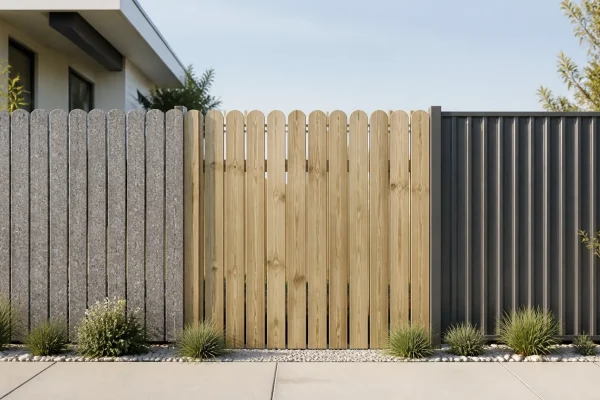
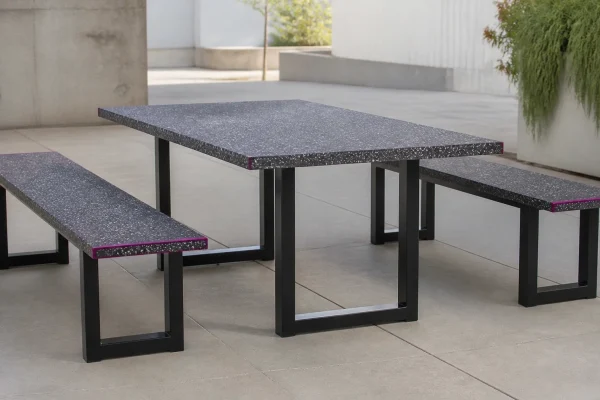
- ✅ The Fix: Use recycled plastic panels in high-visibility areas like reception desks, retail displays, and kitchen benchtops.
- ✅ Pro Tip: Contrast different colourways to create geometric patterns that tell a sustainability story without saying a word.
How to Nail Your Green Star v1.1 Targets: A Checklist
If you're aiming for Net Zero or trying to satisfy new Green Star v1.1 Responsible Products Framework rules, follow this checklist when ordering your materials:
- Verify Origin: Ensure the sheets are manufactured in Australia from 100% local waste.
- Request Data: Ask for the Product-Specific EPD (Environmental Product Declaration) to get that 7 RPV score and accurate embodied carbon data.
- Specify UV Stability: Ensure the material is engineered for the Australian sun.
- Plan for Expansion: Train your installers on oversized pilot holes and expansion gaps.
- Secure the Loop: Confirm the manufacturer has a take-back program for offcuts and end-of-life materials.
Why Resourceful Living?
We don't just supply sustainable building materials in Australia; we partner with you to make sure your project is a success. We've helped councils replace rotting timber with maintenance-free plastic and assisted architects in meeting the toughest embodied carbon reporting requirements.
Ready to see the material for yourself? Get in touch for a sample pack or explore our range of 100% Australian-made panels today. Let's make 2026 the year your projects become truly circular.