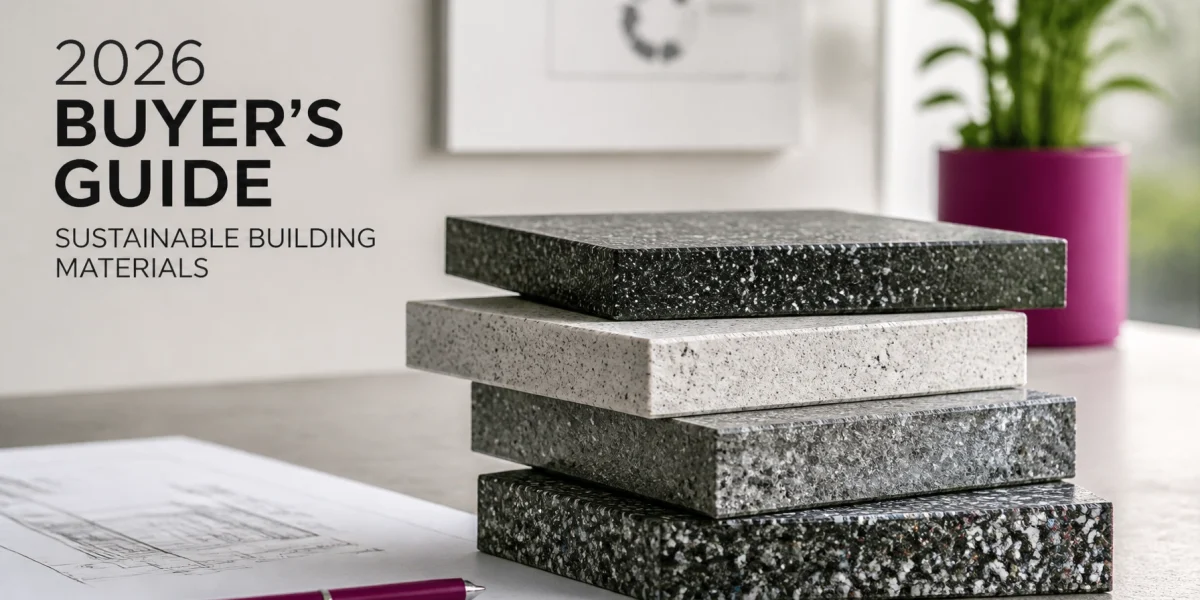
If you're managing a construction or renovation project in 2026, you've already noticed the shift. Sustainability is no longer a "nice-to-have" or a secondary line item. Between tightening carbon regulations and the rapid rise of circular construction requirements, specifying sustainable building materials is now a critical business strategy.
But here’s the problem: the market is flooded with "green" claims that don’t always stack up. To help you navigate the landscape, we’ve put together this comprehensive guide on sourcing high-performance, 100% recycled materials that actually meet the rigorous standards of the Australian built environment.
The 2026 Shift: Why Material Choice is Your Biggest Asset
In 2026, the Australian construction sector is moving away from the "take-make-dispose" model. The focus has shifted toward embodied carbon reduction and material circularity.
When you're choosing materials for your next project, you aren't just looking for durability; you're looking for a low carbon footprint and a guaranteed end-of-life plan. Traditional materials like concrete and virgin timber are facing increased scrutiny due to their high emissions and maintenance costs. This is where 100% recycled plastic has stepped in as a superior, high-performance alternative for everything from retail fit-outs to heavy-duty erosion control.
"The most sustainable building material is the one that stays in the loop forever. In 2026, if you aren't planning for a product's second life, you aren't building for the future." : Jess Hodge, Resourceful Living.
What Defines a Truly Sustainable Building Material?
Before you sign off on a tender, you need to verify the credentials of your suppliers. Here are the four non-negotiables for sustainable building materials in 2026:
1. 100% Recycled Content (No Additives)
Many "recycled" products on the market are actually composites containing only 10% to 20% recycled material mixed with virgin plastics or chemical binders. Resourceful Living panels are different. We manufacture solid blocks of 100% recycled Australian plastic. No veneers, no additives, and no hidden fillers. Just pure, recycled HDPE, LDPE, or PP.
2. Local Australian Sourcing
Global supply chains are volatile and carry a massive carbon overhead. Sourcing materials that use 100% Australian plastic waste ensures you're directly supporting the local economy and significantly reducing the "material miles" of your project.
3. Traceability and Transparency
Can your supplier tell you exactly where their plastic came from? Because we manage the end-to-end recycling and manufacturing cycle, we provide full traceability. This is vital for clients aiming to hit specific sustainability targets or Green Star ratings.
4. A Verified Take-Back Program
A material is only circular if it can be remanufactured. Our Take-Back Program means we collect our products at the end of their life: free of charge: to be recycled back into our manufacturing stream. This eliminates the landfill liability for your clients.

Deep Dive: Recycled Plastic Sheets vs. Traditional Materials
When specifying for the built environment, performance is non-negotiable. Let’s look at how 100% recycled plastic sheets compare to traditional building materials like timber and concrete.
Recycled Plastic vs. Timber
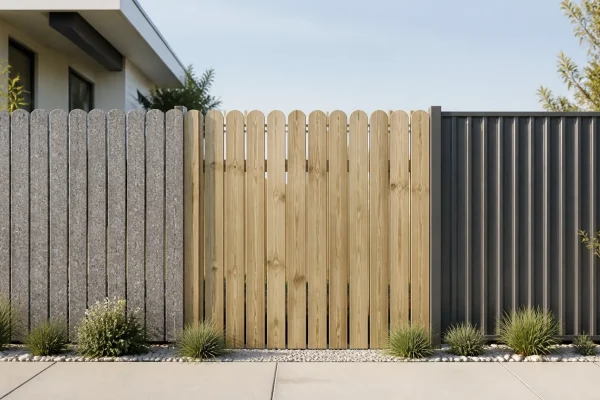
While timber is a natural material, it requires regular staining, sealing, and eventually rots or splits. For projects requiring long-term durability with zero maintenance, recycled plastic wins every time. It’s waterproof, rot-proof, and termite-proof.
| Feature | 100% Recycled Plastic | Marine Plywood / Timber |
|---|---|---|
| Maintenance | Zero maintenance required | Requires staining/sealing |
| Durability | Won't rot, split, or crack | Prone to rot and warping |
| Lifespan | 20+ years | 5–10 years (exposed) |
| Circular | 100% Recyclable | Often ends in landfill |
Check out our full recycled plastic vs timber comparison for more data.
Recycled Plastic vs. Concrete
For non-structural applications like erosion control or noise barriers, recycled plastic offers a significantly lower carbon footprint than concrete. It’s lighter, easier to install, and doesn't require the energy-intensive curing processes that make concrete a major carbon contributor. You can find out more about calculating embodied carbon here.
The Circular Economy in Action
Understanding the process is key to explaining the value to your stakeholders. At Resourceful Living, we’ve turned the recycling cycle into a high-efficiency manufacturing engine.

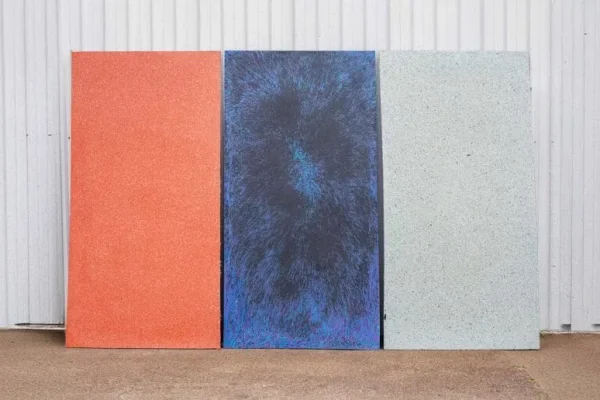
We manufacture 1 tonne of plastic per day, seven days a week. This allows us to offer faster product turnaround than many imported "eco" alternatives. Whether you need custom sizes or one of our six popular standard colours, we can keep your project on schedule.
Standard Specs for Your Specification Document:
- Sheet Size: 2400mm x 1200mm
- Thickness: 3mm to 40mm (custom thicknesses available)
- Composition: 100% Australian Post-Consumer/Industrial Plastic
- Finish: Solid block, no veneers, unique "Confetti" or marble finishes
- Testing: UV stabilized, weather-resistant, and strength-tested
Top Applications for 100% Recycled Sheets in 2026
Where should you be using these materials? We're seeing a massive surge in several key areas of the Australian built environment:
- ✅ Retail & Commercial Fit-outs: Create high-impact, sustainable point-of-sale displays and counter tops.
- ✅ Construction Site Management: Use durable, reusable sheets for hoarding, erosion control, and protection.
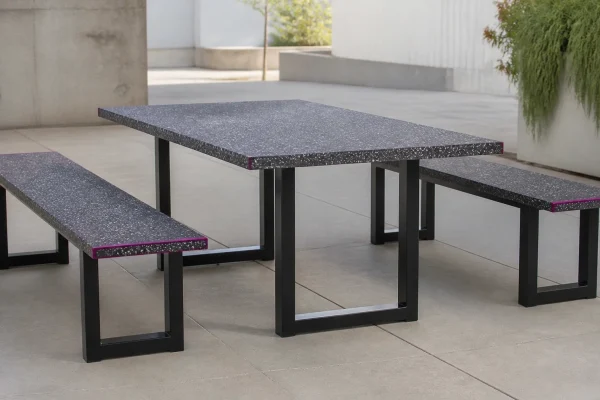
- ✅ Outdoor Furniture: Specify 100% recycled furniture for public spaces and commercial courtyards.
- ✅ Renovations: Sustainable kitchen and bathroom backing panels that are 100% waterproof.

How to Source Sustainable Materials for Your Next Project
Ready to make the switch? Sourcing shouldn't be a headache. Follow these steps to ensure your project stays on track:
- Identify your requirements: Determine the thickness and quantity needed. Our 2400mm x 1200mm sheets are the industry standard for easy handling.
- Choose your colourway: Select from our standard range or ask about custom manufacturing for large-scale projects.
- Confirm the circularity: Ensure your supplier has a take-back program in place to help you meet your ESG targets.
- Request a quote: With our 24/7 manufacturing, we can provide rapid quotes and lead times.

Conclusion
The demand for sustainable building materials in Australia is only going one way. By choosing 100% recycled plastic panels, you're not just buying a product: you're investing in a local, circular solution that delivers long-term value, durability, and a genuine sustainability story.
Want to see the material for yourself? Contact us today for a sample pack or to discuss your specific project requirements. Let's build something that lasts.