For decades, if you wanted to build something that lasted in the Australian landscape, you reached for the concrete mixer. It was the "old faithful" of construction: heavy, grey, and seemingly permanent.
But as we hit the middle of 2026, the industry is undergoing a massive shift. With Green Star v1.1 standards and new embodied carbon reporting requirements, the "pour it and forget it" mentality is facing a reality check. We’re no longer just asking "will it hold up?": we’re asking "what did it cost the planet to get here?"
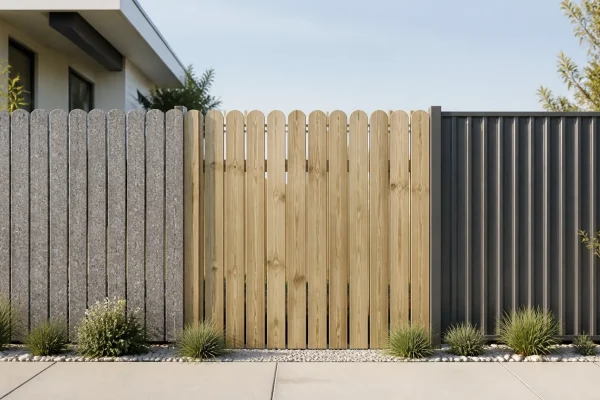
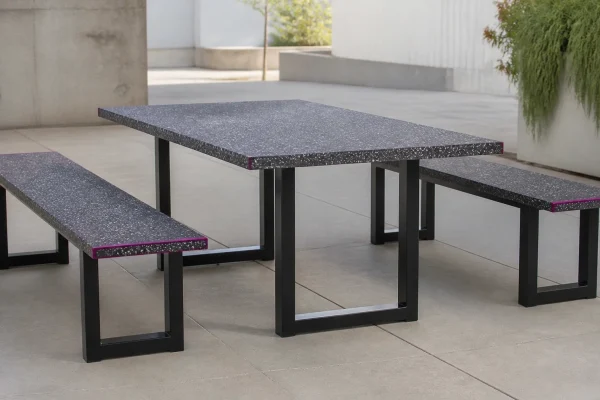
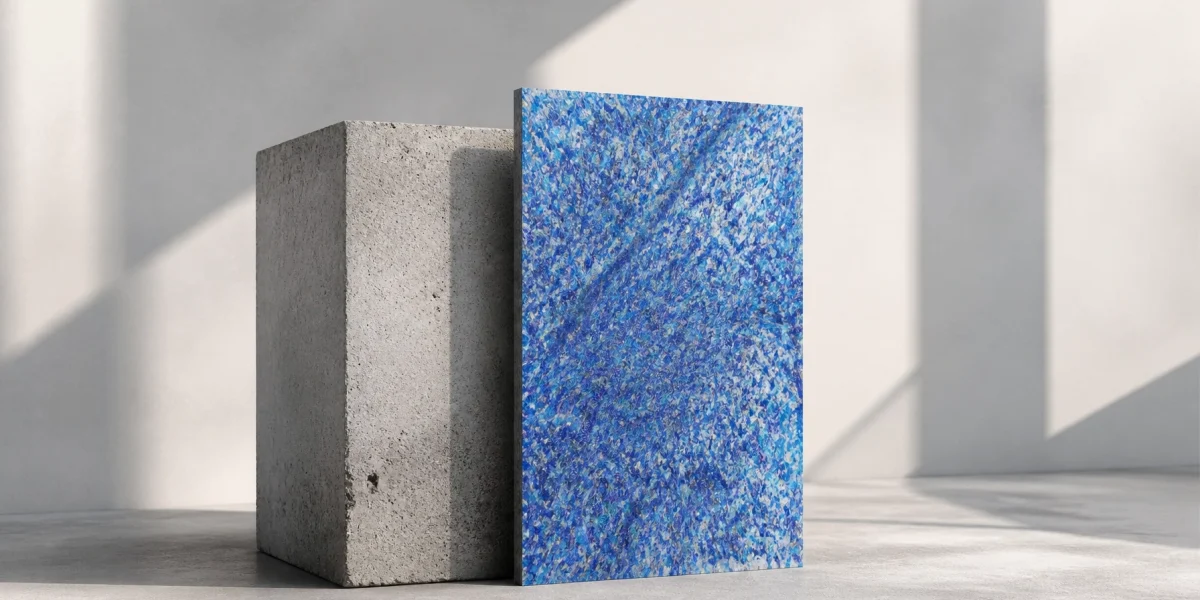
So, is concrete "bad"? Not necessarily. It’s still the king of foundations. But for the vast majority of non-foundational infrastructure: like retaining walls, public furniture, and landscaping: recycled plastic isn't just a "green alternative"; it is objectively superior.
Let’s break down the truth about structural performance, carbon math, and why your next project shouldn't default to the grey stuff.
1. The "Foundation Rule": Where Concrete Still Wins
Let’s be honest: you aren't going to build a 40-storey skyscraper on a plastic foundation. Concrete’s compressive strength is legendary, making it the only choice for primary structural slabs and deep foundations.
However, the mistake many builders make is using concrete for everything else. Using concrete for garden edging, park benches, or non-load-bearing walls is like using a sledgehammer to crack a nut. It’s overkill, it’s expensive to maintain, and in 2026, it’s a liability for your sustainability targets.
2. The Carbon Math: A 60% Reduction
This is where the comparison gets uncomfortable for traditionalists. The production of cement is responsible for roughly 8% of global CO2 emissions. It’s energy-intensive, relies on mining virgin materials, and requires staggering amounts of water.
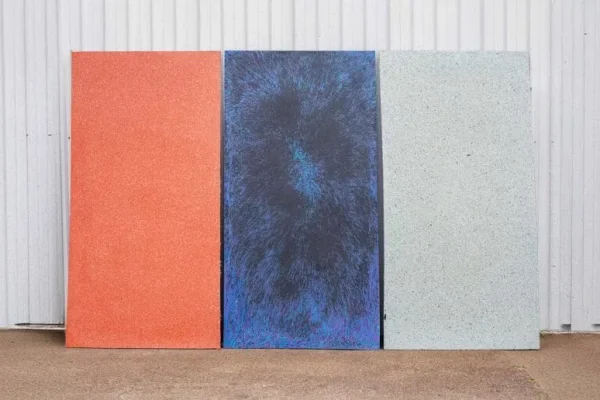
In contrast, our 100% recycled plastic panels are built from the waste of yesterday. By intercepting Australian plastic before it hits a landfill, we bypass the heavy manufacturing emissions associated with cement kilns.

Key Metrics:
- Embodied Carbon: Recycled plastic typically has 60% lower embodied carbon than traditional concrete.
- Water Usage: Concrete requires massive volumes of water to cure. Recycled plastic manufacturing is a dry process, saving thousands of litres per project.
- Waste Diversion: Every square metre of Resourceful Living material diverts thousands of plastic lids and milk bottles from Australian ecosystems.
By swapping concrete for recycled plastic in your modular builds and infrastructure, you aren't just ticking a box: you’re significantly moving the needle on your ESG reporting.
3. Structural Performance: Flexibility vs. Brittleness
One of the most common myths is that concrete is "stronger" than plastic. Strength is relative. Concrete is strong in compression, but it’s notoriously brittle.
Why Concrete Fails
In the harsh Australian climate, concrete faces a constant battle. Thermal expansion causes cracks. Moisture seeps into those cracks, reaches the steel reinforcement (rebar), and causes it to rust. This leads to spalling (concrete cancer), which is a maintenance nightmare for councils and developers.
Why Recycled Plastic Succeeds
High-Density Polyethylene (HDPE), which forms the core of our panels, is naturally flexible.
- No Cracking: It expands and contracts with temperature shifts without shattering.
- Inert: It is 100% waterproof. It won't rot, it won't rust, and it doesn't care about salt spray in coastal environments.
- Impact Resistance: While a heavy impact might chip or shatter a concrete bollard, a recycled plastic one will absorb the shock.
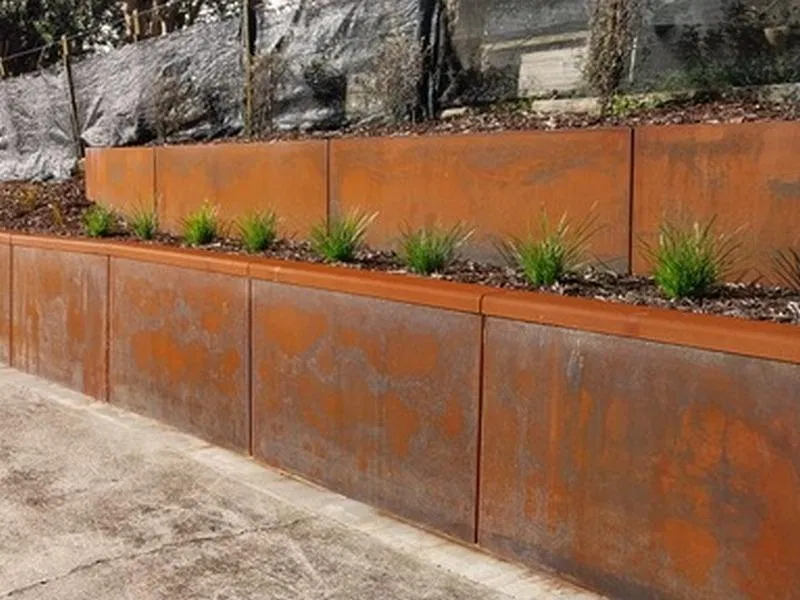
"Concrete fails through cracking; recycled plastic fails through deformation. In areas with shifting soil or high impact, flexibility is actually a structural asset." : Industry Insight 2026
4. The "Waste-to-Infrastructure" Loop
This is the secret weapon of circular construction. When you use concrete, it’s a linear path: mine, manufacture, use, and eventually, landfill as rubble. Even "recycled concrete" is usually just crushed into road base: it’s a downward spiral.
Resourceful Living operates on a Closed-Loop ESG Partner Program. Here’s how the waste-to-infrastructure loop works:
- Collection: We collect 100% Australian post-consumer plastic waste.
- Manufacturing: We transform that waste into durable, 2400mm x 1200mm panels.
- Infrastructure: You install these panels in your project (retaining walls, boardwalks, noise barriers).
- Take-Back: At the end of the product's life (which could be 50+ years), we take it back free of charge.
- Re-Birth: We shred it and turn it into brand-new panels.
This isn't just recycling; it’s resource security. You can learn more about meeting these targets in our guide to Green Star v1.1 material traceability.

5. At a Glance: Concrete vs. Recycled Plastic
| Feature | Traditional Concrete | Resourceful Living Recycled Plastic |
|---|---|---|
| Primary Use | Foundations, Skyscrapers | Retaining Walls, Landscaping, Furniture |
| Embodied Carbon | High (8% of global CO2) | Low (60% reduction) |
| Maintenance | High (Crack repair, sealing) | Zero (Inert, no rot/rust) |
| Installation | Heavy machinery, curing time | Lightweight, instant use |
| End-of-Life | Landfill or road base | 100% Circular (Take-back program) |
| Water Usage | High | Negligible |
6. How to Choose for Your Next Project
If you’re a builder or architect looking to hit new procurement rules in 2026, here is your quick-start checklist:
- ✅ Foundations & Slabs? Use Concrete. (But look for low-carbon cement mixes).
- ✅ Retaining Walls (under 1m)? Switch to Recycled Plastic. It’s faster to install and won't crack.
- ✅ Public Furniture & Boardwalks? Switch to Recycled Plastic. It handles the UV and salt better than concrete or timber.
- ✅ Erosion Control & Garden Edging? Switch to Recycled Plastic. It’s lighter to transport and 100% moisture-proof.
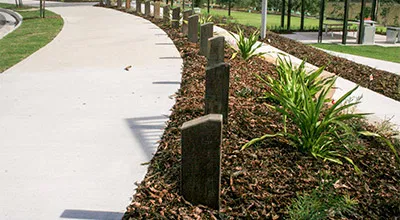
The Verdict: The Future is Hybrid
Is concrete bad? No. It’s a tool that has its place. But using it as a default for non-foundational infrastructure is a choice that costs your project more in the long run: both in maintenance dollars and carbon credits.
By integrating recycled plastic panels into your design, you’re not just choosing a durable material; you’re choosing to be part of the solution to Australia's plastic waste crisis.
Ready to swap the grey for something better?
Explore our range of 100% recycled panels or get in touch for a custom project quote today. Let’s build something that actually lasts( without the carbon debt.)