Finding the "Low-Hanging Fruit" for Carbon Reduction
When builders look at a site, they see the "Big Three" carbon offenders: steel, concrete, and aluminium. These often make up 70% of a building's footprint. However, those materials are often structural and difficult to swap.
The "low-hanging fruit" for hitting your sustainable building targets lies in the secondary materials: the fit-outs, the wet areas, the signage, and the infrastructure.
1. Site Hoardings and Noise Barriers
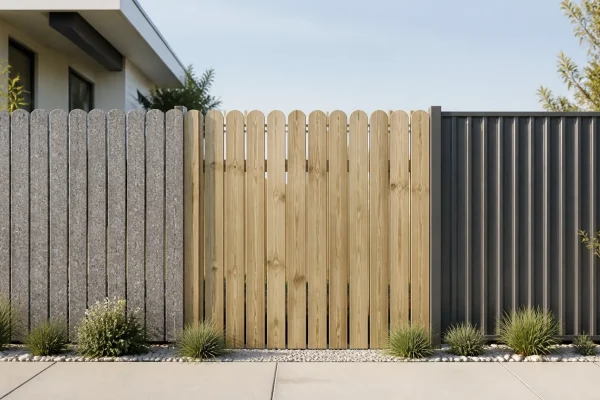
Traditional timber hoardings are single-use and end up in landfill. Swapping these for recycled plastic sheets not only lowers your embodied carbon but gives you a material that is 100% waterproof and reusable for the next project.
2. Wet Area Fit-outs
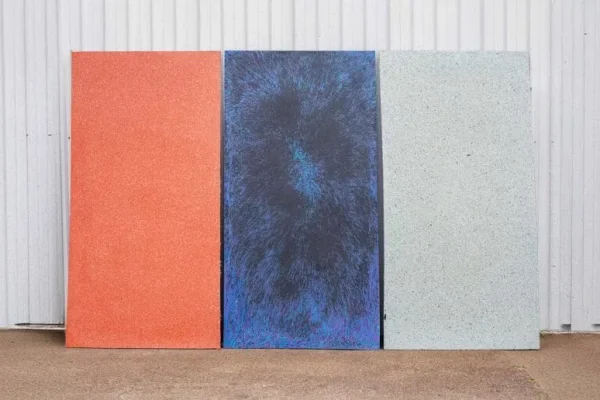
In bathrooms and kitchens, moisture is the enemy of timber and plywood. Our 100% recycled panels are rot-proof and require zero chemical treatment. This simplifies your carbon report because you aren't accounting for the high-VOC (Volatile Organic Compound) finishes often required for timber.
3. Retail and Office Joinery
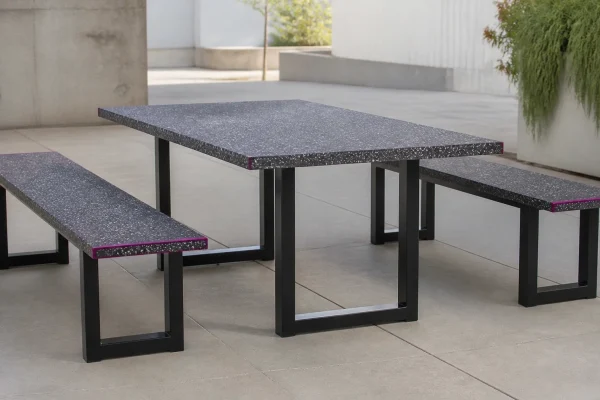
Modern retailers like ELK are already using our materials to close the loop on their store fit-outs. In a commercial office setting, using marbled recycled panels for desk partitions or wall cladding contributes directly to the NABERS Indoor Environment Quality score while slashing upfront carbon.
How to Streamline Your 2026 DA Submission
If you want to avoid delays and secure your DA approval in this new regulatory environment, follow this 5-step checklist:
- Engage a NABERS Accredited Assessor Early: Don't wait until the build is finished to think about data. Involve an assessor during the design phase to set realistic carbon targets.
- Audit Your Bill of Quantities (BoQ): Identify every non-structural element. Can it be replaced with a lower-carbon alternative? Check our Product Guide for inspiration.
- Prioritize EPDs: When sourcing materials, make it a non-negotiable. Ask your suppliers: "Can you provide an Environmental Product Declaration or verified LCA (Life Cycle Assessment) data?"
- Consider the "Take-Back" Factor: Circularity isn't just about what a product is made of; it's about where it goes at the end of its life. Choosing products with a guaranteed take-back program significantly improves your project's "Circular Economy" score in Green Star.
- Document Local Content: Explicitly state in your DA submission that you are using 100% Australian recycled materials. This demonstrates a commitment to the NSW Government's focus on local procurement and reduced transport emissions.
Closing the Loop: Circular Construction is No Longer Optional
The shift to embodied carbon reporting in Australia isn't just a regulatory hurdle; it's a market opportunity. Projects that can prove their "green" credentials are more attractive to investors, easier to lease, and faster to approve.
As we move deeper into 2026, the builders who continue to rely on high-carbon, single-use materials will find themselves priced out by carbon taxes and blocked by local councils. Meanwhile, those who embrace the circular economy: using materials that are manufactured from waste, used for decades, and then recycled again: will lead the industry.
At Resourceful Living, we aren't just selling plastic sheets. We are providing the data and the durability you need to build the future of Australian infrastructure.
Ready to audit-proof your next DA? Contact our team today to get the carbon specs and samples you need for your submission.
FAQ: Embodied Carbon & DA Approvals
What is the difference between upfront carbon and embodied carbon?
Upfront carbon (Modules A1-A3) specifically refers to emissions from raw material supply, transport to the factory, and manufacturing. Embodied carbon technically covers the entire lifecycle, including transport to the site, installation, and end-of-life disposal. In 2026, most DA reporting focuses primarily on upfront carbon.
Is embodied carbon reporting mandatory for residential builds?
Yes. Under the Sustainable Buildings SEPP, all new residential developments in NSW must report embodied emissions, primarily through the integrated BASIX Materials Index.
How do recycled plastic panels help with NABERS ratings?
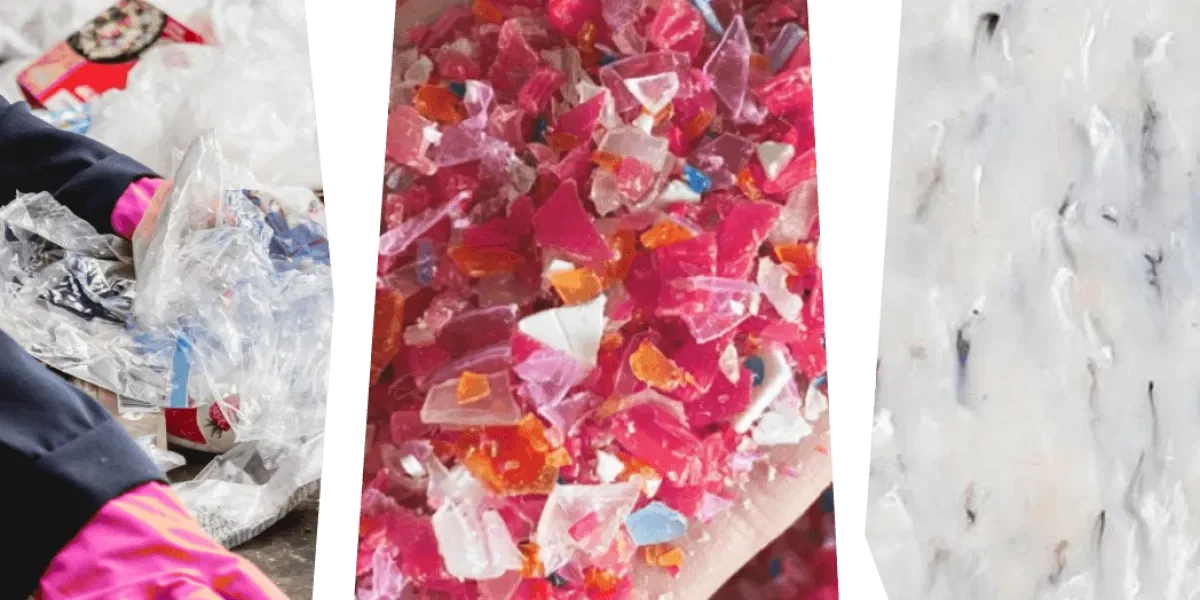
Using verified recycled content reduces your project's carbon footprint compared to virgin materials. Because Resourceful Living panels are made from 100% Australian waste with low-energy manufacturing, they provide a much lower carbon score than generic default factors.
Can I get carbon credits for using recycled plastic?
While you may not always receive "tradable" carbon credits, the carbon you save (0.9 – 1.75 tons per ton of material) is directly attributable to your building’s emissions report, helping you meet ESG targets and high-level Green Star certifications.