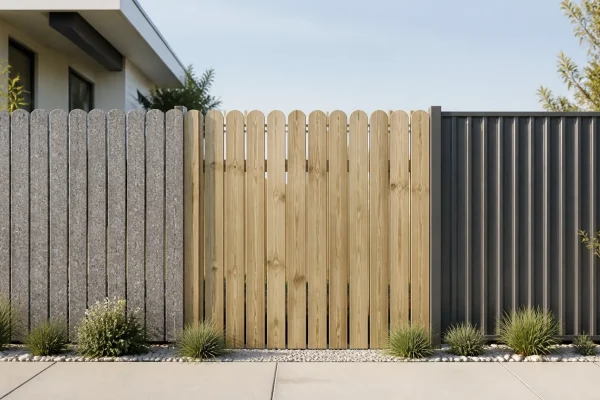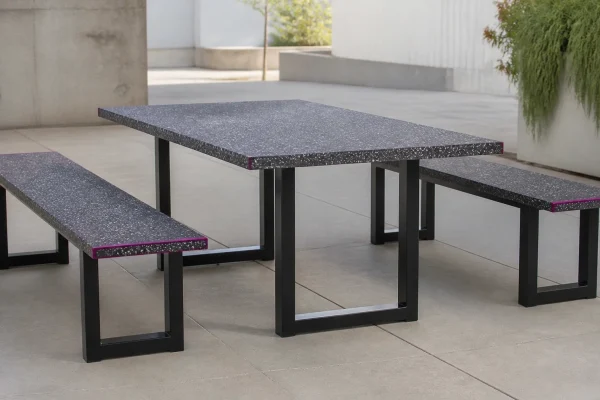
When you're spec'ing materials for a new project in Australia, the initial quote for timber usually looks like a win. It’s familiar, it’s readily available, and the upfront cost feels manageable. But if you’re looking at a 20-year horizon, that "cheap" timber quote is actually a down payment on a two-decade-long debt.
In the industry, we call this the "Timber Tax." It’s the hidden accumulation of costs: sanding, oiling, staining, termite treatments, and eventually, full structural replacement: that sneaks up on your budget every 18 months.
If you want a maintenance-free asset strategy rather than just a pile of materials, it’s time to look at the math behind a recycled plastic vs timber comparison. In the harsh Australian climate, the choice isn't just about aesthetics; it’s about whether you want to own an asset or a liability.
The Lifespan Reality Check: 7 Years vs. 50 Years
Most builders and project managers are used to a 7-to-15-year lifecycle for external timber. In high-moisture areas or coastal zones, that number often drops to single digits before the first signs of structural rot appear.
By contrast, recycled plastic sheets in Australia are engineered for a 50-year-plus functional life.
Because our panels are made from 100% recycled rHDPE (High-Density Polyethylene), they are inert. They don't "breathe" like timber, which means they don't absorb moisture, swell in the humidity, or crack in the 40°C+ summer heat.
| Feature | Treated Timber | 100% Recycled Plastic (Resourceful Living) |
|---|---|---|
| Average Lifespan | 7–15 Years | 50+ Years |
| Moisture Absorption | High (leads to rot) | Zero (Hydrophobic) |
| Termite Resistance | Needs chemical treatment | Naturally Immune |
| Maintenance | Annual sanding/oiling | Zero |
| End-of-Life | Landfill (often toxic) | 100% Recyclable (Take-back program) |
The "Hidden Costs" of Maintenance: Why Timber is a Ticking Time Bomb
If you choose timber, you’re not just buying wood; you’re signing up for a recurring OpEx (Operating Expenditure) nightmare. To keep timber structurally sound and aesthetically "okay," you need a schedule that looks like this:
- Every 12 Months: Inspection for rot and termite ingress.
- Every 2 Years: Power wash, sanding, and a fresh coat of oil or stain.
- Every 7–10 Years: Significant replacement of warped or split boards.
For a commercial project or public infrastructure, the labour costs alone for these tasks frequently exceed the original material cost within the first five years.

Recycled plastic requires zero maintenance. Once installed, your only "task" is an occasional hose-down if they get dusty. There are no oils to buy, no stains to apply, and no toxic chemical treatments required to keep the termites away. When you look at the Total Cost of Ownership (TCO) over 20 years, recycled plastic isn't just a sustainable choice: it’s the only one that makes financial sense.
Australian Environmental Resistance: Rot, Termites, and UV
Australia is a brutal testing ground for building materials. Our UV levels are some of the highest in the world, and our native termites see a timber deck as an "all-you-can-eat buffet."
1. Termite Proofing Without the Poison
In states like Queensland, NSW, and the NT, termites are a constant threat. While timber requires heavy chemical treatments (which eventually leach into the soil), recycled plastic is inedible to pests. You can install our panels directly into the ground without a second thought.
2. The Coastal Advantage
If your project is within 5km of the coast, salt spray and humidity are your biggest enemies. Timber absorbs salt, which crystallises internally and forces the wood fibres apart (spalling). Recycled plastic is hydrophobic: it hates water. It won’t rust like steel or rot like timber, making it the gold standard for coastal boardwalks, beach signage, and erosion control.
3. UV Stabilisation
A common myth is that plastic "fades and becomes brittle" in the sun. That’s true for cheap single-use plastics, but not for industrial-grade recycled plastic sheets. Our panels are manufactured with high-quality UV stabilisers, ensuring they maintain their structural integrity and colour even under the punishing Southern Cross.

Shifting the Mindset: Asset Strategy vs. Material Choice
When we talk to councils and mining operations, the conversation has shifted from "How much does it cost today?" to "How do we move this from OpEx to CapEx?"
By choosing sustainable building materials in Australia that last 5x longer than timber, you are essentially "buying performance once" and stopping the "annual penalty" of maintenance. This is an asset strategy. You are locking in a 20-to-40-year solution that won't require a budget line item for repairs every second financial year.
"In the NT, timber deteriorates quickly without constant upkeep. Switching to recycled plastic was a game-changer for our council: we stopped spending our weekends fixing yesterday's problems."
Environmental Impact: More Than Just a "Green" Badge
Choosing recycled plastic isn't just about saving money; it’s about closing the loop. Every tonne of recycled plastic sheets manufactured by Resourceful Living:
- Diverts 1,000kg of plastic from Australian landfills.
- Saves approximately 30 trees from being harvested for short-life timber products.
- Reduces embodied carbon compared to traditional manufacturing of concrete or steel.
Plus, we offer a take-back program. When your project finally reaches its end of life (decades from now), we collect the material for free and remanufacture it into new panels. It’s a truly circular solution.

Conclusion: The 20-Year Verdict
If you’re building something that only needs to last three years, buy the cheapest timber you can find. But if you’re responsible for the 20-year maintenance strategy of a commercial site, a public park, or a residential renovation, the choice is clear.
Recycled plastic vs timber comparison highlights:
- Upfront Cost: Timber is slightly cheaper.
- 5-Year Cost: Recycled plastic breaks even (no maintenance labor).
- 20-Year Cost: Recycled plastic is significantly cheaper (no replacement needed).
Ready to stop paying the "Timber Tax"? Our 100% Australian-made panels are ready for your next project.
Next Steps:
- Calculate your TCO: Use our formula: (Initial Cost + Installation) + (Annual Maintenance x 20 Years).
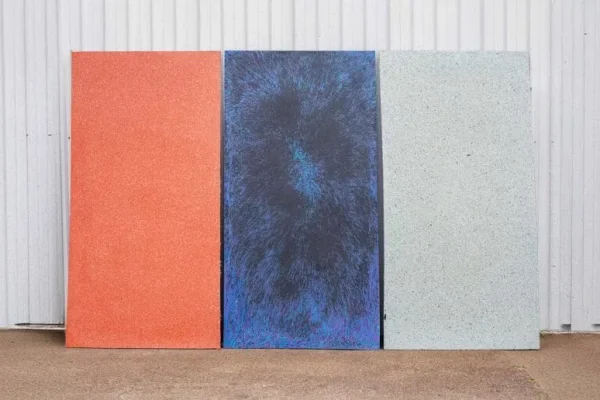
- Order Samples: See the "solid block" quality for yourself. Check out our available colours and thicknesses.
- Download the Spec Guide: Learn how to include recycled plastic in your next construction tender.