If you’re still buying building materials based on the lowest upfront quote and a delivery date, you’re playing a dangerous game with your project’s future.
Welcome to the era of Circular Construction 2026. The landscape of the Australian building industry has shifted. It’s no longer just about what you build; it’s about where it goes when the building’s life cycle ends.
For decades, we’ve operated on a "Linear Economy": we buy timber or virgin plastic, use it for a few years, and then pay someone to haul it to a landfill. In 2026, that "buy-use-throw" model isn't just environmentally irresponsible, it’s a financial liability.
At Resourceful Living, we’ve seen this shift coming. Whether you’re a Tier 1 contractor, a school procurement officer, or a residential renovator, understanding why materials are now assets, not expenses is the key to winning tenders and staying profitable.
The Death of the "Linear Liability"
In 2026, embodied carbon is a measurable cost factor with direct budget implications. If you source materials with no end-of-life plan, you are essentially pre-paying for a future liability.
The industry is moving away from "Linear Liability" for three main reasons:
- Landfill Levies: Waste disposal costs across Australia have reached record highs, making skips one of the most expensive line items on a project’s tail end.
- Tender Mandates: Government and major commercial projects now frequently mandate circularity rates. If you can’t prove where your materials came from, and where they can go next, you simply won't win the contract.
- Traceability Demands: Clients are no longer impressed by a "recycled" logo; they want to see the data.
"Circular construction isn’t just about ‘saving the planet.’ It’s about building a resilient Australian economy where we stop throwing away $100 billion worth of resources every decade." , Industry Insight, 2026.
Buy-Use-Return: The New Procurement Standard
The fundamental shift in sustainable building materials Australia is the transition from a product-based mindset to a service-based one. When you buy a sheet of material for a school fit-out or a retail display, you aren't just buying the physical object. You’re buying a service agreement for its eventual reclamation.
The Resourceful Living Take-Back Program
To achieve true circularity, the loop must be closed. This is why our Take-Back Program is the cornerstone of our operations. Here is how the loop works for our clients:
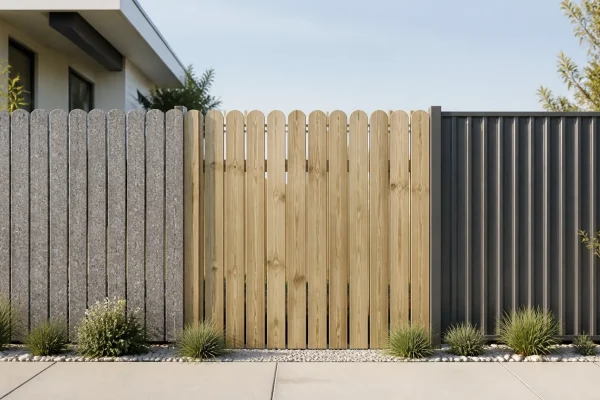
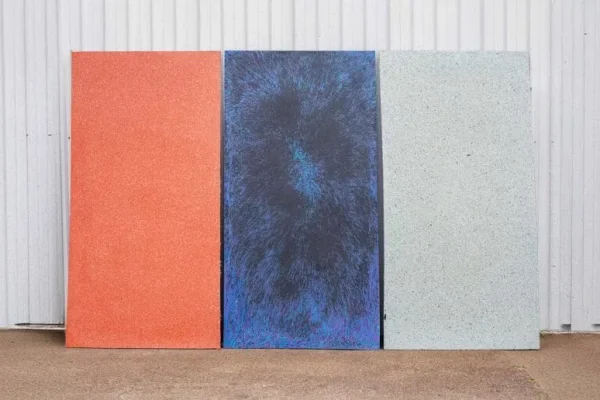
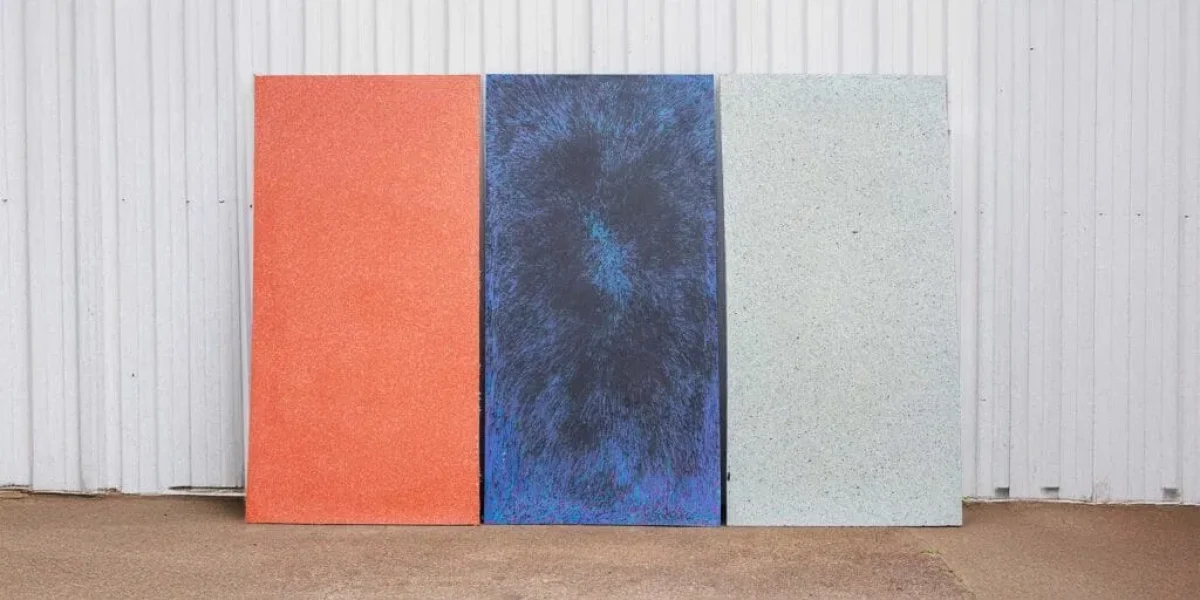
- Installation: You use our 100% recycled plastic panels for hoardings, cabinetry, or noise barriers.
- Usage: The materials serve their purpose for 5, 10, or 20 years. Because they are moisture-proof and UV-stabilised, they outlast timber and traditional boards.
- Recovery: When the project is decommissioned or updated, we take those panels back free of charge.
- Re-Manufacturing: We granulate the old panels and turn them into brand-new products.
This model effectively removes "end-of-life" from the vocabulary of your procurement department. You aren't disposing of waste; you're returning a resource.

Why "100% Australian Waste" is Your Best Asset for 2026 Targets
A major mistake many builders make is sourcing "recycled" materials from overseas. This creates two massive problems for your 2026 sustainability targets:
- Mystery Plastic: You have zero traceability on the source of the waste, making your ESG reporting weak.
- High Embodied Carbon: Shipping "green" materials across the ocean often cancels out the environmental benefits through massive transport emissions.
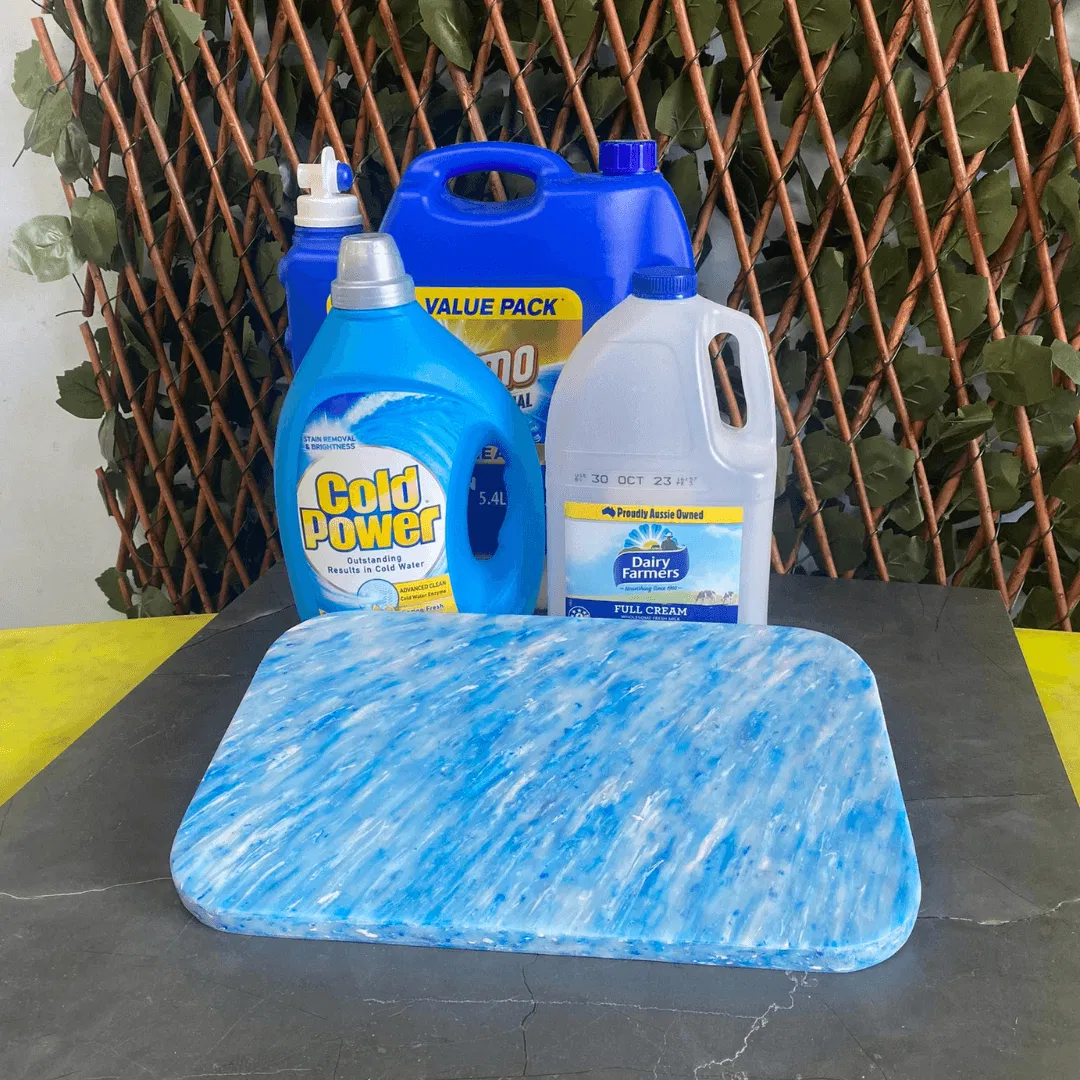
By choosing locally manufactured recycled plastic sheets, you gain Full Traceability. We source our plastic waste, from milk bottles to industrial scraps, right here in Australia.
When you join our ESG Partner Program, you receive detailed reports on the provenance of your materials. You can literally tell your stakeholders: "We diverted 2,000kg of Australian post-consumer HDPE from landfill for this project."
Performance That Outpacing Traditional Materials
Circularity doesn't mean compromising on strength. In fact, for many Australian builds, recycled plastic is the superior choice.
| Feature | Timber / Plywood | Resourceful Living Recycled Plastic |
|---|---|---|
| Moisture Resistance | Rot-prone, requires sealing | 100% Waterproof |
| Maintenance | Sanding, painting, oiling | Zero Maintenance |
| Durability | Splits, cracks, termites | Termite proof & Impact resistant |
| End of Life | Landfill or incineration | 100% Recyclable via Take-Back |
| Carbon Impact | High (if not sustainably sourced) | Low (Diverts waste + Local MFG) |
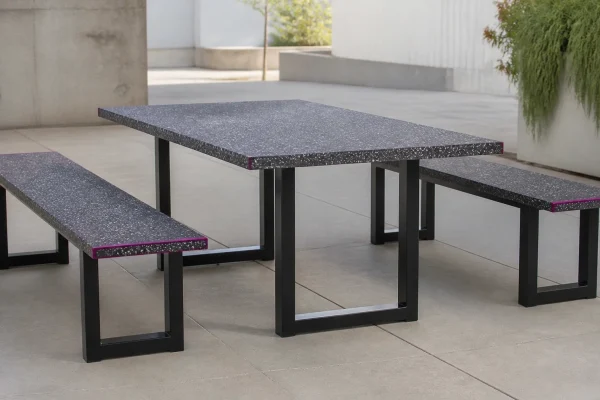
Whether you need recycled plastic sheets for construction or bespoke furniture, the material is a solid block of plastic with no veneers or additives. It works just like timber: you can drill, saw, and CNC it: but it won't fail in harsh Aussie conditions.

Checklist: How to Ace Your Next Circular Procurement Tender
If you’re preparing a bid for a project in late 2026, use this checklist to ensure your material selection meets the new industry standards:
- Does the supplier have a Take-Back Program? (Crucial for Design for Disassembly requirements).
- Is there verified data for the material? (Required for Green Star/NABERS ratings).
- Is the material manufactured in Australia? (Essential for lowering Scope 3 embodied carbon).
- What is the percentage of post-consumer recycled content? (Higher is better for circularity scores; ours is 100%).
- Can the supplier provide a traceability report? (Protects your project against greenwashing).
The Bottom Line: Materials are Assets
The shift to circular construction 2026 is ultimately a move toward smarter business. By sourcing recycled plastic sheets Australia from a local, closed-loop manufacturer, you are future-proofing your projects against rising waste costs and tighter regulations.
Stop viewing your materials as something to be used and lost. Start viewing them as a perpetual resource that stays in the loop.
Ready to swap your linear liability for a circular asset?
Explore our range of 100% recycled plastic panels or contact us today to discuss how our Take-Back Program can help you win your next tender.