Let’s face it: the irony in our current education system is hard to ignore. We spend years teaching children about the "Three Rs": Reduce, Reuse, Recycle: while seating them at desks made from virgin plastics or urea-formaldehyde-laden MDF that will inevitably end up in a landfill the moment a corner chips.
If we want to teach the next generation about the circular economy, we need to stop just talking about it and start sitting them on it.
At Resourceful Living, we believe that school furniture shouldn't just be a functional asset; it should be a living case study. When a student realises their locker or desk used to be a collection of milk cartons or shampoo bottles, the abstract concept of "sustainability" suddenly becomes a tangible reality.
In this guide, we’ll explore why recycled plastic sheets in Australia are becoming the gold standard for educational fitouts and how your procurement choices can drive a massive cultural shift in the classroom.
The Cognitive Dissonance of Traditional School Furniture
For decades, the standard choice for school fitouts has been a race to the bottom on price. This usually leads to two culprits:
- Laminated MDF/Chipboard: It looks fine for six months until the first water bottle leaks. Then it swells, the edge banding peels, and it becomes a structural liability.
- Virgin Plastic Polypropylene: Cheap, lightweight, and carbon-intensive. It’s a linear "take-make-waste" product that offers zero educational value beyond its immediate utility.
Why are we still settling for materials that have no future? Choosing recycled plastic sheets in Australia for school fitouts isn't just an environmental win; it’s a durability upgrade. Unlike timber-based boards, our 100% recycled HDPE panels are waterproof, graffiti-resistant, and virtually indestructible.
The SA Department of Education Case Study: Tangible Circularity
We recently partnered with the South Australian Department of Education on a project that perfectly illustrates this shift. Instead of sourcing standard storage solutions from an overseas catalogue, they looked at their own waste streams.
We manufactured custom "Resourceful Boxes": durable, modular storage units: made entirely from recycled plastic. This wasn't just about furniture; it was about closing the loop.
- The Waste: Post-consumer plastic that would otherwise pollute Australian landscapes.
- The Product: High-performance storage for schools.
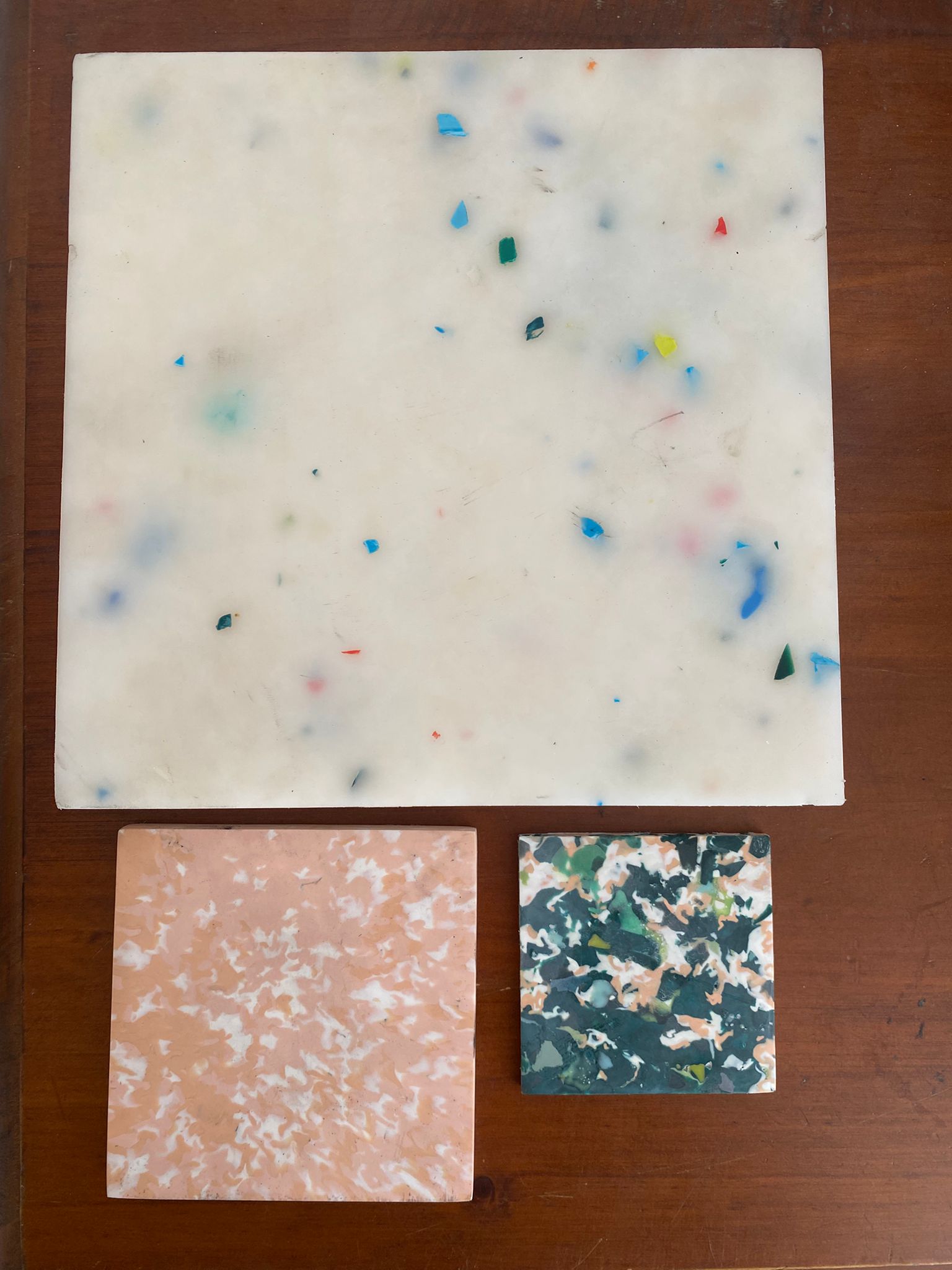
- The Lesson: Students can see the "confetti" flecks of original plastic types in the grain of the material.
By integrating these materials, the SA Dept of Ed isn't just hitting ESG targets; they are providing a visual, tactile reminder to every student that waste is simply a resource in the wrong place.
Why Every Desk Should Tell a Story
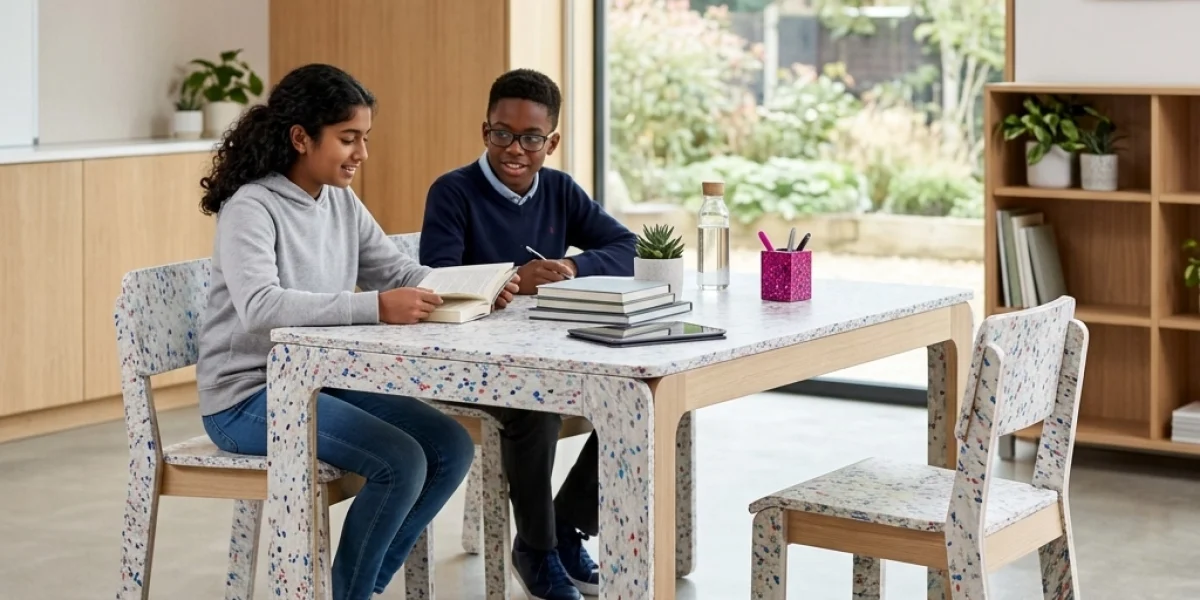
Children are naturally inquisitive. When they see a surface that isn't a flat, boring beige, they ask questions. Our panels, like the N70 White Confetti, feature vibrant flecks of original plastic caps and containers.
"Furniture in a learning environment should be more than just a place to sit. It should be a conversation starter about the world we want to build." : Jess Hodge, Resourceful Living.
When a teacher can point to a desk and say, "This was 400 milk cartons last month," they’ve just delivered the most effective environmental science lesson of the year. This is the essence of the 4 principles of a true circular economy.
Technical Advantages: Why Recycled Plastic Wins in the Classroom
While the "story" is great for the soul, school business managers need to know the numbers. Why choose recycled plastic sheets in Australia over traditional materials like marine ply or treated timber?
| Feature | MDF / Particle Board | Marine Plywood | Resourceful Living Recycled Plastic |
|---|---|---|---|
| Water Resistance | Low (swells) | Medium | 100% Waterproof |
| Graffiti Removal | Difficult (damages finish) | Moderate | High (chemical resistant) |
| Lifespan | 3–5 years | 7–10 years | 20+ years |
| End-of-Life | Landfill | Landfill/Incineration | 100% Recyclable (Take-back) |
| Maintenance | High | Medium | Low |
As you can see, the comparison between recycled plastic board and marine plywood highlights that for high-traffic, high-spill environments like schools, plastic is the logical victor. It doesn't rot, it doesn't need painting, and it laughs in the face of a spilled juice box.
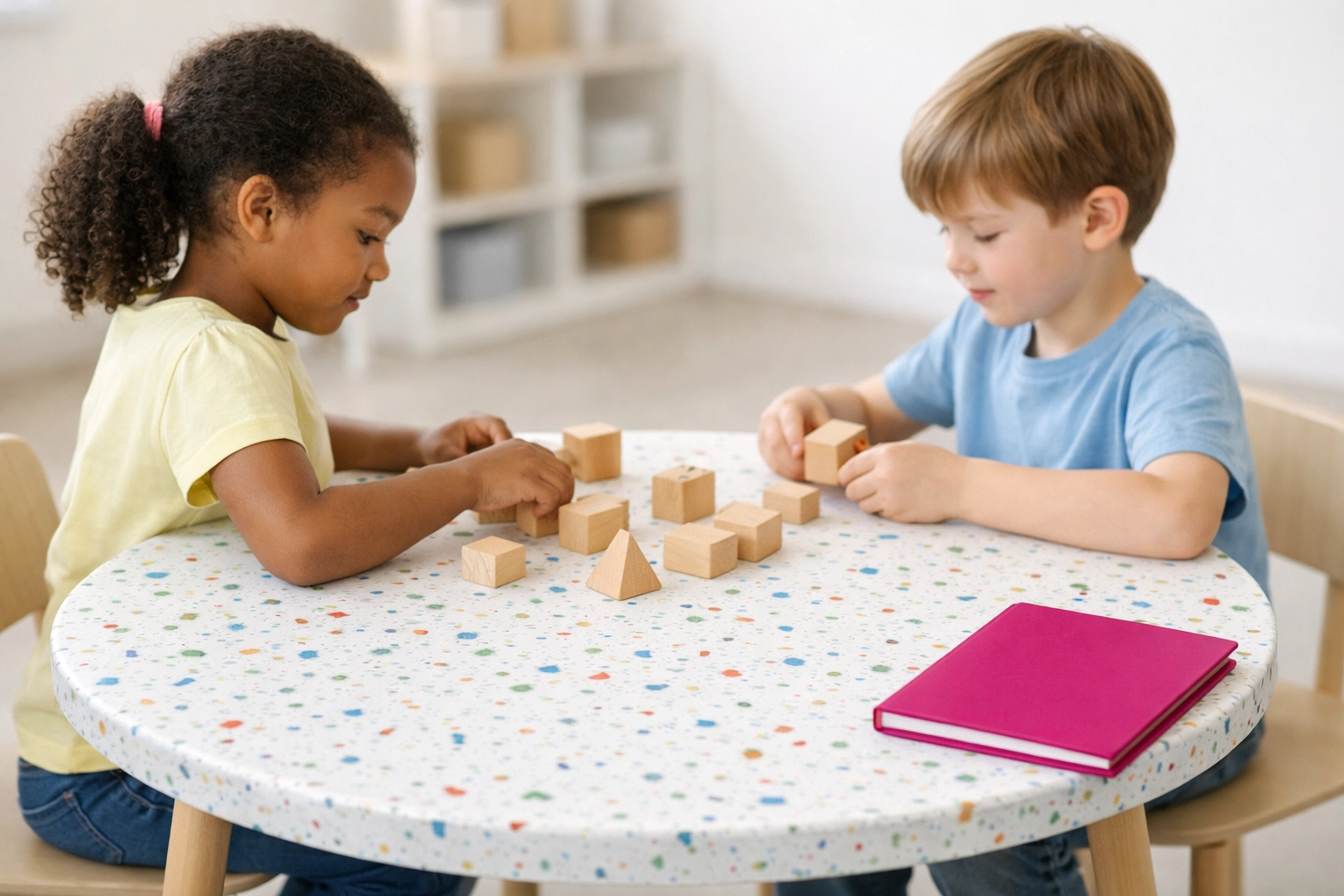
Suggested Image: A group of school children sitting around a brightly speckled recycled plastic table, engaged in a creative activity.
Slashing Site Waste and Meeting Tenders
For architects and builders working on new school construction or major renovations, the pressure to meet "Green Star" or NABERS ratings is higher than ever. Australia's new embodied carbon rules mean that every material choice is scrutinised.
Using our recycled panels allows you to:
- Reduce Embodied Carbon: By using 100% recycled content, you bypass the massive energy expenditure of virgin material production.
- Earn LEED/Green Star Points: Our materials provide the documented proof required for sustainable construction tenders.
- Zero Waste On-Site: We can provide pre-cut panels to your exact specifications, meaning your installers aren't filling skips with offcuts.
If you are a builder looking to stay competitive, check out our guide on choosing sustainable materials to slash site waste.
The "Blue Bin" Myth and Why Local Manufacturing Matters
We’ve all heard it: "I put it in the recycling, but it probably just goes to landfill." Sadly, for a lot of soft plastics and mixed resins in Australia, that has historically been true.
By sourcing recycled plastic sheets in Australia from a local manufacturer like Resourceful Living, schools are supporting a sovereign circular economy. We aren't shipping our waste to another country to deal with. We are processing Australian waste, in Australia, for Australian kids.
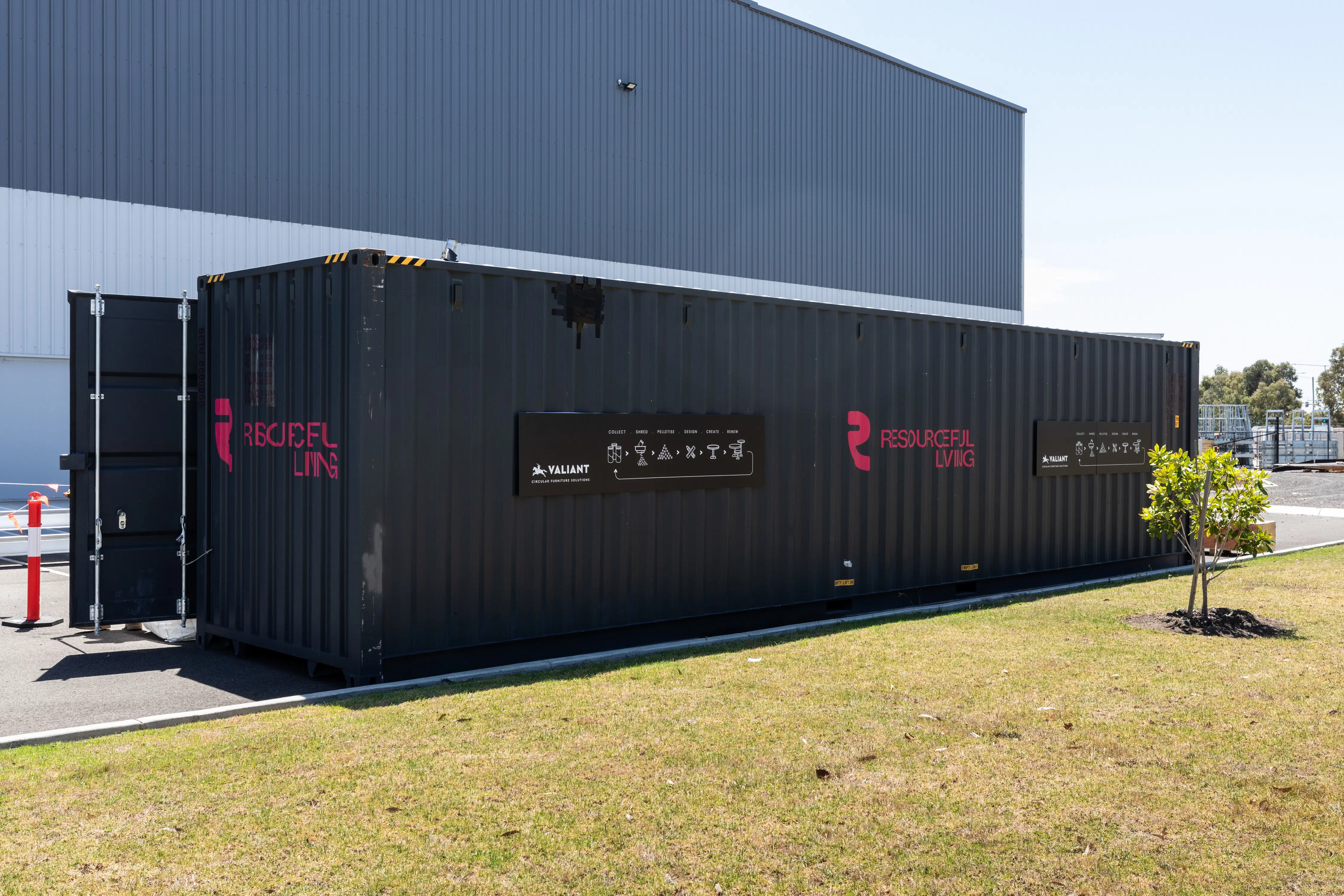
Our mobile recycling units and industrial partnerships ensure that the plastic collected from local communities actually ends up back in those same communities as high-value infrastructure. That is how you fix the recycling lie.
How to Transition Your School to a Circular Fitout
Ready to make the switch? It doesn't have to happen all at once. Circularity is a journey, not a light switch.
- Conduct a Waste Audit: Understand what your school is currently throwing away. Can that waste be turned into your next batch of benches? Use our waste audit template to get started.
- Start with "High-Impact" Zones: Wet areas, art rooms, and outdoor seating are the perfect trial grounds for recycled plastic due to its moisture resistance.
- Specify "Recycled Content" in Tenders: When hiring contractors, make 100% recycled Australian plastic a non-negotiable requirement for joinery and furniture.
- Join an ESG Partner Program: Collaborate with experts to ensure your school’s sustainability claims are backed by data. Learn more about our ESG Partner Program.
The Future is Speckled
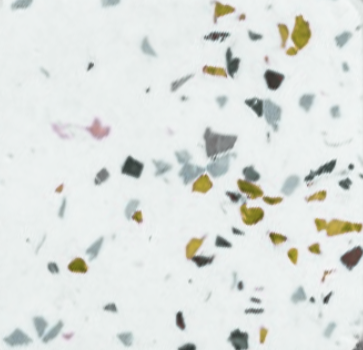
The aesthetic of the future isn't sterile, virgin-white laminate. It’s the vibrant, multi-coloured "confetti" look of a material that has a history and a future.
When we choose to fit out our schools with recycled plastic sheets in Australia, we are telling our children that we value their future more than we value the convenience of the status quo. We are showing them that innovation isn't just about new apps or gadgets; it's about being resourceful with what we already have.
Don't let your next fitout be another contribution to the landfill. Let it be a legacy of Resourceful Living.
Are you ready to transform your school’s environment?
Explore our range of recycled plastic panels or contact Jess and the team today to discuss how we can help you close the loop on your next project.