The architectural landscape in Australia just hit a massive turning point. If you’ve been keeping an eye on the National Construction Code (NCC) 2025 updates, you’ll know that the days of "optional" sustainability are effectively over.
We’ve moved into an era where embodied carbon reporting and circular procurement aren't just buzzwords for elite Green Star projects: they’re becoming the baseline for every commercial tender in the country. For architects, this means the pressure is on to find sustainable building materials in Australia that don't just look the part but carry the technical data to back up a compliance certificate.
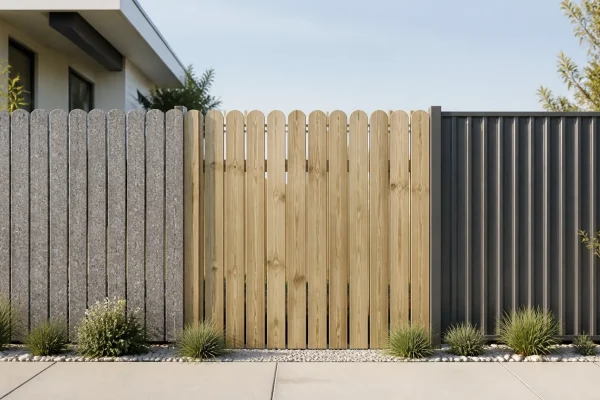
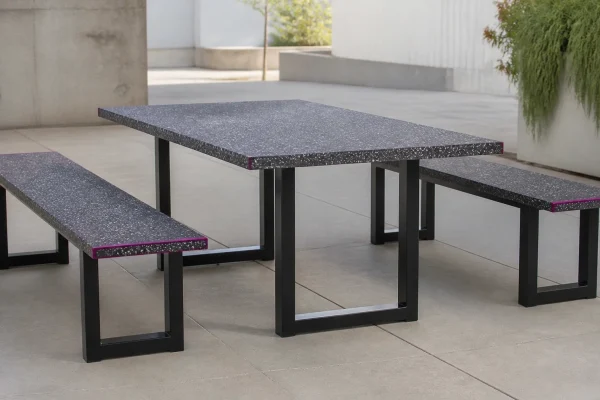
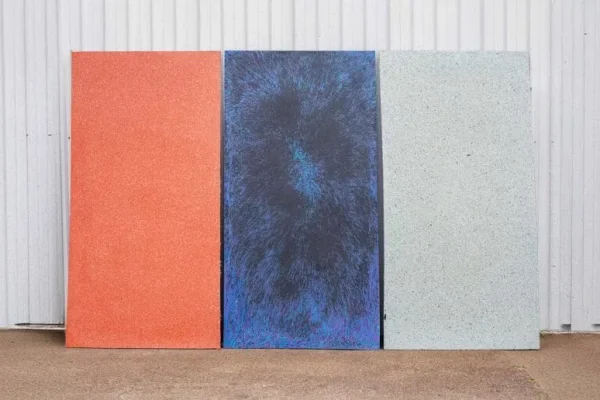
At Resourceful Living, we’re seeing a massive surge in specifiers moving away from traditional materials like plywood and virgin plastics in favour of our 100% recycled Australian plastic panels. Why? Because they solve the "compliance vs. design" headache that usually plagues sustainable builds.
The Regulatory Shift: Why NCC 2025 Matters Now
The publication of NCC 2025 (released February 2026) introduced a significant voluntary pathway for commercial buildings to report on upfront carbon. While it’s currently a "voluntary" reporting phase, the industry consensus is that this is the final trial run before mandatory pass/fail thresholds arrive in the NCC 2028 update.
Key Drivers in the 2026 Market:
- NABERS Embodied Carbon Framework: This has become the gold standard for measurement. If your material choice isn't traceable, it won't count toward your rating.
- Green Star v1.1: Mandatory embodied carbon reductions (typically 10-20% against a reference building) are now the entry-level requirement for certification.
- Government Procurement Rules: State and Federal projects now prioritise "closed-loop" materials, meaning you need to prove where the material came from and where it goes at the end of its life.
"The architectural industry is shifting from a 'take-make-waste' model to seeing buildings as material banks. Specifying 100% recycled content is the most direct way to slash a project's carbon debt before the first brick is even laid." : Jess Hodge, Resourceful Living.
Recycled Plastic: The "Plywood Killer" of 2026
For decades, marine plywood and MDF were the defaults for everything from site hoardings to retail fit-outs. But as we move toward stricter circularity, these materials are failing the test. They rot, they require constant maintenance (painting/sealing), and their glues make them almost impossible to recycle.
In contrast, our 100% recycled plastic sheets are being specified as a superior alternative for high-moisture and high-wear environments.

Why Architects are Switching:
- Zero Maintenance: No painting, no staining, and zero risk of delamination.
- UV & Moisture Resistance: Unlike timber, these panels won't swell in tropical humidity or grey off in the harsh Australian sun.
- Traceability: Because we manufacture 1 tonne of plastic per day right here in Australia, we can provide the exact "A4" stage transport data for your embodied carbon reporting.
Navigating NCC Performance Requirements
Specifying a new material requires more than just a "green" tick. Under the NCC, recycled plastic products must meet the same performance standards as virgin materials.
1. Fire and Combustibility
This is the big one. Architects must verify the application. For internal wall and ceiling linings, our panels are often assessed under the AS 5637.1 (Group Number) system. Depending on the building class (Class 2-9), you’ll need to ensure the product meets the specific fire indices for that zone. Always request a current fire test report before specifying.
2. Durability Standards
The NCC 2025 durability standards assume a service life of 25–50 years for many building components. Recycled HDPE/PP is inherently rot-proof and chemical-resistant, making it a "fit and forget" solution that often outlasts the asset's primary lifecycle.
3. Health and VOCs
Indoor Air Quality (IAQ) is a major component of modern sustainability ratings. Unlike some composite timbers that off-gas formaldehydes, our panels are solid blocks of 100% recycled plastic with no added resins or glues. This makes them ideal for school fit-outs and healthcare environments.
| Feature | Recycled Plastic (RL) | Treated Plywood | Virgin Plastic (Imported) |
|---|---|---|---|
| Carbon Footprint | Ultra-Low (Local) | Medium | High (Global Shipping) |
| Recyclability | 100% (Take-back) | Low (Contaminated) | Variable |
| Maintenance | Zero | High (Needs Paint) | Low |
| Traceability | High (Australian) | Low | Low |
The Power of Material Traceability
In 2026, data is the new currency. If you specify a "recycled" product from overseas, you likely have no way of verifying its claims. This creates a massive risk for your client during a Green Star audit.
By choosing 100% Australian recycled plastic, you’re not just supporting local industry; you’re securing a transparent data trail. At Resourceful Living, we manage the entire cycle: from shredding the local waste to pressing the final panel.

Step-by-Step Checklist for Specifying Recycled Plastic
To ensure your next project hits its circularity targets without a compliance hitch, follow this workflow:
- Identify the Application: Is it structural, decorative, or a wet-area lining?
- Verify Fire Compliance: Ask for the Group Number rating (AS 5637.1) relevant to your building class.
- Request the "End-of-Life" Plan: Does the supplier have a documented take-back program? (Ours is free of charge).
- Confirm Traceability: Can the manufacturer prove the plastic is 100% Australian-sourced? This is critical for winning government tenders.
- Document the Carbon Savings: Use the manufacturer's data to input into your NABERS or Green Star carbon calculator.
Designing for the Future
The shift to sustainable building materials in Australia isn't just about meeting a code; it's about future-proofing your designs. As landfill levies continue to skyrocket and carbon taxes become more likely, buildings designed with "disassembly" in mind will hold far more value.
Our 2400mm x 1200mm panels are designed to be easily removed and remanufactured at the end of the building's life. This isn't just "recycling": it's Resourceful Living.

Ready to specify the future?
If you’re working on a commercial fit-out or a government tender and need technical data or samples, get in touch with our team today. We can help you navigate the NCC 2025 requirements and ensure your project is a leader in the Australian circular economy.