By 2026, sustainability isn't just a "nice to have", it’s a commercial imperative. Whether you’re a project manager aiming for a NABERS rating or a conscious consumer looking to renovate, the demand for sustainable materials has never been higher.
However, this "Green Rush" has brought a significant challenge: greenwashing.
As more companies claim to be "eco-friendly," it’s becoming harder to distinguish between genuine recycled plastic manufacturers in Australia and those simply putting a green coat of paint on traditional, linear manufacturing.
If you’re looking to invest in the circular economy, you need to know exactly what’s happening behind the factory doors. This guide will show you how to cut through the marketing noise and identify authentic partners who are actually closing the loop.
What Does "Greenwashing" Look Like in Plastic Manufacturing?
In the world of recycled materials, greenwashing often hides in the fine print. You might see a product labelled "made with recycled plastic," only to find out it contains less than 10% recycled content, with the rest being virgin resin or unrecyclable fillers.
Other common tactics include:
- The "Veneer" Trick: A thin layer of recycled material over a core of virgin plastic or non-recyclable composite.
- The "Recyclable" vs. "Recycled" Confusion: A product may be recyclable (in theory), but it’s actually made from 100% virgin oil-based plastic.
- Missing Traceability: Claims of "ocean-bound plastic" that have no documentation to prove the material's origin or chain of custody.
To avoid these pitfalls, you need to look for specific markers of authenticity.
1. Demand Full Traceability (The "Birth Certificate")
Authentic recycled plastic manufacturers in Australia should be able to tell you exactly where their raw material came from. At Resourceful Living, we call this the "Birth Certificate" of a sheet.
If a manufacturer can’t tell you if their plastic came from post-consumer milk bottles, industrial pallet wrap, or agricultural waste, they aren't managing a transparent supply chain. True circularity requires knowing the "recipe."
Why it matters for your project:
Without traceability, you cannot guarantee the safety or consistency of the material. For commercial projects, this is often a requirement for passing your next green audit or meeting ESG targets.
2. 100% Recycled Content vs. "Contains Recycled Material"
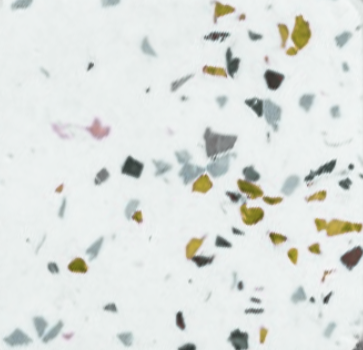
There is a massive difference between a board that is 100% recycled and one that simply "contains" recycled content. Many imported boards use "compatibilisers" and chemical additives to bond different types of plastics together. While this makes the manufacturing process easier, it often makes the final product impossible to recycle again.
"If a material is a mix of wood fibres, glue, and a little bit of plastic, it’s not a circular solution, it’s a future landfill occupant."
When sourcing sustainable construction materials in Australia, always ask for the percentage of recycled content. If it’s not 100%, ask what the other % is made of.
3. The "No Additive" Rule
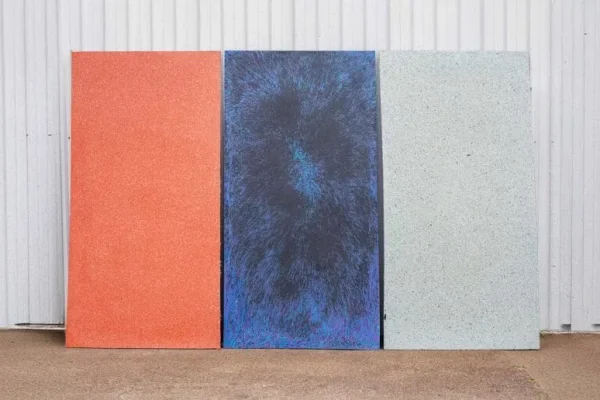
The gold standard for recycled plastic sheets is a monolithic material. This means the sheet is made from a single polymer type (like 100% HDPE) without added resins, glues, or veneers.
Why is this important?
- Durability: Monolithic sheets won't delaminate or rot like plywood or composite boards.
- Safety: No off-gassing from toxic glues.
- Recyclability: At the end of its life, a 100% HDPE sheet can simply be shredded and turned back into a new sheet.
For more on how this compares to traditional materials, check out our breakdown on recycled plastic board vs. timber.
4. Local Sourcing: The 100% Australian Claim
Many "Australian" suppliers are actually just importers. They buy massive containers of recycled sheets from overseas, slap a local label on them, and sell them as a "green" solution.
The problem? The carbon footprint of shipping heavy plastic sheets across the globe often outweighs the environmental benefit of using recycled material.
A true Australian manufacturer processes Australian waste in Australian facilities. This supports local jobs and ensures that our own domestic plastic waste is kept out of local landfills.
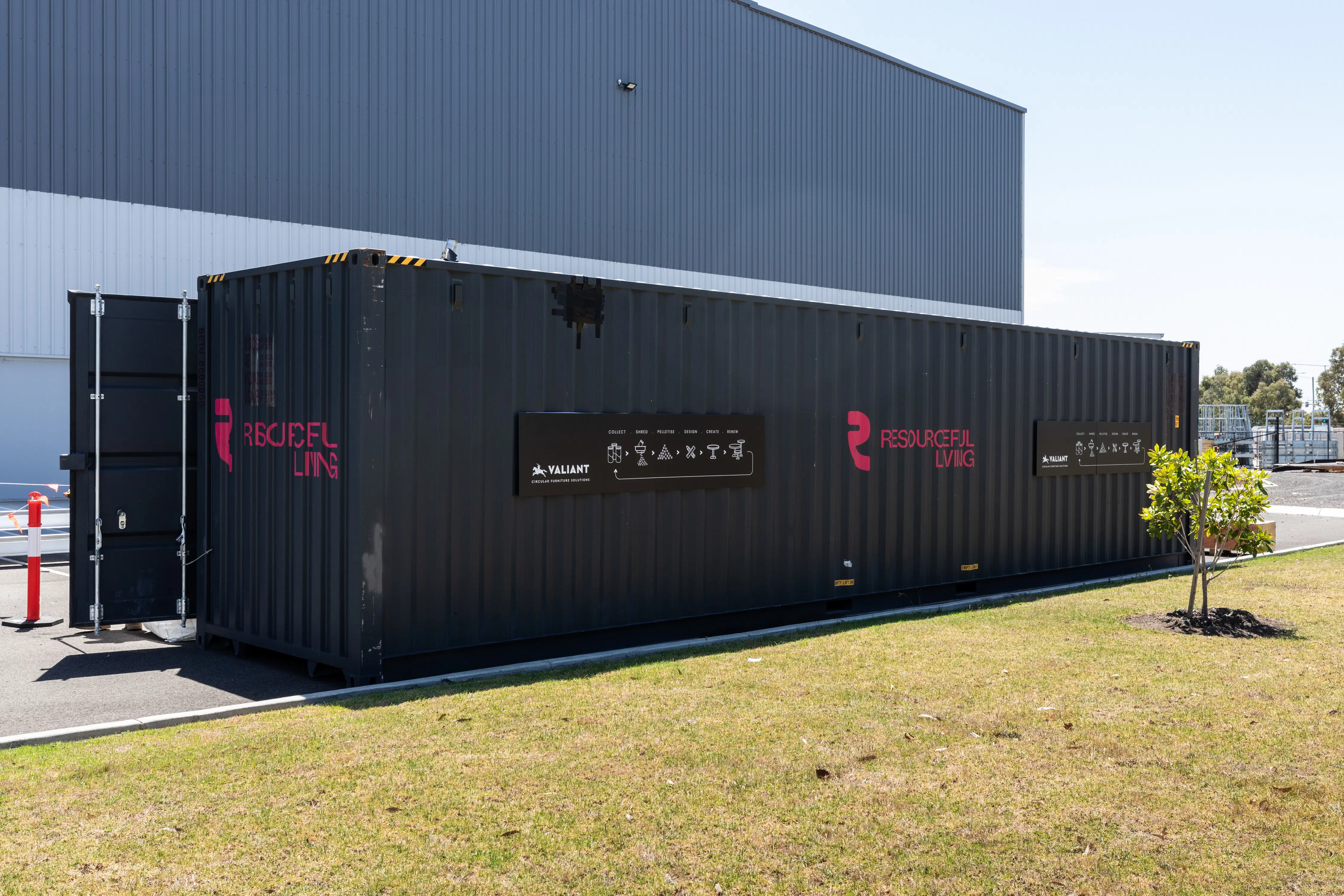
At Resourceful Living, we even take this a step further with onsite shredding units that process waste at the source, dramatically reducing transport emissions.
5. A Clear End-of-Life Plan (The Take-Back Program)
This is the ultimate test for greenwashing. If a company sells you a "sustainable" product but has no plan for what happens to it in 10 or 20 years, they are still operating in a linear economy.
Authentic recycled plastic manufacturers in Australia should offer a Take-Back Program.
What to ask a potential supplier:
- "If I have offcuts from my CNC machining, will you take them back?"
- "At the end of this project's life, can I return the boards to you for recycling?"
If the answer is "no," then the loop isn't closed. A true closed-loop ESG partner will always want their material back because they know exactly what's in it, making it a valuable resource for their next production run.
Comparing the Options: What to Look For
| Feature | Authentic Manufacturer (e.g., Resourceful Living) | Potential Greenwasher |
|---|---|---|
| Material Composition | 100% Recycled (No virgin fillers) | 10-30% Recycled + Virgin Resins |
| Traceability | Documented source of waste | "Mixed source" or unknown |
| End of Life | Guaranteed Take-Back Program | "Check with your local council" |
| Manufacturing | Local (Made in Australia) | Imported from overseas |
| Structure | Monolithic (Solid through-and-through) | Layered or Veneered |
Why Choosing the "Gold Standard" Matters for B2B
For businesses, choosing a genuine manufacturer isn't just about ethics: it’s about Risk Management.
Using a product that claims to be recycled but fails to meet standards can lead to:
- Compliance issues: Failing to meet Australia’s new sustainable procurement policies.
- Brand damage: Being called out for greenwashing is a major PR risk in 2026.
- Product failure: Cheaply made composites often crack or fade, leading to higher long-term costs.
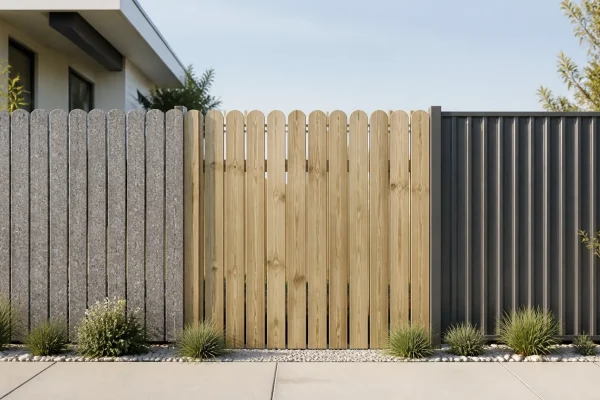
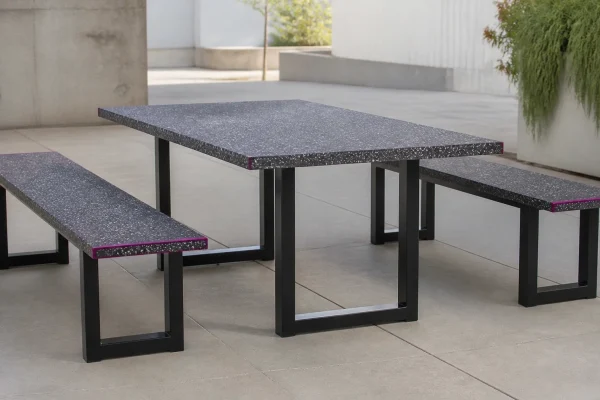
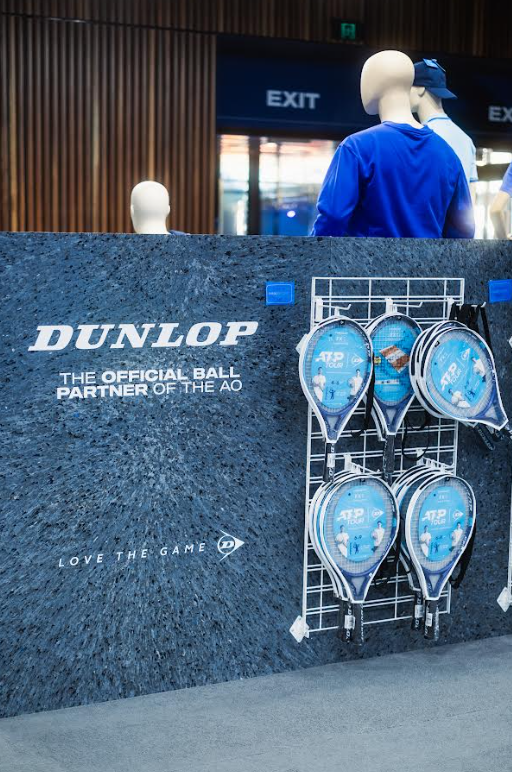
When you choose 100% recycled plastic sheets that are locally made and fully traceable, you are investing in a high-performance material that stands the test of time. These panels are weather-resistant, rot-proof, and aesthetically stunning, making them perfect for everything from modular construction to bespoke retail displays.
Your Procurement Checklist
Next time you are sourcing materials, use this quick checklist to vet your recycled plastic manufacturers in Australia:
- ✅ Is it 100% recycled? (Get this in writing).
- ✅ Is there a Take-Back program? (Ensure they will accept offcuts and end-of-life products).
- ✅ Where is the factory? (Ask for the specific Australian address where the sheets are pressed).
- ✅ Is it monolithic? (Check if the colour and material are consistent all the way through the board).
- ✅ Can they provide a data sheet? (Legitimate manufacturers will have technical specs on density, UV stability, and fire ratings).
Final Thoughts: Leading the Circular Revolution
The shift toward a circular economy in Australia is well underway. By choosing authentic manufacturers, you aren't just buying a product; you’re supporting a system that treats waste as a resource rather than a burden.
At Resourceful Living, we pride ourselves on being the benchmark for closed-loop manufacturing in Australia. Our process is simple, transparent, and 100% focused on creating high-value products from what others discard.
Ready to see the difference that 100% recycled, traceable plastic can make for your next project? Explore our ultimate guide to recycled plastic sheets or get in touch with our team today to discuss your sustainable procurement needs.
Let’s stop the greenwashing and start building a truly resourceful Australia.