For decades, the Australian manufacturing sector followed a predictable, albeit destructive, "take-make-dispose" model. We extracted raw materials, turned them into products, and once they reached the end of their life, we buried them in the ground.
Today, that model is failing. With landfill costs skyrocketing and social license becoming harder to maintain, businesses and government sectors in the built environment are looking for a better way. The answer lies in Closed Loop Manufacturing.
At Resourceful Living, we’re not just talking about recycling. We’re talking about a fundamental shift in how infrastructure is built. By keeping 100% Australian plastic waste within our borders and transforming it into high-performance assets, we are proving that waste isn't a problem to be solved: it’s a resource to be managed.
What Exactly is Closed Loop Manufacturing?
In a traditional "open loop" system, materials eventually leave the economy as waste. In a closed loop system, products are designed, manufactured, used, and then recovered to become the raw material for the exact same process again.
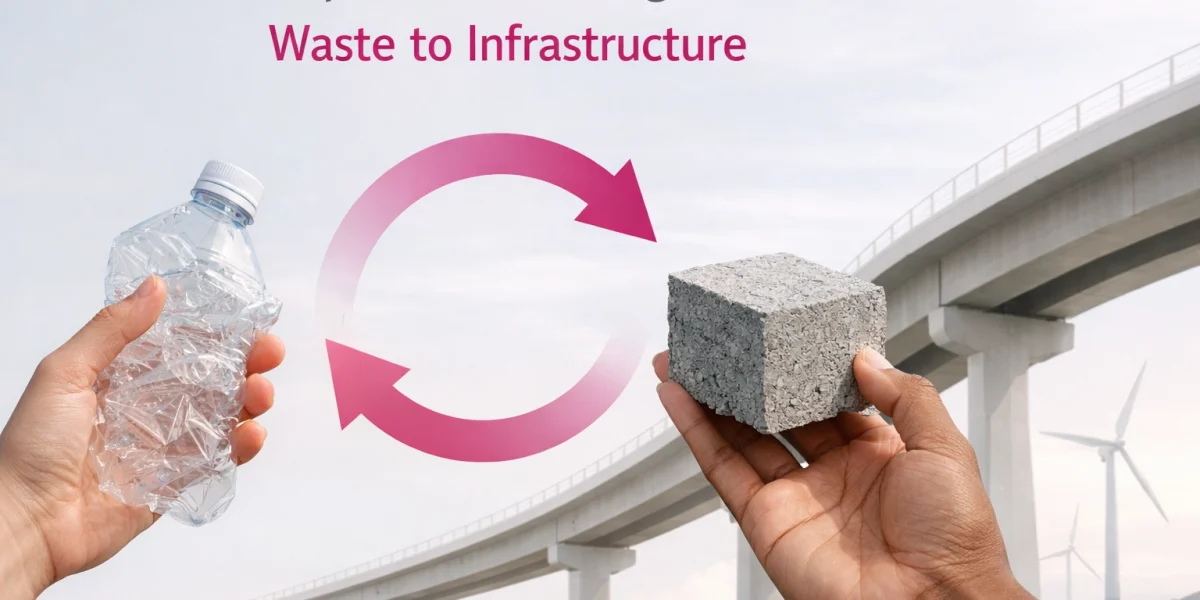
For the built environment, this means the plastic waste generated by a local council or a mining site doesn't just disappear. It is collected, processed into a new product: like a wheel stop or a site panel: and then, years later, when that product is no longer needed, it is returned to the factory to be shredded and remade.
This is the ultimate expression of the recycled plastic circular economy. It eliminates the concept of waste entirely.

Why Local Matters: 100% Australian Plastic Waste
One of the biggest hurdles in Australian sustainability is the export of waste. For too long, we’ve shipped our plastic problems overseas, losing control of the material and its environmental impact.
We do things differently. We focus exclusively on Australian-sourced plastic waste. This approach offers three distinct advantages:
- Reduced Carbon Footprint: We eliminate the massive emissions associated with international shipping.
- Supply Chain Security: By sourcing locally, we aren't vulnerable to global shipping delays or international policy shifts.
- Local Job Creation: Every tonne of plastic we process supports Australian workers and strengthens our domestic manufacturing capabilities.
When you choose products made from local waste, you aren't just buying a piece of infrastructure; you are investing in a more resilient Australian economy.
Traceability: The ESG Data You Actually Need
For modern businesses and government departments, "doing the right thing" isn't enough. You have to prove it.
Sustainability targets are now tied to procurement contracts, and stakeholders demand transparency. This is where many "recycled" products fall short. If you don't know where the plastic came from, can you really claim it's sustainable?
At Resourceful Living, we prioritise end-to-end traceability. Because we manage the entire cycle: from collection to manufacturing: we provide our clients with the data they need to meet their ESG (Environmental, Social, and Governance) targets.
Knowing that your site’s safety equipment was once post-industrial waste from a neighbouring suburb is a powerful narrative. It’s also a verifiable fact that can be included in annual sustainability reports. This is what it means to be a closed-loop ESG partner.
Turning Waste into High-Performance Infrastructure
The skepticism around recycled materials often centers on durability. There’s a misconception that recycled plastic is "weaker" than virgin materials like timber or steel.
In reality, the opposite is often true, especially in harsh Australian environments. Our manufacturing process creates high-density products designed to withstand extreme UV, moisture, and chemical exposure.
Key Infrastructure Applications:
- Mining Sites: From wheel stops to rehabilitation products, recycled plastic is becoming the standard. Our recycled plastic wheel stops for mining sites are built to handle heavy-duty loads without the cracking or corrosion seen in concrete or steel.
- Civil Construction: Recycled plastic panels and bollards offer a maintenance-free alternative to traditional materials.
- Urban Environments: Street furniture and landscaping elements that won't rot, splinter, or require painting.
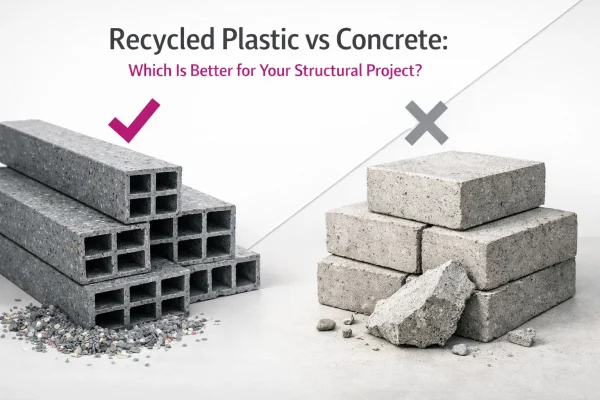
When comparing recycled plastic vs. timber vs. steel, the long-term cost savings are significant. While the initial investment might be comparable, the lack of maintenance and extended lifespan make it the clear winner for infrastructure projects.

The Take-Back Program: The Final Piece of the Puzzle
The "closed loop" is only truly closed if there is a clear path for the product at the end of its life. Most manufacturers sell you a product and then wash their hands of it.
Our Take-Back Program is what sets us apart. When a Resourceful Living product finally reaches the end of its useful life: whether that’s in 10 years or 50: we take it back.
We don't want our products ending up in landfill any more than we want raw plastic there. We take the old product, shred it, and put it right back into our manufacturing line. This ensures that the material stays in use indefinitely, providing a truly sustainable lifecycle for the built environment.
How to Start Your Transition to Closed Loop
Moving toward circular procurement can feel like a massive undertaking, but it starts with simple, actionable steps. If you are managing a project in the built environment or looking to overhaul your waste management, here is a roadmap:
1. Conduct a Waste Audit
You can't manage what you don't measure. Identify the types and volumes of plastic waste your operations generate. We’ve even put together a simple waste audit template to help you get started.
2. Prioritize Circular Procurement
Shift your purchasing power. Instead of buying "disposable" timber or concrete assets, look for products that are made from recycled content and: crucially: are recyclable themselves.
3. Seek Traceability
Ask your suppliers for the origin of their materials. If they can’t tell you exactly where the plastic was sourced, you are taking a risk with your ESG reporting.
4. Plan for the End-of-Life
Before you buy, ask: "What happens to this in 20 years?" If the answer involves a skip bin, it’s not a sustainable solution. Look for manufacturers with established take-back programs.
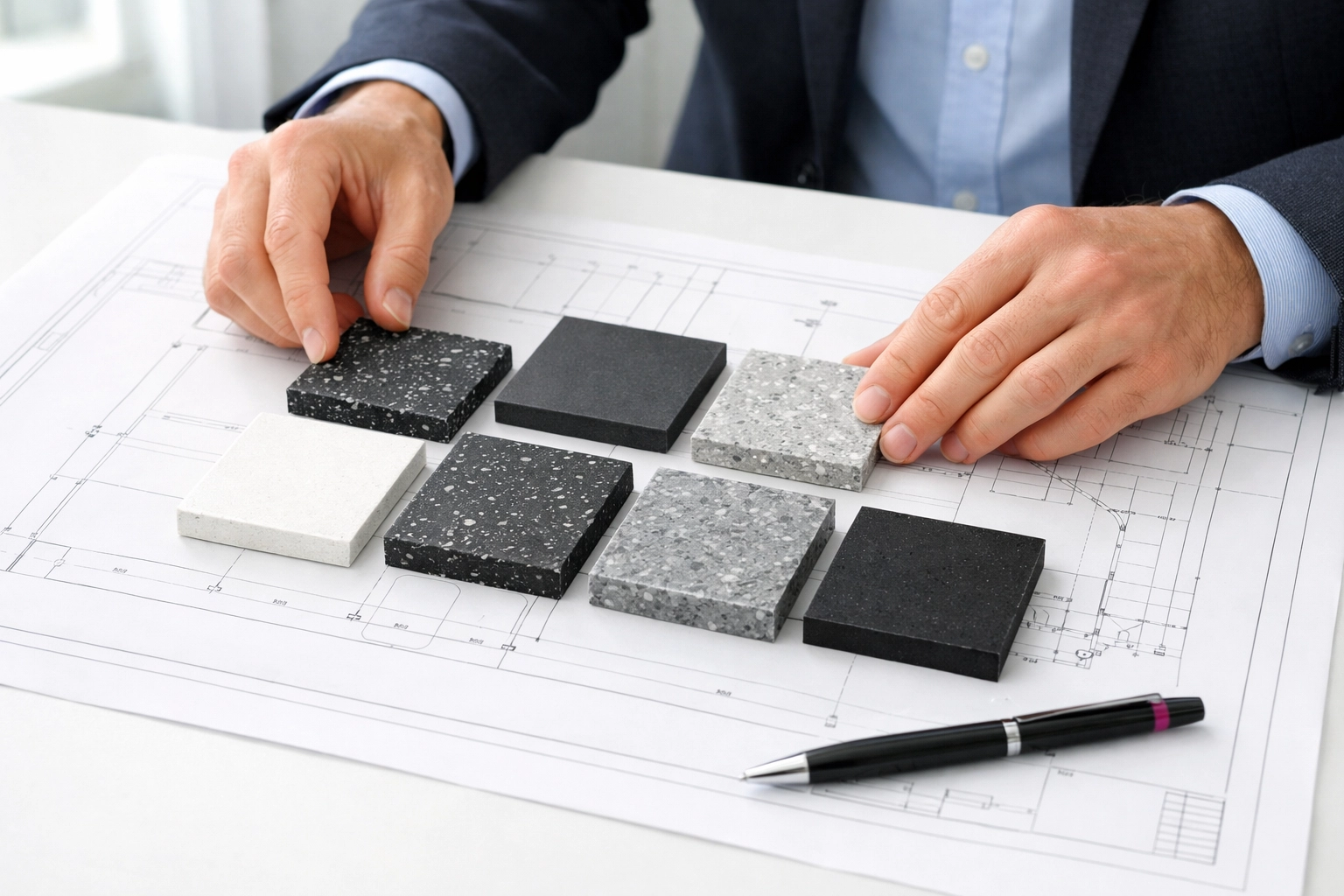
The Future of Sustainable Building
The shift toward green construction in Australia is no longer a niche trend; it’s a requirement. As state and federal governments increase landfill levies and mandate recycled content in major projects, closed loop manufacturing will move from "nice to have" to "essential."
By choosing to work with Australian waste, we are solving two problems at once: we are cleaning up our environment and building the high-quality infrastructure our country needs to grow.
The Impact of Choosing Closed Loop:
| Feature | Traditional Manufacturing | Closed Loop (Resourceful Living) |
|---|---|---|
| Raw Material | Virgin Oil/Gas | 100% Australian Plastic Waste |
| Supply Chain | Global/Opaque | Local/Transparent |
| End of Life | Landfill | Take-Back & Re-Manufacture |
| Maintenance | High (Rot/Rust) | Low to Zero |
| ESG Impact | Negative/Neutral | Highly Positive/Measurable |
Conclusion
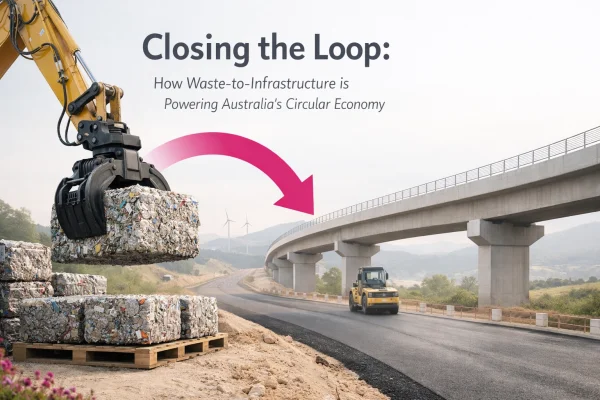
Closed loop manufacturing isn't just a technical process; it's a commitment to the future of Australian industry. By transforming waste into infrastructure, we are proving that sustainability and high-performance engineering are not mutually exclusive.
Whether you are in mining, civil construction, or government, the move to a circular economy offers a clear path to reducing costs, meeting targets, and building a legacy of resourcefulness.
Ready to close the loop on your next project? Explore our range of recycled plastic products for mining and civil infrastructure, and let’s build something that lasts( without costing the earth.)