
If you’re working in construction, government procurement, or large-scale Australian infrastructure, the goalposts just moved. As of 1 July 2024, the Australian Government’s Environmentally Sustainable Procurement (ESP) Policy has officially come into play.
Meta description (SEO): Learn how Australia’s ESP Policy affects tenders and how recycled plastic sheets and recycled plastic building materials can help you meet recycled content targets using sustainable construction materials Australia can source locally—with traceability and take-back.
This isn’t just another "green guideline" that sits on a shelf. It is a mandatory framework designed to bake circular economy principles directly into the Commonwealth’s spending. For any business aiming to secure government contracts, understanding how to meet these recycled content targets is no longer optional: it’s a competitive necessity.
At Resourceful Living, we’ve spent years perfecting the science of turning 100% Australian post-industrial and post-consumer waste into high-performance materials. We’ve seen the shift coming, and we’re here to help you navigate it.
The ESP Policy: What You Need to Know Right Now (Sustainable Construction Materials Australia)
The ESP Policy is being rolled out in stages. If you haven't checked your project thresholds lately, here is the breakdown:
- Construction Services: Effective 1 July 2024, for all projects valued at $7.5 million or above.
- Textiles, ICT Goods, and Furniture: Starting 1 July 2025, for procurements at or above $1 million.
The policy doesn't just ask you to "try your best." It requires suppliers to demonstrate measurable sustainability outcomes. This includes cutting waste, replacing virgin materials with recycled alternatives, and ensuring that products can be recovered or recycled at the end of their life.
For a deep dive into how this affects your bottom line, check out our guide on government incentives for recycled materials in construction.
Moving Beyond "Greenwashing" to Verified Traceability
One of the biggest hurdles in sustainable procurement is traceability. In the past, "recycled content" was a vague term. Under the new ESP framework, the Department of Climate Change, Energy, the Environment and Water (DCCEEW) is looking for verifiable data.
When you source materials from Resourceful Living, you aren't just getting a "recycled" label. You are getting 100% Australian-sourced and manufactured material. This is critical for meeting Australian procurement standards because:
- It supports local industry: You are contributing to the Australian circular economy, not just shipping waste overseas.
- The chain of custody is clear: We know exactly where our plastic comes from: whether it's old irrigation pipes or commercial waste.
- The carbon footprint is lower: Local manufacturing avoids the massive transport emissions associated with imported "recycled" boards.
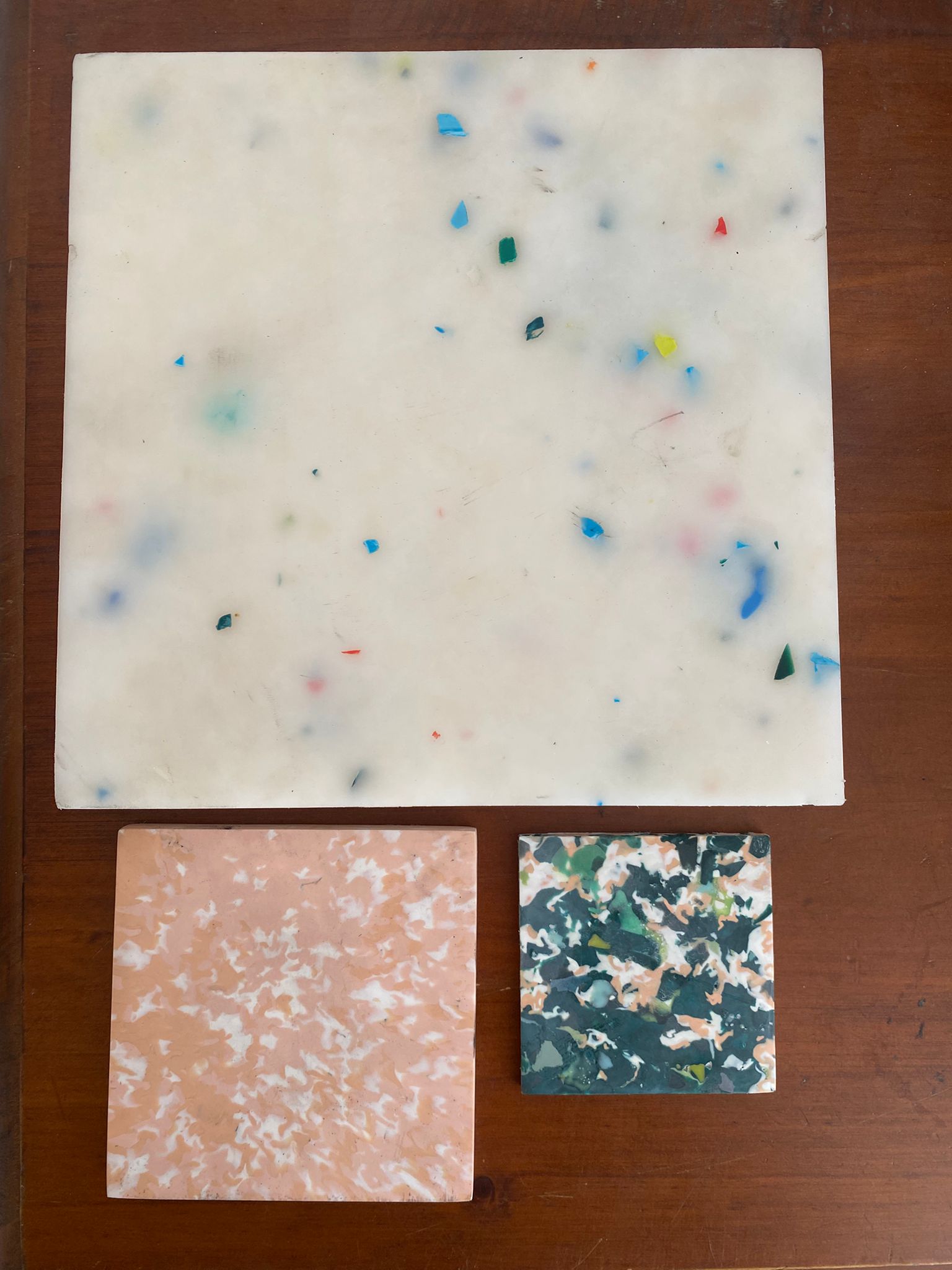
Understanding the lifecycle of a recycled plastic panel is the first step in proving to government auditors that your project meets the highest ESG standards.
Why 100% Recycled Plastic is the "Cheat Code" for ESP Compliance (Recycled Plastic Building Materials)
The ESP Policy specifically highlights replacing single-use or virgin materials with recycled content. In construction and fit-outs, this usually means looking at timber and steel. While these are traditional staples, they often fail the circularity test.
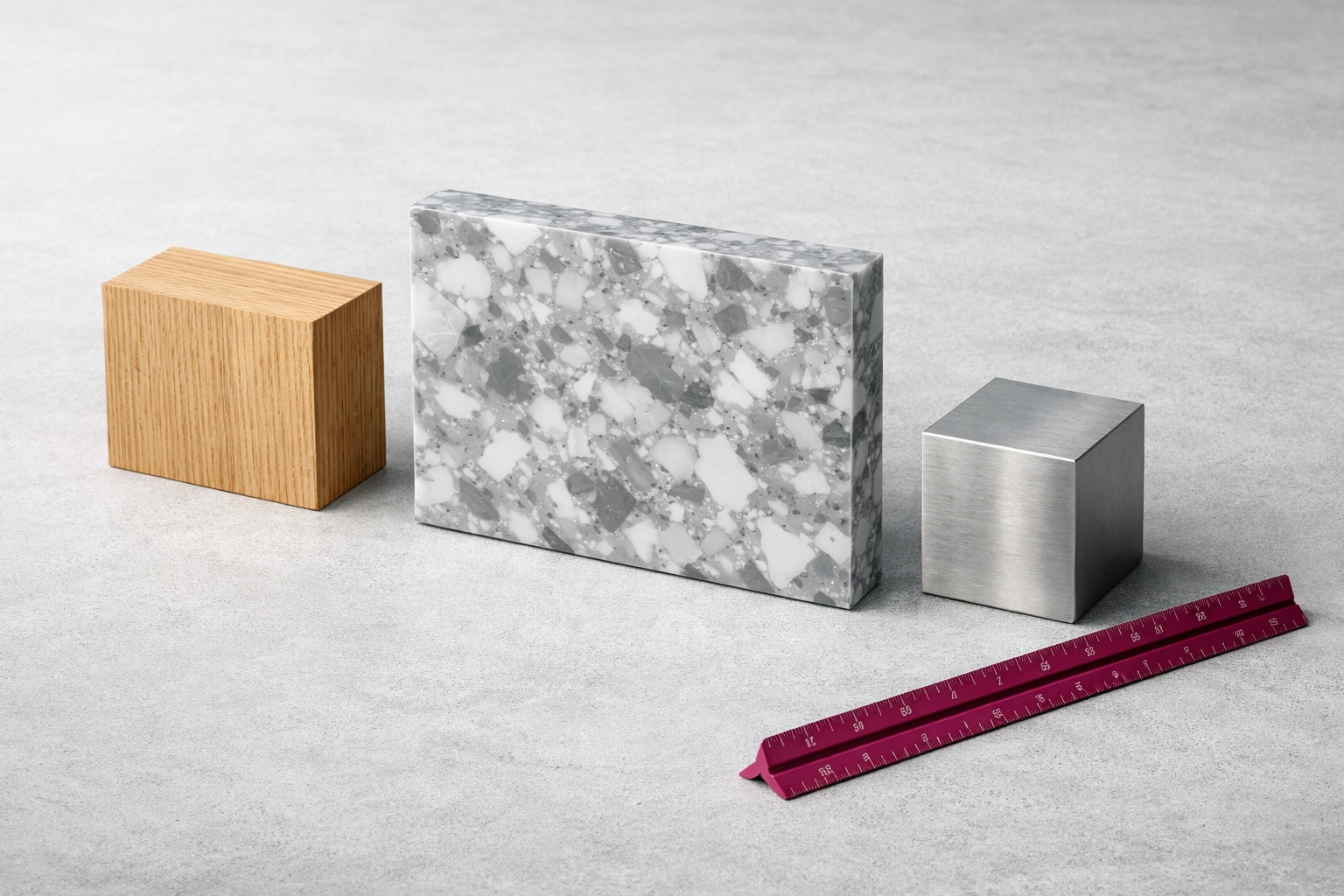
Recycled plastic sheets and panels offer a unique advantage because they are often more durable than timber in harsh environments and, unlike treated timber, they can be recycled again at the end of their life.
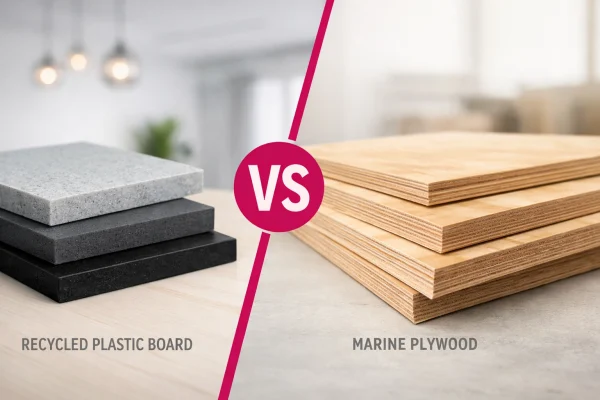
Performance Comparison: The Facts
| Feature | Virgin Timber | Recycled Plastic (Resourceful Living) |
|---|---|---|
| Recycled Content | 0% | 100% |
| Moisture Resistance | Low (Rots/Warps) | High (Impermeable) |
| Maintenance | High (Oiling/Painting) | Zero |
| End-of-Life | Landfill or Burning | 100% Recyclable |
| Traceability | Variable | Fully Traceable (Australian) |
Choosing the right material isn't just about the environment; it's about longevity. You can see a full breakdown of recycled plastic vs. timber vs. steel cost and lifespan here.
How to Implement Circular Procurement in Your Next Tender (Recycled Plastic Sheets)
If you are preparing a bid for a Commonwealth project, you need to show you have a plan for circularity. Here is how to position your business as a preferred supplier using Resourceful Living materials:
1. Identify "High-Impact" Substitution Areas
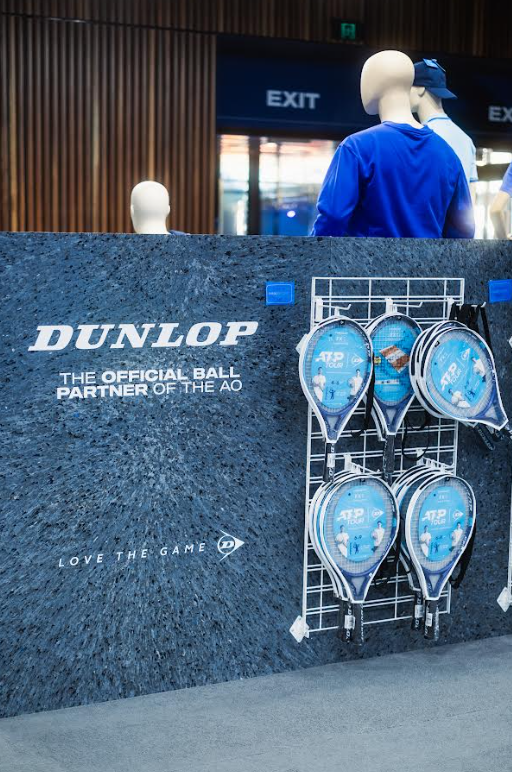
Look at areas where traditional materials underperform. Retail fit-outs, commercial furniture, and external infrastructure are prime candidates. Using recycled plastic panels for retail displays is an easy win for the July 2025 furniture threshold.
2. Leverage a "Closed-Loop" Partner
The ESP Policy values suppliers who have a plan for "worn-out materials." We offer a Closed-Loop ESG Partner Program where we can take back off-cuts or end-of-life products to be re-processed into new materials. This directly addresses the policy requirement for the "recovery and recycling of materials."
Learn more about becoming a Closed-Loop ESG Partner to bolster your tender application.
3. Conduct a Waste Audit
To prove you are reducing waste, you need a baseline. We recommend starting with a waste audit to see where your current materials are ending up. We’ve even put together a simple waste audit template to help you get started.
Specialized Applications: Mining and Heavy Industry
The $7.5 million construction threshold often captures major mining and civil works. In these sectors, sustainability is frequently traded off for durability. However, the ESP Policy doesn't make exceptions for "tough" environments.
We have developed a range of recycled plastic products specifically for mining sites, including:
- Recycled plastic wheel stops that won't crack or rot.
- Rehabilitation products designed for long-term site management.
- Heavy-duty infrastructure components.
By using these on-site, you are not only meeting the ESP outcomes but also reducing long-term maintenance costs and landfill fees.
Common Mistakes to Avoid
When the pressure is on to meet recycled content targets, it’s easy to make a quick decision that ends up costing you later.
- Buying Imported "Recycled" Boards: Many imported boards use "mixed plastics" that cannot be recycled again in Australia, effectively ending the circular loop.
- Ignoring Thickness Requirements: If the material isn't fit for purpose, it's not sustainable. Make sure you choose the right thickness for your specific structural needs.
- Lack of Certification: Ensure your supplier can provide the documentation required for your ESP reporting.
For more, read our checklist on 5 common mistakes when buying sustainable building materials.

The Future of Australian Manufacturing
The Environmentally Sustainable Procurement Policy is a clear signal: The circular economy is the new standard.
At Resourceful Living, we are proud to be at the forefront of this shift, transforming Australian plastic pollution into the high-quality infrastructure of tomorrow. Whether you are a small business looking to green your office or a major contractor tackling a $50M government project, the tools to meet your targets are right here in Australia.
Ready to future-proof your next project?
Let’s talk about how our closed-loop manufacturing can help you smash your sustainability targets. Explore our full range of recycled plastic panels and let's start building a more resourceful Australia together.