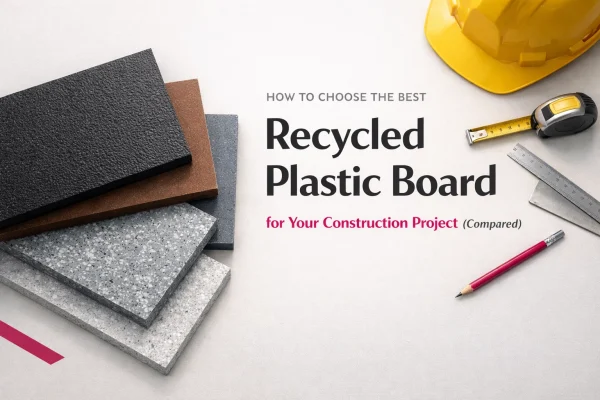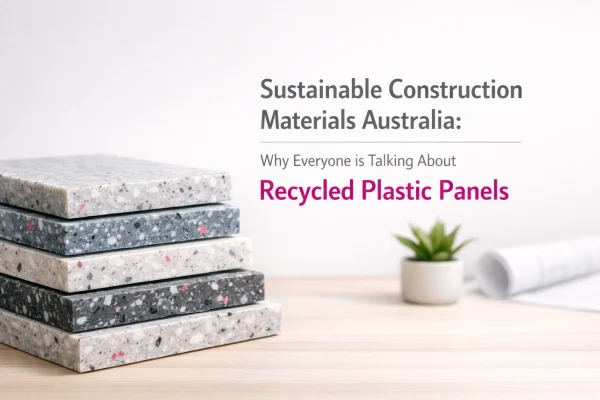

Choosing the right recycled plastic panel thickness can make or break your project. Whether you’re designing a council park bench, creating raised garden beds, or cladding a retail store wall, the structural performance and longevity of your recycled panel hinges on one thing: its thickness.
In this guide, we’ll walk through the most common thicknesses, what projects they’re suited to, and how to make the right choice for durability, strength, and sustainability. You’ll also discover related articles that help you compare materials, avoid common mistakes, and find the best recycled plastic panels in Australia.
✅ Shop by thickness and application
📎 Related: Buying Recycled Plastic Panels: What You Need to Know
Why Recycled Plastic Panel Thickness Matters
Choosing the correct thickness impacts:
- Load-bearing capacity
- Weather and UV resistance
- Weight (and therefore installation ease)
- Design flexibility
Panels that are too thin may warp or sag under pressure. Panels that are unnecessarily thick may increase costs and be harder to handle.
💡 Tip: Always match thickness to function, not just aesthetics.
Standard Thickness Options and Their Uses
At Resourceful Living, we manufacture panels in various thicknesses ranging from 10mm to 50mm. Here’s how they break down:
🔹 12mm Panels
- Best for: Decorative wall cladding, signage, interior partitions
- Why: Lightweight and easy to cut or mount
🔹 15–20mm Panels
- Best for: Furniture facings, planter boxes, shop fit-outs
- Why: Offers a balance of rigidity and flexibility
🔹 25–30mm Panels
- Best for: Raised garden beds, benches, commercial applications
- Why: Great structural strength and durability outdoors
🔹 40–50mm Panels
- Best for: Public infrastructure, bollards, structural elements
- Why: Maximum durability for high-impact or load-bearing projects
📎 Related: Maintenance & Longevity: How Recycled Plastic Stacks Up
✅ See example applications by thickness
Use Case Breakdown: Matching Project to Thickness
| Application | Recommended Thickness |
|---|---|
| Garden edging | 6–12mm |
| Raised garden beds | 20–30mm |
| Decorative cladding | 10–15mm |
| Outdoor seating/furniture | 25–40mm |
| Bollards or fencing posts | 40–40mm |
| Commercial retail fit-outs | 15–30mm |
Choosing a thinner panel in a high-wear area can shorten its lifespan. Similarly, choosing a thicker panel than necessary can increase material waste which goes against the sustainability goals of recycled plastic.
📎 Related: 5 Mistakes to Avoid When Choosing Eco-Friendly Building Materials
Design + Engineering Tips
- Support structure: Use appropriate framing depending on thickness
- Fixing method: Thicker panels allow embedded fasteners; thinner ones work well with brackets
- Cutting tools: Standard circular saws or CNC routers work well on all thicknesses
- Weight: Thicker panels are heavier
✅ Explore our custom panel options
Real Case Study: Choosing Panel Thickness for Council Park Seating
Client: Regional Council, NSW
Brief: Replace timber seating with low-maintenance, weatherproof material
Chosen panel: 40mm recycled plastic
Why:
- Heavy-duty use by public
- Outdoor exposure in coastal environment
- Long lifespan with zero maintenance
Result: A 40-year design lifespan, no painting required, and fully recyclable at end of life.
📎 Related: Where to Buy Recycled Plastic Panels in Australia
✅ Speak with a commercial project advisor
Sustainability Considerations
Using the right thickness supports:
- Material efficiency (no overuse)
- Reduced shipping emissions (lighter = greener)
- Circular lifecycle (recyclable again at end of life)
We help businesses and builders meet Green Star, NABERS and ESG compliance — and panel sizing is a key part of that.
📎 Related: Buying Recycled Plastic Panels: What You Need to Know
✅ Request our sustainability guide
Final Questions to Ask Before Choosing Thickness
- What type of load or pressure will the panel hold?
- Will it be exposed to rain, sun, or coastal environments?
- Is the panel visible or structural?
- Is ease of installation a priority?
- Will it be fixed, framed, or freestanding?
Asking these questions upfront saves time, money, and future headaches.
✅ Get a tailored recommendation
Summary: Choose the Right Thickness with Confidence
The right recycled plastic panel thickness gives you a better-looking, longer-lasting, more sustainable outcome. If you’re ever unsure, our team can recommend the ideal thickness based on your application, site location, and aesthetic preferences.