The Australian construction industry is at a massive turning point. We aren’t just talking about "going green" anymore; we’re talking about a fundamental shift in how we source, use, and dispose of building materials. With new government regulations and a growing push for Net Zero, the demand for sustainable construction materials in Australia has never been higher.
But here’s the thing: not all "eco-friendly" materials are created equal. If you’re a builder, developer, or architect, you need to know exactly what’s going into your project to ensure it’s actually sustainable, and compliant.
At Resourceful Living, we live and breathe this stuff. We’ve seen the industry evolve, and we’ve helped some of the biggest names in Australia make the switch to circular materials.
Here are the 10 critical things you need to know about the current landscape of sustainable materials in Australia.
1. Carbon Emission Savings Are Measurable (And Massive)
When we talk about sustainability, we often get bogged down in "vibes." But for Tier 1 contractors and government projects, the only thing that matters is the data.
Did you know that using recycled high-density polyethylene (HDPE) instead of virgin plastic can save between 0.9 to 1.75 tonnes of CO2 per tonne of material produced? 📉
By choosing recycled plastic panels over traditional timber or virgin synthetics, you are directly reducing the embodied carbon of your build. This is a huge win for companies looking to meet strict ESG (Environmental, Social, and Governance) targets.
"True sustainability isn't just a label; it’s a calculation of carbon saved and waste diverted."
2. 100% Australian Waste is the Gold Standard
You’d be surprised how much "recycled" material sold in Australia is actually shipped in from overseas. This completely defeats the purpose of sustainability because the carbon footprint of the shipping process often outweighs the benefits of the recycled content.
As recycled plastic manufacturers in Australia, we believe the solution must be local. Using 100% Australian waste means:
- Lower transport emissions: Your materials aren't traveling across oceans.
- Supporting local economy: Creating jobs right here in regional NSW and across the country.
- Traceability: You know exactly where that plastic came from, whether it's post-consumer milk bottles or industrial waste.
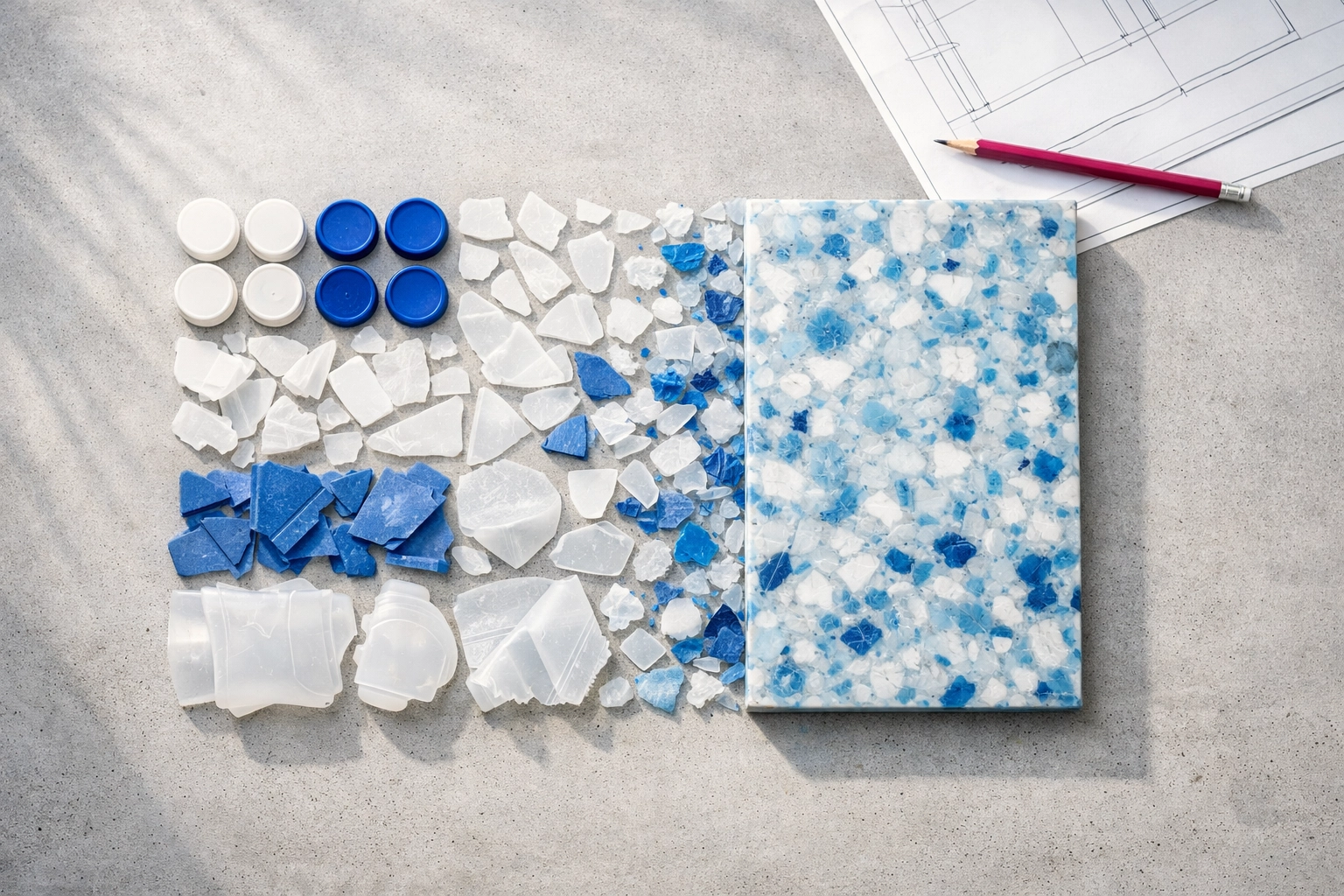
(Placeholder: Infographic showing the carbon footprint of local vs. imported recycled materials)
3. The Circular Economy is a "Closed Loop" Process
A material is only truly sustainable if it has a plan for its own "end of life." This is the core of the circular economy. At Resourceful Living, we don't just sell you a panel and walk away.
We operate a take-back program. If a fit-out is being ripped out in ten years, those panels can be returned to us, granulated, and turned into brand-new products. This eliminates the concept of waste entirely. When you are looking for sustainable construction materials in Australia, always ask the manufacturer: "What happens to this product at the end of its life?"
4. Recycled Plastic is More Durable Than You Think
There’s a common misconception that recycled materials are "weaker." In reality, engineered recycled plastic is incredibly hard-wearing. Unlike timber, it doesn't rot, splinter, or require painting. Unlike stone, it doesn't crack easily under stress.
This is why we’re seeing a massive shift in heavy industries. You can read more about why mining operations are switching to recycled plastic to handle the toughest environments on earth.
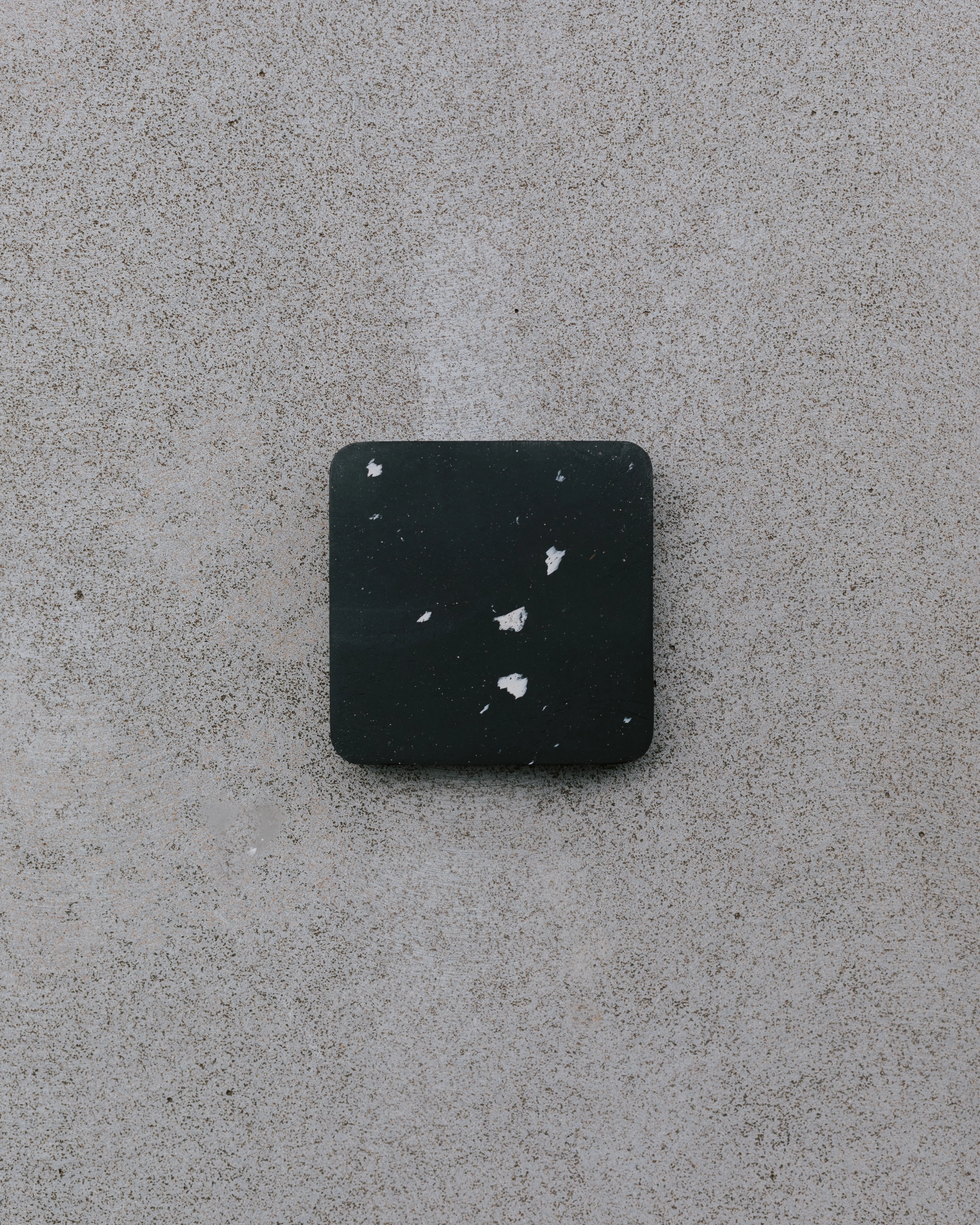
A sample of Resourceful Living’s 100% recycled plastic panel, built for durability and longevity.
5. Compliance is Changing (Get Ahead of the Curve)
The Australian government is cracking down on greenwashing and tightening procurement rules. If you’re bidding for government work, you need to understand the new circular construction reforms.
Simply saying a material is "green" won't cut it anymore. You need documentation, traceability, and proof of performance. Working with local recycled plastic manufacturers in Australia makes this compliance much easier to manage.
6. Social Procurement Can Help You Win Tenders
Sustainability isn’t just about the environment; it’s about social impact. Social procurement is becoming a weighted factor in many large-scale construction tenders.
By choosing materials that have a story, like our project turning 3 million Telstra SIM cards into functional products, you give your bid a competitive edge. It shows you are invested in the Australian community and innovative waste solutions.
7. Versatility in Commercial Fit-Outs
Sustainable materials aren't just for "eco-cabins" anymore. They are being used in high-end retail, office fit-outs, and public infrastructure. Our panels can be CNC machined, heat-folded, and joined just like traditional materials.
Check out these common applications:
- Retail Displays: Durable and visually striking.
- Office Furniture: Desktops and cabinetry that tell a story.
- Wet Areas: 100% waterproof, making them ideal for bathrooms and kitchens.
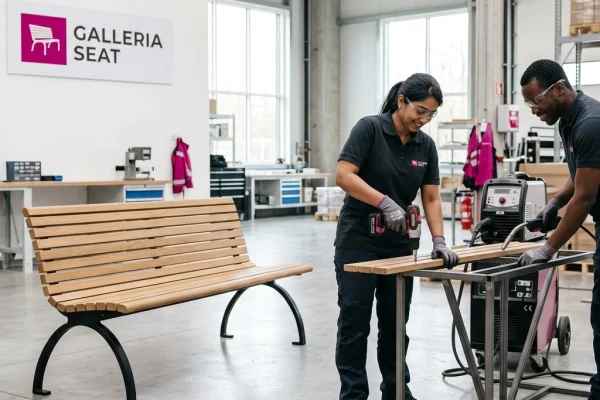
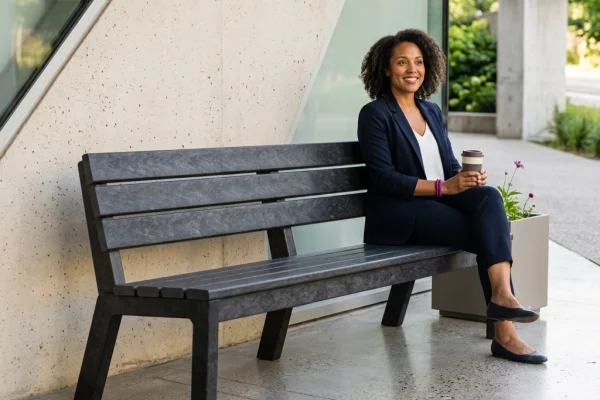
- Public Spaces: Councils are increasingly using these for recycled plastic infrastructure.
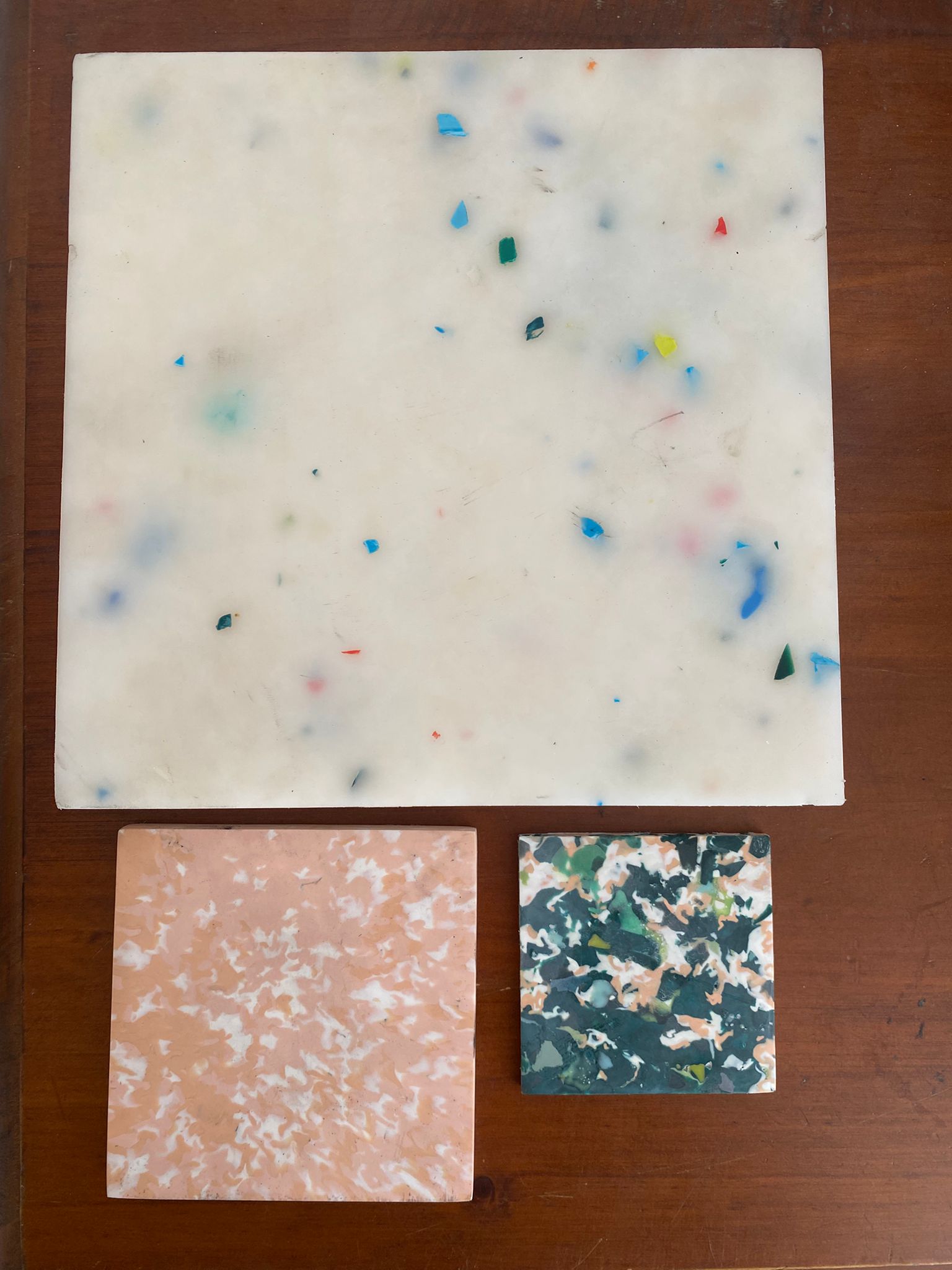
Sustainable doesn't mean boring. Our materials come in a range of textures and colours to suit any design aesthetic.
8. Avoiding the "Landfill Cost" Trap
Many builders only look at the upfront cost of a material. However, you need to consider the Total Cost of Ownership.
Traditional construction waste is becoming incredibly expensive to dispose of. By choosing materials that are part of a circular system, you can significantly reduce your landfill costs. Furthermore, the lack of maintenance required for recycled plastic means the long-term savings are even greater.
9. Aesthetics Don't Have to be Sacrificed
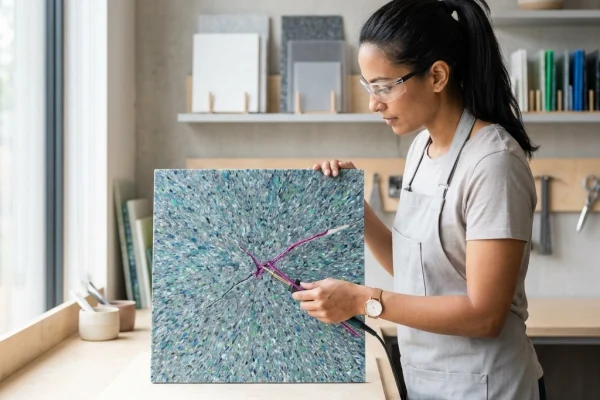
Gone are the days when recycled plastic only came in "wheelie bin green." Modern manufacturing techniques allow us to create stunning, marble-like finishes and vibrant "confetti" patterns.
Whether you want a sleek, dark-toned finish for a professional boardroom or a bright, speckled look for a retail pop-up, sustainable materials can meet the brief.
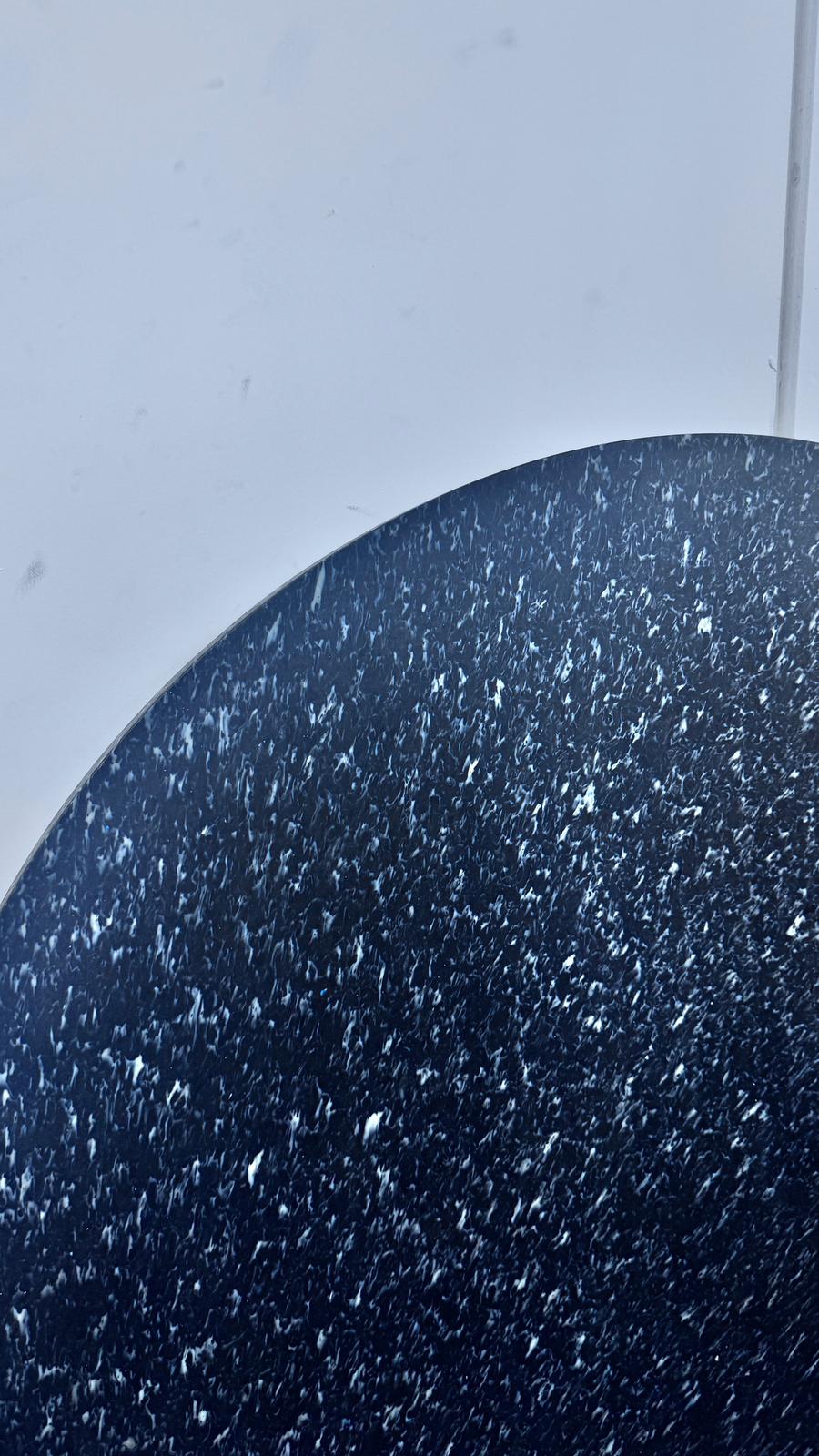
Our navy and white marbled panel offers a premium look without the environmental cost of quarried stone.
10. How to Spot Greenwashing
Finally, you need to be a savvy buyer. Here’s a quick checklist to use when vetting sustainable construction materials in Australia:
- ✅ Is it 100% recycled? (Avoid "recycled content" blends that are mostly virgin plastic).
- ✅ Where is it made? (Prioritise Australian-made to reduce transport emissions).
- ✅ Is it recyclable? (Check if the manufacturer has a take-back program).
- ✅ Is it UV stable? (Ensure it won't degrade in the harsh Australian sun).
Avoid these 7 common mistakes when choosing sustainable materials to keep your project on track.
Comparison: Traditional vs. Recycled Plastic Panels
| Feature | Traditional Timber/MDF | Virgin Plastic | Resourceful Living Recycled HDPE |
|---|---|---|---|
| Waterproof | ❌ No | ✅ Yes | ✅ Yes |
| Maintenance | ⚠️ High (Painting/Sealing) | ❌ Low | ✅ Zero |
| End of Life | 🗑️ Landfill | 🗑️ Landfill | ♻️ 100% Recyclable |
| Carbon Impact | ⚠️ Moderate | ❌ Very High | ✅ Very Low (1.75t saved/t) |
| Local Waste Use | ❌ No | ❌ No | ✅ 100% |
Ready to make the switch?
Choosing the right materials is about more than just checking a box: it’s about building a legacy that lasts. If you’re ready to incorporate high-performance, sustainable construction materials in Australia into your next project, we’re here to help.
Whether you're a Tier 1 contractor looking to meet Environmentally Sustainable Procurement policies or a designer looking for a unique surface, our team can guide you through the process.
Let’s turn today’s waste into tomorrow’s infrastructure. Explore our full range of 100% recycled plastic panels today.