
Landfill costs are no longer just a "line item" in a project budget; they’ve become a significant financial drain that can erode profit margins faster than most project managers realise. As landfill levies across Australia continue to rise, businesses are searching for smarter ways to manage waste without sacrificing quality or performance.
The solution isn't just better recycling: it’s circular procurement.
By shifting how we source, use, and dispose of materials, we can effectively decouple business growth from waste generation. At Resourceful Living, we’ve seen firsthand how companies are transforming their bottom lines by choosing recycled plastic panels over traditional timber or steel.
In this guide, we’ll break down exactly how circular procurement works and how you can use it to slash your disposal expenses.
The Rising Cost of Doing Business (as Usual)
Traditional procurement follows a linear model: Take, Make, Waste. You buy raw materials, use them until they wear out or the project ends, and then pay someone to haul them away to a hole in the ground.
In Australia, landfill levies are structured to discourage this exact behaviour. These costs vary by state, but the trend is universal: upward. When you factor in transport costs, bin hire, and the actual levy, the price of "getting rid of stuff" is becoming a primary driver for operational change.
Why Landfill is a Financial Risk
- Volatile Levies: State governments frequently increase waste levies to meet environmental targets.
- Transport Overhead: Fuel prices and logistics make moving heavy waste expensive.
- ESG Compliance: Investors and clients are increasingly penalising companies with high waste-to-landfill ratios.
What is Circular Procurement?
Circular procurement is the practice of purchasing products and services that contribute to closed-loop systems. Instead of looking only at the purchase price, circular procurement looks at the Total Cost of Ownership (TCO) and the End-of-Life (EoL) value.
When you buy a product, you should be asking:
- What is this made of? (Is it recycled?)
- How long will it last? (Is it durable?)
- What happens when I’m done with it? (Can the manufacturer take it back?)
By choosing materials like our recycled plastic panels, you are ticking all three boxes. You can read more about the life cycle environmental impact of recycled plastic panels to see how this translates to long-term sustainability.
Recycled Plastic vs. Traditional Materials: The Financial Breakdown
To understand how circular procurement reduces costs, we have to look at how recycled plastic stacks up against common construction materials like timber and steel.
| Feature | Timber | Steel | Recycled Plastic Panels |
|---|---|---|---|
| Initial Cost | Low to Medium | High | Medium |
| Maintenance | High (Painting/Sealing) | Medium (Rust prevention) | Zero |
| Lifespan | 5–10 years (outdoors) | 10–20 years | 50+ years |
| End-of-Life Cost | High (Landfill fees) | Low (Scrap value) | Zero (Take-back program) |
| Resistance | Rot, Termites, UV | Corrosion, Rust | Waterproof, UV & Termite proof |
As shown in our detailed cost and lifespan comparison, the "cheaper" upfront cost of timber is often a trap. You pay more in maintenance and eventually pay a hefty fee to dispose of it once it rots.
Recycled plastic, specifically HDPE (High-Density Polyethylene), doesn't rot, splinter, or require painting. This dramatically lowers the Material Purchasing Costs over a 20-year period because you aren't replacing the product every few years.
The "Cheat Code" for Landfill: The Take-Back Program
The most direct way circular procurement slashes landfill costs is through Take-Back Programs.
At Resourceful Living, we don't just sell you a panel and wish you luck. We operate a closed-loop system. When our products eventually reach the end of their functional life: whether that’s in 10 years or 50: we take them back.
How It Works:
- Procurement: You purchase recycled plastic panels for your project.
- Usage: The panels perform in harsh environments (mining, construction, fit-outs).
- End-of-Life: Instead of calling a waste management company, you contact us.
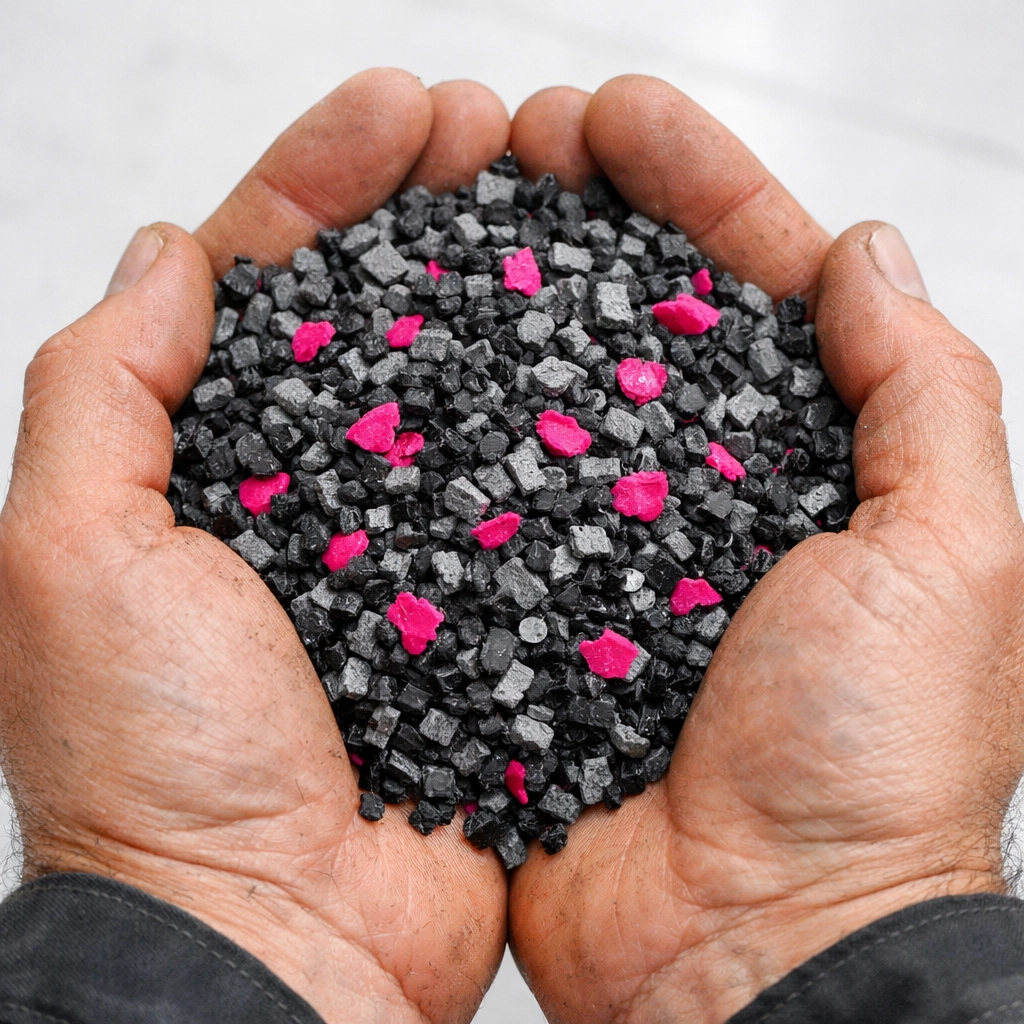
- Recovery: We take the material back, granulate it, and turn it into new panels.
The Financial Result: You pay $0 in landfill levies for that material.
This is a cornerstone of what we call a Closed-Loop ESG Partner Program. It turns a future liability (waste) into a neutral logistics event.
Local Sourcing: Cutting the Invisible Costs
Circular procurement isn't just about what the product is made of; it's about where it comes from.
When you source materials from overseas, you are exposed to:
- Shipping delays and port congestion.
- Fluctuating currency exchange rates.
- High carbon footprints from international logistics.
By sourcing locally from Resourceful Living, you reduce the "distance to site." This lowers transport emissions and supports the local economy, but more importantly, it provides supply chain certainty.
In an era of global instability, knowing your material is being manufactured in New South Wales from Australian waste provides a level of cost forecasting that "virgin" materials simply can't match.
Implementation: How to Start Reducing Costs Today
If you're ready to move toward a circular model, don't try to change everything at once. Start with a targeted approach.
1. Conduct a Waste Audit
You can't manage what you don't measure. Identify which materials are currently taking up the most space in your skips. Are you throwing away rotted timber hoardings? Broken plastic pallets?
Tip: Use our simple waste audit template to get started.
2. Update Procurement Specs
Shift your tender requirements from "lowest purchase price" to "lowest lifecycle cost." Specifically, request products that contain post-consumer recycled content and have a documented end-of-life recovery path.
3. Focus on High-Impact Areas
Target areas where traditional materials fail quickly. For example, in the mining sector, timber wheel stops or signage posts rot rapidly due to moisture and soil acidity. Switching to recycled plastic wheel stops or other mining rehabilitation products provides an immediate ROI through durability alone.
The Strategic Advantage of Recycled Plastic
Beyond the balance sheet, circular procurement positions your business as a leader in the future of sustainable building.
Government contracts are increasingly mandating "Social Procurement" and "Circular Economy" targets. By integrating recycled plastic panels into your operations now, you aren't just saving on landfill costs: you're qualifying for high-value contracts that your competitors won't be able to touch.
Key Metrics to Track
To prove the success of your circular procurement strategy, focus on these three KPIs:
- Waste Diversion Rate: The percentage of materials diverted from landfill compared to previous projects.
- Maintenance Savings: The reduction in labor and material costs for repairing or replacing assets.
- Avoided Disposal Costs: Total dollars saved by utilizing take-back programs instead of paying landfill levies.
Final Thoughts: A Smarter Way to Build
Reducing landfill costs isn't about finding a cheaper bin provider. It’s about ensuring that the materials you bring onto your site never have to become "waste" in the first place.
Circular procurement is a proactive financial strategy. By choosing materials that are recycled, durable, and recoverable, you are protecting your project from rising levies and building a more resilient supply chain.
Ready to see how recycled plastic panels can fit into your next project? Explore our range of recycled plastic products or learn more about the recycled plastic circular economy.
The bottom line is simple: Stop paying to bury your money. Start building for a circular future.