If you're in the Australian building game, you've probably felt the "timber tax." It’s that recurring drain on your budget where a "cheap" material choice comes back to haunt you every few years in the form of rot, termites, or endless maintenance.
For decades, timber has been the default. It's easy to get, relatively cheap upfront, and everyone knows how to handle it. But in the context of circular construction and modern sustainability targets, the old ways are becoming a liability.
Today, we’re doing a head-to-head. No fluff, just the brutal technical data on recycled plastic vs timber comparison and why recycled plastic sheets in Australia are rapidly replacing plywood and treated pine in high-performance builds.
1. The Performance Gap: Why Timber Is a "Ticking Time Bomb"
Australia’s climate is aggressive. Between the high UV index, coastal salt spray, and humidity that could melt a gumboot, timber is constantly under siege.
Waterproof vs. "Water-Resistant"
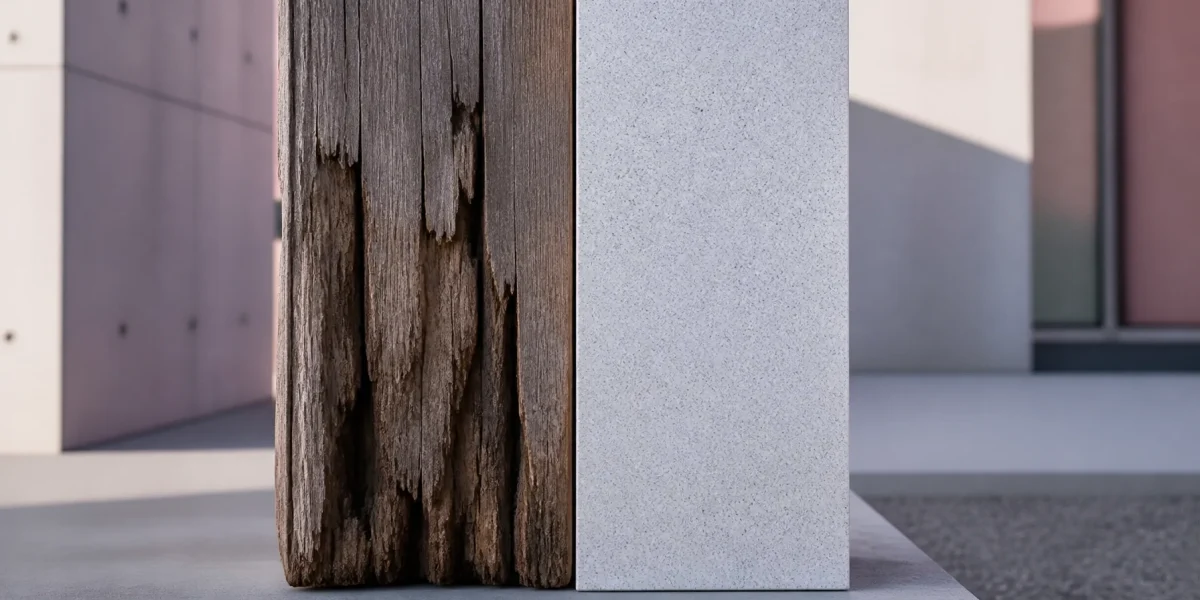
Timber is organic. No matter how many chemicals you pump into treated pine or how many layers of sealant you slap on marine ply, it remains porous. It absorbs moisture, which leads to swelling, warping, and the inevitable internal rot.
On the flip side, our 100% recycled plastic panels are hydrophobic. They don't just "resist" water; they are completely waterproof. You can submerge them in salt water for 50 years, and they won’t gain a gram of weight from absorption. For wet areas, coastal facades, or garden infrastructure, this isn't just a benefit, it’s the difference between a 5-year and a 50-year lifespan.
The Termite-Free Guarantee
If you’ve ever had to replace a deck in Queensland or the Northern Territory, you know termites don’t care about your "sustainable timber" certifications. They see an all-you-can-eat buffet.
Recycled plastic is pest-immune. Termites, borers, and mold simply cannot eat it. When you specify sustainable building materials in Australia, choosing a material that eliminates the need for toxic chemical pesticides is a win for both the budget and the environment.

2. The Maintenance "Penalty": Upfront vs. 10-Year ROI
The biggest mistake builders make is looking only at the invoice price. Yes, a sheet of marine ply or treated timber is cheaper on Day 1. But by Day 3,650 (Year 10), that "cheap" timber has often cost you five times its original price in maintenance and labor.
The Timber Maintenance Schedule:
- Annual: Inspection for rot and cracks.
- Every 2-3 Years: Sanding, re-sealing, or re-oiling to prevent moisture ingress.
- Every 5-7 Years: Significant replacement of split or warped boards.
- Constant: Labour costs for site visits and remedial work.
The Recycled Plastic Schedule:
- Annual: A quick blast with a high-pressure hose to remove dust.
- That’s it.
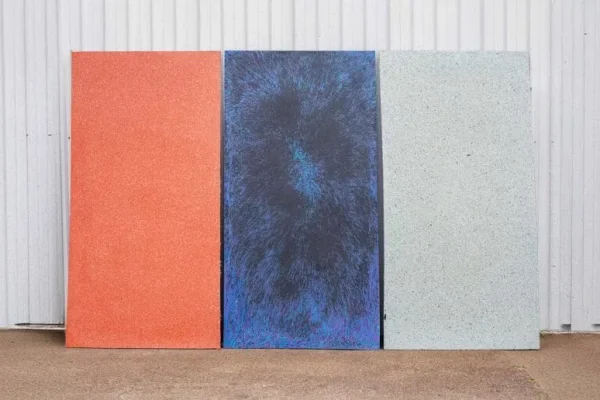
Because our panels are solid blocks of 100% recycled plastic with the colour consistent throughout, there is no paint to flake off and no grain to splinter. If it gets scratched, it’s the same colour underneath.
"Timber forces you into a recurring OpEx (Operating Expenditure) cycle. Recycled plastic is a CapEx (Capital Expenditure) win: you buy the performance once and stop paying the 'annual penalty'." : Jess Hodge, Owner, Resourceful Living
The 10-Year Total Cost of Ownership (TCO)
Let’s look at the numbers for a standard commercial project:
| Feature | Timber (Treated/Ply) | Recycled Plastic (rHDPE) |
|---|---|---|
| Initial Material Cost | $1,000 | $1,800 |
| Maintenance (Labour + Materials over 10yr) | $5,000 | $0 |
| Expected Lifespan | 7–12 Years | 50+ Years |
| Replacement Cycles (over 50yrs) | 5 Cycles | 0 Cycles |
| 10-Year Total Cost | $6,000+ | $1,800 |
Even with a higher upfront cost, recycled plastic is nearly 80% cheaper over a decade.

3. Technical Specs: Standard Tools, Superior Strength
One of the most common questions we get is: "Do I need special equipment to work with this?"
The answer is a flat no.
One of the best things about our recycled plastic sheets is that they behave exactly like high-density wood. You don’t need to retrain your crew or buy specialized CNC bits.
- Cutting: Use a standard circular saw, table saw, or jigsaw.
- Drilling: Standard wood bits work perfectly.
- Fastening: Screws and bolts bite into the material with incredible grip.
- No Grain: Unlike timber, there is no grain to worry about. The material won't split at the ends or crack when you screw near the edge.

4. Winning Tenders with Embodied Carbon Reporting
By 2026, the Australian building landscape is shifting. Government tenders and Tier 1 contractors are now demanding Embodied Carbon Reporting.
Timber is often marketed as "low carbon," but that doesn't account for the massive chemical treatments (CCA/LOSP) or the transportation emissions of imported ply. Our panels are made from 100% Australian post-consumer waste. We aren't just offsetting carbon; we are actively diverting plastic from local landfills and turning it into a high-value construction asset.
When you use Resourceful Living sheets, you get:
- 100% Traceability: We know exactly where our plastic comes from.
- Circular Economy Alignment: We offer a take-back program. When the building is eventually decommissioned (decades from now), we will collect the panels for free and remanufacture them back into new sheets.
This level of circularity is something timber: especially treated timber which is often classified as hazardous waste at the end of its life: simply cannot match.
5. Ideal Use Cases: Where to Swap the Rot
While we love timber for internal framing and furniture, there are specific areas where using it is effectively a "waste of money" compared to recycled plastic:
- Wet Area Fit-outs: Shower niches, bathroom cabinetry carcasses, and commercial kitchen backing.
- Coastal Infrastructure: Noise barriers, boardwalks, and signage near the ocean.
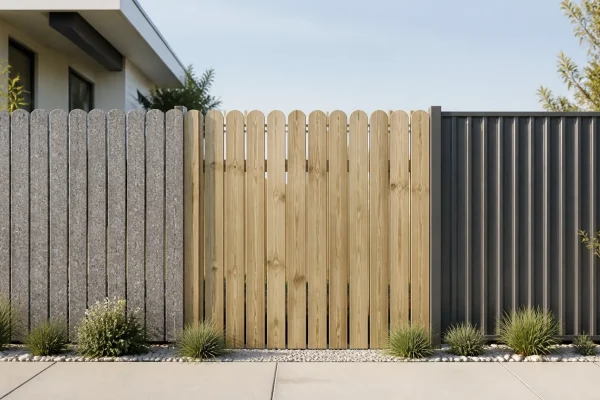
- Agricultural Settings: Animal pens, feed troughs, and fencing where moisture and waste accelerate rot.
- Retail & Commercial: Heavy-duty kickboards and wall cladding in high-traffic areas.
- Modular Construction: Floor panels and external cladding that need to withstand transport and varying site conditions.

The Verdict: The Resourceful Choice
If your project needs to last more than 10 years, or if it’s going to spend any time in the sun, rain, or dirt, timber is costing you more than you think.
Choosing recycled plastic sheets in Australia isn't just a "green" move: it’s a savvy business move. You're trading annual maintenance headaches and 7-year replacement cycles for a material that is 5x more durable, 100% waterproof, and fully circular.
Stop paying the "timber tax" and start building for a 50-year horizon.
Ready to see the difference for yourself?