If you’re managing a large-scale construction project or overseeing a corporate supply chain in 2026, you already know that "sustainability" isn't just a buzzword anymore: it's a compliance requirement. With the Australian government tightening the screws on environmental reporting, the "Green Audit" has become a high-stakes hurdle for businesses nationwide.
The problem? Many organisations are still relying on imported "recycled" materials that lack verified traceability. When an auditor asks for the origin of your plastic feedstock, "overseas" often isn’t a good enough answer.
If you’re specifying recycled plastic panels as part of your sustainable construction materials Australia strategy, your audit outcome often hinges on one thing: proof (origin, recycled content, and end-of-life pathway).
Choosing local recycled plastic manufacturers Australia isn’t just a feel-good choice; it’s a strategic move to ensure your ESG (Environmental, Social, and Governance) reporting is defensible. Here’s why local manufacturing is the practical advantage for your next audit.
1. The Transparency Gap: Why Imports Often Fail Audits (and How Local Panels Reduce Risk)
For years, the easy route was to procure cheap recycled panels or products from international markets. However, in the eyes of a modern auditor, these products often represent a transparency risk.
When material is sourced from complex global supply chains, verifying the actual recycled content percentage becomes nearly impossible. Is it 100% post-consumer waste, or is it mostly virgin resin with a green label? Without a clear paper trail, you risk being flagged for greenwashing.
The Local Advantage: Traceability
Australian manufacturers like Resourceful Living operate under strict local regulations. We can tell you exactly where our plastic comes from: whether it’s post-industrial waste or post-consumer HDPE.
That traceability is especially valuable when you’re specifying recycled plastic panels for projects that need sustainable construction materials Australia documentation. It’s the kind of supply chain transparency auditors look for when verifying your sustainability claims.

2. Quantifiable Data for ESG Reporting (What Auditors Expect from Sustainable Construction Materials in Australia)
In 2026, qualitative descriptions like "eco-friendly" don't cut it. You need quantitative data. Auditors want to see measurable impact:
- Tonnes of waste diverted from Australian landfills.
- Reduction in carbon emissions compared to using virgin materials.
- Water savings achieved during the manufacturing process.
Australian recycled plastic manufacturers Australia should be able to provide these metrics as standard. For instance, independent lifecycle analyses show that using recycled plastic can reduce greenhouse gas emissions by nearly two-thirds compared to virgin plastic.
When you partner with a local manufacturer (especially for recycled plastic panels and other sustainable construction materials Australia projects), you get access to the documentation needed to prove these savings in your closed-loop ESG waste solutions.
3. The "Take-Back" Program: Solving the End-of-Life Liability for Recycled Plastic Panels
A major component of a Green Audit is assessing the lifecycle of your materials. It’s not enough to buy a recycled product; the auditor wants to know what happens to that product at the end of its functional life. If it’s destined for a landfill in ten years, your "circular" claim is technically incomplete.
At Resourceful Living, we offer a Take-Back Program. This means that at the end of a project’s life, the plastic panels or products can be returned to us, shredded, and turned into new products again.
"A true circular economy isn't just about what you buy; it's about ensuring that material never sees a landfill again. Our Take-Back Program turns a potential waste liability into a repeatable asset." : Jess Hodge, CEO.
This commitment to closed-loop manufacturing in Australia effectively removes the "disposal" headache from your environmental audit. You can point to a signed agreement that ensures the material remains within the circular economy indefinitely.

4. Simplified Audits Through Standardised Materials (Built for Specifiers in Australia)
Audit fatigue is real. One way to pass your audit faster is to use materials that are already recognised for their sustainability credentials. By sourcing from Australian manufacturers who handle significant volumes: some processing over 100,000 tonnes annually: you benefit from consistent material grades.
Whether you are looking for recycled plastic products for mining sites or recycled plastic panels for a retail fit-out, using a local, verified source means the auditor doesn’t have to "investigate" the material from scratch. The certifications and evidence trail are already in place.
Comparative: Local vs. Imported Recycled Plastic
| Feature | Local Australian Manufacturer | Imported "Green" Product |
|---|---|---|
| Traceability | High (Direct source verification) | Low (Multi-country supply chain) |
| Data Accuracy | Precise (Based on AU energy/waste data) | Estimated/Generic |
| End-of-Life | Take-Back Programs available | Responsibility falls on the buyer |
| Audit Risk | Low (Compliant with AU standards) | High (Potential greenwashing risk) |
| Lead Times | Short (No international shipping) | Long (Subject to port delays) |
5. Avoiding Common Procurement Mistakes When Buying Recycled Plastic Panels in Australia
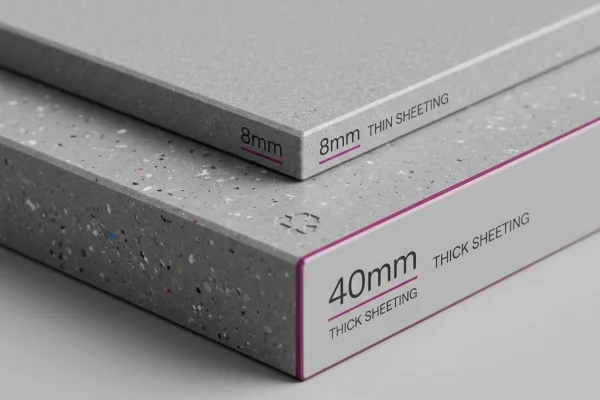
Many procurement officers inadvertently sabotage their own Green Audits by making simple errors during the buying phase. Choosing the wrong thickness or failing to account for the specific UV requirements of the Australian climate can lead to premature product failure. If a product fails and needs to be replaced, your resource efficiency metrics take a massive hit.
To avoid these pitfalls, it's worth reviewing the 5 common mistakes when buying sustainable building materials. Getting the specification right the first time is essential for maintaining the integrity of your sustainability reporting.
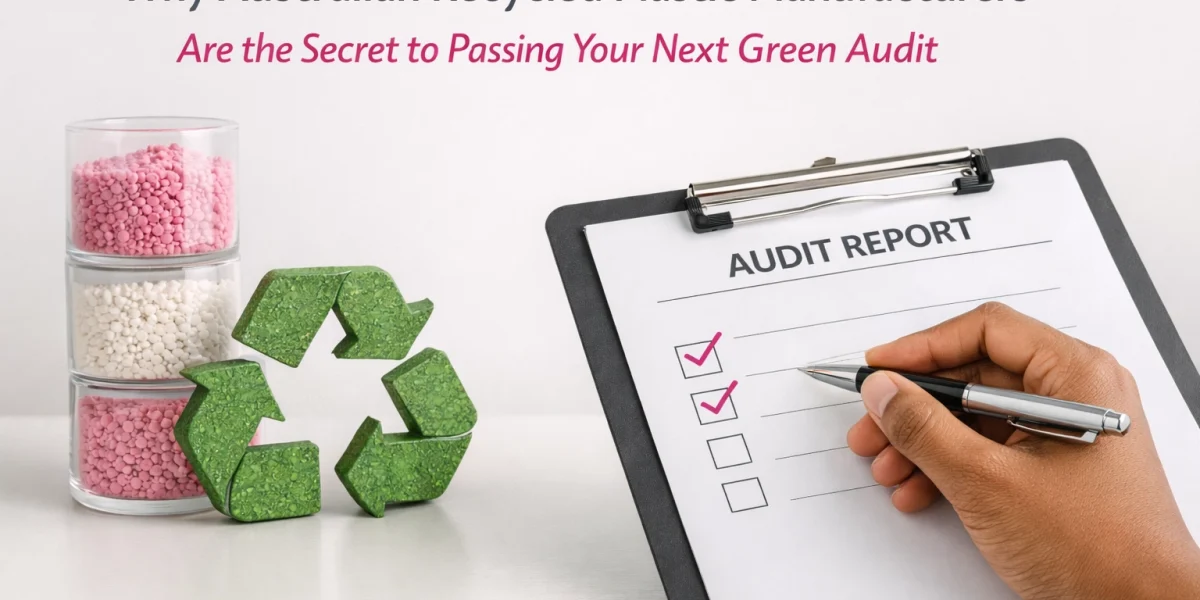
6. Your Green Audit Checklist
If you have an audit looming, here is a quick checklist to ensure your plastic procurement is up to scratch:
- ✅ Request a Certificate of Origin: Ensure the plastic was recycled and manufactured within Australia to support local circularity (a baseline expectation when sourcing from recycled plastic manufacturers Australia).
- ✅ Verify Recycled Content: Ask for the percentage of post-consumer vs. post-industrial waste. (Resourceful Living panels are 100% recycled).
- ✅ Request technical evidence for panels: For recycled plastic panels, ask for available test data (strength, durability, weather resistance) and confirm the thickness/spec aligns with the application.
- ✅ Check for a Take-Back Clause: Does the manufacturer have a formal closed-loop ESG partner program?
- ✅ Document Waste Diversion: Record exactly how many kilograms of plastic your project diverted from landfill.
- ✅ Compare Lifespan: Ensure the material is fit for purpose. For example, check the recycled plastic vs timber vs steel cost and lifespan to prove long-term value.
The Future is Local
The shift toward a recycled plastic circular economy is accelerating. By 2027, we expect even more stringent reporting requirements for any business operating in the construction, mining, or manufacturing sectors.
By partnering with an Australian manufacturer now, you aren't just buying a product: you're buying compliance security. You’re ensuring that when the auditor knocks on your door, you have a clear, data-backed story to tell about how your business is helping solve the plastic pollution crisis in Australia.

Ready to Streamline Your Sustainability Reporting?
Passing a Green Audit doesn't have to be a nightmare. It’s about making smarter choices at the procurement stage. If you're ready to switch to 100% traceable, Australian-made recycled plastic, we’re here to help you navigate the data and the documentation.
Whether you need to run a simple waste audit or you're looking to specify materials for your next project, choosing local is the most efficient path to a "pass" mark.
Let’s build something that lasts: and something that passes the test.