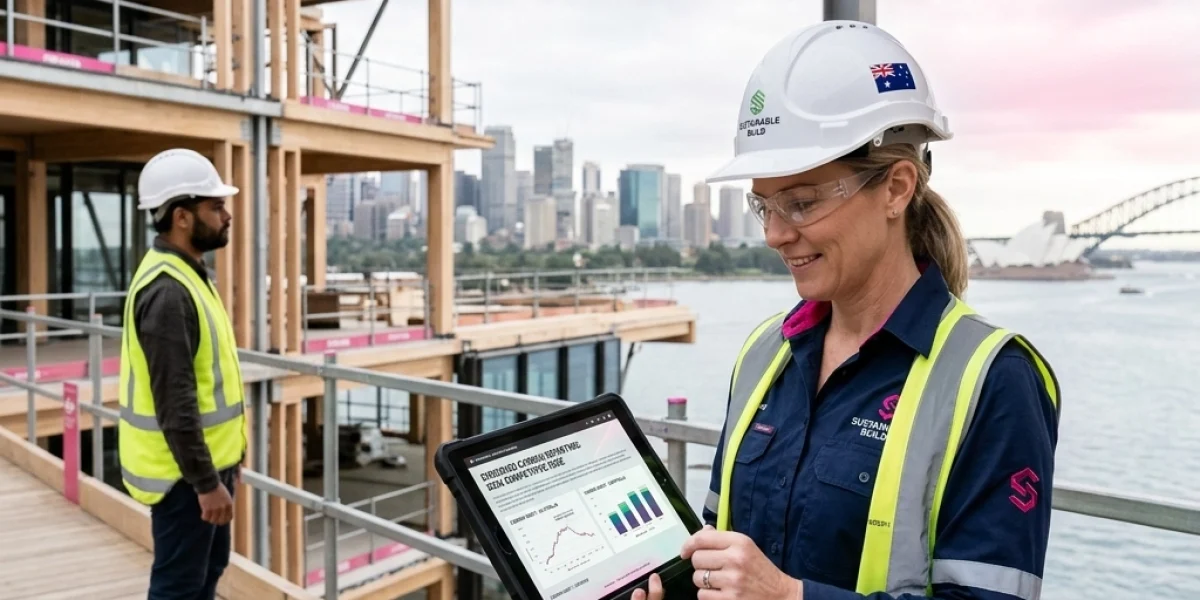
It’s May 2026, and the Australian construction landscape has officially shifted. If you’re a builder, developer, or specifier, you’ve likely noticed that the conversations have changed. Two years ago, we were talking about "green features." Today, we’re talking about embodied carbon data.
The days of voluntary reporting and "vague sustainability" are over. With the updates to the National Construction Code (NCC) and the tightening of NABERS and Green Star requirements, knowing exactly what went into your materials: and what it cost the planet: is now the difference between winning a multi-million dollar tender and being left in the dust.
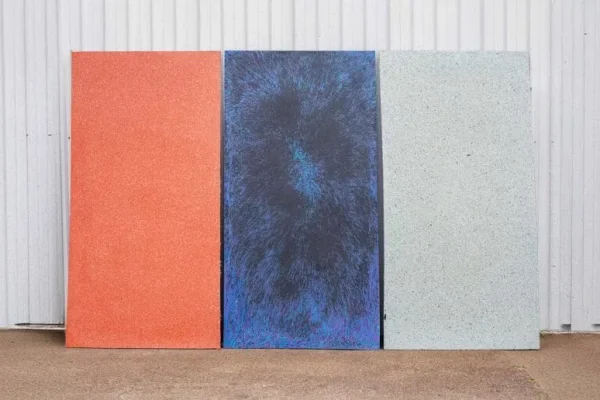
At Resourceful Living, we’ve seen this shift coming. We aren't just making recycled plastic sheets; we’re providing the traceable data builders need to survive this new regulatory era.
The Regulatory Hammer: NCC 2025/2028 and the End of "Opt-In"
For a long time, embodied carbon: the emissions generated during the manufacturing, transport, and installation of building materials: was the "forgotten" twin of operational carbon (the energy used to run the building).
That changed with the NCC 2025 updates, which laid the groundwork for mandatory reporting. As we move closer to the 2028 targets, the "if not, why not" approach has become the standard. If you aren't choosing lower-carbon alternatives, you better have a very good (and very expensive) reason.
Why 2026 is the Turning Point
- Mandatory Disclosure: Most Tier-1 and Tier-2 government projects now require an embodied carbon footprint estimate at the tender stage.
- NABERS Expansion: The National Australian Built Environment Rating System (NABERS) has moved beyond energy and water to provide rigorous Embodied Carbon ratings.
- Green Star 2026 Standards: The Green Building Council of Australia (GBCA) now requires a minimum 10–20% reduction in upfront carbon just to get in the door for a 4-star rating.
If you’re still relying on traditional supply chains with zero transparency, you’re carrying a massive amount of unreported carbon risk.

The Mathematics of Sustainability: RL vs. The Old Guard
Let’s talk numbers. In the sales world, we know that "saving the planet" is great, but "saving the project" is what gets the contract signed.
When you swap virgin materials (like new timber, virgin HDPE, or concrete) for Resourceful Living 100% Australian recycled plastic, the ROI isn't just financial: it’s atmospheric.
The Carbon Breakdown:
- 50–70% CO2 Savings: Using our recycled plastic sheets instead of virgin materials reduces the carbon footprint of that specific component by up to 70%.
- The 1-Ton Rule: For every 1 ton of Resourceful Living plastic you specify, you are directly saving between 0.9 and 1.75 tons of CO2 from entering the atmosphere.
- Zero Waste to Landfill: Because our panels are 100% recyclable, they don't just lower your upfront carbon; they improve your Circular Economy score.
Compare this to the "Timber Trap." While timber is often touted as "green," the maintenance cycles, chemical treatments, and eventual rot actually lead to a much higher long-term cost and carbon impact.
Traceability: Your "Secret Weapon" for Tender-Ready Data
In 2026, a "recycled" sticker isn't enough. Auditors and procurement officers want to see the receipts. They want to know where the waste came from, how it was processed, and exactly how many kilometres it travelled.
This is where most international suppliers fail. If your recycled plastic is coming from an undisclosed facility overseas, your embodied carbon reporting is essentially guesswork.
Resourceful Living provides 100% traceability.
We track the journey from the Australian kerbside (or industrial waste stream) to our manufacturing floor in New South Wales. This data is the "secret weapon" for your sustainability reports. When you use our materials, you aren't just buying a panel; you're buying a verified data point for your NABERS submission.
"The builders who are winning the biggest contracts in 2026 aren't necessarily the ones with the lowest price: they’re the ones who make the reporting process easiest for the client."

Winning Government Tenders with the "Local Buy" Badge
If you’re aiming for local government or council work, you’ve likely encountered the Local Buy requirements. Councils are under immense pressure to meet net-zero targets and support the Australian circular economy.
Resourceful Living is a Pre-Qualified Local Buy Supplier.

When you include us in your tender, you aren't just ticking the "sustainable" box; you’re ticking the "Local, Traceable, and Pre-Approved" boxes too. It streamlines the procurement process and gives the council confidence that the project won't be hit with "greenwashing" accusations later on.
Check out our guide on winning government tenders in 2026 to see exactly how to leverage this.
Beyond the Build: Why Maintenance-Free Matters for Carbon
We need to talk about Whole-of-Life (WoL) carbon.
If a building material requires sanding, painting, oiling, or replacing every 5 years, its embodied carbon grows every time a maintenance crew shows up. Concrete suffers from "concrete cancer" and cracking. Timber rots and requires toxic stains.
Our rHDPE sheets are maintenance-free. They don't rot, they don't rust, and they don't need painting. By moving your project’s maintenance-heavy infrastructure from OPEX to CAPEX, you are effectively locking in a lower carbon footprint for the next 50 years.
How to Implementation Embodied Carbon Reporting in Your Next Project
If you’re feeling overwhelmed by the reporting requirements, keep it simple. Start by looking at the high-volume, high-replacement areas of your build:
- Fit-outs and Joinery: Swap MDF or plywood (which often contains VOCs and high-embodied resins) for 100% recycled plastic.
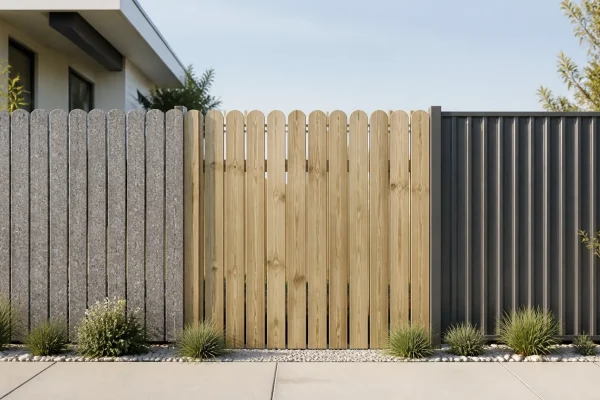
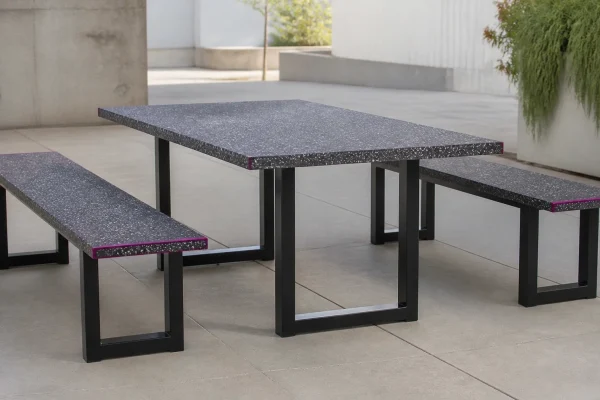
- Outdoor Infrastructure: Boardwalks, bins, and bollards should never be timber or concrete in 2026.
- Wet Areas: Our panels are superior to engineered stone and silica-free, making them safer for your tradies and better for your carbon report.
Your 3-Step Checklist for 2026:
- ✅ Request an EPD (Environmental Product Declaration): Ensure your suppliers can provide specific carbon data, not just marketing fluff.
- ✅ Prioritise "Australian Made": Reduce transport emissions (Scope 3) by sourcing materials manufactured locally.
- ✅ Audit Your Supply Chain: Use our waste audit checklist to see where you can close the loop on your own construction waste.
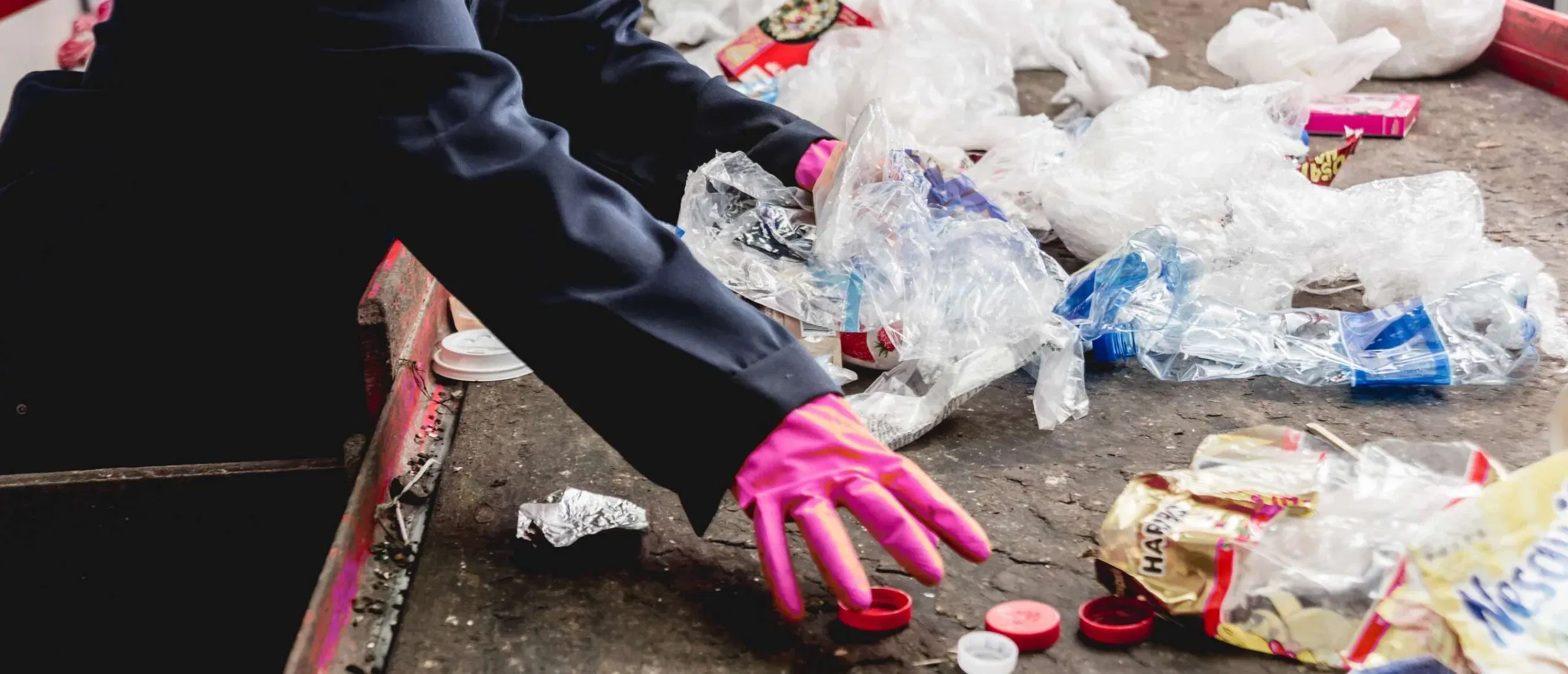
The Bottom Line: Adapt or Get Left Behind
Embodied carbon reporting isn't a hurdle; it’s a competitive advantage.
Builders who embrace 100% Australian recycled materials are finding that they don't just meet the new NCC standards: they exceed them. They’re winning the high-value government contracts, they’re securing higher Green Star ratings for their clients, and they’re building assets that actually last.
At Resourceful Living, we’re here to help you nail those numbers. Whether you need a technical spec for a specific panel thickness or you want to automate your sustainability reporting through our Closed-Loop Partner Program, we’ve got the tools to make 2026 your most profitable year yet.
Ready to drop your project's carbon footprint? Let's chat about how our traceable, 100% recycled panels can give you the edge in your next tender. Reach out to the team today.