The Australian manufacturing landscape is undergoing a massive shift. For decades, the "easy" route was to look offshore for materials, prioritising low upfront costs over long-term value. But as supply chains tighten and Environmental, Social, and Governance (ESG) targets become mandatory, the tide has turned.
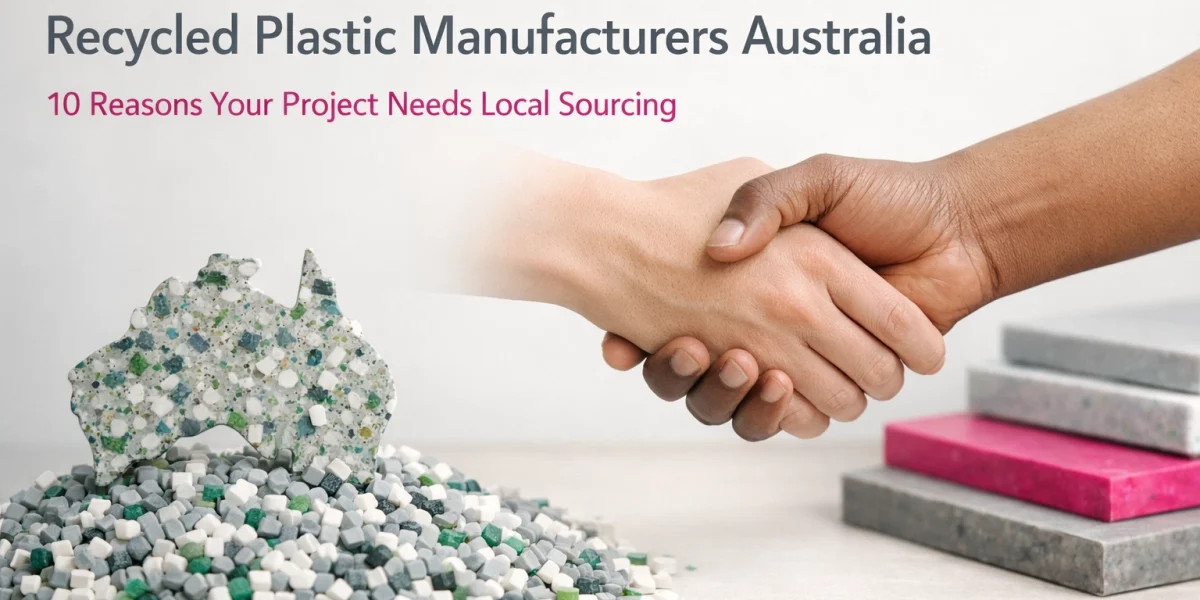
Choosing local recycled plastic manufacturers isn't just a "green" badge of honour anymore; it’s a strategic business decision. Whether you are a Tier 1 contractor, a local council specifier, or a retail designer, sourcing your materials from within Australia provides a level of reliability, traceability, and performance that international suppliers simply cannot match.
At Resourceful Living, we’ve seen firsthand how local manufacturing transforms projects. Here are 10 definitive reasons why your next project needs to source its recycled materials right here in Australia.
1. Drastically Faster Turnaround Times
In the construction and fit-out industries, time is quite literally money. Waiting 12 to 16 weeks for a shipping container to arrive from overseas is no longer viable, especially when projects are subject to "just-in-time" delivery schedules.
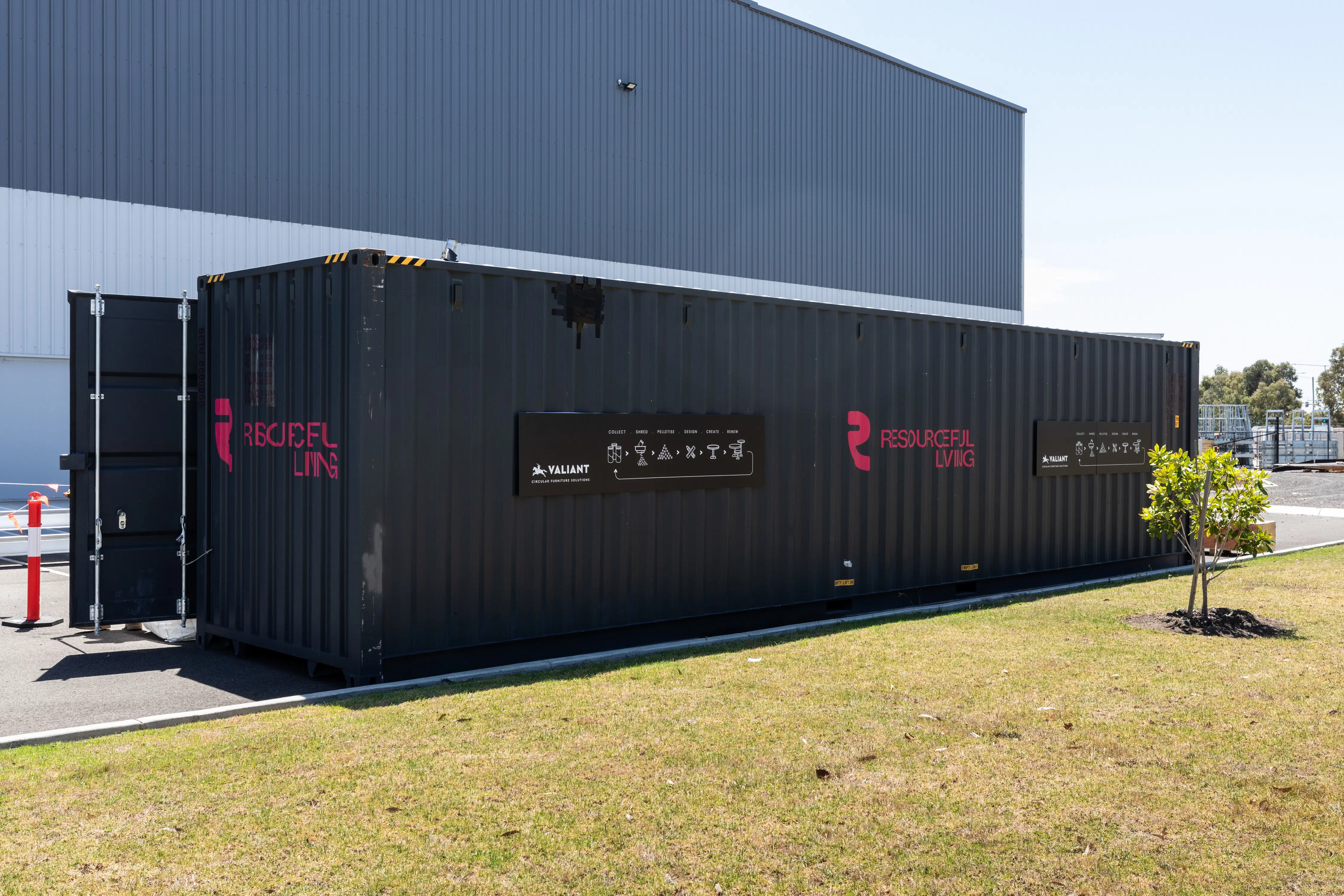
Local manufacturers like Resourceful Living operate with incredible efficiency. We have the capacity to process and manufacture up to 1 tonne of recycled plastic material per day. Because our facility is based in Kurri Kurri, NSW, we can move from order to delivery in a fraction of the time required for international shipping.
2. Unmatched Material Traceability
When you buy "recycled" plastic from overseas, do you really know what’s in it? Traceability is the backbone of a true circular economy.
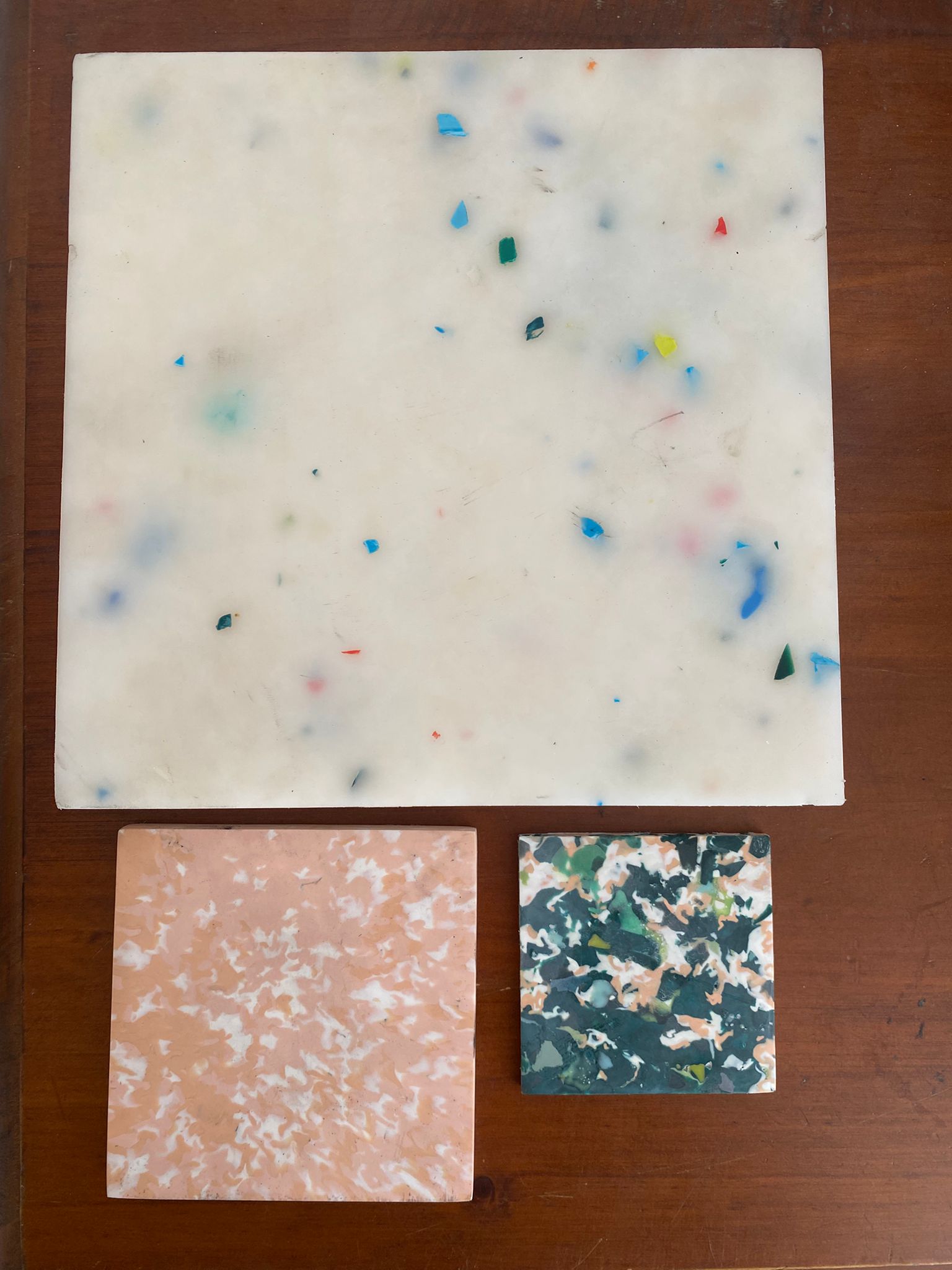
By sourcing locally, you can verify the "life story" of your materials. Our panels are made from 100% Australian post-consumer and industrial waste: think milk crates, shampoo bottles, and even Telstra SIM cards. This level of transparency is essential for reporting on sustainability metrics and ensuring the material is free from hazardous contaminants.
3. Significant Reduction in Transport Emissions
It is counter-intuitive to buy a "sustainable" product that has been shipped halfway across the globe. The carbon footprint associated with international freight can often negate the environmental benefits of using recycled content in the first place.
Local sourcing slashes your Scope 3 emissions. By keeping the supply chain within Australia, you reduce the "kilometric cost" of your materials. This makes it much easier to hit the requirements of the new Environmentally Sustainable Procurement Policy.
4. Custom Manufacturing 7 Days a Week
One of the biggest pain points with mass-produced imported materials is the "one size fits all" approach. Local manufacturers offer a level of bespoke flexibility that is impossible to achieve with overseas wholesalers.
At Resourceful Living, we operate 7 days a week, allowing us to offer:
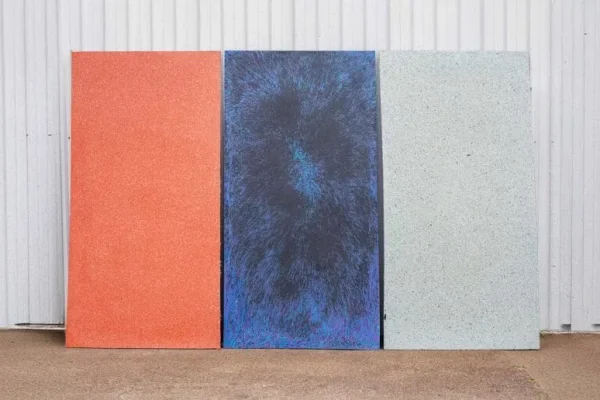
- Custom colour matching to suit brand guidelines.
- Variable thicknesses for specific structural needs.
- Bespoke patterns, from marble effects to "confetti" styles.
5. Meeting Local Content & Social Procurement Targets
Australian governments at all levels are increasingly mandating "Local Content" requirements in their tenders. If you are bidding for a council project or a state-funded infrastructure job, using Australian-made recycled plastic can be the competitive edge that wins you the contract.
By partnering with a local manufacturer, you aren't just buying a product; you are supporting local jobs and regional innovation. This aligns perfectly with Social Procurement strategies that prioritise community impact alongside environmental outcomes.
6. Superior Durability for the Australian Climate
Australia’s environmental conditions are notoriously harsh. High UV exposure, extreme temperature fluctuations, and high humidity can cause inferior plastics to degrade, warp, or fade.
Local manufacturers design products specifically for these conditions. Our 100% recycled HDPE (High-Density Polyethylene) panels are:
- UV stabilised to prevent brittleness.
- 100% waterproof and rot-proof (unlike timber or marine plywood).
- Chemically resistant, making them ideal for mining and industrial rehabilitation.
7. Direct Quality Control and Risk Mitigation
When your supplier is just a phone call or a short drive away, the risk of receiving "sub-standard" batches is significantly reduced. You have the ability to request samples, visit the factory, and engage in real-time problem-solving.
"Local supplier partnerships enable better understanding of quality requirements and collaborative problem-solving, reducing manufacturing risks and costs." : Industry Insight
If a project specification changes mid-build, a local manufacturer can pivot quickly. Try doing that with a supplier in another time zone who has already shipped your order.

Suggested caption: A technician inspecting a high-performance recycled plastic sheet during the final stages of the manufacturing process.
8. Immunity to Global Supply Chain Disruptions
The last few years have shown us how fragile global logistics can be. Wharf strikes, container shortages, and geopolitical tensions can lead to months of delays.
By sourcing locally, you de-risk your supply chain. You aren't at the mercy of international shipping lanes. This ensures that your project stays on track, avoiding the heavy penalties associated with construction delays. Check out our guide on avoiding common mistakes when choosing sustainable materials for more on risk management.
9. Genuine End-of-Life Circularity
A product is only truly "circular" if there is a plan for what happens when it is no longer needed. Many imported recycled products end up in Australian landfills because there is no local infrastructure to re-process them.
Resourceful Living offers a Take-Back Program. Because we know exactly what went into our panels, we can take them back at the end of their life (whether that’s in 5 years or 50 years), shred them, and turn them into new panels again. This is the definition of a closed-loop system.
10. Cost-Effectiveness Through Total Value
While the "per sheet" price of an imported product might occasionally look lower on paper, the Total Cost of Ownership (TCO) is often much higher when you factor in:
- Shipping and logistics fees.
- Waste disposal costs (non-circular materials).
- Replacement costs for inferior durability.
- The risk of non-compliance with new circular construction reforms.
Comparison: Local vs. International Sourcing
| Feature | Local (Resourceful Living) | International Sourcing |
|---|---|---|
| Lead Time | Days to weeks | Months |
| Traceability | 100% (Australian Waste) | Often unknown/mixed |
| Customisation | High (7 days/week) | Minimal / High MOQs |
| Carbon Footprint | Low (Local Logistics) | High (Sea/Air Freight) |
| Circularity | Guaranteed Take-Back | Difficult to verify |
| Supply Security | Stable | High Risk (Global delays) |
Application Spotlight: From Retail to Infrastructure
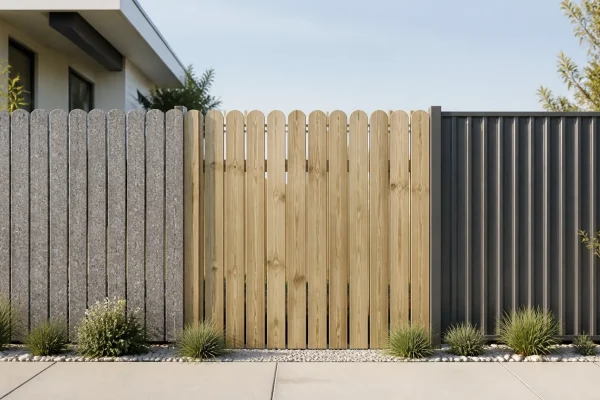
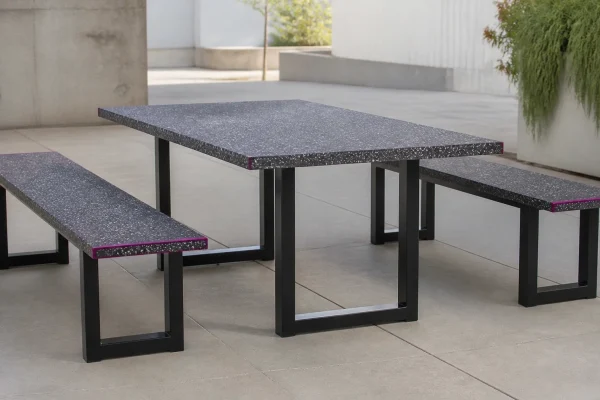
The versatility of Australian-manufactured recycled plastic is incredible. We are seeing these materials replace traditional timber, MDF, and virgin plastics across multiple sectors.
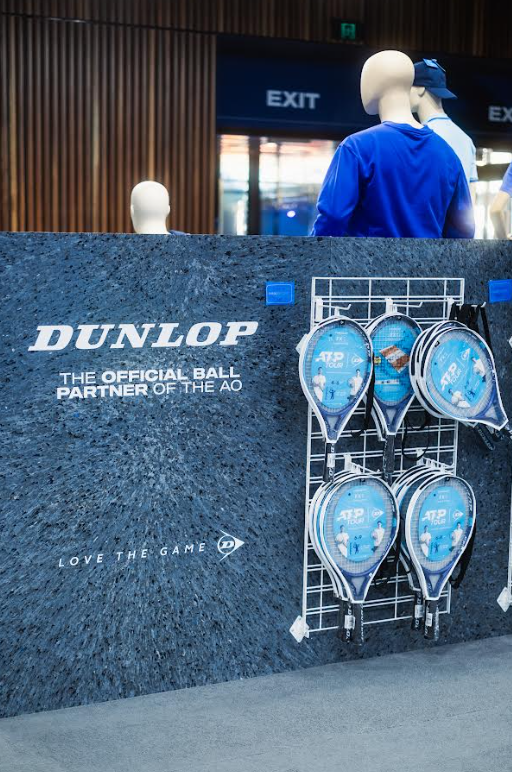
- Retail Displays: Creating high-impact, sustainable commercial fit-outs that resonate with eco-conscious consumers.
- Public Infrastructure: Councils are using these materials for park furniture, signage, and public space infrastructure.
- Heavy Industry: Using durable, chemically resistant sheets for mining operations.
How to Start Sourcing Locally
If you’re ready to move away from the uncertainties of international sourcing and embrace the benefits of Australian manufacturing, here is your checklist:
- Define Your Specs: Determine the thickness, colour, and load-bearing requirements for your project.
- Verify the Source: Ask for documentation proving the material is 100% Australian recycled waste.
- Calculate the Total Value: Factor in lead times, transport savings, and ESG compliance when comparing quotes.
- Engage Early: Involve your local manufacturer during the design phase to optimise material usage and reduce waste.
Resourceful Living is here to help you navigate this transition. We don't just provide a product; we provide a partnership that ensures your project is built for the future.
Ready to see the material for yourself? Explore our product range or get in touch to discuss your specific project requirements. Let's build something that lasts: and something that matters.