When most people think about "recycled plastic," they picture a mixed bag of whatever ended up in the yellow bin. They think of it as a low-grade, "good enough" material used for park benches or speed humps. At Resourceful Living, we’re here to tell you that if you want to build a real circular economy in Australia, "good enough" is a recipe for failure.
In the world of recycled material manufacturing, Quality Control (QC) isn't just a department: it’s our Unique Selling Proposition (USP).
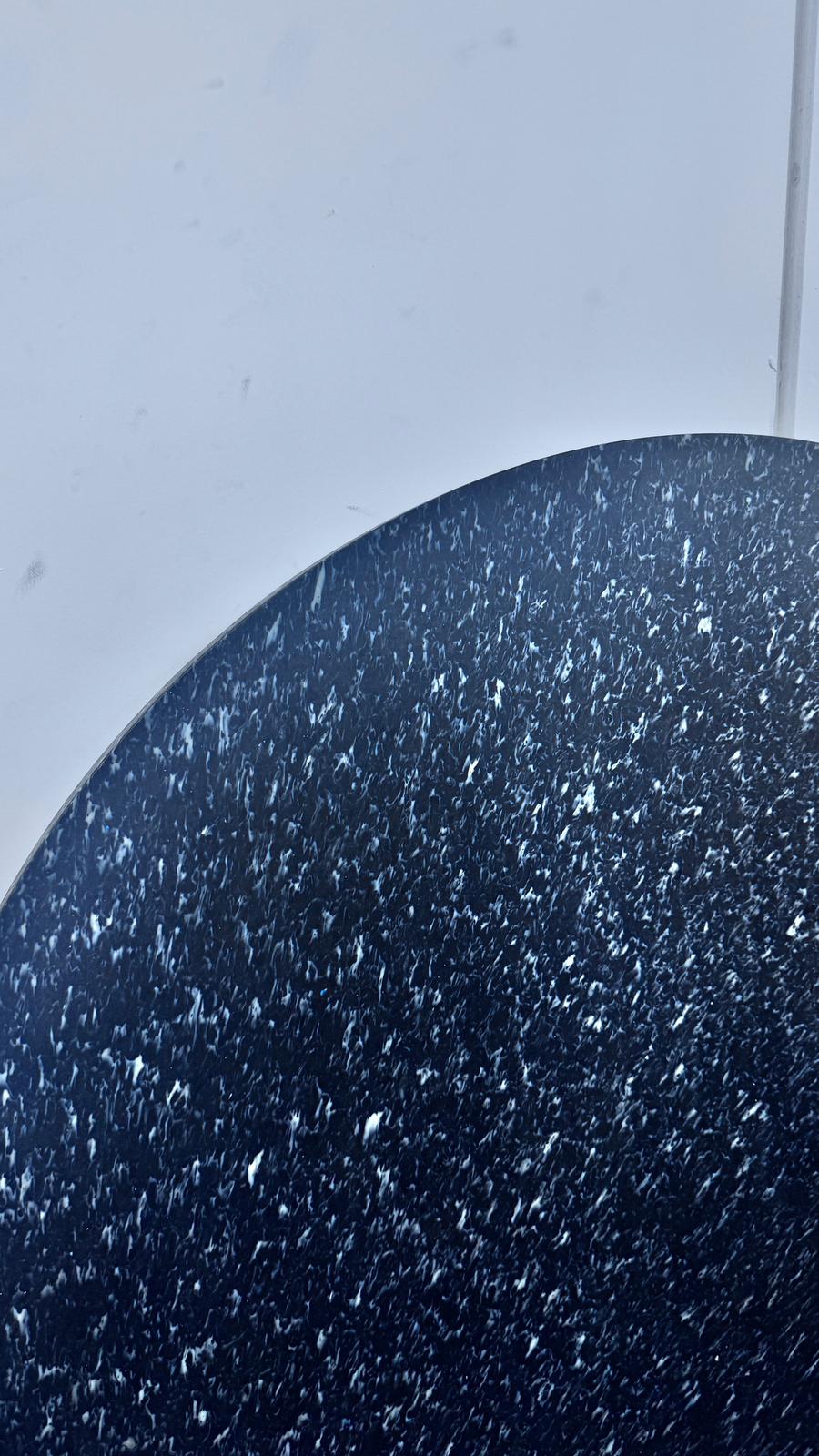
We don't just melt plastic; we engineer high-performance surfaces. To do that, we have to be obsessed with what goes into our machines. If you’ve ever wondered why our panels look like marble but perform like high-density timber, the answer lies in our strict traceability and contamination protocols.
Here is why traceability is the secret sauce that makes our Australian-made panels the gold standard for sustainable construction.
The Golden Rule: 100% HDPE and LDPE Only
The first step in our quality control process happens long before the heat is turned on. It starts with polymer purity.
In the recycling world, mixing plastics is a cardinal sin. If you mix PET (drink bottles) with HDPE (milk jugs), you get a structurally compromised material that will likely fail or warp. Each plastic has a different melting point and molecular structure.
At Resourceful Living, we live by a Golden Rule: We only process 100% HDPE (High-Density Polyethylene) and LDPE (Low-Density Polyethylene).
- HDPE: Think milk bottles, shampoo containers, and detergent jugs. It’s incredibly tough, UV resistant, and perfect for recycled plastic benchtops.
- LDPE: This is the softer stuff, like pallet wrap or some squeeze bottles. When blended correctly with HDPE, it adds the right amount of flex and durability.
By sticking to these two polymers, we ensure that our panels have a consistent density and a predictable lifespan. We aren't guessing what’s in the mix. We know exactly how the material will react under pressure and heat because we’ve stripped away the "mystery."
Eyes on the Shredder: Battling the "Big Three" Contaminants
Our team in the shed are the frontline defenders of quality. They aren't just operating heavy machinery; they are highly trained sorters who know that a single mistake can ruin an entire batch.
When we talk about Traceability & Contamination, we are looking out for the "Big Three" enemies of recycled plastic manufacturing:
1. Metal
A single rogue screw, staple, or piece of foil can do two things: it can damage our precision shredders (costing us thousands in downtime) and it creates a "weak point" in the finished panel. If a customer is CNC-machining a panel and hits a piece of metal, it ruins their tools and our reputation.
2. Stickers and Adhesives
You wouldn't think a paper label matters, but in a 200-degree oven, paper chars. If we don't remove labels and glue, the finished panel will have brown "burnt" flecks and structural voids. Our process involves a rigorous cleaning phase to ensure only the pure polymer makes it to the mould.
3. 'Mystery' Plastics
PVC is the ultimate villain in our shed. If even a small amount of PVC gets into an HDPE melt, it releases corrosive gases and ruins the batch's structural integrity. This is why we don't "wish-cycle." If we can't identify the plastic with 100% certainty, it doesn't enter the shredder.
Traceability: If It’s Not Logged, It Didn’t Happen
One of the biggest hurdles in sustainable construction materials in Australia is the lack of data. Many "recycled" products are imported from overseas with zero paperwork regarding their origin.
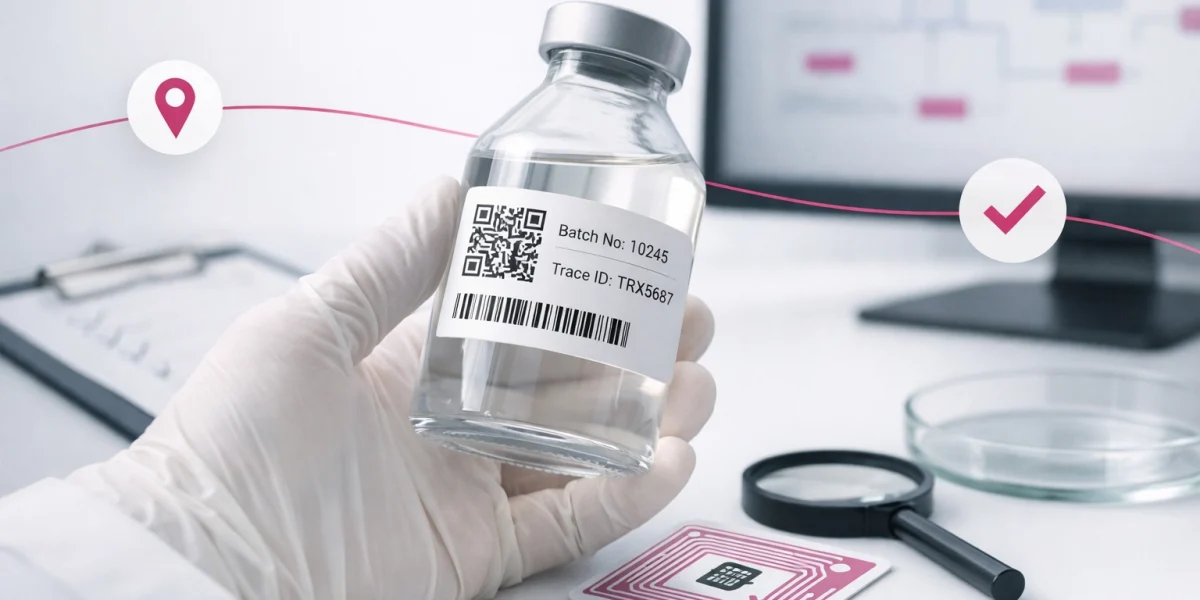
We do things differently. We’ve implemented a "Shred-to-Sheet" tracking system.
Every batch of raw waste that enters our facility is logged. We know which council it came from, which business partner supplied the scrap, and exactly when it was shredded. This data follows the material through the washing, drying, and moulding phases.
Why does this matter to you?
- ESG Compliance: If you are a commercial developer, you need to prove your green credentials. We can provide the "genealogy" of your panels.
- Green Audits: We help businesses pass their next green audit by providing transparent data on local sourcing.
- Root Cause Analysis: As noted in industry research, traceability allows us to pinpoint exactly where a defect occurred. If a panel doesn't meet our flexural strength standards, we can look back at the logbook to see the exact composition of that specific batch.
"Our clients buy from us because we can prove where the plastic came from. One stray bit of contamination ruins the 'Take-Back' promise. If you see something weird in the sorting bay, stop and clear it." : The Resourceful Living Mantra
The Take-Back Promise: Quality at the Start, Circularity at the End
The ultimate goal of Resourceful Living is to close the loop. We don't want our panels to end up in a landfill 20 years from now.
This is where our focus on quality control pays the biggest dividend. Because we are so strict about using 100% HDPE/LDPE and removing all contaminants, we can offer a Take-Back Guarantee.
When a fit-out is decommissioned or a retail display panel reaches the end of its life, you can send it back to us. Because we know exactly what is in that panel (thanks to our traceability logs), we can confidently put it straight back into our shredder to create a brand-new product.
This is the definition of a true circular economy. If we allowed contamination or "mystery plastics" into our panels today, we wouldn't be able to safely recycle them tomorrow. Quality control is an investment in the future of the material.
Comparing the Standards: Why Clean Plastic Wins
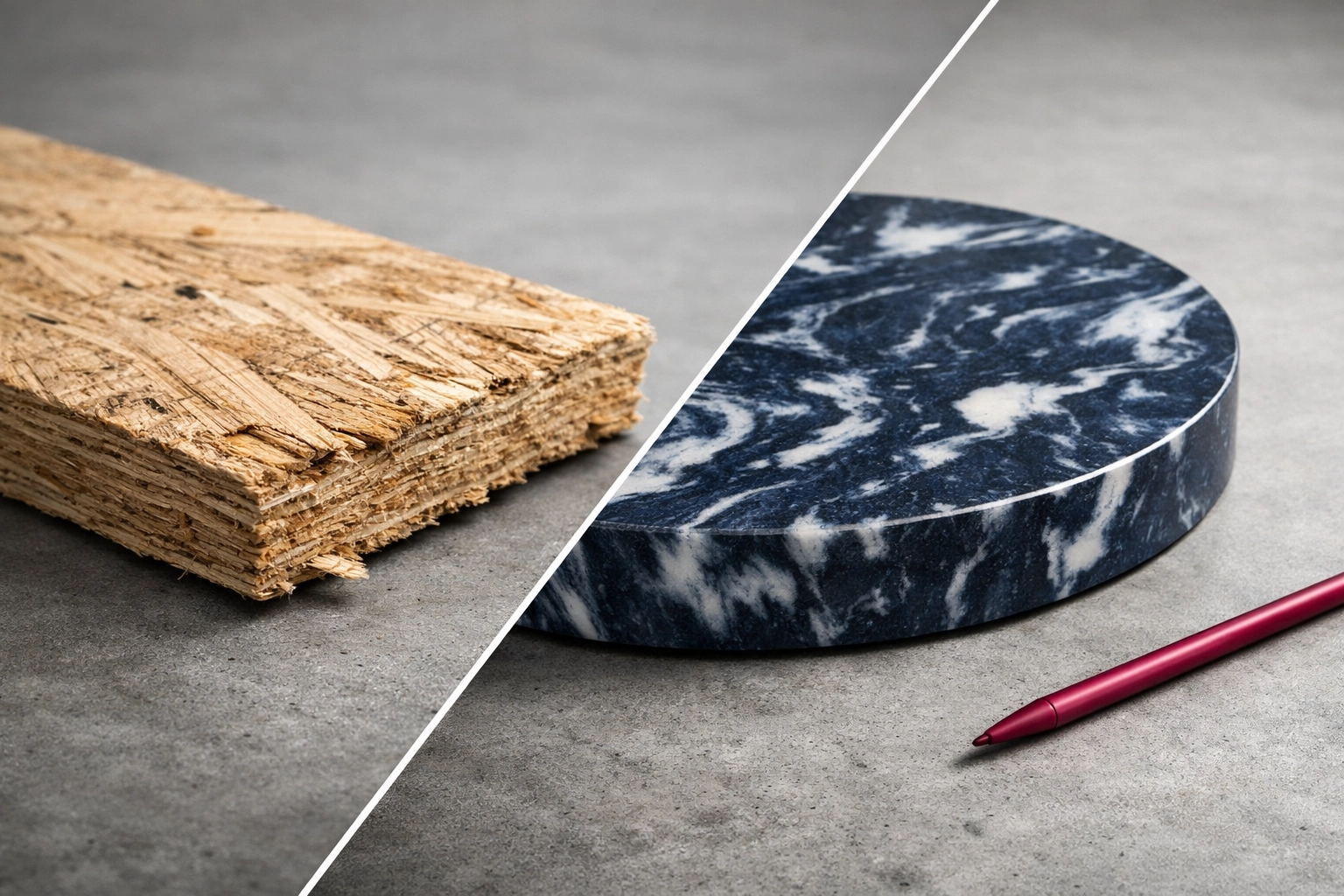
When you compare our traceable, high-QC panels to traditional materials like timber or unverified recycled boards, the benefits are clear:
| Feature | Resourceful Living (Traceable HDPE) | Standard Timber/Plywood | Unverified Recycled Plastic |
|---|---|---|---|
| Waterproof | 100% – Never rots | No – Swells and molds | Varies – Often porous |
| Traceability | Full "Shred-to-Sheet" Log | Limited (FSC only) | None |
| Chemical Resistance | High | Low | Unknown |
| Recyclability | 100% Circular (Take-Back) | Difficult (Glues/Toxins) | Often Landfill-only |
| Durability | 5x longer than timber | 3-5 year lifespan outdoors | Brittle if contaminated |
By maintaining these high standards, we ensure our panels are fit for public infrastructure where safety and longevity are non-negotiable.
How We Maintain the Standard: A Checklist for the Shed
Every day, our team follows a rigorous QC checklist to ensure that every panel leaving the factory is worthy of the Resourceful Living name:
- Visual Inspection (Pre-Shred): Manual removal of all lids, rings, and non-conforming polymers.
- Magnetic Separation: Running material through magnets to catch any microscopic ferrous contaminants.
- Temperature Precision: Monitoring the melt to within 1-degree Celsius to prevent polymer degradation.
- Batch Logging: Recording the weight, source, and polymer type for every single sheet.
- Post-Production Stress Test: Ensuring the sheet is flat, consistent in thickness, and free of internal air pockets.
The ROI of Rigorous Quality Control
You might think that this level of oversight adds cost. In reality, it creates massive ROI for our clients. When you buy a panel that is traceable and pure, you are buying a material that won't warp, won't delaminate, and won't fail in the field.
Whether you are looking for sustainable construction materials or trying to figure out how to meet recycled content targets, the quality of the raw material is the most important factor.
At Resourceful Living, we’ve proven that you can take local Australian waste and turn it into a premium product: as long as you’re willing to sweat the small stuff.
Traceability isn't just a buzzword for us; it’s the foundation of everything we build.
If you’re ready to start your next project with material you can actually trust, check out our ultimate guide to recycled plastic sheets or get in touch with the team to see how we can help you close the loop.