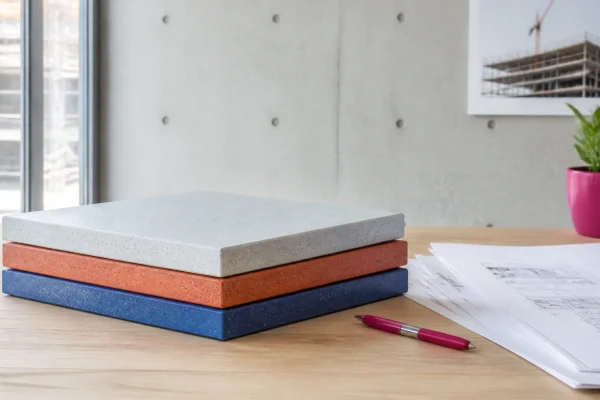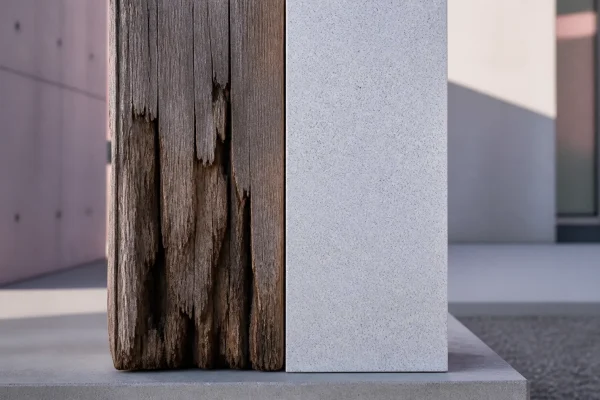

The construction industry in Australia is undergoing a massive shift. As the focus moves away from "extract, use, and dispose" toward a circular economy, recycled plastic construction materials are no longer just a niche alternative: they are becoming a site requirement.
At Resourceful Living, we’re seeing a surge in demand for recycled plastic sheets that can outperform traditional timber, ply, and even some metals in harsh Australian conditions. Whether you are aiming to meet new government procurement policies or simply want a material that doesn't rot, warp, or require constant replacement, recycled plastic is the answer.
Here are 20 practical, high-impact ways to integrate recycled plastic building materials into your next project.
1. Site Hoarding and Perimeter Fencing
Traditional plywood hoarding is notorious for soaking up water, delaminating, and looking "tired" after just a few months on-site. Recycled plastic sheets are 100% waterproof and UV-stabilised. They provide a clean, professional aesthetic that stays intact for the duration of the project, regardless of the weather.
2. Reusable Concrete Formwork
One of the most cost-effective uses of recycled plastic in construction is formwork. Because concrete doesn’t stick to High-Density Polyethylene (HDPE) as easily as it does to timber, the strike rate is significantly higher. You get a smoother finish and can reuse the panels dozens of times, slashing your material costs per pour.
3. Temporary Walk Boards and Ground Protection
Protecting finished surfaces or navigating muddy sites is a constant battle. Recycled plastic walk boards offer high impact resistance and a non-slip surface. They are lighter than steel plates and more durable than timber planks, making them easier for your crew to handle and move.
4. Internal Wall Panelling
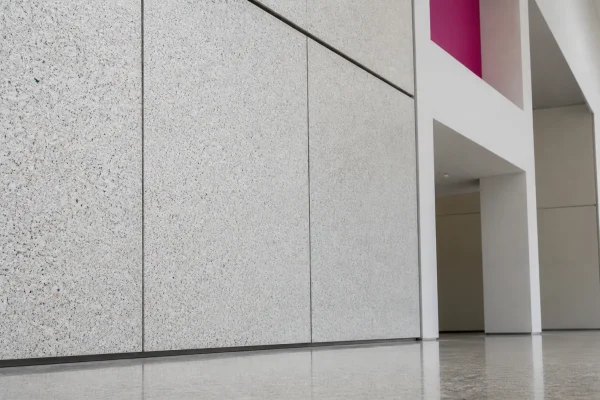
For commercial fit-outs, recycled plastic sheets offer a unique, marbled aesthetic that tells a sustainability story. They are perfect for high-traffic areas where durability is non-negotiable. If you're looking for inspiration, check out how 100% recycled plastic panels are changing the game for interior designers.
5. Erosion Control and Retaining Walls
In civil engineering, recycled plastic "sleepers" and panels are used for erosion control. Unlike treated pine, they don’t leach chemicals into the soil or groundwater, making them the superior choice for environmentally sensitive areas.
6. Acoustic and Noise Barriers
Recycled plastic is naturally dense, which makes it an excellent material for sound attenuation. When used as noise barriers along highways or around noisy construction sites, these panels provide a long-term solution that requires zero maintenance and won't rust or decay.
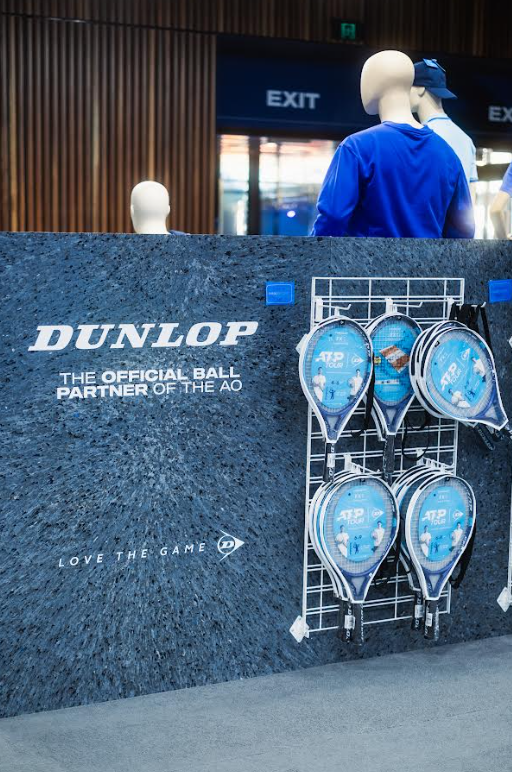
7. Bespoke Retail Displays
Retailers are increasingly looking to align their physical stores with their brand values. Using recycled plastic for shelving, counter fronts, and point-of-sale displays is a visual win.
8. Site Signage and Safety Boards
Safety is paramount, but site signage shouldn't be disposable. Recycled plastic building materials create rigid, weather-resistant backing boards for site maps, safety protocols, and emergency information that won't fade or peel in the sun.
9. Wet Area Cabinetry Carcases
Traditional MDF or chipboard carcases fail miserably when exposed to moisture. In kitchens, bathrooms, or laundries, using recycled plastic for the internal structure of the cabinetry ensures the kitchen will literally last a lifetime, even if there’s a leak.
10. Durable Outdoor Furniture
From park benches to site lunch tables, recycled plastic furniture is the gold standard. It’s "graffiti-resistant" (paint can often be wiped off or lightly sanded away) and won't splinter, ensuring it's safe for public use for decades. This is why many Australian councils are leading with recycled plastic infrastructure.
11. Trench Covers and Utility Access
Lightweight yet incredibly strong, recycled plastic covers allow for easy manual handling while providing a safe walking surface over open trenches or utility pits.
12. Scaffolding Planks
Engineered recycled plastic planks provide a consistent, predictable strength profile. Unlike timber, there are no knots or grain defects that could lead to unexpected failure, providing a higher safety margin for workers at heights.
13. Drainage Grates and Channels
Plastics like HDPE are highly resistant to chemicals and salts, making them the ideal material for drainage systems in industrial settings or coastal construction projects where corrosion is a major risk.
14. Protection Boards for Waterproofing
When you’ve just applied a delicate waterproofing membrane to a slab or retaining wall, the last thing you want is the backfill process damaging it. Recycled plastic protection boards offer a tough, puncture-resistant shield that stays in place permanently.
15. Tree Guards and Landscaping Edging
For large-scale landscaping projects, recycled plastic edging provides a crisp line that won't rot into the garden bed. Tree guards made from recycled materials can be collected and reused on the next site once the trees are established.
16. Ceiling Baffles and Industrial Art
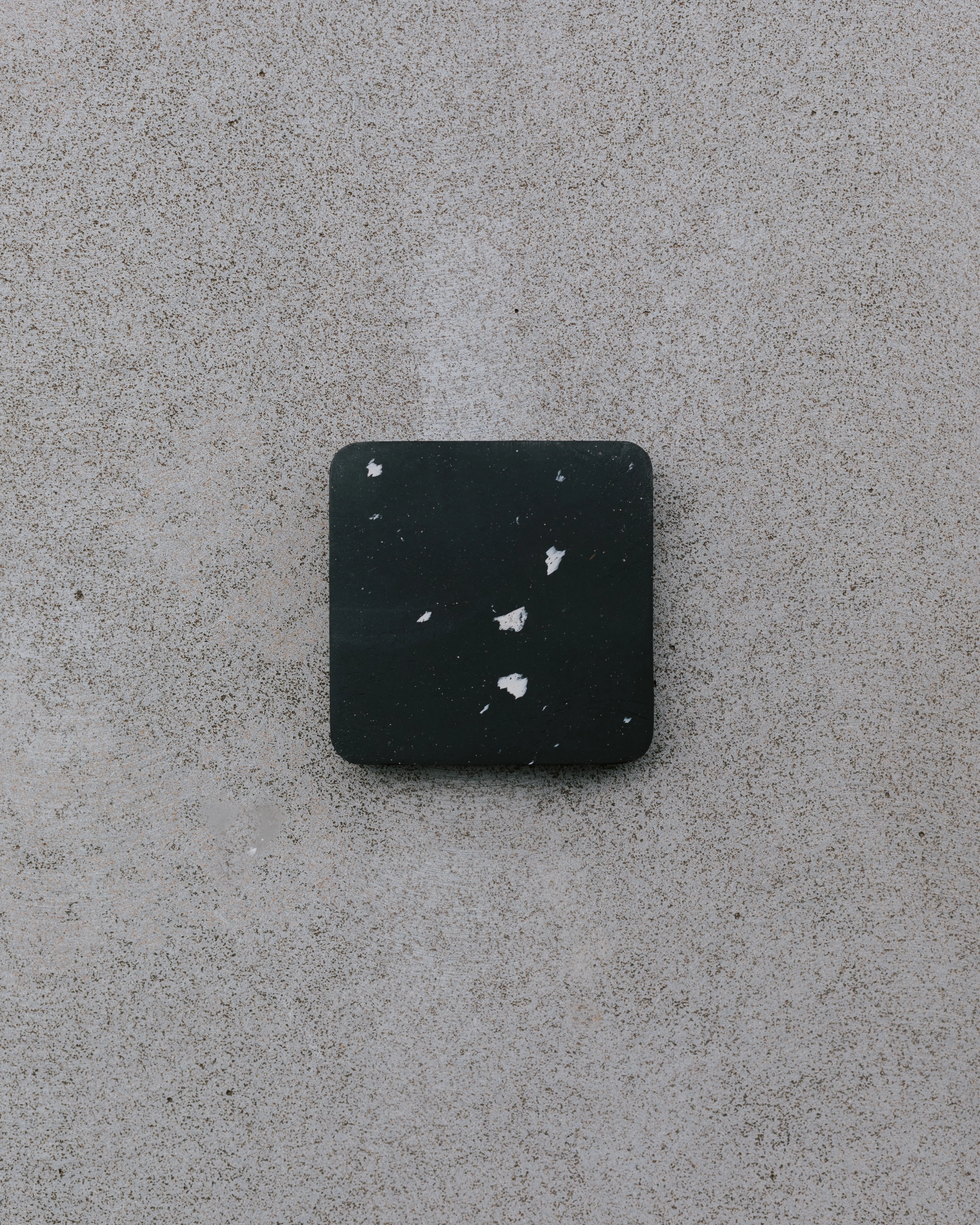
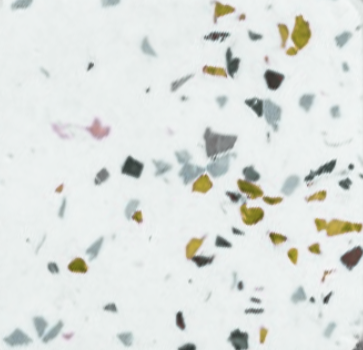
With the various colours and textures available, such as our 'N70 White Confetti' style, recycled plastic is being used for creative architectural features that also serve to improve room acoustics.
17. Skid Plates and Wear Strips
In the mining and heavy machinery sectors, recycled plastic construction materials are used as sacrificial wear strips. They reduce friction and protect expensive steel components from abrasion. For a deeper look, see why mining operations are switching to recycled plastic.
18. Roof Tiles and Shingles
While still emerging in the Australian market, recycled plastic roof tiles offer a lightweight, hail-resistant alternative to traditional terracotta or concrete, significantly reducing the structural load on the building.
19. Modular Sheds and Site Offices
Entire modular units can be clad in recycled plastic panels. These units are easy to clean, thermally efficient, and can be moved from site to site without the exterior panels degrading or needing a repaint.
20. Waste Management Stations
Lead by example on your site. Use recycled plastic sheets to build robust, clearly labelled waste sorting stations. This encourages your subbies to separate waste correctly, helping you reduce landfill costs.
Why Recycled Plastic is the Professional’s Choice
The shift toward recycled plastic building materials isn't just about the environment; it’s about the bottom line. Traditional materials like plywood and timber are becoming more expensive and harder to source.
Ease of Handling and Repair
One of the biggest "secrets" of working with recycled plastic sheets is how easy they are to maintain.
- No Painting: The colour is solid throughout the material. Scratches don't reveal a different colour underneath.
- Easy Repair: Deep gouges can often be "healed" using a simple plastic welding heat gun and a scrap piece of the same material.
- Standard Tools: You don't need specialised equipment. If you can cut timber, you can cut recycled plastic. Standard saws, drills, and routers work perfectly.
Compliance and Social Procurement
With the introduction of new circular construction reforms, being able to prove the provenance of your materials is vital. At Resourceful Living, our materials are made from traceable Australian plastic waste. This helps Tier 1 contractors and developers meet their Social Procurement targets and Environmental, Social, and Governance (ESG) goals.
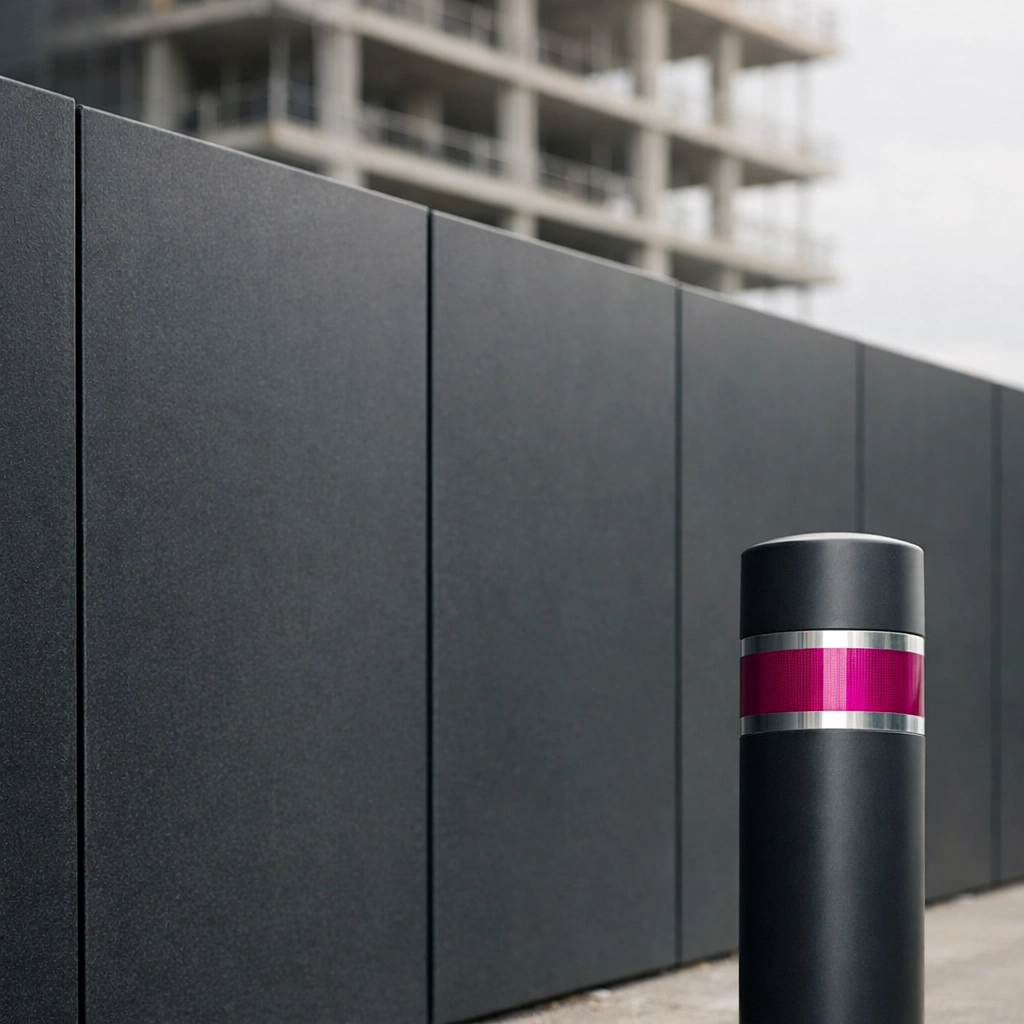
Caption: A modern construction site utilising recycled plastic hoarding and safety barriers for a clean, sustainable footprint.
Getting Started on Your Next Build
Integrating recycled plastic construction materials doesn't require a total overhaul of your workflow. Start small: replace your disposable ply hoarding with reusable plastic sheets, or swap out your bathroom carcases for moisture-proof recycled panels.
If you’re a specifier or project manager, we recommend reviewing our Tier 1 Council & Specifier Guide to understand the technical specifications and load-bearing capabilities of these materials.
The future of Australian construction is circular. By choosing recycled plastic, you're not just building a structure; you're helping build a system that values resources and eliminates waste.
Ready to see samples or discuss your project requirements? Resourceful Living is here to help you navigate the transition to high-performance, sustainable materials. Let's build something that lasts.