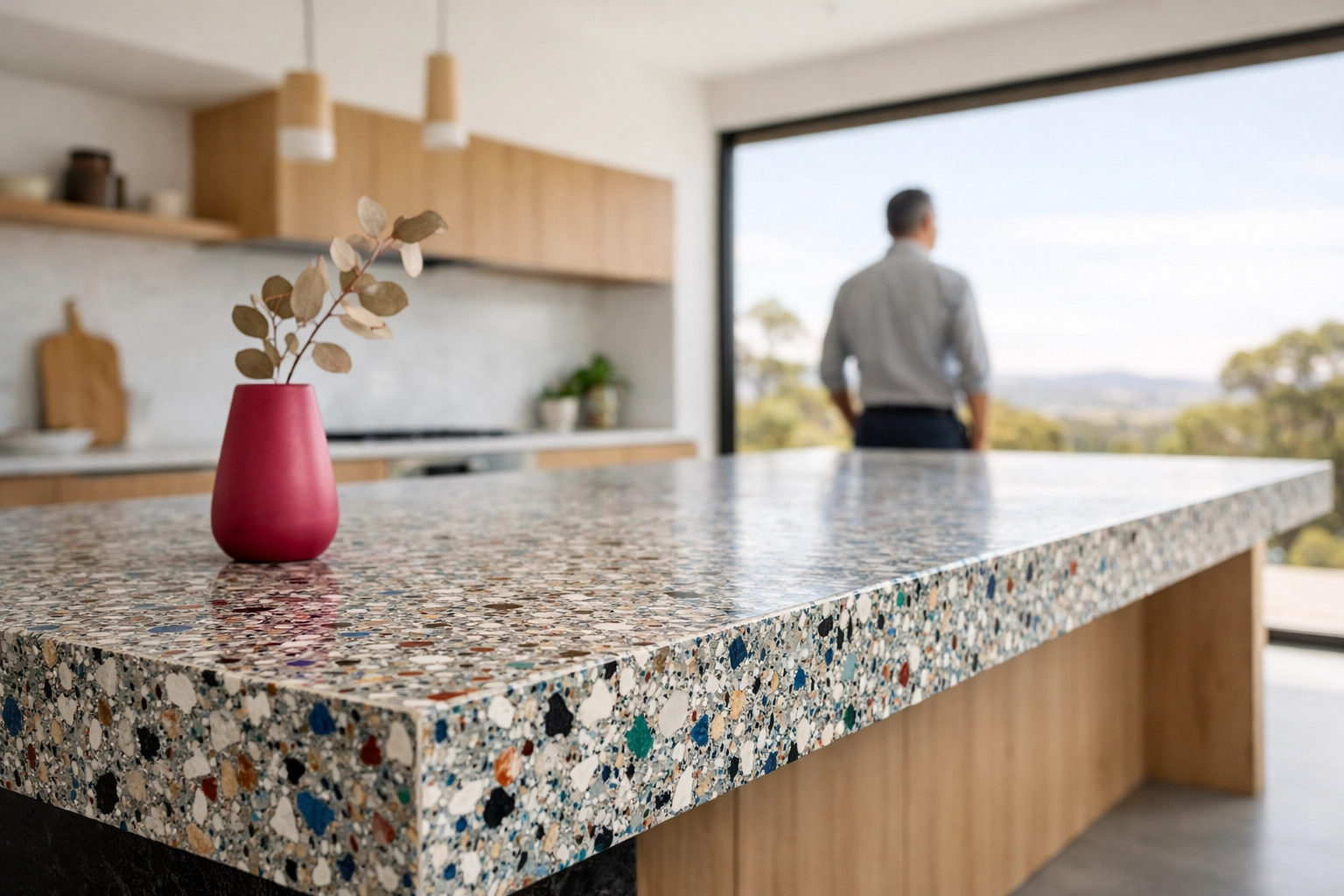

The Australian construction industry is currently navigating one of the most significant material shifts in decades. With the national ban on engineered stone containing crystalline silica taking full effect as of July 1, 2024, builders, architects, and homeowners are searching for high-performance alternatives that don't compromise on aesthetics or longevity.
While "stone-look" porcelain and ultra-compact surfaces have entered the fray, there is a rising contender that solves more than just the safety issue: recycled plastic benchtops.
At Resourceful Living, we aren't just making "eco-friendly" surfaces; we are manufacturing heavy-duty, industrial-grade panels designed to outperform traditional materials in some of the harshest environments. If you are weighing up your options for a commercial fit-out, a residential kitchen, or a laboratory workspace, here is how recycled plastic stacks up against the old guard of engineered stone.
The Safety Elephant in the Room: Silica Dust
The primary reason for the decline of engineered stone is the health risk associated with silicosis. When engineered stone is cut, ground, or polished, it releases fine dust particles that, when inhaled, cause incurable lung disease.
Recycled plastic benchtops are 100% silica-free.
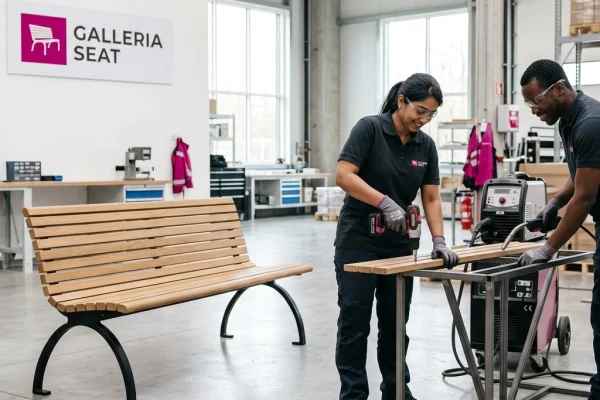
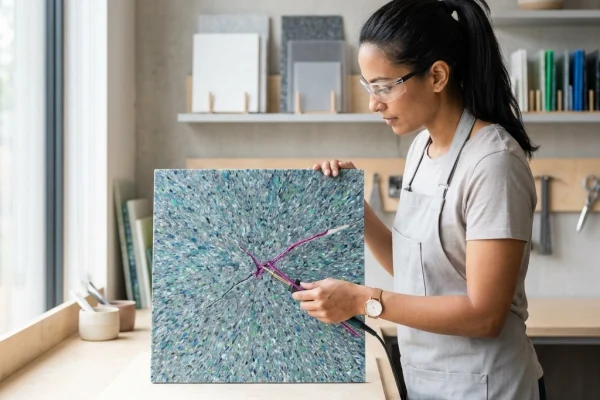
Whether you are the fabricator cutting the slab or the client living with the finished product, there is zero respiratory risk. Our materials can be worked with standard woodworking tools, circular saws, routers, and drills, without the need for the specialised, high-cost wet-cutting infrastructure required to manage hazardous dust.
"Choosing a material shouldn't just be about the final look; it’s about the safety of the people who build our homes and offices. Moving to silica-free alternatives is a non-negotiable for modern construction." , Jess Hodge, CEO of Resourceful Living.
Environmental Impact: Circularity vs. Extraction
Engineered stone is typically composed of 90% crushed stone (quartz) and 10% polymer resin. While durable, it is an extractive material. It requires mining raw minerals and uses petroleum-based resins to bind them together. Once an engineered stone benchtop reaches the end of its life, it almost invariably ends up in a landfill.
In contrast, our panels are 100% recycled and 100% recyclable.
- Raw Material: We use post-consumer and post-industrial plastic waste diverted from Australian landfills.
- Carbon Footprint: The energy required to melt and reform plastic is significantly lower than the energy used in stone mining, crushing, and resin curing.
- The Buy-Back Programme: This is our "secret sauce." We operate a circular model. If your project is decommissioned in 10 or 20 years, we will buy the material back from you to wash, shred, and turn into new panels.
This makes our surfaces some of the most sustainable construction materials Australia has to offer. You aren't just buying a benchtop; you're participating in a closed-loop waste management system.
Durability and Performance: A Head-to-Head Comparison
A common misconception is that "plastic" equals "flimsy." In reality, the high-density polymers we use are engineered for impact resistance and chemical stability.
1. Impact Resistance
Engineered stone is brittle. If you drop a heavy cast-iron pot on the edge of a stone benchtop, it can chip or crack. Repairing these chips is difficult and often visible.
Recycled plastic is exceptionally high-impact. It has a level of "give" that allows it to absorb shocks without shattering. This is why mining operations are switching to recycled plastic for heavy-duty applications.
2. Moisture and Chemical Resistance
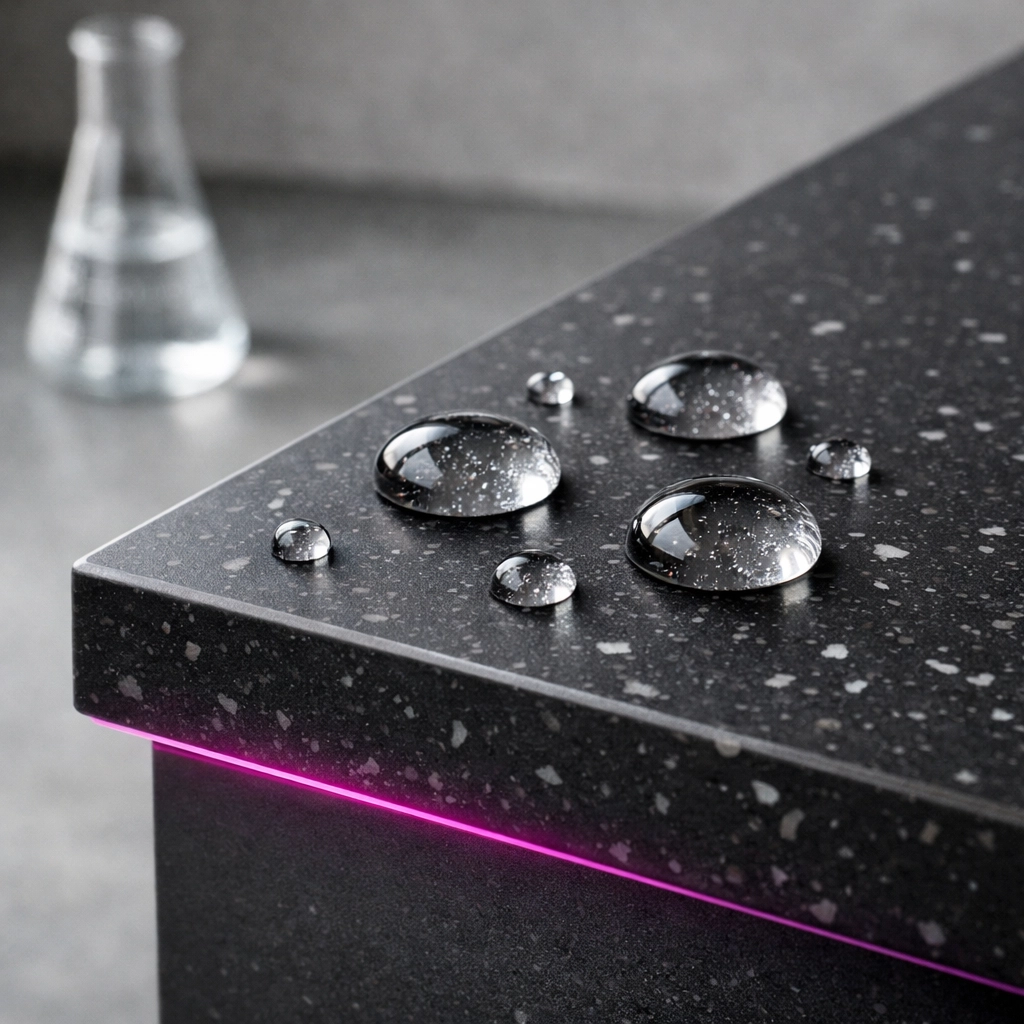
Engineered stone is non-porous, which is a great feature. However, recycled plastic takes this a step further. It is completely waterproof and chemically inert.
- It won't swell if exposed to water (unlike laminate or timber).
- It resists staining from acids, oils, and harsh cleaning agents.
- It is ideal for high-hygiene environments like labs or commercial kitchens.
3. Heat Resistance
This is the one area where stone holds a slight edge. Engineered stone can handle higher temperatures before deforming. However, neither material should have a boiling pot placed directly on its surface. With recycled plastic, we recommend using a trivet for anything coming directly off a stovetop.
Weight and Installation Logistics
One of the biggest pain points for builders and installers is the weight of stone. A standard 20mm engineered stone slab weighs approximately 50-60kg per square metre. This requires multi-person lifts, reinforced cabinetry, and high transport costs.
Recycled plastic benchtops weigh approximately one-third of traditional stone.
This weight reduction provides several immediate benefits:
- Lower Labour Costs: Often, a single joiner can handle and install the material.
- Reduced Structural Requirements: You don't need to over-engineer your cabinetry or sub-floors to support the weight.
- Ease of Modification: If a hole needs to be cut for a new power outlet or a sink needs to be adjusted on-site, it can be done in minutes with standard tools. No need to send the slab back to a specialised stone mason.
The Aesthetic Shift: From "Fake Stone" to Authentic Texture
For years, the goal of interior design was to make everything look like marble. But design trends are shifting toward authentic, textured, and story-driven materials.
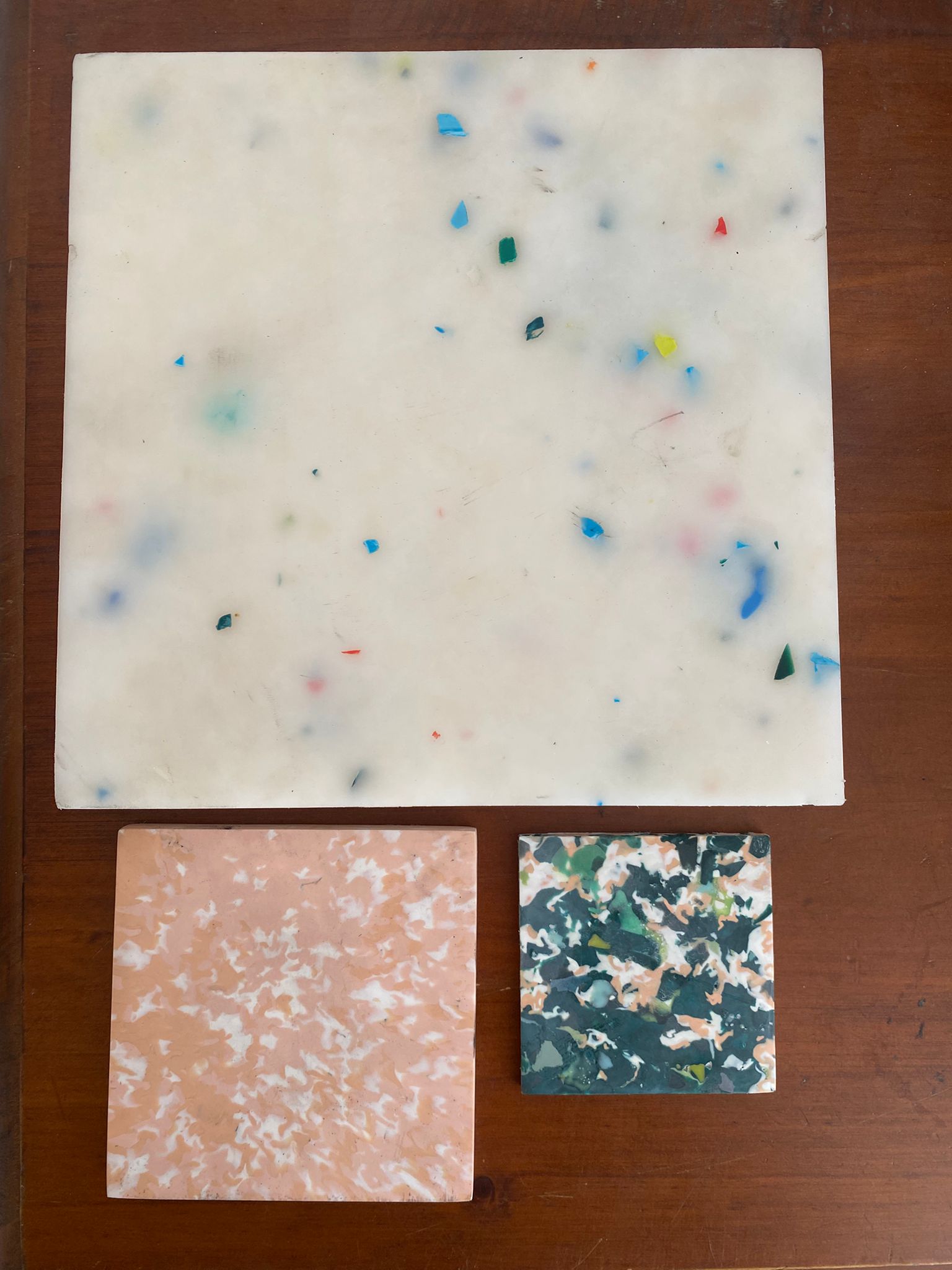
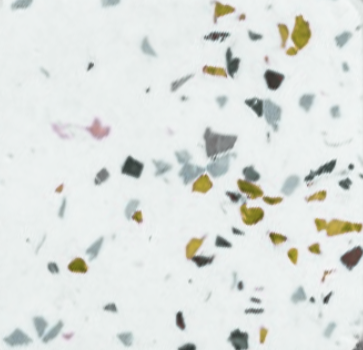
Our panels, such as the N70 White Confetti or the Navy and White Marbled pattern, offer a unique aesthetic that stone simply cannot replicate. Each sheet has its own "fingerprint" based on the recycled feedstock used that day.
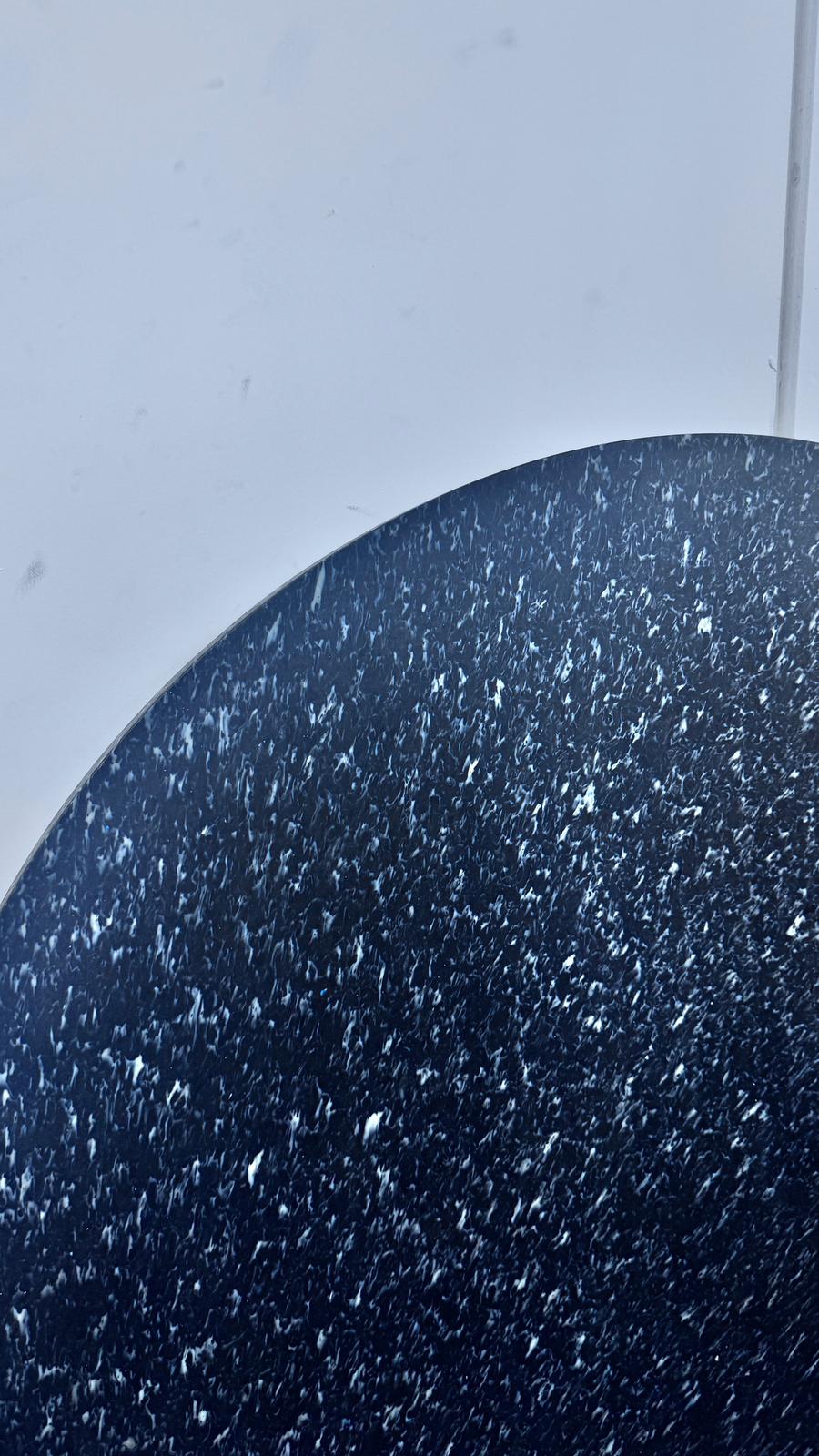
When you run your hand across a Resourceful Living benchtop, you aren't feeling a cold, clinical surface. You're feeling a material that has a "warm" touch and a visual depth that tells a story of diverted waste and local manufacturing.
Comparing the Costs
When evaluating the cost, you have to look beyond the "price per slab." You must consider:
- Material Cost: Competitive with mid-to-high range engineered stone.
- Fabrication Cost: Significantly lower, as no specialised wet-cutting or silica-management PPE is required.
- Installation Cost: Lower due to reduced weight and ease of handling.
- End-of-Life Value: Only Resourceful Living offers a buy-back programme, effectively giving the material a residual value at the end of its life.
For those looking to meet new environmentally sustainable procurement policies, the "true cost" of recycled plastic is often much lower when social and environmental credits are factored in.
Why Local Australian Manufacturing Matters
Most engineered stone used in Australia was imported from overseas. This meant long lead times, high "food miles" for your materials, and zero transparency regarding the labour conditions or environmental standards of the factory.
Resourceful Living is Australian-made and owned. We manufacture right here, using Australian waste to create products for Australian projects.
- Traceability: We can tell you exactly where our plastic comes from.
- Short Lead Times: No waiting for shipping containers to clear port.
- Customisation: We can work with you on specific colourways or thicknesses for large-scale commercial projects.
Summary: Which Should You Choose?
| Feature | Engineered Stone | Recycled Plastic (Resourceful Living) |
|---|---|---|
| Silica Free | No (Mostly Banned in AU) | Yes (100%) |
| Eco-Friendly | Low (Extractive) | High (100% Recycled) |
| Weight | Heavy (50kg+ per m2) | Light (~15-18kg per m2) |
| Installation | Specialist Mason Required | Standard Woodworking Tools |
| Impact Resistance | Brittle (Can Chip) | High (Absorbs Impact) |
| Chemical Resistance | High | Excellent (Inert) |
| Circular Economy | Landfill at end-of-life | Buy-back & Re-manufacture |
Choose Engineered Stone Alternatives (like Porcelain) if:
- You require extreme heat resistance (e.g., directly next to a high-output commercial stove).
- You are strictly wedded to a high-gloss, literal "marble" look.
Choose Recycled Plastic Benchtops if:
- Safety is a priority: You want a silica-free workplace and home.
- Sustainability is core to your brand: You need to meet Green Star ratings or circular procurement goals.
- Durability is key: You're designing for high-traffic areas, schools, public spaces, or industrial settings.
- Ease of Install matters: You want to save on labour and structural costs.
Take the Next Step
The move away from engineered stone isn't a hurdle: it’s an opportunity to build better. By choosing recycled plastic, you aren't just selecting a benchtop; you're supporting a local industry and helping solve Australia's plastic waste crisis.
If you're ready to see how our materials can fit into your next project, explore our product range or check out our Tier 1 Specifier Guide for detailed technical data.