It’s 2026, and the Australian building landscape has shifted. We aren't just "trying" to be sustainable anymore; the industry has realised that circular construction is the only way to future-proof our infrastructure. But as the demand for eco-friendly materials skyrockets, so does the confusion.
If you’re looking to source recycled plastic sheets for a project, whether it’s for a commercial fit-out, public boardwalk, or high-end joinery, you’ve likely noticed that not all sheets are created equal. Some warp in the sun, others crack under pressure, and some are just "greenwashed" versions of inferior products.
This guide is designed to cut through the noise. We're going deep into the technical specs of strength, UV stability, and material composition so you can choose the best Australian-made panels for your specific needs.
1. Material Composition: Why 100% HDPE is the Gold Standard
When you’re comparing recycled plastic boards, the first thing you need to check is the polymer type. In the Australian market, you’ll mostly see HDPE (High-Density Polyethylene) and LDPE (Low-Density Polyethylene), or mixed "soft plastic" composites.
For structural integrity and a premium finish, 100% recycled HDPE is the industry benchmark. Here’s why:
- Zero Fillers: High-quality sheets contain no resins, glues, or toxic additives. This means the board remains 100% recyclable at the end of its life.
- Moisture Resistance: HDPE is naturally hydrophobic. It won't rot, swell, or absorb water, making it ideal for the humid Australian climate.
- Density: It offers a superior strength-to-weight ratio compared to timber or soft plastic alternatives.
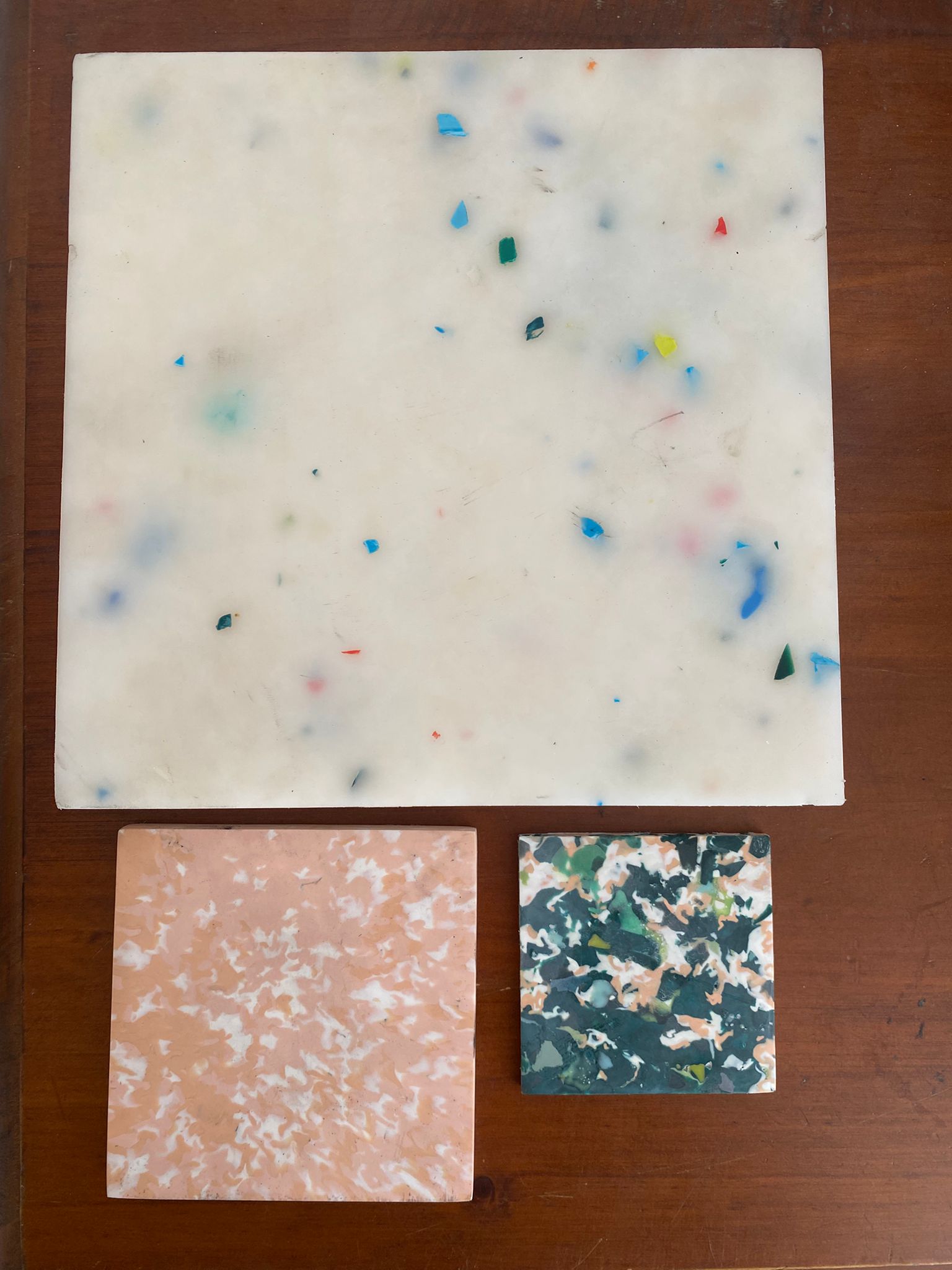
At Resourceful Living, we focus on traceable HDPE. Using materials like recycled milk cartons and bottle caps, we create a product that is as durable as it is beautiful.
2. The UV Factor: Can It Handle the Aussie Sun?
Australia has some of the harshest UV conditions in the world. If you choose the wrong recycled plastic sheet for an outdoor application, you'll see fading, chalking, and brittleness within a few years.
UV Stabilization is a non-negotiable technical requirement for any outdoor project. High-performance boards are manufactured with UV stabilizers integrated throughout the material, not just as a surface coating.
- Standard Sheets: Often designed for internal use. If placed outside, they may lose structural integrity within 5–10 years.
- UV-Stabilized HDPE: Designed to maintain its colour and strength for 50+ years, even in high-exposure coastal environments.
"The difference between a cheap recycled panel and a high-performance sheet often comes down to the UV package. For Australian infrastructure, if it isn't UV-stabilized, it isn't fit for purpose."
3. Strength and Thickness: Matching Specs to Application
Choosing the right thickness is the difference between a project that lasts and one that fails. In Australia, the standard sheet size is typically 2400mm x 1200mm, but the thickness determines the load-bearing capacity.
6mm to 12mm: Aesthetic & Non-Structural
These thinner sheets are perfect for:
- Wall cladding and splashbacks.
- Cabinetry inserts and retail displays.
- Signage.
- Pros: Lightweight, easy to fabricate, and cost-effective for large surface areas.
20mm to 40mm: Structural Grade
This is where recycled plastic really starts to outperform timber. Use these for:
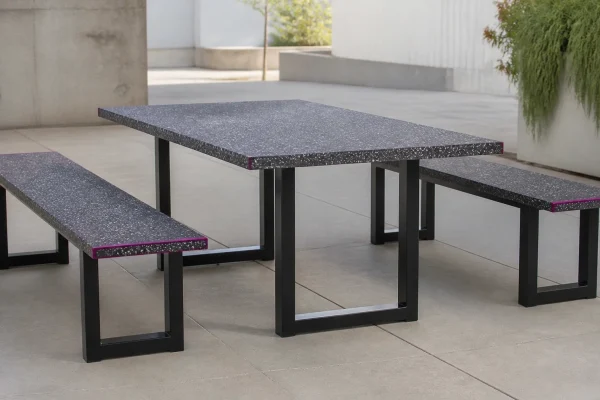
- Outdoor furniture and park benches.
- Public boardwalks and jetty decking.
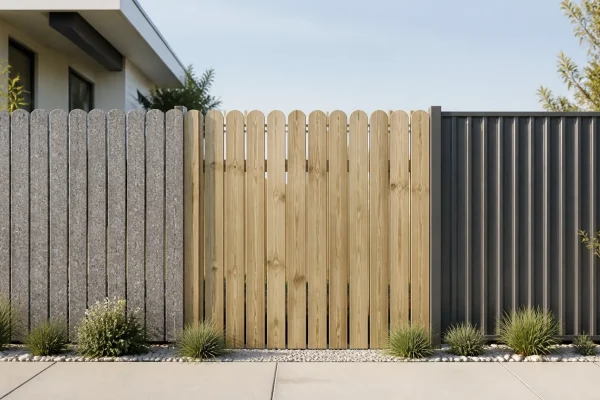
- Retaining walls and garden edging.
- Pros: High impact resistance, termite-proof, and can handle significant point loads without snapping.
4. Performance Comparison: Recycled HDPE vs. Traditional Materials
To make an informed decision, you need to see how these sheets stack up against the competition.
| Feature | 100% Recycled HDPE | Treated Pine | WPC (Wood Plastic Composite) |
|---|---|---|---|
| Lifespan | 50+ Years | 10-15 Years | 15-20 Years |
| Maintenance | Zero (No sanding/oiling) | High (Annual sealing) | Moderate |
| Waterproof | ✅ 100% | ❌ No | ⚠️ Partial |
| Termite Proof | ✅ Yes | ❌ No | ✅ Yes |
| Circular | ✅ Fully Recyclable | ❌ Landfill only | ❌ Hard to recycle |
| UV Resistance | ✅ High (Stabilized) | ❌ Low (Grays off) | ⚠️ Moderate |
5. Aesthetics: Why You Don't Have to Sacrifice Style
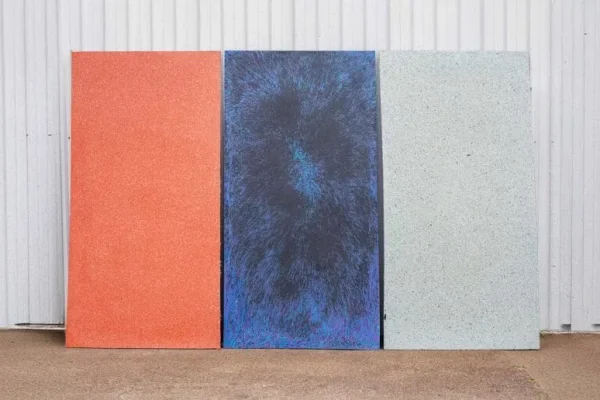
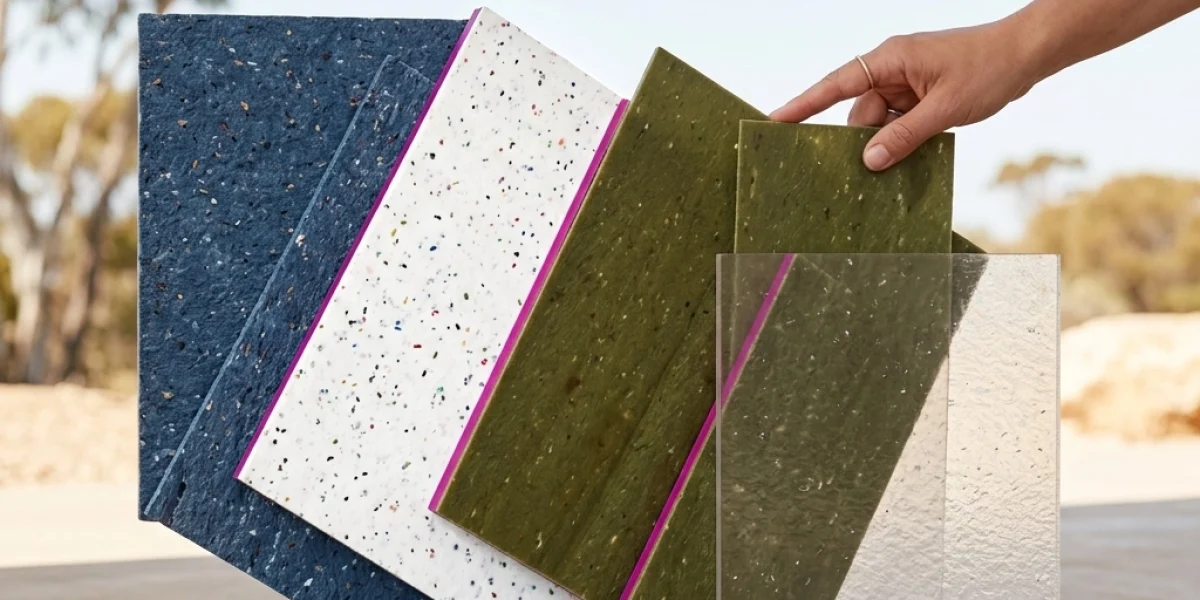
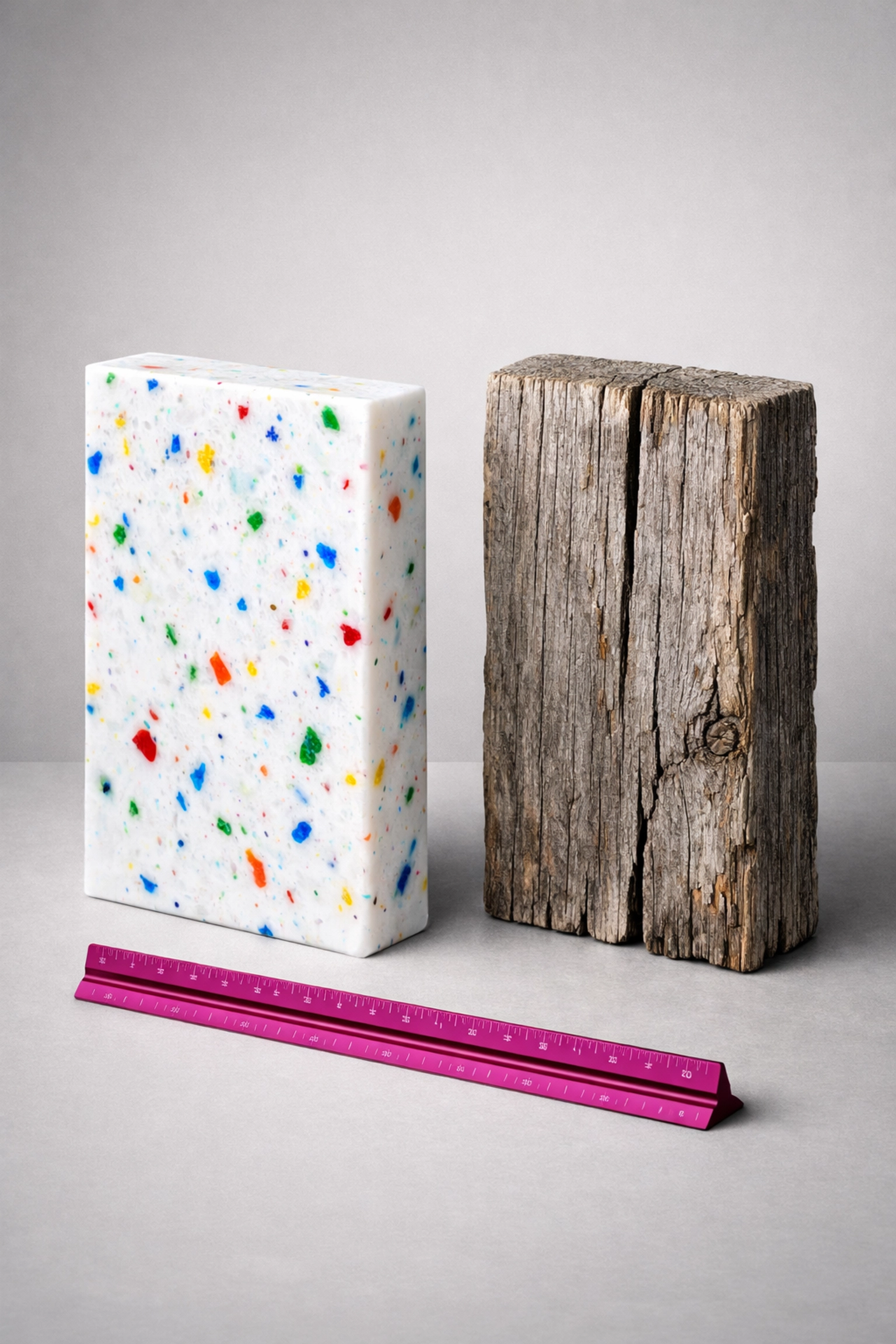
Gone are the days when "recycled" meant "boring grey or black." Modern manufacturing allows for incredible aesthetic diversity. Because we use post-consumer waste, every sheet tells a story through its unique marbling and flecks.
- N70 White Confetti: A clean white base with pops of colour, perfect for modern retail spaces.
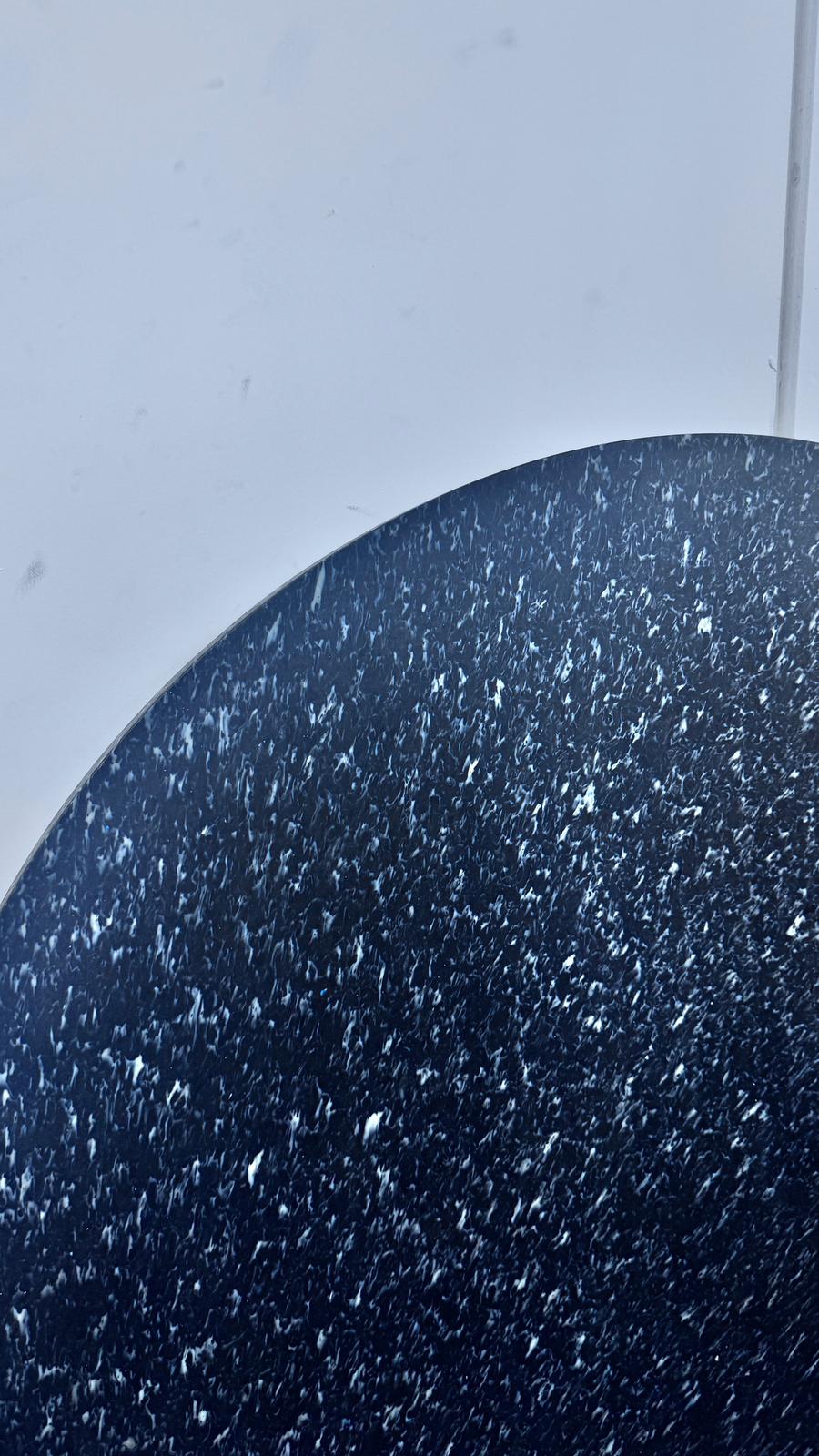
- Navy & White Marble: A sophisticated, high-end look for interior design.
- Custom Blends: Designers can now specify colour palettes that align with brand identities or environmental themes.
Whether you're building a bespoke retail display or a school fit-out, the visual appeal of these panels has become a primary selling point for architects.
6. The "Traceability" Checklist: Asking the Right Questions
As a buyer in 2026, you have a responsibility to verify the claims of your suppliers. Not all "recycled" plastic is actually diverted from Australian landfill. To ensure you're getting a truly sustainable product, ask these three questions:
- Is it 100% Australian-made and sourced? Importing recycled plastic from overseas adds a massive carbon footprint to your "green" project.
- Is there a take-back program? A truly circular product comes with a guarantee that the manufacturer will take the offcuts or the end-of-life product back to be remanufactured.
- Can you provide a traceability report? You should know exactly what type of waste went into your sheets: whether it was milk cartons or industrial scrap.
7. Installation Tips for Success
Recycled HDPE is a "living" material, meaning it expands and contracts slightly with temperature changes. To ensure your installation looks great for decades, keep these tips in mind:
- Over-drill your holes: When fastening sheets, use slightly larger pilot holes to allow for thermal expansion.
- Use Stainless Steel Fasteners: Since the sheets will outlast almost any other material, don't let your screws be the weak point. Use high-quality 316 stainless steel.
- Standard Tools Work Fine: You don't need specialized equipment. Any standard woodworking tools (saws, routers, drills) will work perfectly with HDPE panels.
Summary: Making the Right Choice
Choosing the best recycled plastic sheets in Australia comes down to matching the technical specs to your environmental exposure.
If you're building for the long haul, prioritize 100% recycled HDPE with UV stabilization. Check the thickness: 20mm+ for structural work, and sub-12mm for cladding. Most importantly, look for a supplier that offers traceability and a closed-loop system.
By making the switch, you aren't just choosing a durable material; you're actively participating in the end of the landfill legacy.
Ready to specify recycled plastic for your next project?
Check out our full range of Australian-made panels or get in touch with the team at Resourceful Living to discuss your custom requirements. Together, we can build something that lasts: not just for our clients, but for the planet.