The year is 2026, and the "disposable" era of construction is officially dead. For decades, the building industry operated on a linear model: extract, manufacture, install, and eventually, dump. Nowhere was this "cradle-to-grave" mentality more visible than in our educational infrastructure. Schools were built with materials designed to last a decade, only to be ripped out and sent to landfill during the next renovation.
Today, that legacy is being dismantled. The emergence of the 2026 Circular Construction Guide has shifted the goalposts. We are no longer just building classrooms; we are building circular assets. This isn't just a trend: it’s a fundamental reimagining of how sustainable building materials in Australia are sourced, used, and ultimately reclaimed.
At Resourceful Living, we’re not just watching this shift happen. We are driving it by manufacturing 1 tonne of recycled material every single day, turning yesterday’s waste into the literal foundations of tomorrow’s learning environments.
Why the Landfill Legacy is a Liability
For a long time, the construction industry ignored the "end-of-life" phase of a building. When a school was renovated, the old desks, wall panels, and joinery were treated as a nuisance: waste to be hauled away.
The costs of this "Landfill Legacy" are staggering:
- Economic Loss: Millions of dollars in raw materials are buried every year.
- Environmental Impact: Construction waste accounts for nearly 40% of Australia's total waste stream.
- Educational Hypocrisy: We teach kids about the "Three Rs" in classrooms built from non-recyclable, short-lived materials.
The circular construction 2026 movement changes the narrative. It demands that every material used in a school project has a documented "next life." If a material can't be recycled or repurposed at the end of its stay in a classroom, it shouldn't be there in the first place.
The 2026 Circular Construction Guide: A New Standard
The 2026 Circular Construction Guide is the new blueprint for architects, builders, and school boards. It prioritises materials that are non-toxic, durable, and, most importantly, part of a closed-loop system.
The guide highlights three critical pillars:
- Design for Disassembly: Buildings must be easy to take apart without destroying the materials.
- Material Passports: Every recycled plastic panel or structural element must be traceable.
- Take-Back Obligations: Manufacturers must be responsible for their products at the end of their lifecycle.
Why Schools and Educators Must Lead the Charge
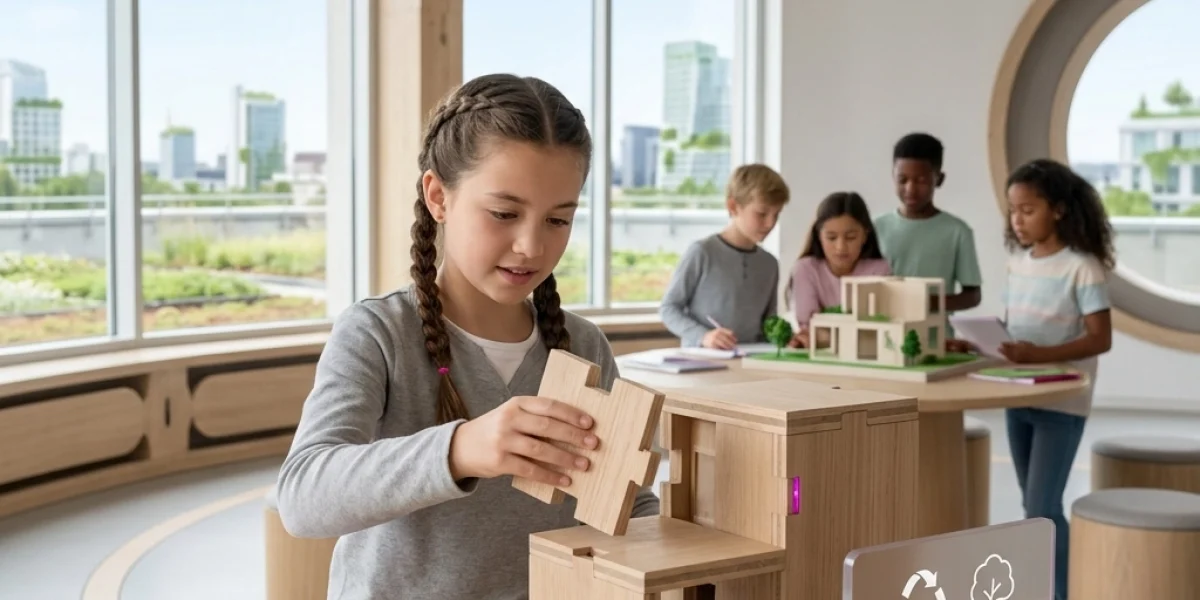
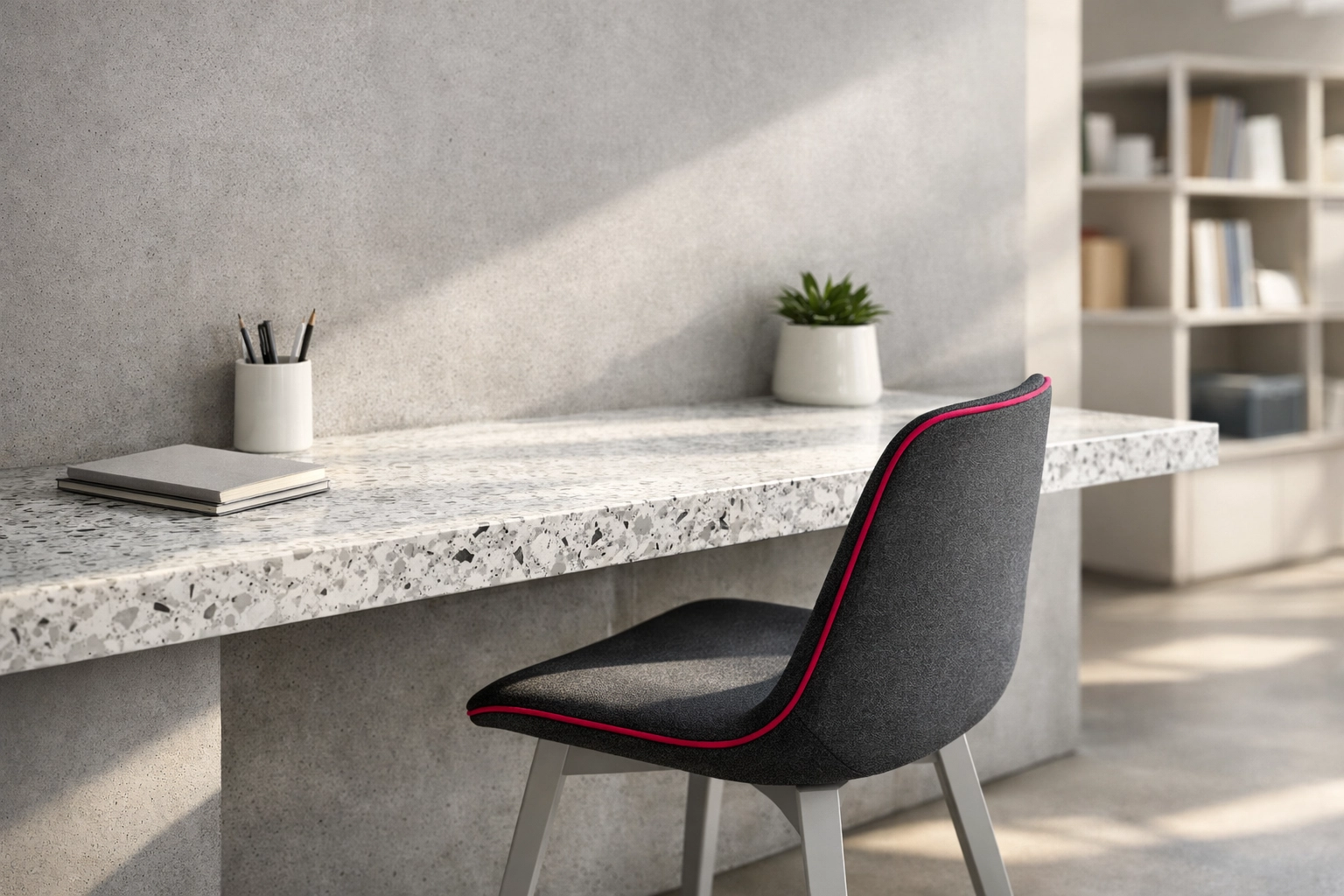
Educators are the ultimate stakeholders in the circular economy. The buildings they work in are more than just shelters; they are "living textbooks." When a student sits at a recycled plastic desk made from 100% Australian post-consumer waste, they aren't just reading about sustainability: they are touching it.
Future-proofing a classroom isn't just about high-speed Wi-Fi. It's about ensuring the physical environment doesn't become a burden for the very generation being taught inside it. By choosing sustainable building materials in Australia, schools are:
- Reducing Carbon Footprints: Using recycled polymers instead of virgin timber or energy-intensive steel.
- Ensuring Healthy Air Quality: Avoiding the VOCs (Volatile Organic Compounds) often found in traditional MDF and glues.
- Setting a Bold Example: Demonstrating that a circular world is possible and practical.
"We cannot continue to teach our children about a sustainable future while sitting them in classrooms destined for the tip. The infrastructure must match the curriculum." : Jess Hodge, Resourceful Living
The Builder’s Pivot: From "Cheap" to "Circular"
Builders are switching. The old excuse that "sustainable is too expensive" no longer holds water when you factor in the rising costs of landfill levies and the increasing demand for Green Star ratings.
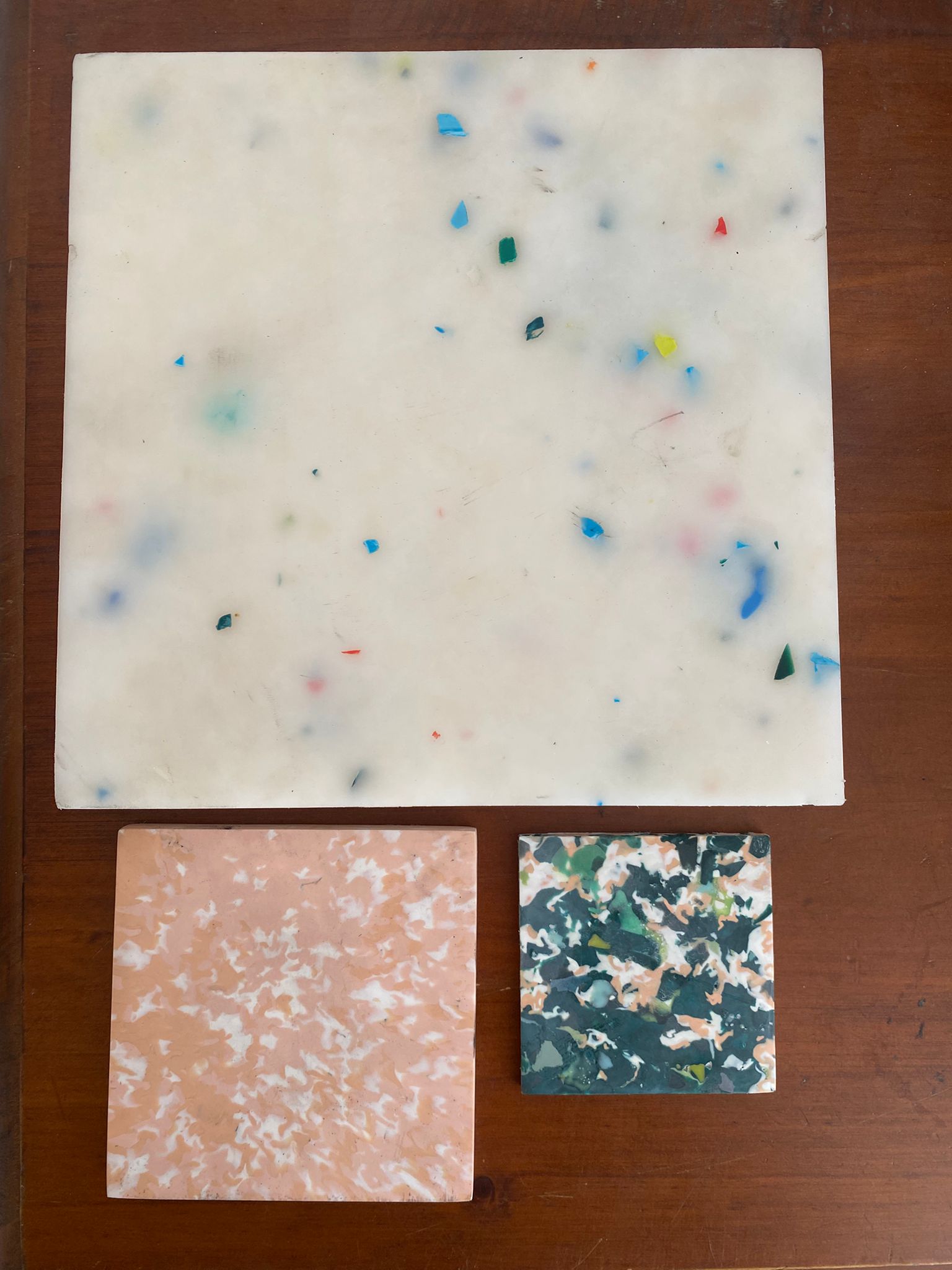
Forward-thinking builders are now looking for materials that offer long-term legacy over short-term savings. This is where recycled plastic formwork sheets come into play. Unlike traditional timber formwork that degrades after a few uses, these recycled panels are incredibly durable and, once they finally wear out, can be sent back to us to be remanufactured into something else.
The Power of 1 Tonne Per Day
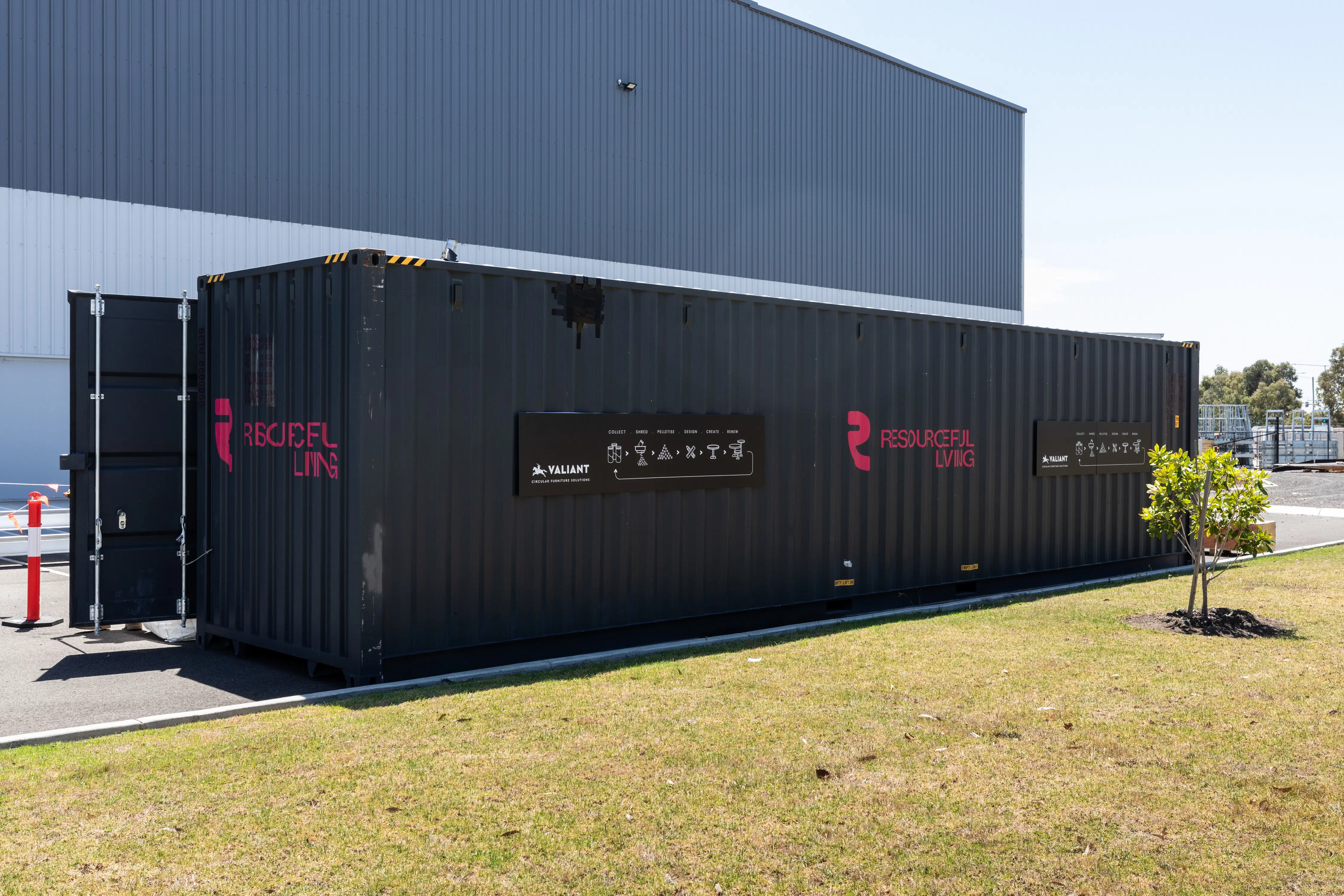
At Resourceful Living, we’ve scaled our operations to meet this 2026 demand. Our facility has the capability to manufacture 1 tonne of recycled material per day.
This isn't just a vanity metric. It represents a massive diversion of plastic from Australian landfills and its conversion into high-value products. From recycled plastic house numbers to large-scale wall cladding, we are proving that Australian manufacturing can be both sustainable and commercially viable at scale.
The "Take-Back" Program: Closing the Loop for Good
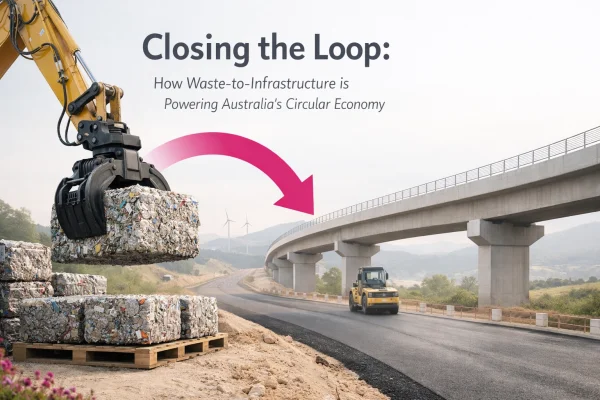
The most revolutionary part of circular construction 2026 is the take-back program. In the past, once a manufacturer sold a product, their responsibility ended. In a circular economy, the relationship is just beginning.
When a school installs our recycled plastic display boards or furniture, they aren't just buying a product; they are entering a partnership. If a desk is damaged or a building is redesigned 15 years from now, we take that material back.
We grind it down, wash it, and extrude it into brand-new panels. This is the definition of future-proofing. The material never becomes waste; it simply changes its form.
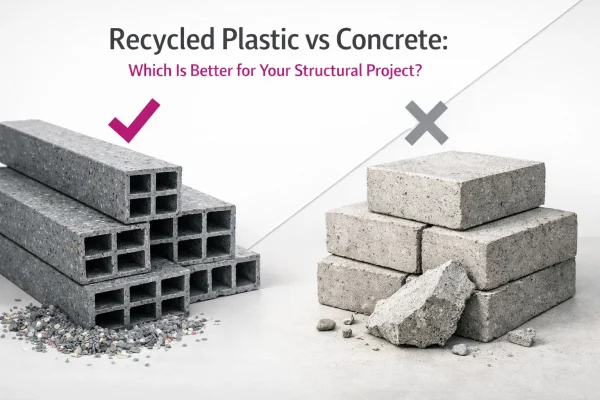
Technical Excellence: Recycled Plastic vs. The Status Quo
When we talk about sustainable building materials in Australia, we aren't just talking about "eco-friendly" alternatives. We are talking about superior performance.
| Feature | Traditional MDF / Timber | Resourceful Living Recycled Plastic |
|---|---|---|
| Moisture Resistance | Swells and rots over time | 100% Waterproof |
| Durability | Prone to chipping and scratching | High impact resistance |
| End of Life | Landfill or Incineration | 100% Recyclable (Take-back) |
| Maintenance | Needs painting/sealing | Zero maintenance required |
| Traceability | Often vague supply chains | 100% Traceable Australian waste |
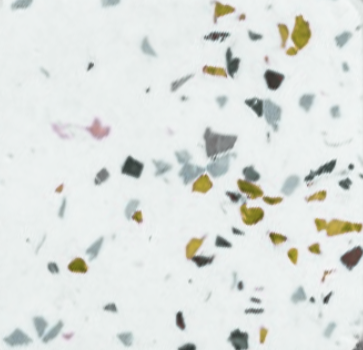
Our N70 White Confetti panels are a perfect example of this. They provide a striking, modern aesthetic for school interiors while offering a level of durability that traditional materials simply cannot match.
How to Implement Circularity in Your Next School Project
If you are an educator, architect, or builder, the shift to circular construction 2026 starts with a few key steps:
- Audit Your Materials: Ask your suppliers where their materials come from and, more importantly, where they can go at the end of their life.
- Specify Recycled Content: Demand products made from 100% Australian recycled plastic. Don't settle for "contains recycled content": push for total circularity.
- Involve the Students: Use the construction process as a teaching tool. Show them the sample packs and explain how their household recycling became their new school library.
- Prioritise Take-Back Clauses: Ensure your contracts include provisions for material recovery at the end of the building’s lifecycle.
A Vision for the Future
The end of the landfill legacy is not just a regulatory requirement; it’s a moral imperative. By embracing circular construction 2026, we are ensuring that our schools are built on a foundation of responsibility rather than waste.
Australia has the resources, the technology, and the drive to lead the world in this space. At Resourceful Living, we are proud to be the engine room of this change, turning 1 tonne of "waste" into 1 tonne of "future" every single day.
Let's stop building for the tip and start building for the next century. The kids are watching( let’s give them something worth inheriting.)