Let’s be honest: the word "sustainable" has been thrown around so much lately that it’s started to lose its punch. If you’re a project manager, a business owner, or a procurement officer in Australia, you’ve likely seen dozens of products claiming to be "eco-friendly" or "made from recycled content." But when your stakeholders or board members ask for proof, things can get a bit murky.
The reality is that not all recycled materials are created equal.
There’s a massive difference between a product that contains some recycled plastic and a product that is fully traceable from the bin to the finished board. As we move deeper into 2026, the era of "vague-green" is ending. Traceability is the new gold standard, and it’s about to change how you hit your ESG (Environmental, Social, and Governance) targets.
The Trust Deficit: Why "Recycled" Isn't Enough Anymore
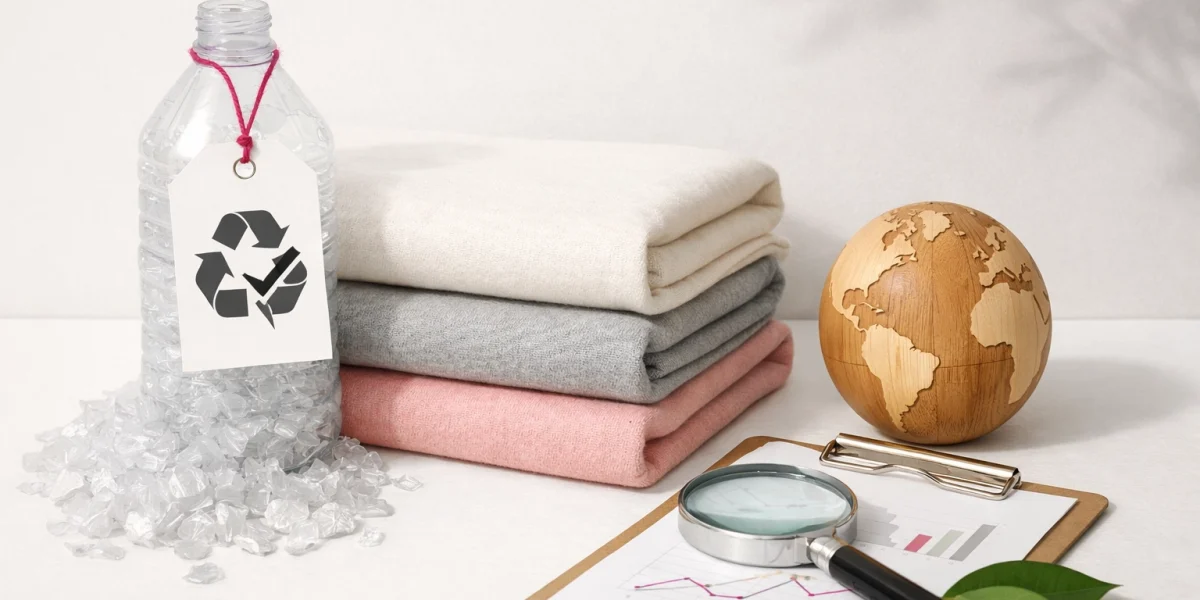
For years, the recycled material industry operated on a "trust me" basis. You’d buy a plastic bench or a set of worktops, and the supplier would tell you it was recycled. But where did that plastic come from? Was it industrial offcuts that were never going to landfill anyway? Or was it post-consumer waste: the milk bottles and soft plastics that actually clog up our local council collections?
Without traceability, you’re flying blind. Traceable recycled materials allow you to verify your sustainability claims with hard data. This is crucial because:
- Greenwashing is a legal risk: Regulatory bodies are cracking down on misleading environmental claims.
- Stakeholders want data: Investors and clients are no longer satisfied with "vibes": they want metrics.
- Quality control: Knowing the source of the material ensures you’re getting a consistent, high-performing product.
At Resourceful Living, we realized early on that to truly support the recycled plastic circular economy, we had to own the process. We don't just buy mystery pellets from overseas; we manage the cycle right here in Australia.

How Traceability Works at Resourceful Living
We operate an end-to-end recycling and manufacturing cycle. This isn't just a fancy catchphrase; it’s a logistical commitment that allows us to trace the journey of every sheet we produce.
1. Local Sourcing
We partner with local businesses, councils, and industrial sites to collect waste. Because we control the intake, we know exactly what is going into our machines. This is the foundation of a verifiable supply chain.
2. In-House Processing
Instead of shipping waste offshore (where it often disappears into untraceable systems), we wash, shred, and process the plastic at our own facility. This keeps the carbon footprint low and the accountability high.
3. Precision Manufacturing
We turn that shredded plastic into high-quality panels using heat and pressure: no toxic glues or resins involved. Because we’ve managed the material from day one, we can tell you the "story" of your furniture or fit-out.
"Traceability transforms sustainability from an aspirational goal into a verifiable achievement. It’s the difference between saying you’re helping the planet and actually showing the receipts." : Jess Hodge, CEO of Resourceful Living.
Meeting Your Sustainability Targets with Precision
If your organisation has committed to "Zero Waste" or specific recycled content percentages, traceable materials are your best friend. They allow you to report on your progress with 100% confidence.
Reducing Landfill Costs
By choosing traceable, locally manufactured products, you’re directly diverting waste from Australian landfills. This isn't just good for the planet; it's a smart business move. Many of our clients are finding that reducing landfill costs with circular procurement is one of the fastest ways to improve their bottom line.
Quantifiable Environmental Impact
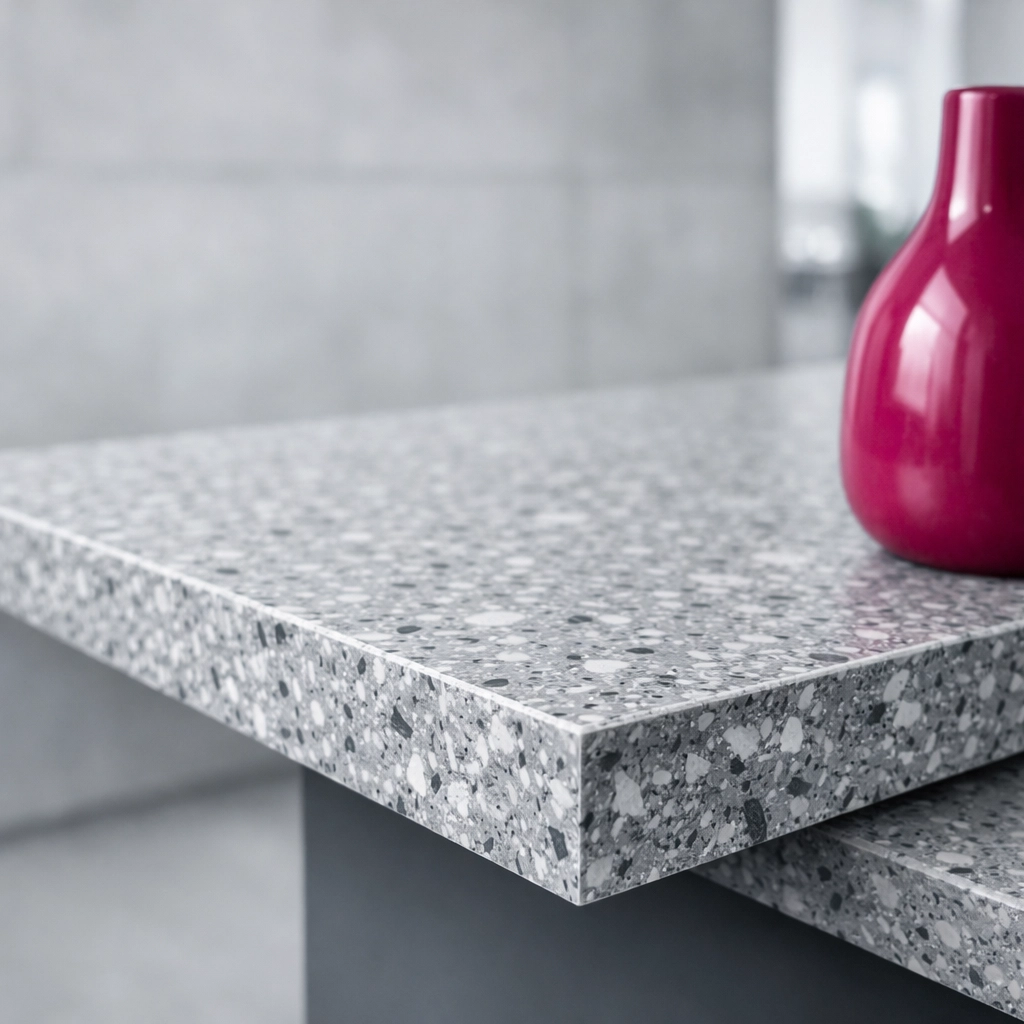
When you use our panels, you can calculate the exact amount of plastic diverted from the environment. This data is invaluable for life cycle environmental impact assessments, helping you meet the strict requirements of green building certifications and government tenders.
The Circular Economy: More Than Just Recycling
The "Circular Economy" is a term that gets used a lot, but what does it actually look like in practice? At Resourceful Living, it looks like our Take-Back Program.
Traceability doesn't end when the product is installed. Because we know exactly what went into our boards, we know exactly how to recycle them again. When a fit-out is no longer needed or a product reaches the end of its long life, we take it back.
- No Landfill: The product comes back to our factory.
- Full Circularity: We shred it and turn it into brand-new products.
- Infinite Life: We can repeat this process multiple times without losing material integrity.
This is the ultimate way to meet sustainability targets. You aren't just buying a product; you’re entering a closed-loop system.
Industry Spotlight: Traceability in Action
Construction and Fit-outs
Architects and designers are increasingly under pressure to specify materials with a clear "Chain of Custody." Our traceable panels are being used for everything from office tea points to commercial wall cladding. You can learn more about the future of sustainable building and how recycled plastic is leading the way.
The Mining Sector
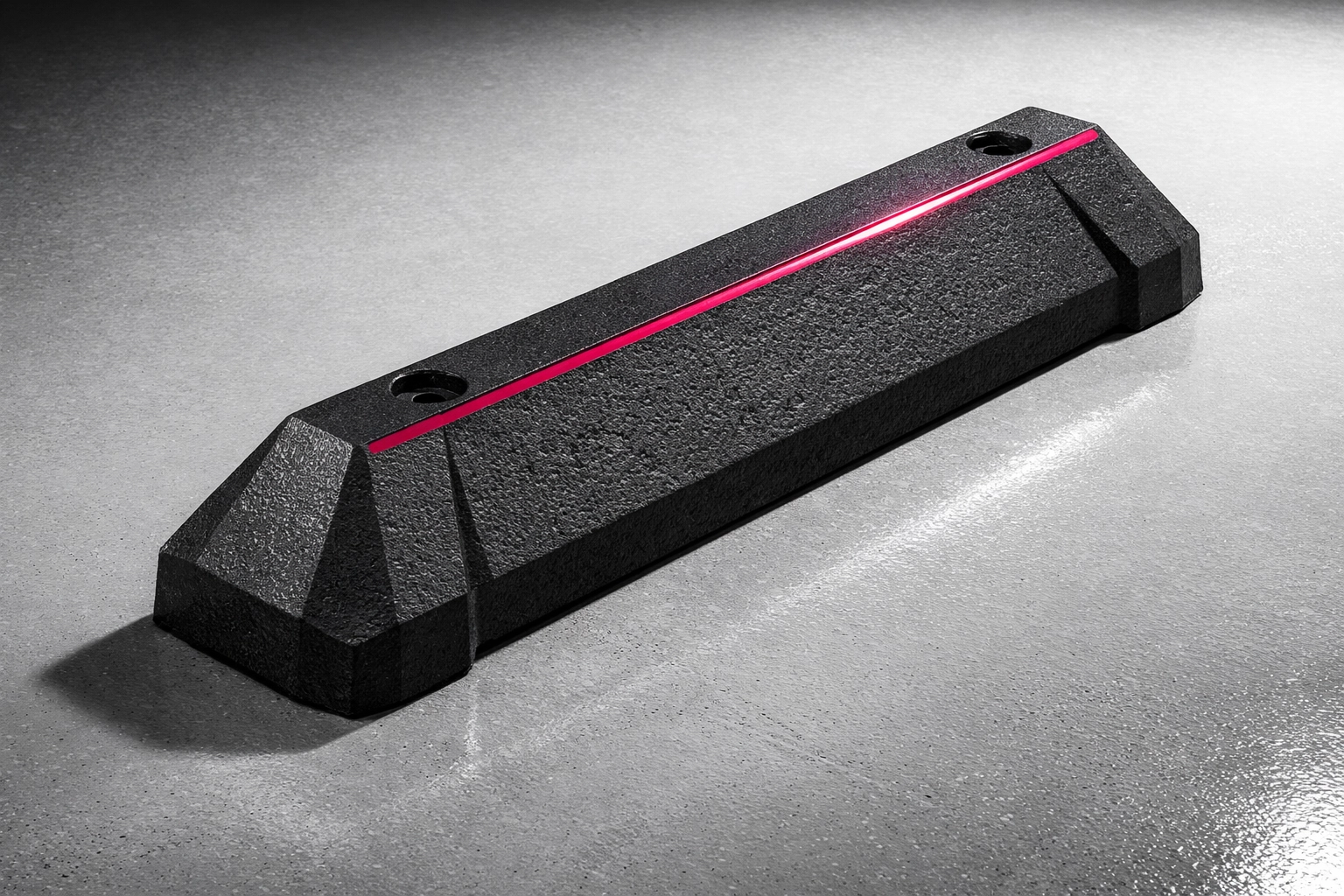
Mining companies have some of the most rigorous ESG requirements in the world. We provide recycled plastic products for mining sites, including wheel stops and rehabilitation products. For these sites, traceability is about more than just "being green": it’s about safety, durability, and meeting strict site closure and rehabilitation mandates.
Traceable vs. Non-Traceable: A Quick Comparison
| Feature | Traceable (Resourceful Living) | Non-Traceable (Imported/Generic) |
|---|---|---|
| Source Verification | Known local collection points | Unknown/Mixed sources |
| Carbon Footprint | Low (Australian made & sourced) | High (International shipping) |
| Greenwashing Risk | Zero (Data-backed claims) | High (Vague "recycled" labels) |
| End-of-Life | Guaranteed Take-Back Program | Usually ends up in landfill |
| Quality Control | High (Controlled in-house) | Variable (Potential contaminants) |
How to Start Your Traceability Journey
Ready to stop guessing and start measuring? Here is a simple 3-step guide to implementing traceable materials in your next project:
- Conduct a Waste Audit: Understand what materials you are currently using and where they end up. We have a great guide on how to run a simple waste audit to help you get started.
- Ask the Hard Questions: When talking to suppliers, ask: "Can you provide a chain of custody for the raw materials?" and "Do you have a take-back program for when this product is no longer needed?"
- Prioritise Local Manufacturing: Choosing Australian-made not only supports the local economy but also makes it significantly easier to verify the "story" of the material.
The Bottom Line
Traceable recycled materials are no longer a "nice-to-have." They are a fundamental tool for any Australian business serious about hitting their sustainability targets and avoiding the pitfalls of greenwashing.
By choosing to work with a manufacturer that owns the entire cycle, you’re getting more than just a recycled product: you’re getting certainty, data, and a partner in the circular economy.
If you’re ready to see how our traceable recycled panels can fit into your next project, reach out to us at Resourceful Living. Let’s stop talking about being sustainable and start proving it.