By 2026, the Australian construction landscape has shifted. We are no longer just talking about "sustainability" as a buzzword; we are living it through strict regulatory frameworks, high landfill levies, and a nationwide push toward a circular economy in Australia.
The days of "take-make-waste" are effectively over. For builders, developers, and architects, the challenge is clear: how do we build the infrastructure of tomorrow using materials that don't cost the Earth today? The answer lies in the rapid adoption of recycled plastic sheets as a core structural and decorative component.
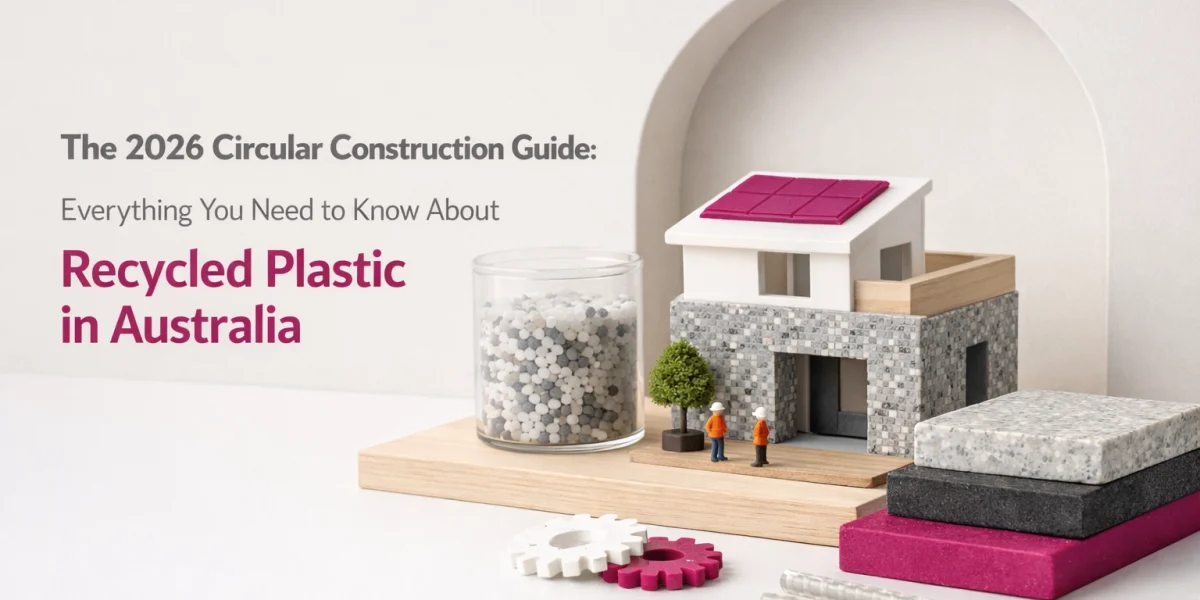
This guide serves as your master blueprint for navigating the world of sustainable construction materials in Australia. We’ll dive deep into why recycled plastic is outperforming traditional materials, how to satisfy new embodied carbon rules, and what you need to look for when choosing recycled plastic manufacturers in Australia.
The New Standard: Why 2026 is the Year of Circularity
If you’ve been keeping an eye on industry shifts, you’ll know that the Green Building Council of Australia (GBCA) recently released their updated practical guide to circular procurement. This isn't just a suggestion anymore: it’s a roadmap for the future of new buildings and major refurbishments.
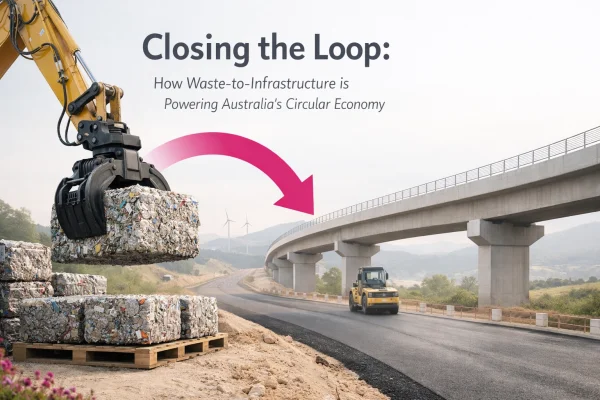
The goal? To double Australia’s circularity by 2035. For the construction sector, which is responsible for nearly half of the nation's waste, this means a massive pivot toward circular construction.
Key Drivers for 2026:
- Landfill Levies: Tip fees for commercial waste have skyrocketed, making on-site waste management a financial necessity.
- Embodied Carbon Reporting: New rules now require detailed reporting on the carbon footprint of every material used in a project. If you're wondering how this affects your next tender, check out our breakdown of Australia’s new embodied carbon rules explained.
- Government Mandates: Public infrastructure projects now prioritize "closed-loop" procurement, favouring suppliers who can prove their materials are 100% recyclable.
Recycled Plastic Sheets: More Than Just a "Green" Alternative
When people think of "recycled plastic," they often think of flimsy park benches or low-quality toys. In 2026, the technology has evolved. High-density polyethylene (HDPE) and polypropylene (PP) are being transformed into industrial-grade recycled plastic sheets that rival: and often beat: traditional materials like marine plywood, MDF, and even some metals.
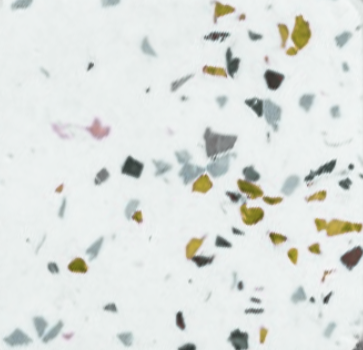
At Resourceful Living, we specialise in manufacturing panels that aren't just sustainable; they are high-performance tools for the modern builder. Our 'N70 White Confetti' panel, for instance, provides a solid, weather-resistant surface that is ideal for high-traffic commercial fit-outs and retail displays.
Why Builders are Making the Switch
The construction industry is notoriously slow to change, but the data is hard to ignore. We are seeing a massive trend where builders are switching to 100% recycled plastic sheets in 2026 for several key reasons:
- Durability: Unlike timber, these sheets won't rot, swell, or delaminate when exposed to moisture.
- Zero Maintenance: No painting, staining, or sealing required.
- Chemical Resistance: Ideal for laboratories, kitchens, and industrial environments.
- End-of-Life Value: Through our buy-back schemes, these panels are a financial asset, not a waste liability.
Comparative Analysis: Timber vs. Recycled Plastic
One of the most common questions we get is: "How does this compare to the plywood I’ve used for 20 years?"
It’s a fair question. Timber has been the backbone of construction for centuries. However, when you look at the total lifecycle cost and environmental impact, the scales are tipping.
| Feature | Marine Plywood / Treated Timber | Recycled Plastic Sheets (HDPE/PP) |
|---|---|---|
| Water Resistance | Low (Absorbs water, prone to rot) | High (100% waterproof) |
| Pest Resistance | Requires chemical treatment | Naturally resistant to termites/pests |
| Maintenance | High (Sanding, oiling, painting) | Zero |
| Embodied Carbon | Varies (High if treated/imported) | Low (Uses existing waste streams) |
| End of Life | Landfill (especially if treated) | 100% Recyclable (Closed-loop) |
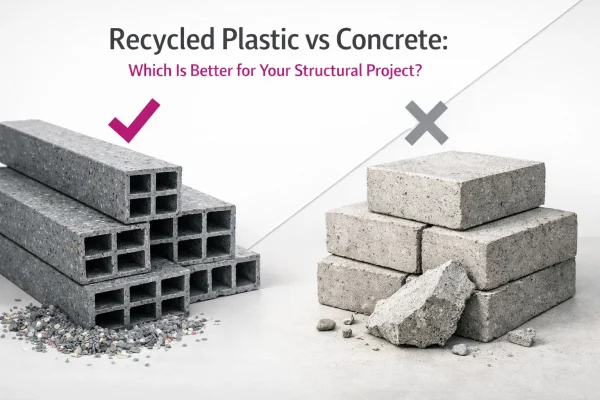
For a more granular look at the data, read our Recycled Plastic vs. Timber: The Ultimate Comparison Guide. You’ll find that while the initial cost might be slightly higher, the long-term ROI is significantly better: especially for coastal or high-humidity projects. For example, Australian councils are increasingly switching to recycled plastic for public infrastructure to avoid the constant replacement cycles of timber.
Navigating the Supply Chain: Recycled Plastic Manufacturers in Australia
Not all recycled plastic is created equal. As the market grows, so does the risk of "greenwashing." To ensure you are actually contributing to a circular economy, you need to vet your suppliers.
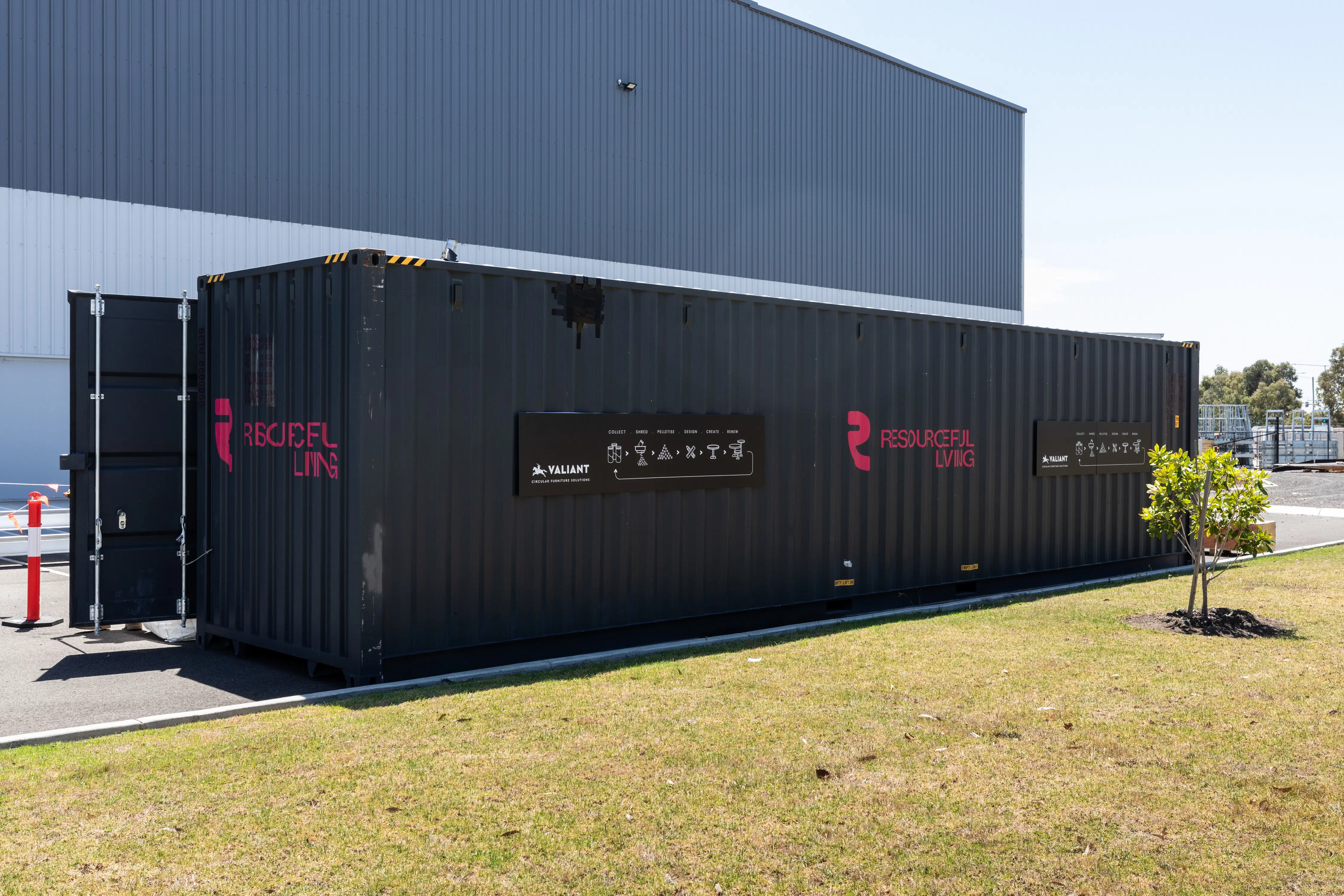
A true recycled plastic manufacturer in Australia should be able to provide full traceability of their waste streams. At Resourceful Living, we go a step further with our onsite mobile recycling units, allowing us to process plastic waste directly at the source.
Before you sign your next procurement contract, check out our list of Recycled Plastic Manufacturers Australia: 7 Secrets Revealed. It will help you spot the difference between companies that truly manufacture locally and those that simply import and rebrand.
The ESG Edge: Embodied Carbon and NABERS
In 2026, Environmental, Social, and Governance (ESG) reporting is the difference between winning a major government tender and being left behind. Developers are now laser-focused on low-carbon materials to boost their NABERS ratings and meet Net Zero targets.
Integrating with NABERS
Using recycled plastic panels can directly improve your building's operational and embodied carbon scores. These panels are often manufactured with a fraction of the energy required for virgin plastics or processed timber.
"The shift toward circular procurement isn't just about waste; it's about the financial de-risking of assets. Buildings that utilize circular materials are proving to have higher resale values and lower operational costs over a 50-year horizon." : Industry Expert Insight
If you're working on a commercial fit-out, learn how to integrate low-carbon recycled plastic panels with your NABERS rating to stay ahead of the curve.
Implementing Circularity: A Step-by-Step Guide for Builders
Ready to make the move but not sure where to start? Transitioning to sustainable construction materials in Australia doesn't have to happen overnight. Here is a practical framework to get you started:
1. Conduct a Plastic Waste Audit
You can't manage what you don't measure. Before starting your next project, look at the waste you're currently generating. Most of that "rubbish" could actually be the raw material for your next set of panels. Use our guide on How to Conduct a Plastic Waste Audit to identify opportunities for circularity on-site.
2. Sourcing the Right Panels
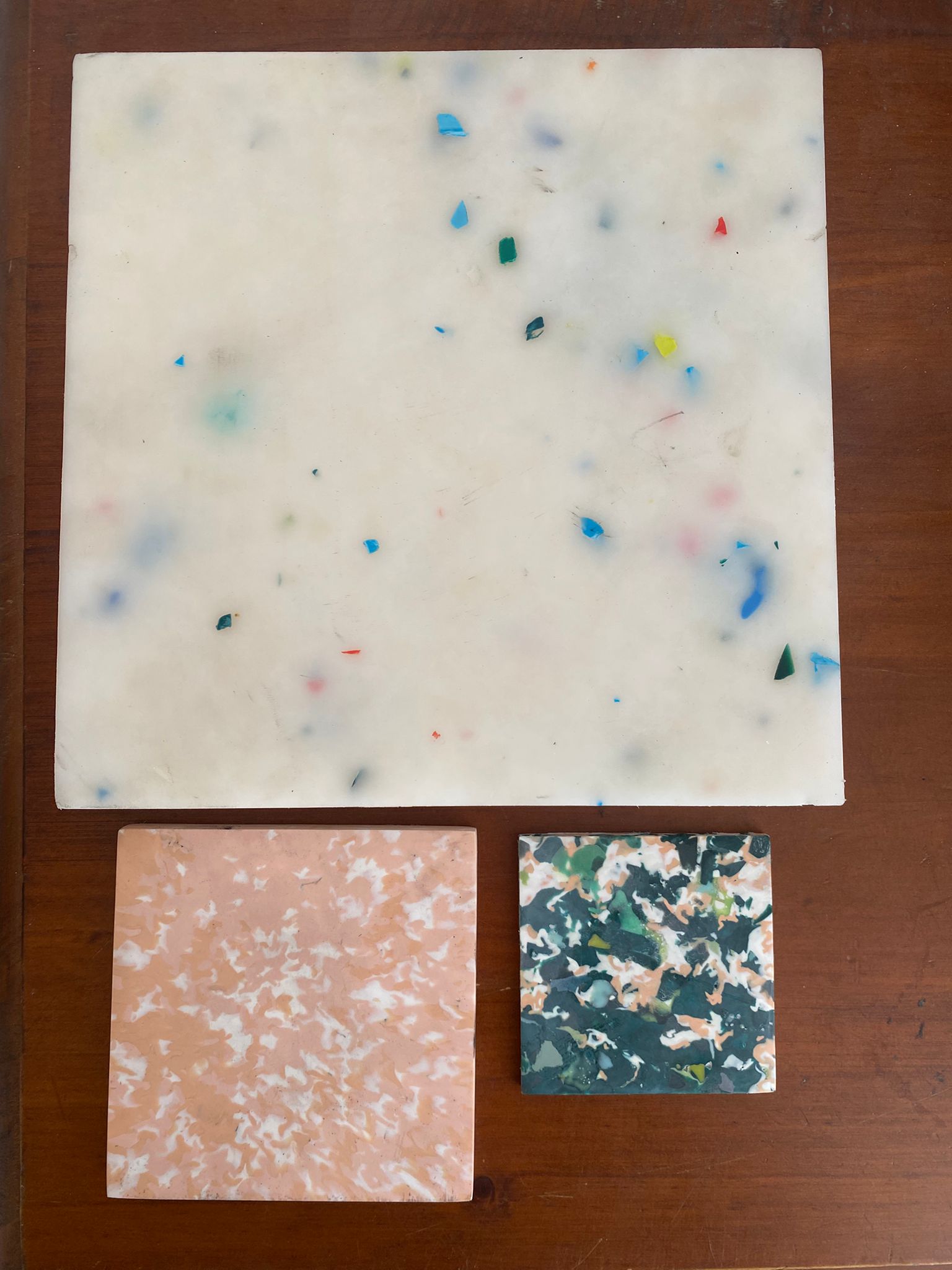
Don't just buy a sheet of plastic; buy a solution. Consider the aesthetic requirements of your project. Whether you need a sleek navy marble finish or a speckled confetti look, there’s a panel for every application.
If your project involves outfitting public spaces or offices, consult The Complete Buyer’s Guide to Sustainable Furniture to ensure you're picking materials that meet both form and function.
3. Join an ESG Partner Program
The most successful firms in 2026 are those that partner with manufacturers. By joining a Closed-Loop ESG Partner Program, you guarantee that any offcuts or end-of-life materials from your site are collected and re-manufactured into new products. It’s the ultimate "zero-waste" insurance policy.
Avoiding Common Pitfalls
While the benefits are clear, there are mistakes that even experienced builders make when first using recycled materials.
One of the most common issues is failing to account for the thermal expansion of plastic compared to timber. Because plastic is non-porous, it reacts differently to temperature changes. We’ve outlined the 7 Mistakes You’re Making With Recycled Plastic Furniture (and panels) so you can avoid costly errors on-site.
Conclusion: The Path Forward
The move toward circular construction is no longer a future trend: it’s the current reality. By integrating recycled plastic sheets into your projects, you are doing more than just "being green." You are building more durable structures, meeting strict new carbon regulations, and future-proofing your business against the rising costs of waste.
Whether you are looking for sustainable construction materials in Australia for a small renovation or a massive infrastructure project, the technology and the supply chains are ready.
Ready to start your circular journey?
At Resourceful Living, we’re not just manufacturing panels; we’re building the future of the Australian construction industry. Let’s work together to turn your plastic waste into your next high-performance building material.
- View our full range of Recycled Plastic Sheets
- Learn more about our Buy-Back Schemes and ESG Partnerships
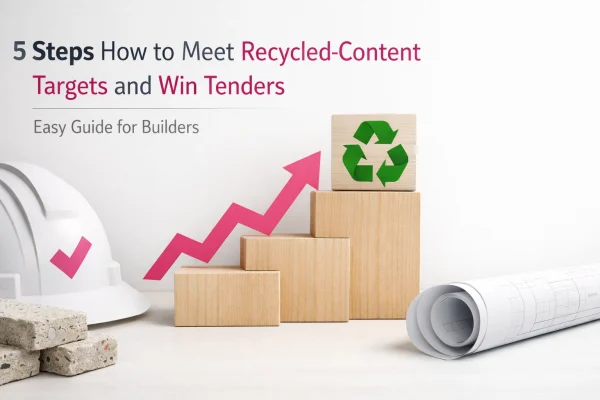
- Download our 5-Step Guide for Builders to Slash Site Waste