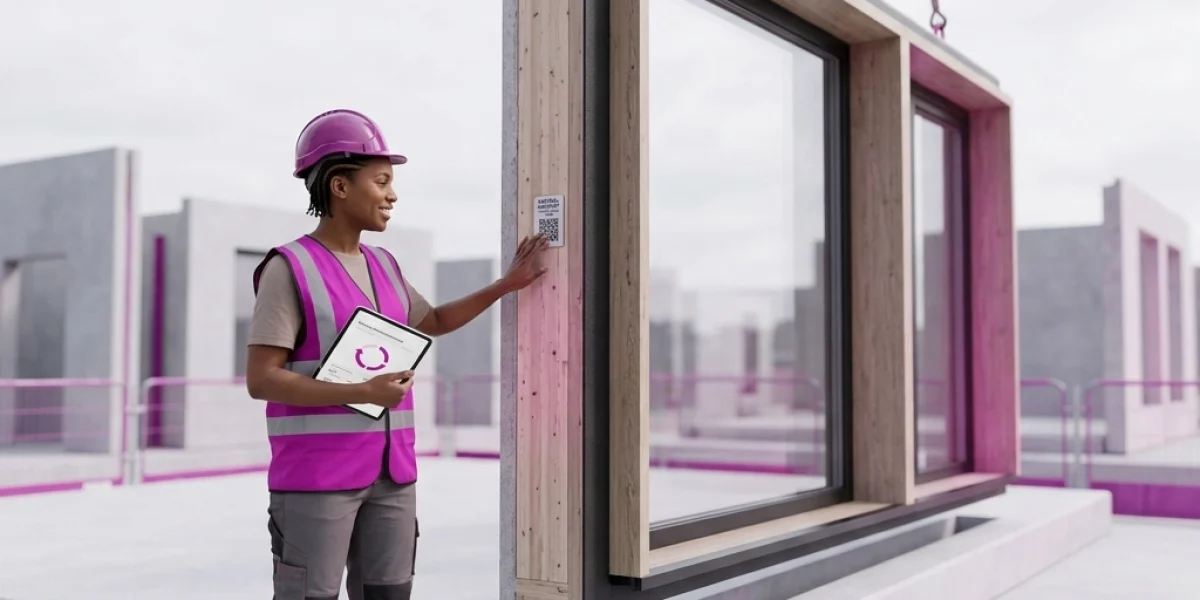
It’s April 2026, and the Australian construction landscape looks fundamentally different than it did just two years ago. If you’re still procurement-planning based on the "cheapest upfront price" model, you’re already behind the curve.
We’ve officially moved past the "greenwashing" era. Sustainability is no longer a marketing badge or a nice-to-have line item in a tender: it’s a legal and financial mandate. The shift toward circular construction has moved from a niche architectural trend to the core requirement of every major project across the country.
At Resourceful Living, we’ve seen this transition coming. The "take-make-dispose" model is being phased out by government policy, and for construction businesses, the message is clear: Circular is the only way forward.
The Policy Wave: Why 2026 is the Turning Point
The reason 2026 is such a pivotal year comes down to a perfect storm of policy shifts. State and federal governments have tightened climate disclosure rules, requiring firms to report not just their operational emissions, but the embodied carbon of the materials they use.
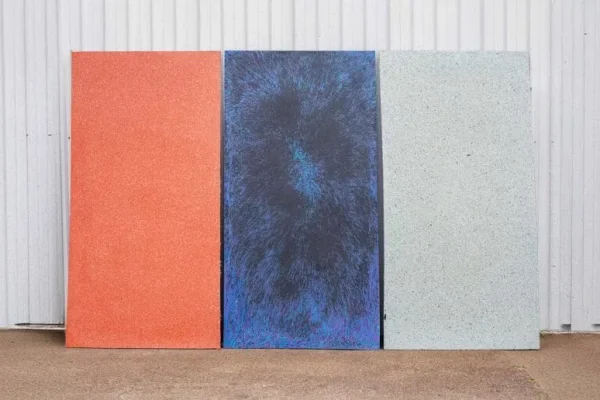
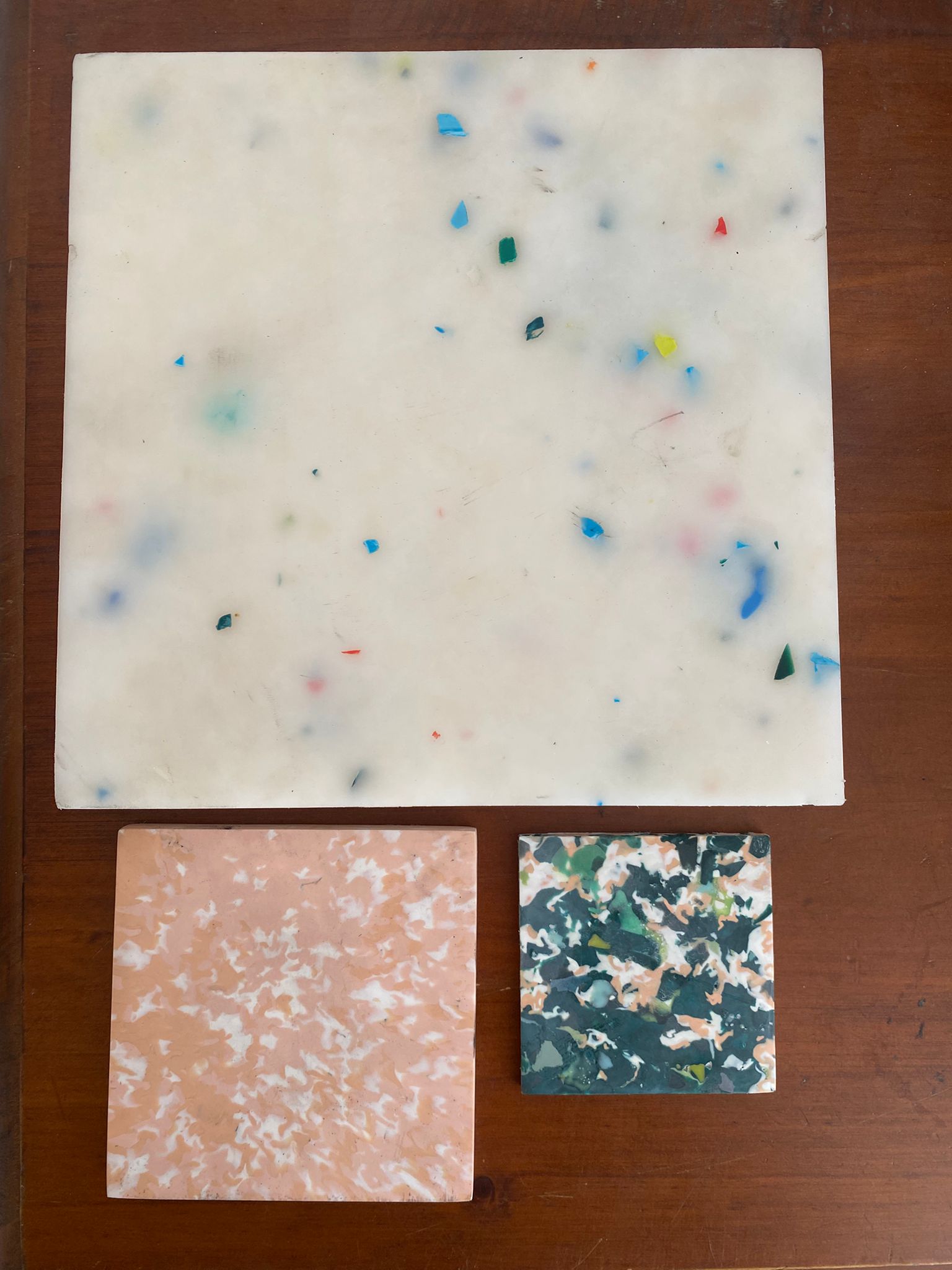
When you buy a standard sheet of plywood or a virgin plastic component today, you’re buying a carbon liability. When you buy a 100% recycled plastic panel, you’re buying a carbon solution.
The industry is now facing:
- Mandatory Circularity Targets: New infrastructure projects now require a minimum percentage of recovered material.
- Landfill Levies: Disposing of site waste is becoming prohibitively expensive, forcing a rethink of material lifecycles.
- Extended Producer Responsibility (EPR): Manufacturers are now increasingly responsible for the "end-of-life" of their products.
Waiting to adapt to these changes isn't just a sustainability risk: it’s a business continuity risk. If you can’t prove the circularity of your supply chain, you simply won't win the contracts.
The Hidden Cost of the "Wait and See" Strategy
Many builders and developers have been playing a game of "wait and see," hoping that traditional material costs would stabilise or that circularity requirements would be pushed back. That hasn't happened.
The risk of waiting includes:
- Supply Chain Instability: As the industry pivots, demand for high-quality recycled materials is skyrocketing. Securing your supply line now is the only way to avoid project delays in 2027 and beyond.
- Regulatory Fines: Non-compliance with new waste reduction mandates is no longer met with a warning; it’s met with significant financial penalties.
- Stranded Assets: Buildings designed without circular principles (like "design for disassembly") are worth less on the market because their eventual decommissioning will be a massive financial drain.
If you’re still wondering why builders are switching to 100% recycled plastic sheets, it’s because the economics finally outweigh the old-school habits.
Design for Disassembly: The New Gold Standard
Circular construction isn't just about using recycled stuff; it’s about how you use it. The industry is moving toward "Design for Disassembly" (DfD).
Traditionally, materials were glued, nailed, or poured in a way that made them impossible to separate at the end of a building's life. Everything went to landfill. In 2026, we design buildings as material banks.
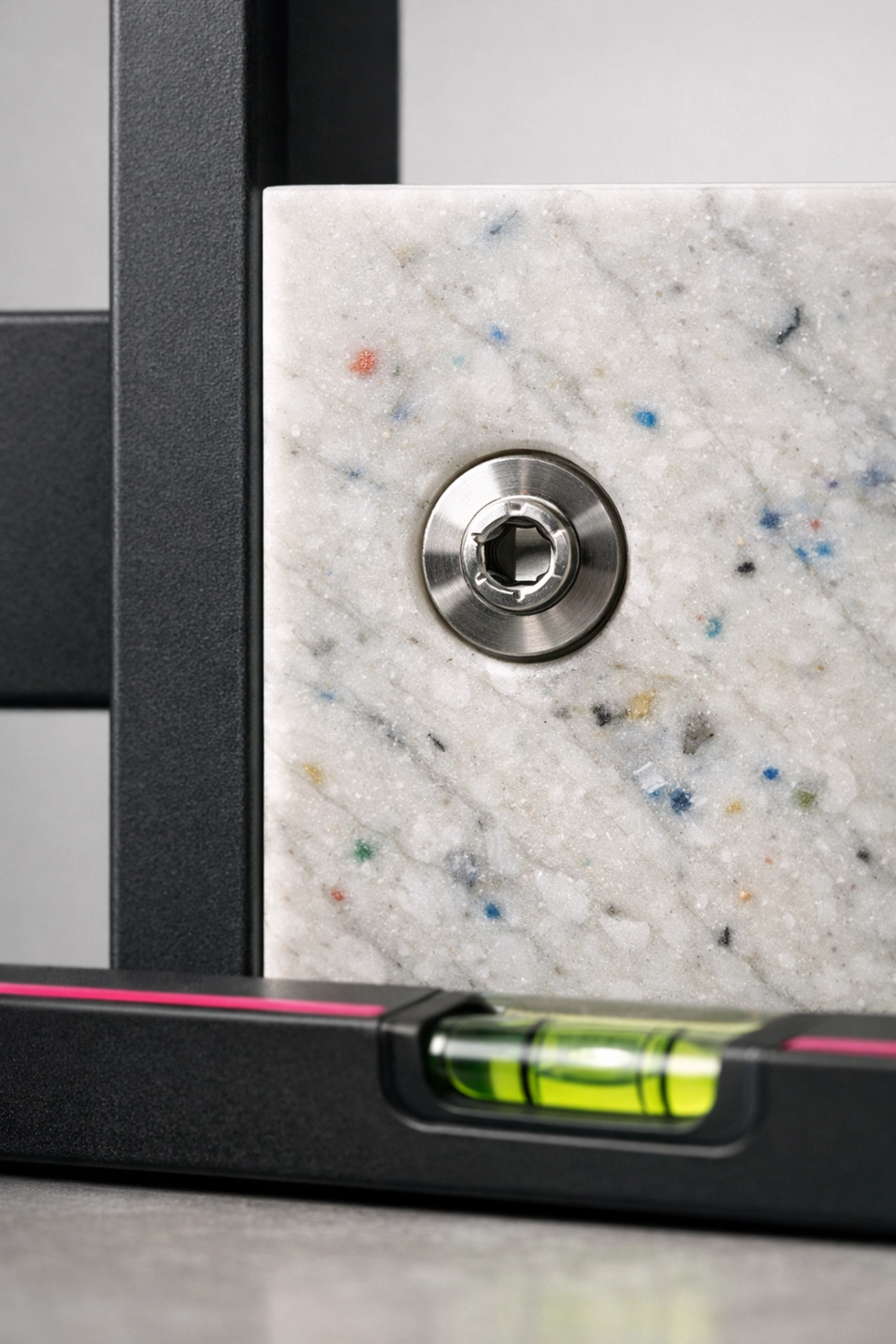
When you specify materials like our recycled plastic panels, you aren't just installing a surface. You are installing a resource that can be unscrewed, cleaned, and re-manufactured into a new product in 20 years.
"Circular construction treats every building component as a temporary store of value. When the building's use changes, that value should be recovered, not buried." : Jess Hodge, Resourceful Living Sales
Traceability: The Procurement Manager’s Best Friend
In the old days, you bought a material and hoped for the best. Today, the "best" isn't good enough. You need traceability.
Project managers now require a "Digital Product Passport" or a clear chain of custody. They need to know exactly where the plastic came from: was it last week's milk cartons or industrial waste?
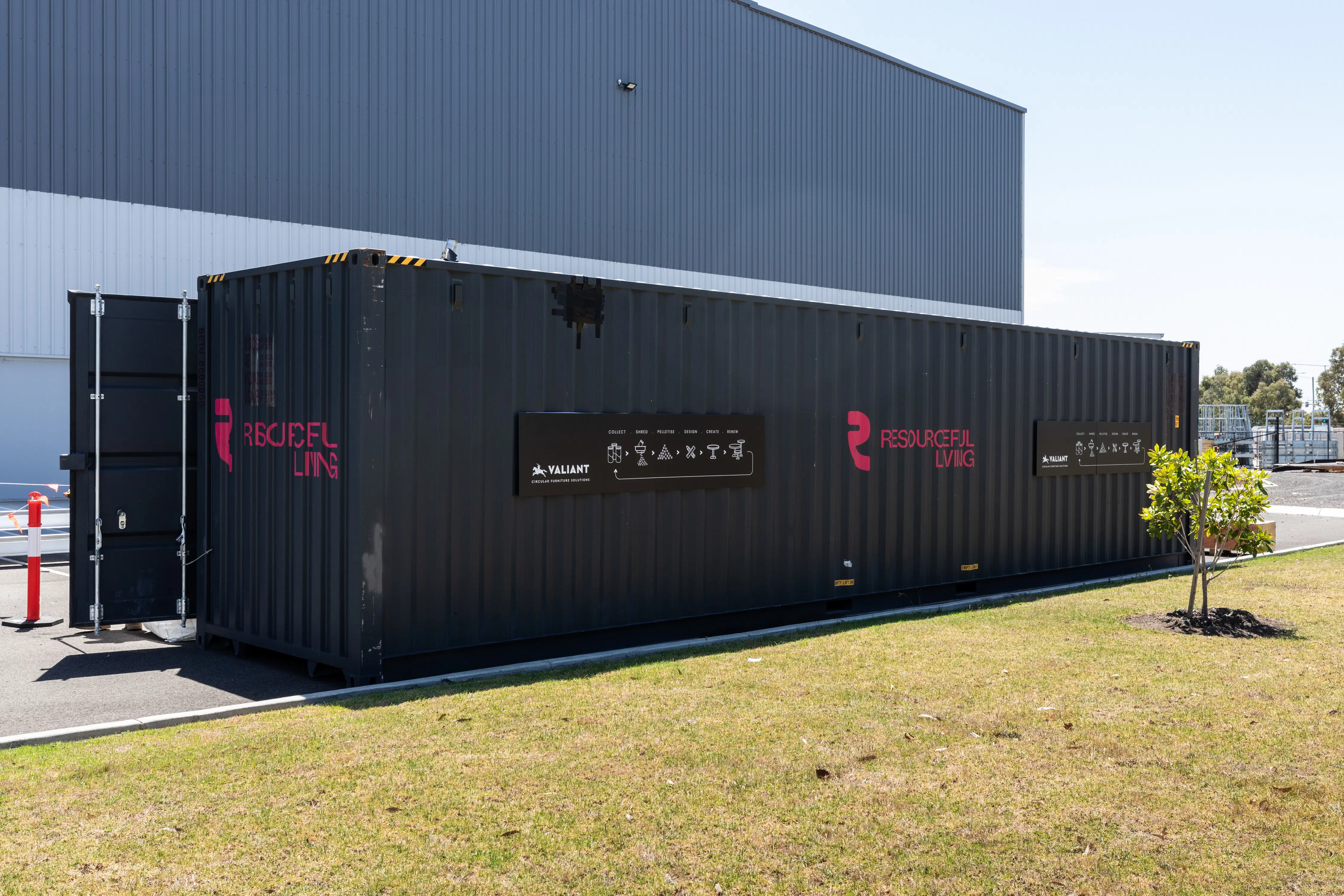
At Resourceful Living, we pride ourselves on a closed-loop system. We don't just sell you a panel; we can show you the traceable recycled materials that went into it. This transparency is what allows you to meet your ESG (Environmental, Social, and Governance) targets with confidence.
Linear vs. Circular: A Quick Comparison
To understand why your buying habits must change, look at the fundamental difference in the material lifecycle:
| Feature | Linear Construction (The Old Way) | Circular Construction (The 2026 Way) |
|---|---|---|
| Material Sourcing | Virgin resources (Timber, New Plastic, Concrete) | Recovered and Recycled materials |
| End of Life | Demolition & Landfill | Disassembly & Remanufacturing |
| Carbon Impact | High Embodied Carbon | Low/Negative Embodied Carbon |
| Economic Value | Value is lost at project completion | Value is retained in the material loop |
| Compliance | Increasing difficulty to meet standards | Built-in compliance with 2026 regulations |
How to Pivot Your Procurement Strategy Today
You don't have to overhaul your entire operation overnight, but you do need to start the transition. Here is a 5-step action plan for construction businesses:
- Audit Your Current Waste: Look at your skip bins. What are you throwing away that could have been replaced by a circular material?
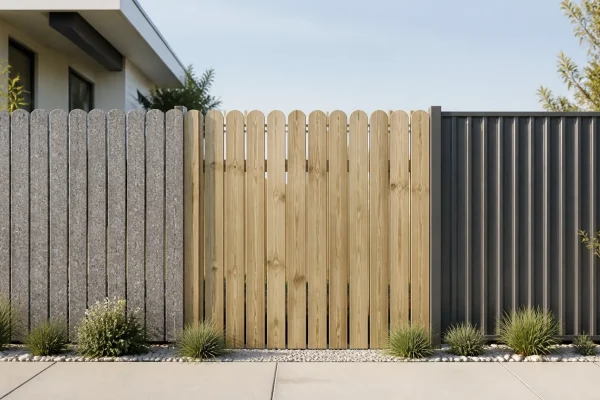
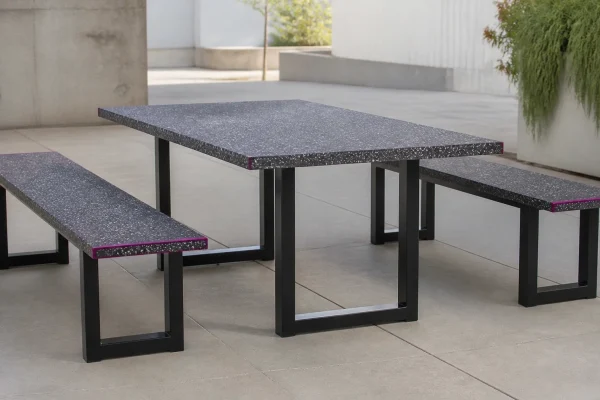
- Update Your Specifications: Move away from single-use timber or virgin laminates. Start specifying 100% recycled plastic sheets for joinery, hoarding, and wet areas.
- Demand Traceability: Ask your suppliers for the origin of their "recycled" content. If they can’t prove it, it’s a liability.
- Implement Take-Back Schemes: Partner with manufacturers like us who offer a take-back program. This ensures that when your fit-out reaches its end-of-life, it doesn't end up in a hole in the ground.
- Educate Your Team: Sustainability isn't just for the ESG manager. Site supervisors and procurement officers need to understand why these materials matter.

The Future of the Australian Build
The shift to circularity is more than just a regulatory hurdle: it’s an opportunity to build better. Recycled plastic materials are often more durable, weather-resistant, and aesthetically versatile than the traditional materials they replace.
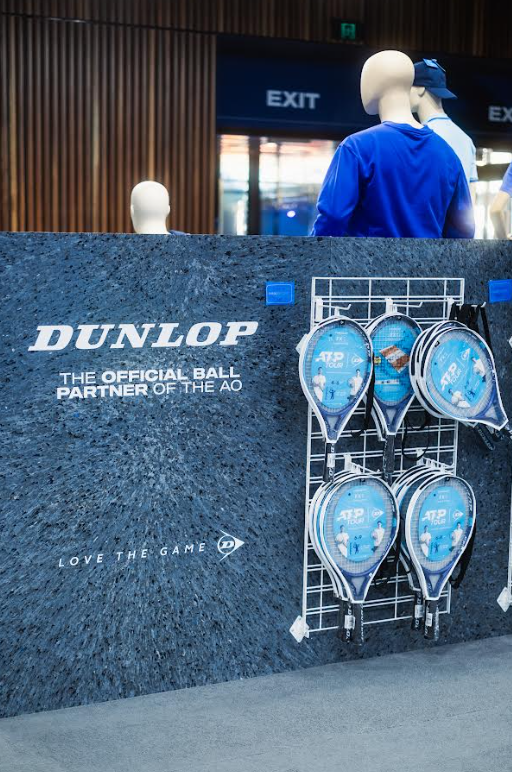
Whether it's future-proofing our classrooms or creating sustainable retail displays, the applications are endless.
Circular construction is here, and it has changed the game forever. The only question left is: Will your next project be a part of the solution, or a relic of the past?
If you're ready to make the switch, check out our 2026 Circular Construction Guide or reach out to our team to discuss your next project.