If you’re still buying materials based on the lowest upfront quote and a delivery date, you’re playing a dangerous game with your project’s future.
Welcome to April 2026. The landscape of the Australian building industry has shifted. It’s no longer just about what you build; it’s about where it goes when the building's life cycle ends. With the full implementation of the 2026 Circular Construction Act, the era of "Buy-Use-Dispose" is officially dead.
In its place? A high-stakes, high-reward model where materials are assets, not expenses.
At Resourceful Living, we’ve been preparing for this shift for years. Whether you're a developer, a procurement officer, or a school board member, understanding why "buying circular" is the only way forward isn't just a sustainability win: it’s a financial necessity.
The Death of the "Linear Liability"
For decades, the construction industry operated on a linear model. You bought timber, steel, or virgin plastic, used it, and eventually, it became someone else's problem in a landfill.
In 2026, that "problem" has a price tag. Embodied carbon is now a measurable cost factor with direct budget implications. If you source materials with no end-of-life plan, you are essentially pre-paying for a future liability.
Here is the reality:
- Landfill Levies: Have reached record highs across Australia, making waste disposal one of the most expensive line items in a project’s tail end.
- Tender Requirements: Government and tier-one projects now mandate a 60% circularity rate. If you can't prove where your materials came from and where they can go next, you simply won't win the contract.
- Brand Reputation: Clients are no longer impressed by a "recycled" logo; they want traceability.
What the 2026 Circular Construction Act Actually Means for You
The 2026 Circular Construction Act isn't just another piece of red tape. It’s a fundamental redesign of the Australian supply chain. It mandates that any material used in a large-scale project must have a Material Life Cycle Plan.
This means when you buy a sheet of material for a school fitout or a retail display, you aren't just buying the physical object. You’re buying a service agreement for its eventual reclamation.
The New Material Hierarchy
- Regenerative/Reclaimed: Materials already in the loop.
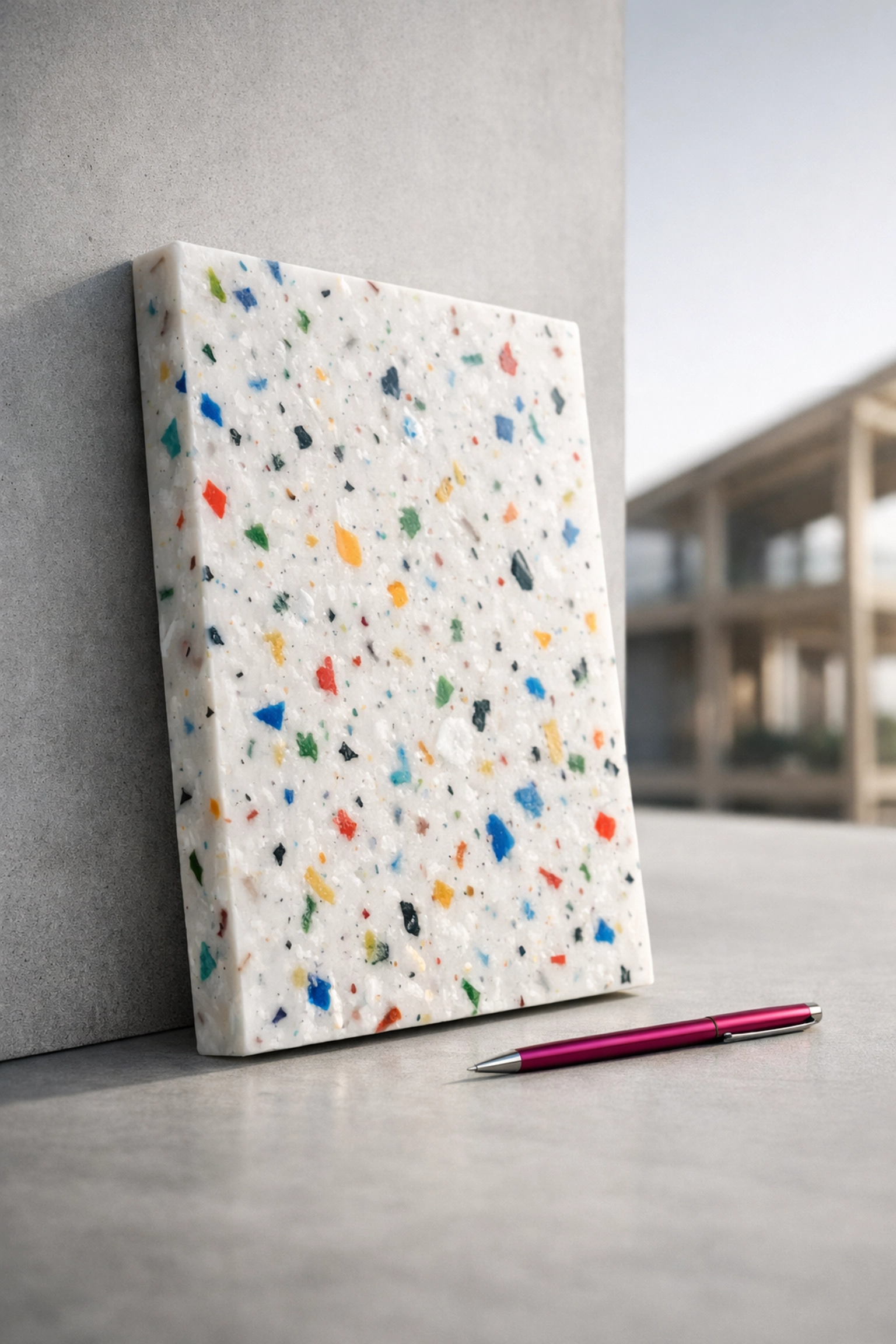
- Fully Recyclable (with Take-Back): Materials designed to be remanufactured (like our 100% recycled plastic sheets).
- Low-Carbon Virgin: Acceptable only when circular options are exhausted.
- Landfill-Bound: Effectively banned from high-value tenders.
Why "Buying New" is a Financial Risk
"Buying new" (virgin materials) is becoming a liability because it lacks future-proofing. When you purchase virgin timber or imported composites, you’re importing carbon and exporting your waste responsibility.
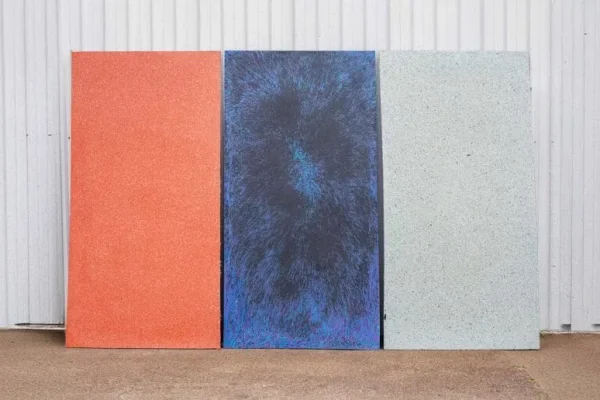
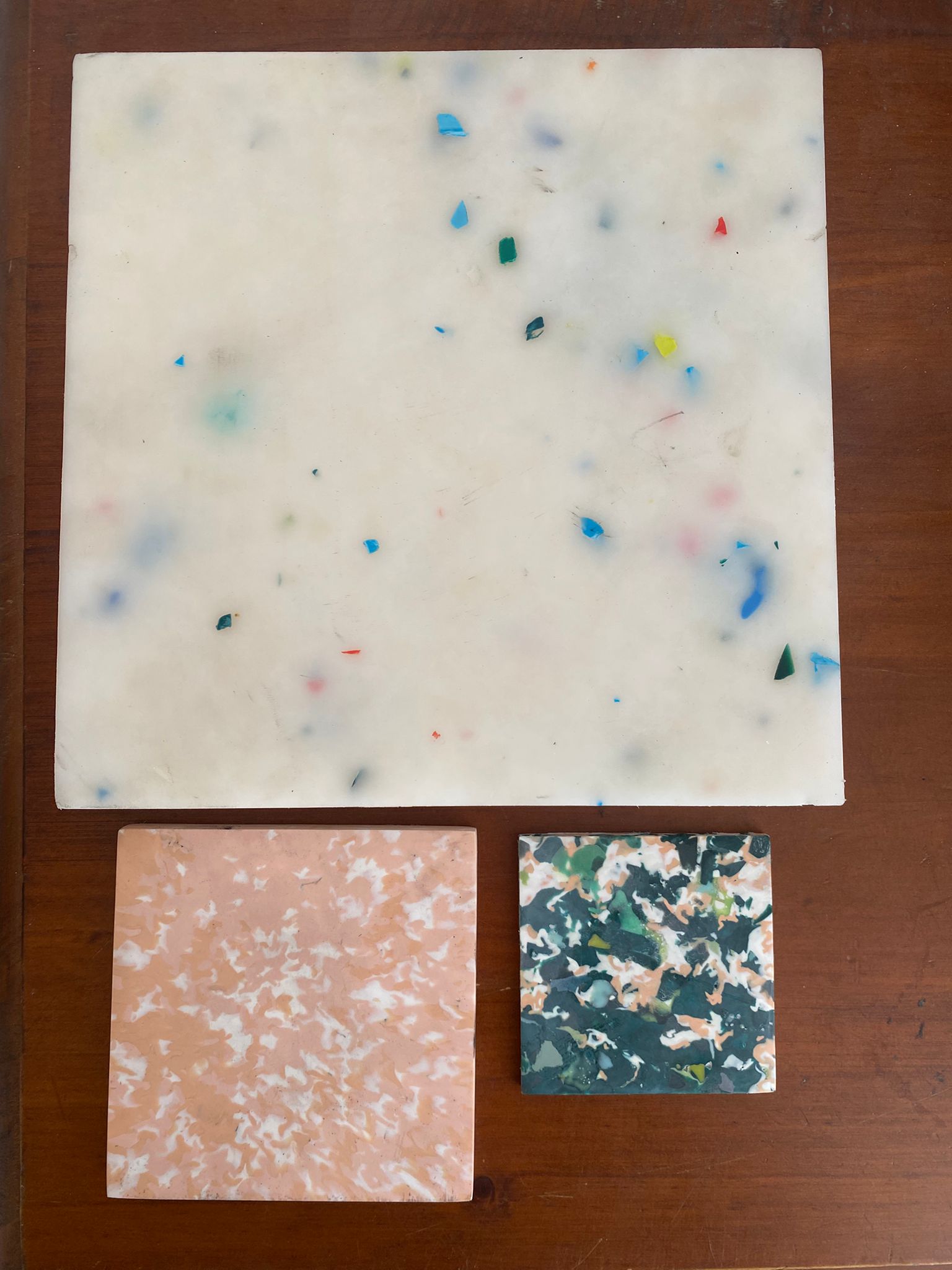
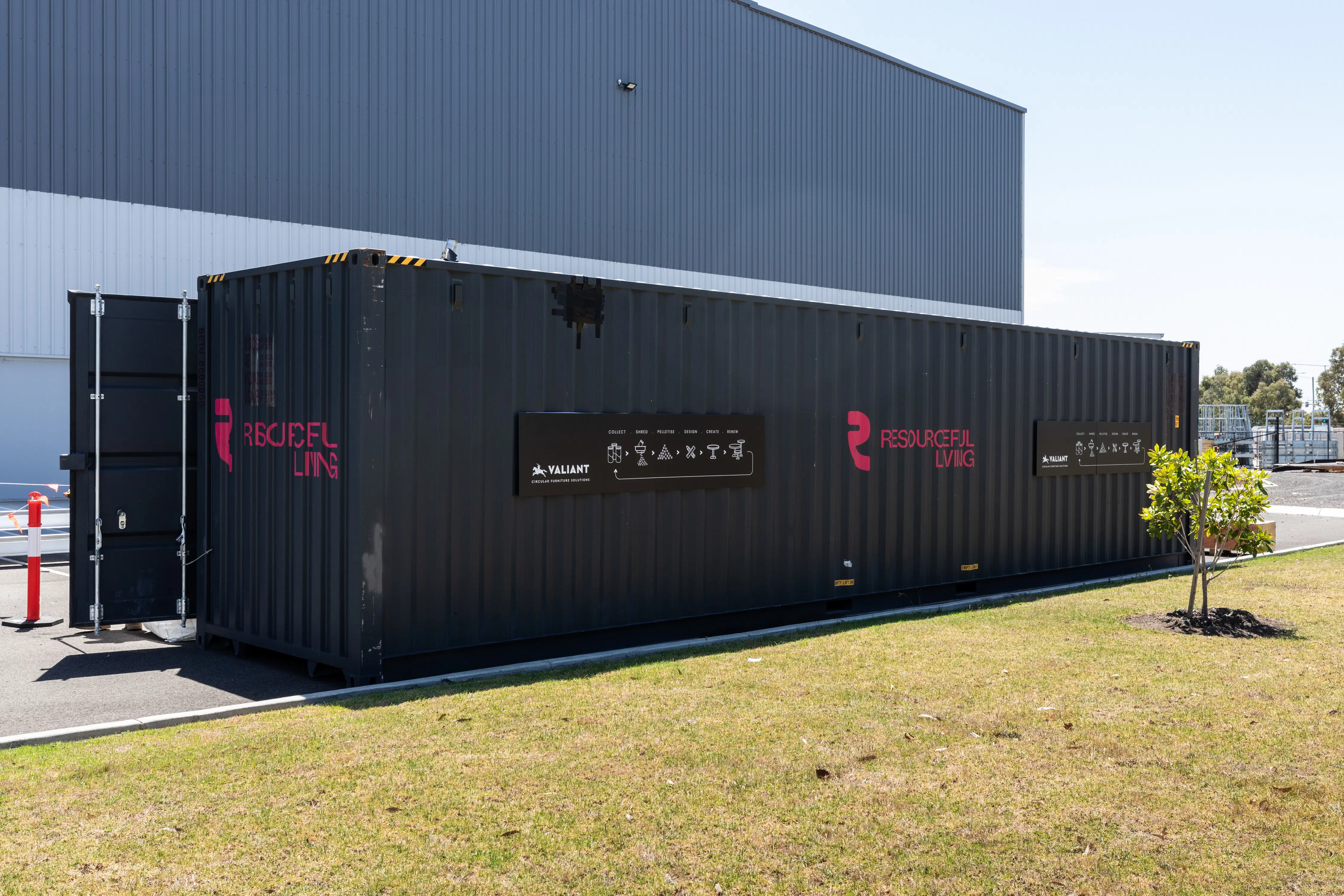
Conversely, "buying circular" means you’re investing in materials that retain value. At Resourceful Living, we treat our 100% recycled plastic as a perpetual resource. When a fitout is decommissioned, those panels don't go to the skip. They come back to us to be shredded and pressed into new sheets for the next project.
This end-to-end management is what separates the winners from the losers in the 2026 market. Builders who switch to 100% recycled plastic sheets are finding that their waste management costs drop by up to 40% over the project life cycle.
Resourceful Living: 100% Australian Waste, 100% Circular
The biggest hurdle for circularity used to be the supply chain. Where do you get the material? How do you prove it's actually recycled?
We solved that by keeping everything local. We source our plastic waste right here in Australia: everything from milk bottles to industrial scraps. By keeping the sourcing and manufacturing onshore, we provide:
- Full Traceability: You know exactly which Australian waste stream your materials came from.
- Reduced Transport Emissions: No more shipping virgin materials across the ocean.
- Guaranteed Take-Back: We don't just sell you a product; we offer a life cycle plan.
"Circular construction isn't just about 'saving the planet.' It’s about building a resilient Australian economy where we stop throwing away $100 billion worth of resources every decade." : Industry Insight, 2026.
How This Changes Your Procurement Strategy
If you're in charge of buying materials, your job description just got a lot more interesting. You are now a resource manager. Here’s how the best in the business are pivoting:
1. Prioritise Modular Design
Materials that are glued or bonded are hard to recycle. Procurement teams are now favouring mechanically fastened systems that allow for easy disassembly. Our recycled plastic sheets are perfect for this: they can be cut, drilled, and routed just like timber, but they never rot and are infinitely more recyclable.
2. Look for Onsite Processing
Large-scale sites are now implementing onsite recycling units to manage waste in real-time. This reduces transport costs and keeps the "circular" loop as tight as possible.
3. Demand Data, Not Just Promises
In 2026, a "green" label isn't enough. You need the Environmental Product Declaration (EPD) and proof of embodied carbon. Traceable recycled materials are the new gold standard for meeting sustainability targets.
The Long-Term Value Proposition
Let’s talk numbers. The global sustainable construction materials market is projected to reach $1.4 trillion by 2034. Australia is a key driver in this, thanks to our aggressive 2026 targets.
By choosing circular materials now, you are:
- Lowering Insurance Premiums: Insurers are beginning to recognise the lower risk profile of durable, non-rot, and traceable materials.
- Increasing Asset Value: Buildings constructed with circular principles have higher resale and lease values because they are cheaper to maintain and easier to renovate.
- Future-Proofing Against Legislation: The 2026 Act is just the beginning. By 2030, circularity will be the only way to build.
Moving Beyond Wood and Steel
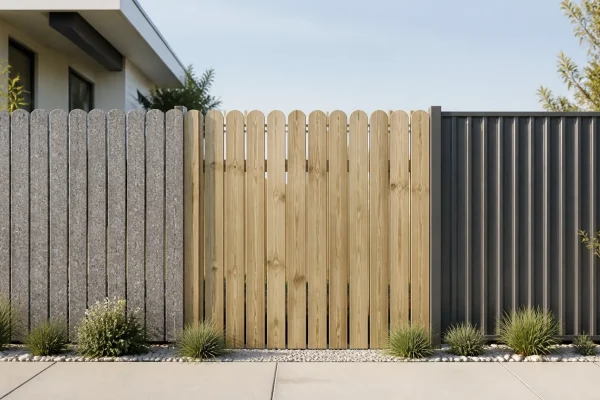
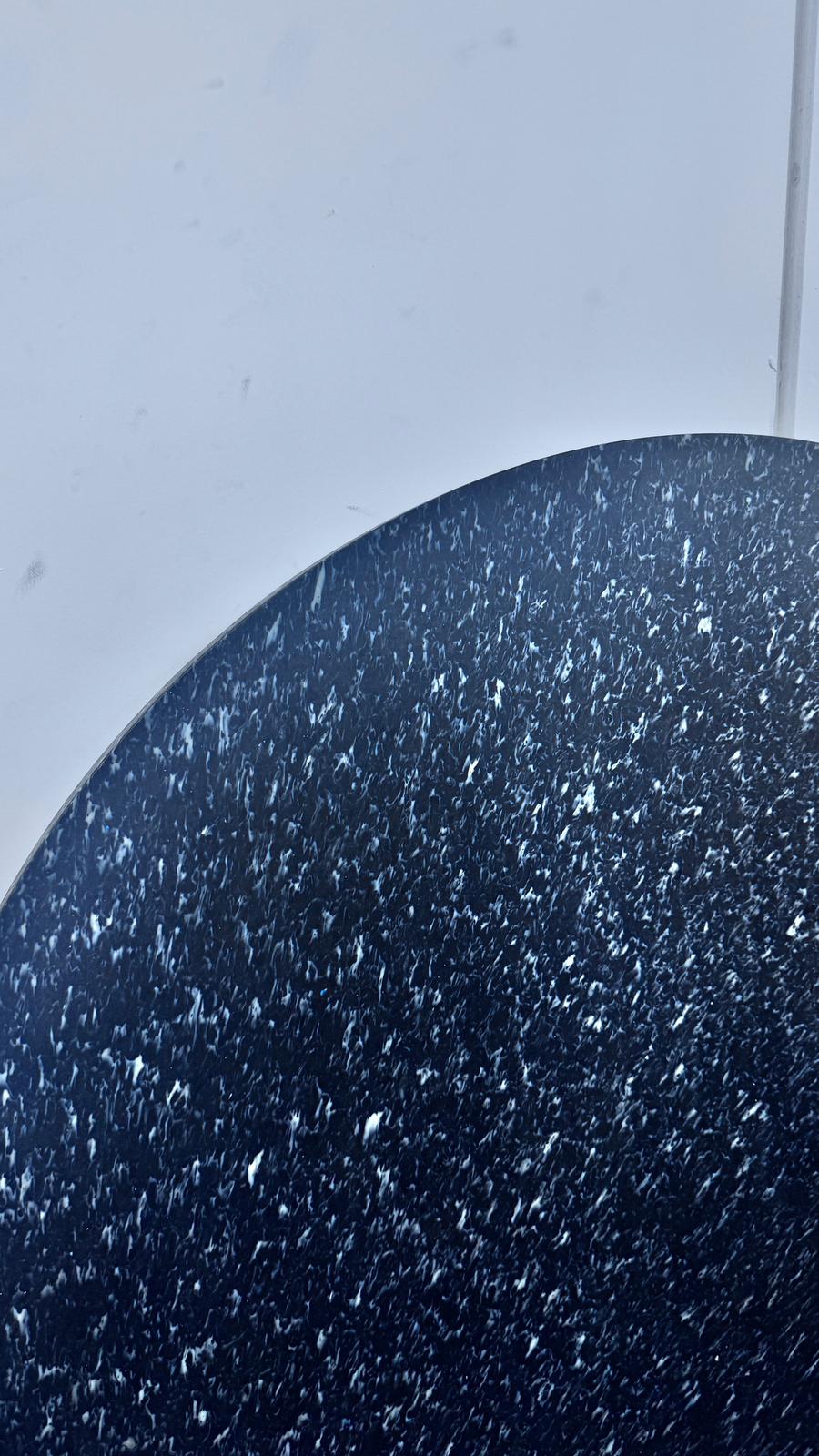
While timber and steel will always have their place, the "Plastic Revolution" is filling the gaps where traditional materials fail. For infrastructure, outdoor furniture, and internal fitouts, recycled plastic is the undisputed king of the circular economy.
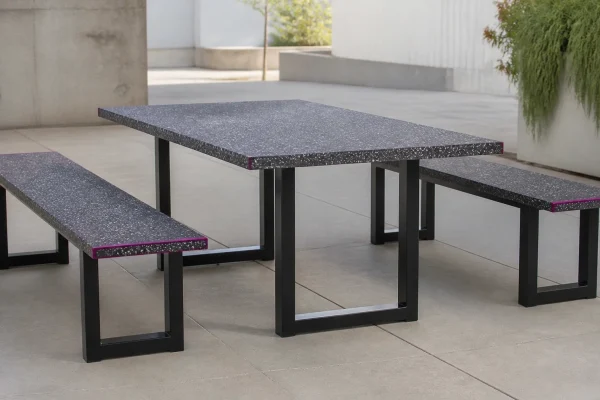
It’s weather-resistant, requires zero maintenance, and: most importantly: it stays in the loop. It is the literal embodiment of tangible sustainability. When a student sits on a bench made from their own school's waste, the circular economy becomes real.
Checklist: Is Your Procurement Circular?
Before you sign off on your next material order, ask your supplier these four questions:
- Where was the raw material sourced? (Is it 100% Australian waste?)
- What is the embodied carbon footprint per square metre?
- Is there a formal take-back programme in place for when this project is decommissioned?
- Can this material be repurposed without losing its structural integrity?
If the answer to any of these is "No" or "I'm not sure," you’re buying a liability.
The Future is Resourceful
The shift to circular construction is the biggest change to hit our industry since the introduction of structural steel. It’s a challenge, sure, but it’s also the greatest opportunity we’ve ever had to build better, smarter, and more profitably.
At Resourceful Living, we aren't just watching this change happen: we're driving it. From our success stories in Currumbin to the classrooms of the future, we’re proving that Australian waste is the most valuable resource we have.
Ready to future-proof your next project? Let’s talk about how our 100% recycled materials can help you smash those 2026 targets.
Stop buying waste. Start buying the future.