For decades, we’ve told our children a lie. We’ve told them that if they finish their juice box and put it in the yellow-topped bin, they’ve "saved the planet." We’ve treated recycling as a final act, a closing of the lid that signals the end of a consumer's responsibility.
In reality, for most of the waste generated in Australia, that yellow bin is a black hole. Without a transparent, local, and functional end-market, that juice box isn't being "saved"; it’s being relocated.
At Resourceful Living, we believe the missing link in environmental education isn't more theory, it’s tangible sustainability. We need to move beyond abstract concepts of "global warming" and move toward the physical reality of circular construction.
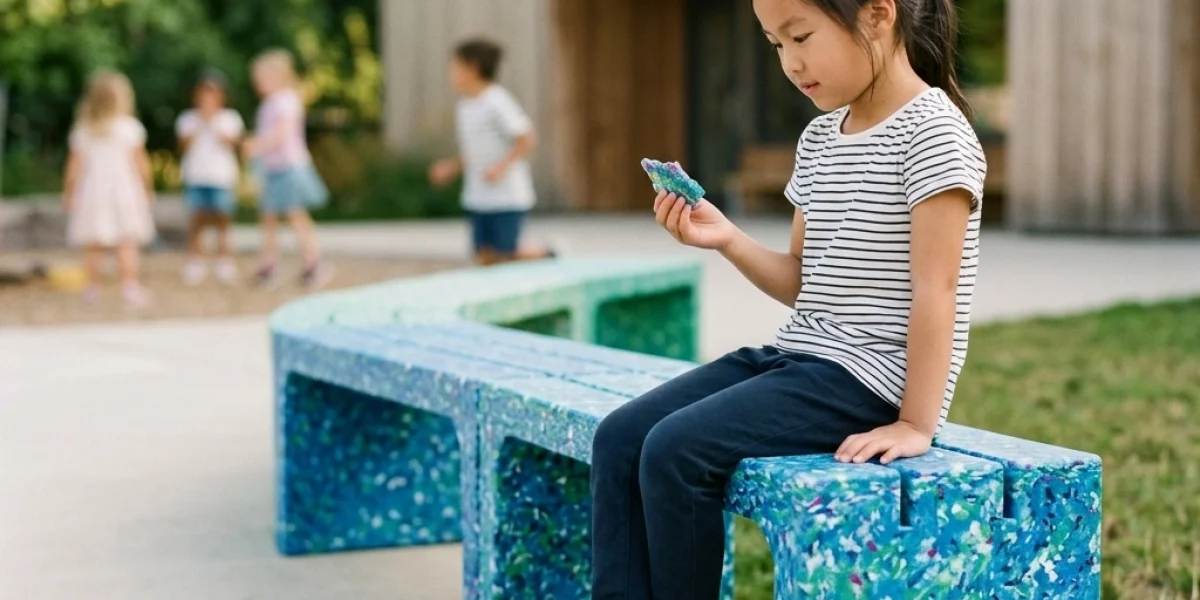
Can a plastic bench change a child’s mind? Absolutely. But only if that child knows exactly where the plastic came from, how it was made, and where it goes next.
The Failure of Abstract Environmentalism
Most students in 2026 can recite the "Three Rs" in their sleep. However, very few can explain what happens to a piece of HDPE plastic once it leaves their school gate. This disconnect creates a sense of "eco-anxiety" without providing the agency to fix it.
When sustainability remains an abstract concept, it feels like an insurmountable problem. But when a child sits on a bench made from the very milk bottles they collected the month before, the narrative shifts from guilt to innovation.
The Psychology of "Touch and Feel"
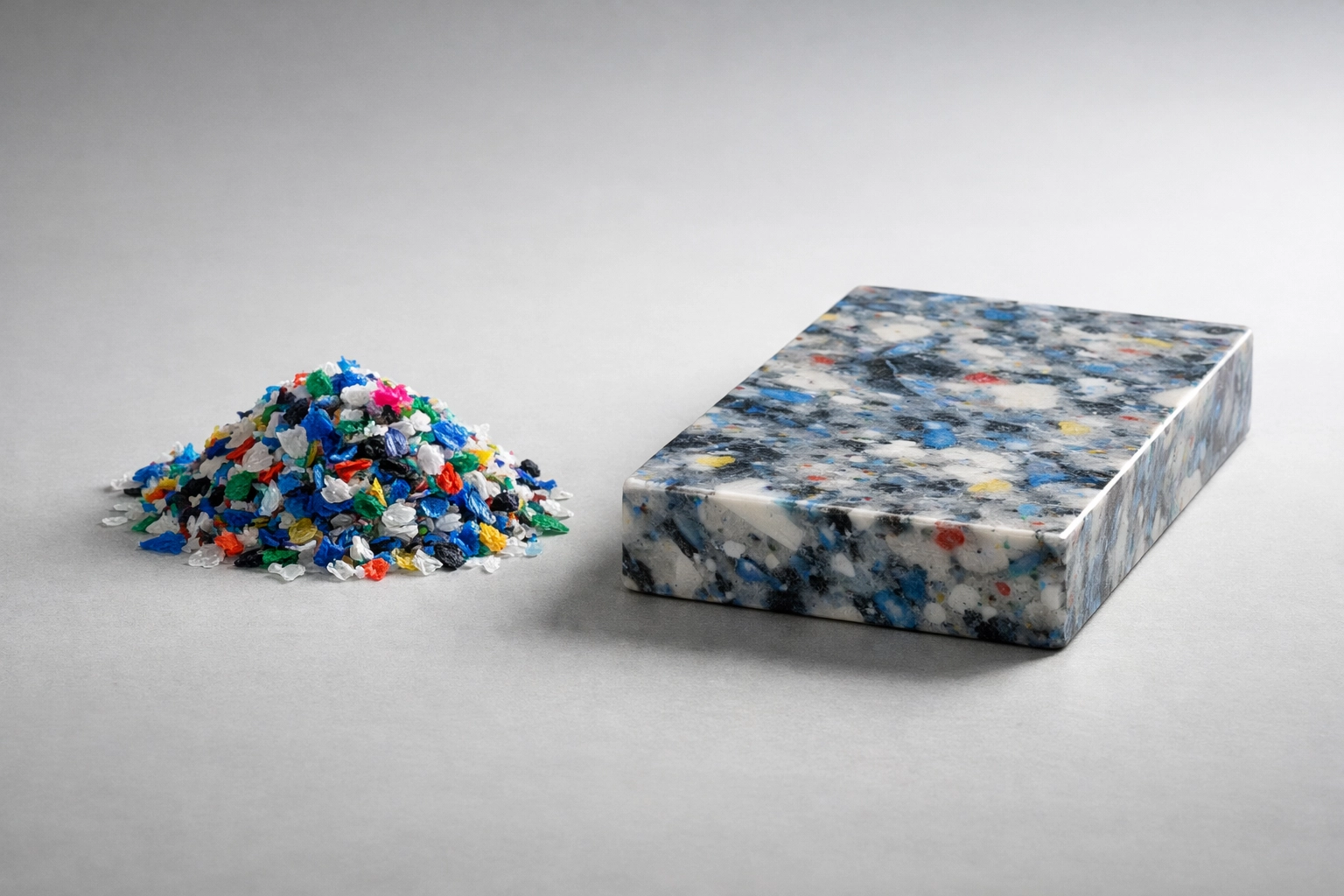
Research shows that children, and adults, grasp complex systems more effectively when they can interact with the results. A recycled plastic bench serves as a physical reminder of impact.
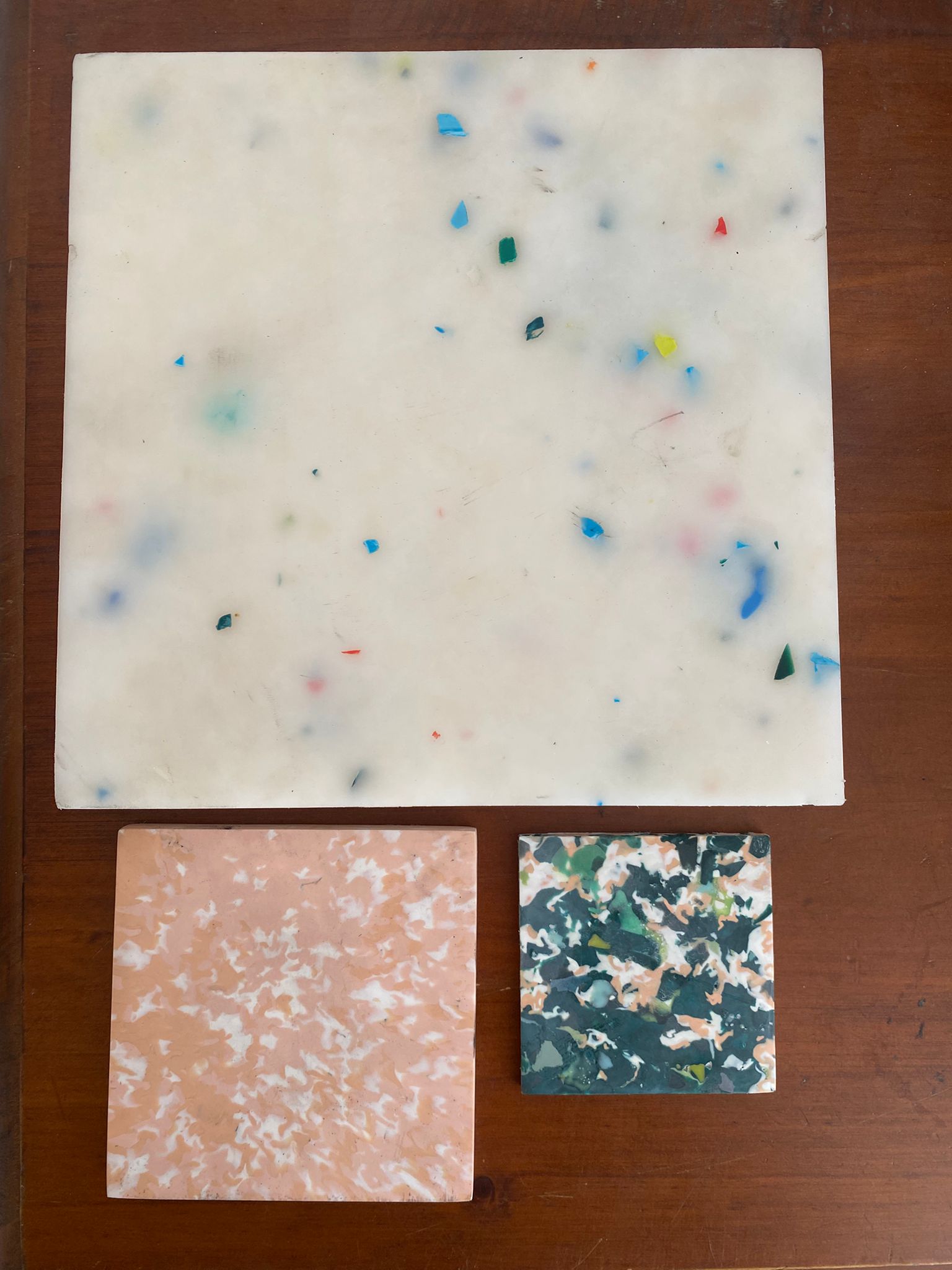
- Visible Transformation: Seeing a dark navy marbled panel and knowing it used to be a shampoo bottle makes the concept of a "resource" real.
- Proof of Concept: It proves that waste isn't "trash", it’s a sustainable building material.
- Empowerment: It gives students a sense of ownership over the circular economy.
Circular Construction 2026: The New Standard
As we move through 2026, the Australian building industry is facing a reckoning. The "take-make-dispose" model is no longer financially or ethically viable. We are seeing a massive push toward circular construction 2026 standards, where materials are designed with their next life in mind.
Schools are the perfect testing ground for these sustainable construction solutions. By integrating recycled plastic panels and sheets into school infrastructure, whether through benches, garden beds, or wall cladding, we are teaching the next generation of architects, builders, and consumers that high-quality materials don't have to come from virgin resources.
Why Schools are Choosing Recycled Plastic Over Timber
- Durability: Unlike timber, our recycled plastic doesn't rot, splinter, or require annual painting.
- Traceability: We provide the "story" behind the material.
- Low Maintenance: It stands up to the harsh Australian sun and high-traffic playground environments.
- End-to-End Recycling: When the bench eventually reaches the end of its long life, we take it back.
The SA Department of Education: A Case Study in Action
We’ve seen the power of this firsthand through our work with the South Australian Department of Education. By providing tangible items like "SA boxes" made from recycled materials, we aren't just giving schools furniture; we’re giving them a living curriculum.
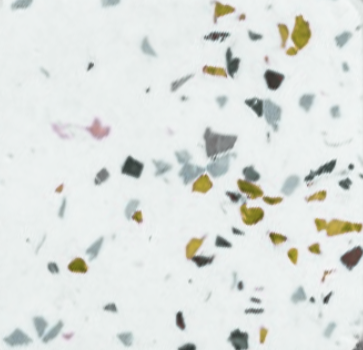
When a student sees an "N70 White Confetti" panel, they aren't just looking at a pretty pattern. They are looking at a composite of Australian household waste. They are looking at a solution to the $100 billion waste mistake.
The "End-to-End" Promise: Why It Matters
The biggest hurdle for sustainable building materials in Australia has always been the "what happens next?" question. Many "eco-friendly" products end up in a landfill anyway because they are made of bonded materials that can’t be separated.
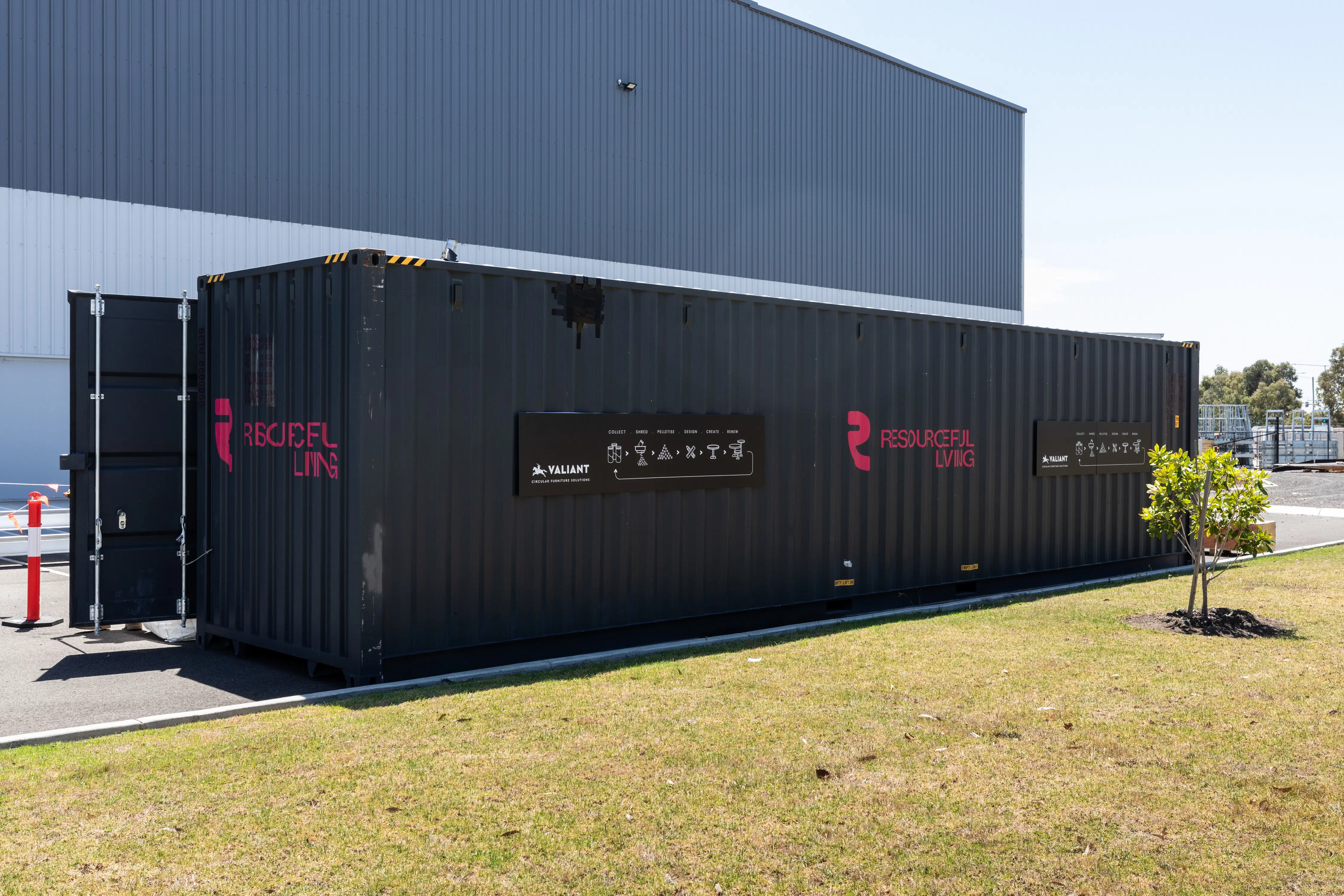
At Resourceful Living, we operate an end-to-end recycling model. This means:
- Local Collection: We process 100% Australian plastic waste.
- Clean Manufacturing: Our process uses no toxic resins or glues.
- The Take-Back Program: We don't just sell you a product; we offer a permanent home for it. If a piece of furniture is damaged or no longer needed, it comes back to us to be shredded and turned into something new.
This is the definition of a closed loop. For a child, understanding this "circle" is far more powerful than the linear "bin-to-truck" model they’ve been taught.
Caption: A visual representation of the circular lifecycle of Resourceful Living materials, from waste collection to final product.
Shifting the Education Narrative
If we want to solve the plastic crisis, we have to stop talking about "waste management" and start talking about resource management.
Education in 2026 needs to be provocative. We should be asking students:
- "Why is this bench better than a wooden one?"
- "How many milk bottles are you sitting on right now?"
- "If we can build a bench, why can't we build a house?"
By using recycled plastic products, schools become active participants in the solution. They become micro-hubs of the circular economy.
Key Benefits for Educational Facilities
- Reduced Lifecycle Costs: Less money spent on replacing rotted timber or rusted metal.
- Alignment with Sustainability Goals: Directly contributes to the school’s environmental targets.
- Engaged Learning: Provides a real-world example of STEM and environmental science in action.
The Role of Industry and Architects
It isn't just up to the schools. For circular construction 2026 to become the norm, architects and developers must lead the charge. Choosing sustainable building materials in Australia should no longer be seen as an "alternative" choice, it should be the primary choice.
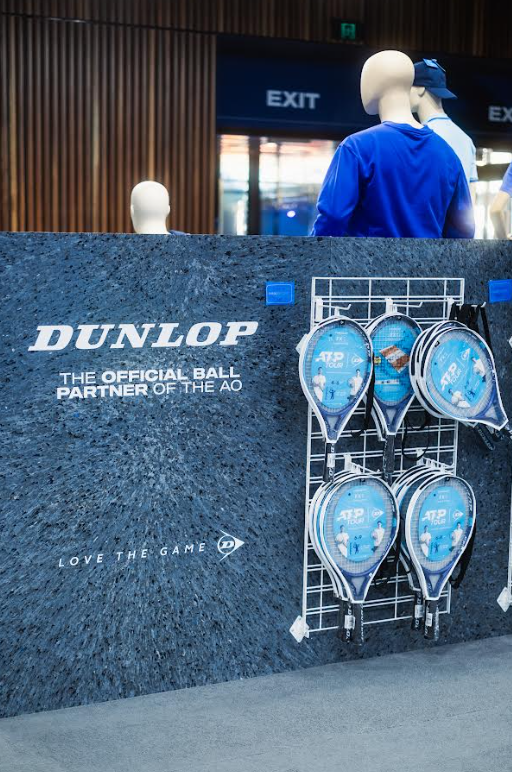
We are seeing a surge in bespoke manufacturing and design where recycled panels are used for everything from retail displays to office fit-outs. These projects serve as a massive billboard for what is possible when we stop viewing plastic as a pollutant and start viewing it as a premium building material.
Conclusion: More Than Just Furniture
So, can a plastic bench change a child’s mind?
Yes, but only if it’s backed by a transparent system that they can trust. When we show kids that their efforts lead to something functional, beautiful, and permanent, we replace their cynicism with curiosity.
We aren't just manufacturing panels at Resourceful Living. We are manufacturing a new mindset. We are building the infrastructure of the future, one bench at a time.
If you are ready to bring tangible sustainability to your next project: whether it's a school playground or a commercial development: let’s talk. The future is circular, and it’s already here.
Ready to make the switch?
- Explore our range: Recycled Plastic Panels
- Get a sample: Order Samples
- Partner with us: Join the Movement
It’s time to stop just talking about the environment and start building it.