If you’re a builder, architect, or procurement officer in 2026, you already know the drill: sustainability is no longer a “nice-to-have.” It’s a requirement. With Australia’s shifting landscape of circular construction reforms, the pressure is on to find materials that don’t just tick a green box but actually stand up to the rigours of commercial use.
At Resourceful Living, we’ve spent years perfecting the art of turning Australian plastic waste into high-performance building materials. We’re not talking about flimsy park benches. We’re talking about structural-grade panels that outperform traditional materials like plywood and MDF while looking like high-end stone or bespoke terrazzo.
This guide is designed to give you the technical and practical foundation you need to specify recycled plastic for your next project with confidence.
🏗️ The Science of the Sheet: Understanding Material Properties
Not all plastic is created equal. When we talk about “recycled plastic,” we’re usually referring to a few specific polymers. Understanding these is key to choosing the right material for your application.
HDPE (High-Density Polyethylene)
- Common sources: Milk bottles, shampoo containers, wheelie bins.
- Properties: Extremely tough, chemical-resistant, and moisture-proof.
- Best for: Wet areas, outdoor furniture, site hoarding, and marine environments. This is our “workhorse” material.
LDPE (Low-Density Polyethylene)
- Common sources: Plastic bags, shrink wrap, squeeze bottles.
- Properties: More flexible than HDPE but still incredibly durable.
- Best for: Applications requiring impact resistance or a slightly softer finish.
PP (Polypropylene)
- Common sources: Yogurt containers, bottle caps, car parts.
- Properties: High melting point and excellent fatigue resistance.
- Best for: Living hinges, automotive components, and high-heat environments.
PET (Polyethylene Terephthalate)
- Common sources: Soft drink and water bottles.
- Properties: High clarity and strength. While often used for textiles, it’s increasingly being integrated into rigid panels for its high-end finish.
Pro Tip: If you are winning government tenders, specify HDPE for its versatility and the clear post-consumer waste trail it provides.
💎 High-End Aesthetics: It Doesn’t Have to Look Like Trash
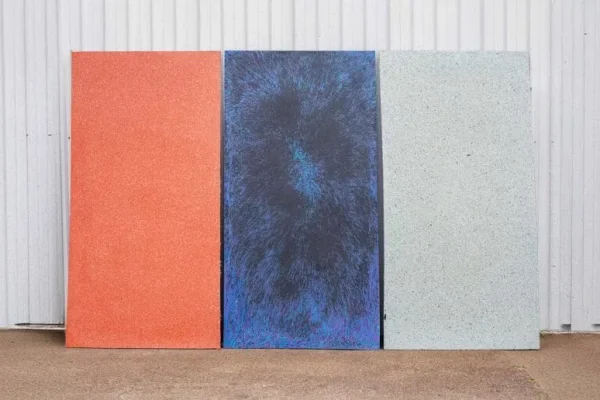
The biggest hurdle for recycled materials has historically been the “recycled look.” We’ve changed that. By carefully sorting our feedstock by colour and type, we create finishes that rival premium surfaces like marble or quartz.
The “White Confetti” Finish
Our White Confetti (N70) style is a crowd favourite for retail displays and bespoke furniture. It features a crisp white base with vibrant flecks of multicoloured plastic. It offers a clean, modern aesthetic while telling a clear story of circularity.
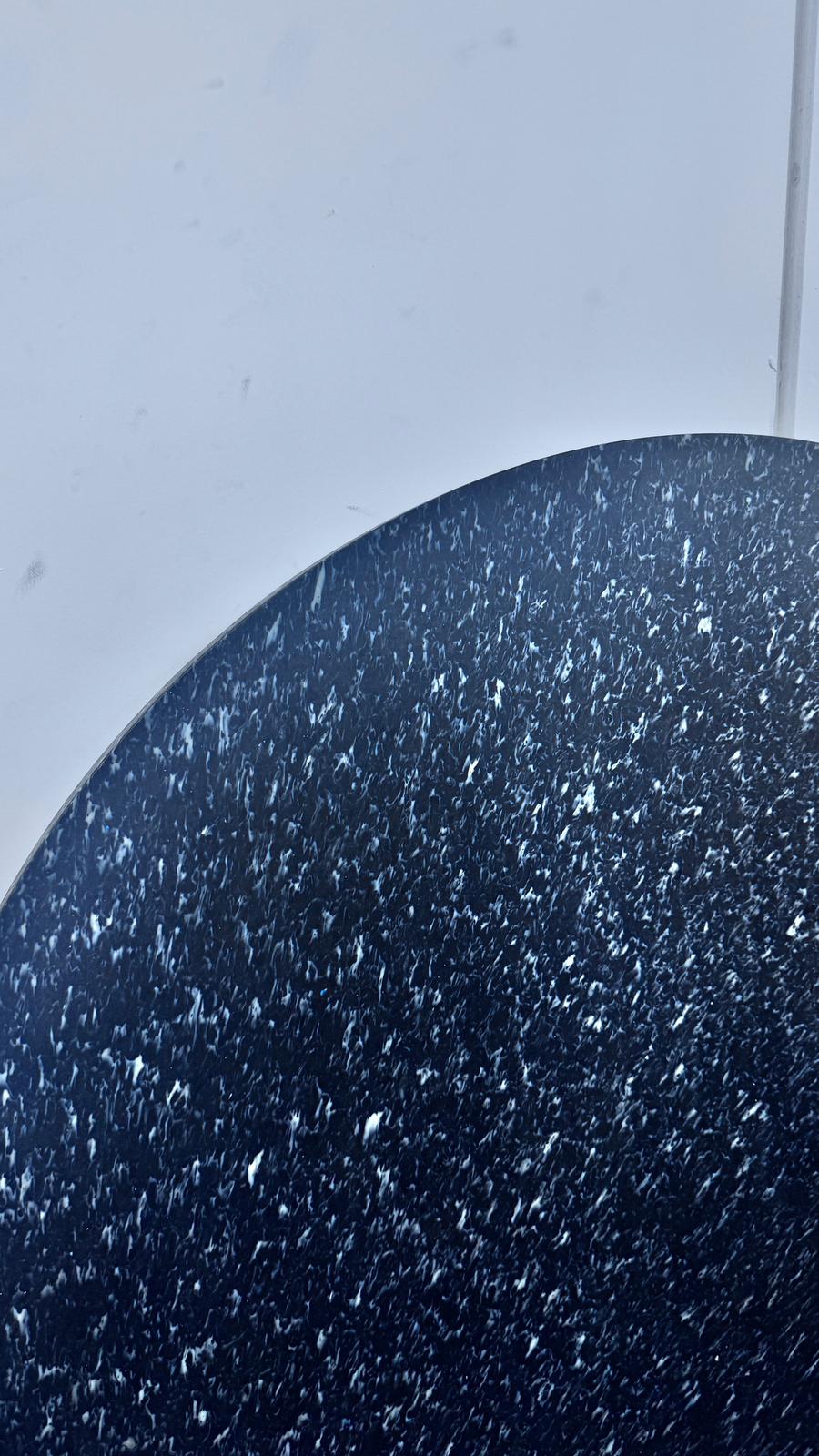
The “Navy Marble” Finish
For those seeking a more sophisticated, moody look, our Navy Marble creates a deep, swirling pattern that mimics natural stone. It’s a 100% recycled Australian product that adds luxury to commercial fit-outs without the environmental cost of quarrying.
📉 The ROI of Durability: Why Recycled Plastic Wins
When you look at the lifecycle of a project, the “cheapest” material is often the most expensive in the long run. Here’s how our recycled panels stack up against traditional materials like plywood or MDF:
- 5x Longer Lifespan: Our panels are resistant to rot, termites, and moisture. In a commercial environment, they last at least five times longer than standard plywood.
- 50-Year Design Life: We manufacture our sheets to last. When used in appropriate structural or decorative applications, you can expect a 50-year lifespan.
- Zero Maintenance: No painting, no oiling, and no sealing. You can pressure wash it, scrub it with chemicals, or leave it in the sun: it won’t delaminate or degrade.
- Workability: You can cut, drill, and CNC our panels exactly like wood using standard carpentry tools.
For heavy-duty sectors, this longevity is a game-changer. It’s why mining operations are switching to recycled plastic for their hardest-wearing applications.
🌍 Calculating Your Carbon Savings
Sustainability isn’t just a feeling; it’s a metric. Using recycled HDPE provides a massive reduction in carbon footprint compared to virgin plastic or even some timber products that require high-intensity processing.
- CO2 Mitigation: Recycling one ton of HDPE saves between 0.9 to 1.75 tons of CO2 compared to virgin production.
- Energy Efficiency: Producing recycled plastic requires up to five times less energy than manufacturing virgin plastic from petroleum.
- Waste Diversion: Every 2400mm x 1200mm sheet we produce diverts thousands of plastic items from Australian landfills.
By incorporating these panels into your commercial fit-outs, you are directly contributing to your company’s Net Zero targets and Environmental, Social, and Governance (ESG) reporting.
🔄 The 5-Step Process: From Discovery to End-of-Life
At Resourceful Living, we don’t just sell sheets; we partner with you to ensure your project is successful. We follow a rigorous 5-step framework to ensure quality and sustainability.
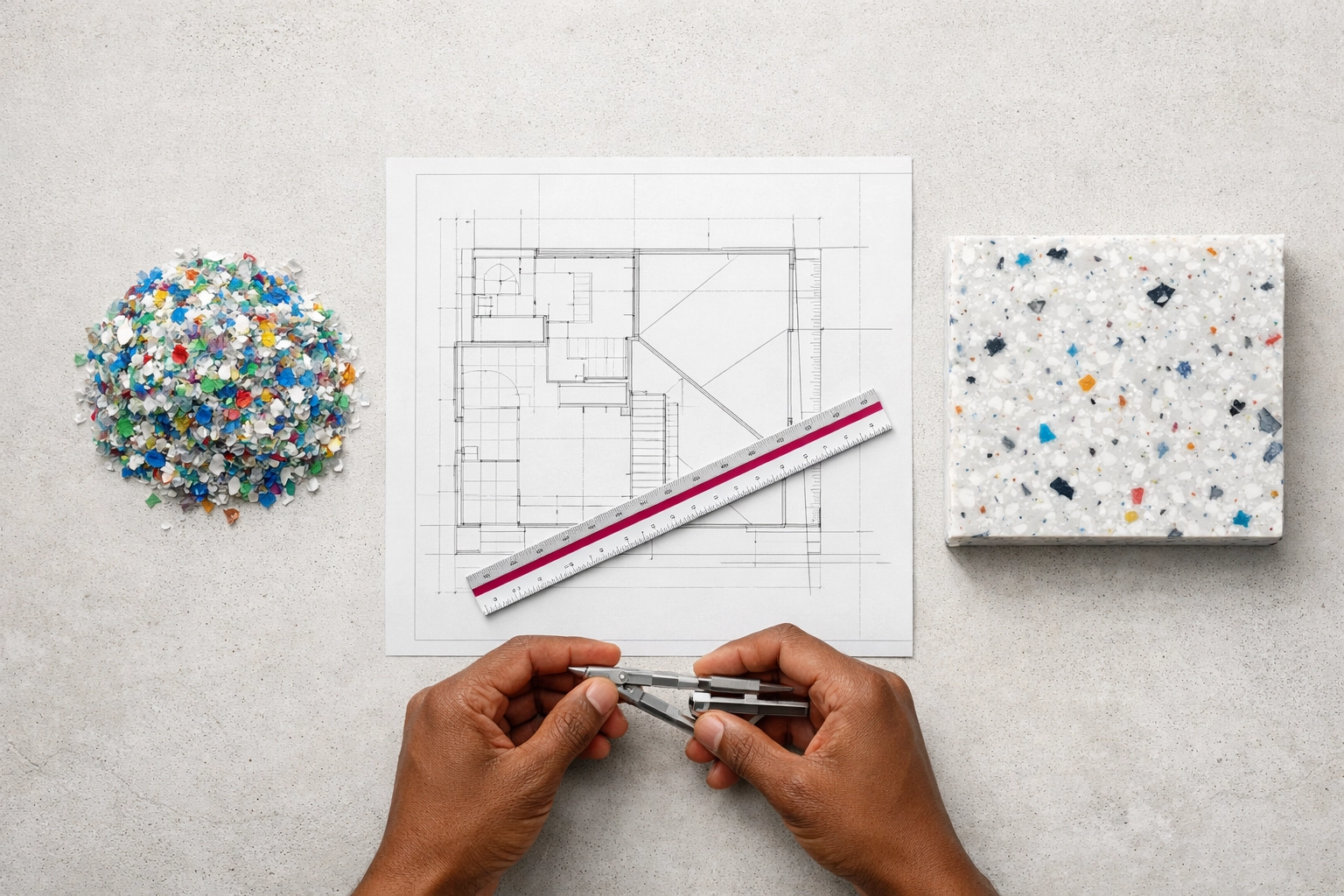
- Discovery: We sit down with you to understand the application. Is it structural? Aesthetic? Is it for a public space infrastructure project? We match the polymer to the purpose.
- Design: We assist with the technical specs. We help you understand expansion/contraction rates and structural loads to ensure the material performs as expected.
- Prototype: For bespoke projects or new products, we create samples. This ensures the colour mix (like our White Confetti or Navy Marble) meets your brand’s aesthetic standards.
- Produce: We manufacture the panels right here in Australia using traceable waste streams. Every sheet is unique but follows strict quality control.
- End-of-Life: This is where we close the loop. We don’t just sell you a product and walk away. We plan for what happens when the project is eventually decommissioned.
♻️ Closing the Loop: Our Buy-Back Scheme
The true definition of a circular economy is that nothing ever becomes waste again. This is why we’ve pioneered our Buy-Back Scheme.
When a fit-out is finished or a product reaches the end of its useful life (decades from now), you can return the material to us. We will granulated it, melt it down, and turn it into a brand-new panel.
- Economic Value: This provides a residual value for your materials.
- Landfill Diversion: It ensures your project doesn’t contribute to landfill at its end-of-life.
- Traceability: We provide the documentation you need to prove the material was successfully recycled back into the supply chain.
🛠️ Applications for Professionals
Where can you actually use these panels? The versatility might surprise you.
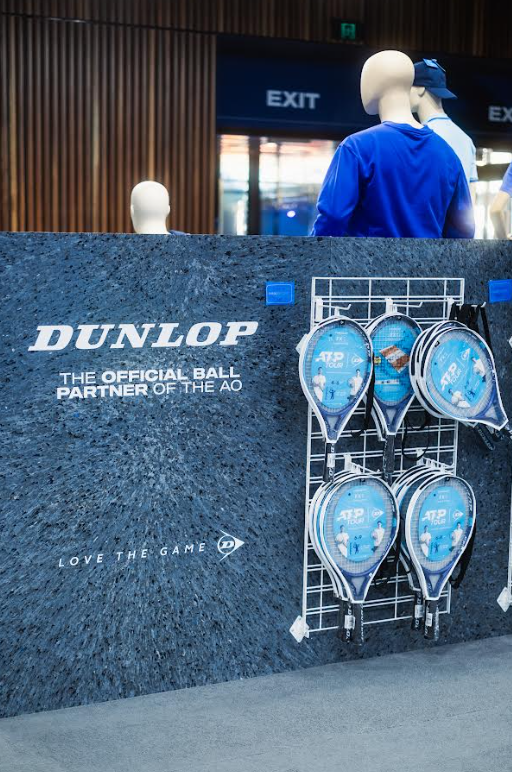
- Retail & Events: Custom shelving, POS displays, and temporary event structures. See our tennis display panel as a prime example.
- Construction: Site hoarding, formwork, and wet area lining.
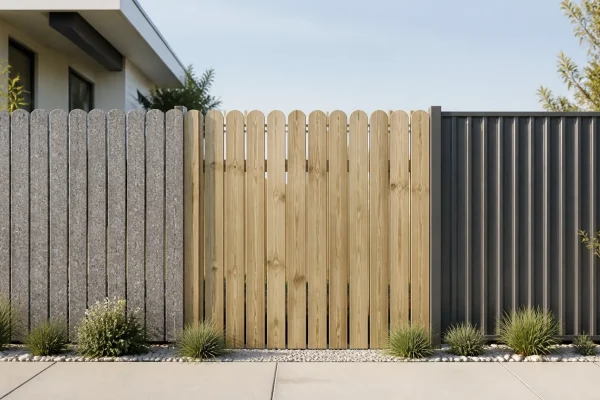
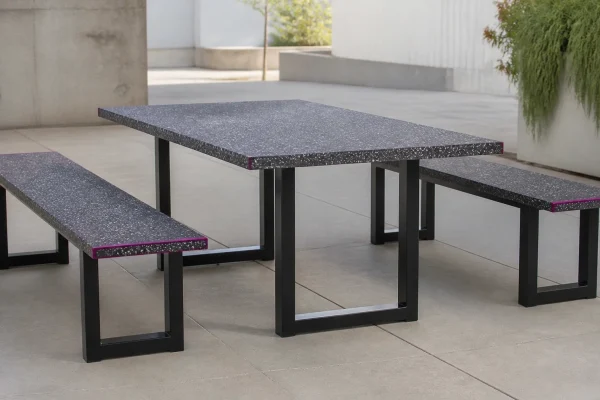
- Public Infrastructure: Park furniture, signage, and decorative cladding for councils.
- Cabinetry: High-durability carcasses and moisture-resistant kicks for kitchens and laundries.
📈 Get the Resourceful Living Spec Guide
Choosing sustainable materials shouldn’t be a gamble. You need data, technical specs, and a partner who understands the Australian construction industry.
If you’re ready to stop using “disposable” materials and start building for the future, we’ve put together a comprehensive Specifier Guide specifically for Tier 1 contractors and council specifiers.
What’s inside the full guide?
- Full load-bearing and stress-test data.
- Fire rating and compliance documentation.
- Detailed colour swatches for custom aesthetic mixes.
- Case studies on reducing landfill costs through circular procurement.
[Download the Specifier Guide & Join Our Professional Network]
Final Thoughts
As Jess Hodge, CEO of Resourceful Living, often says: “We aren’t just making panels; we’re making sure plastic never sees a landfill again.”
By choosing recycled plastic, you aren’t just making a “green” choice: you’re making a smart, durable, and economically sound decision for your business. Let’s build something that lasts.
Want to dive deeper into the technical side? Check out our 7 mistakes to avoid when choosing sustainable materials.