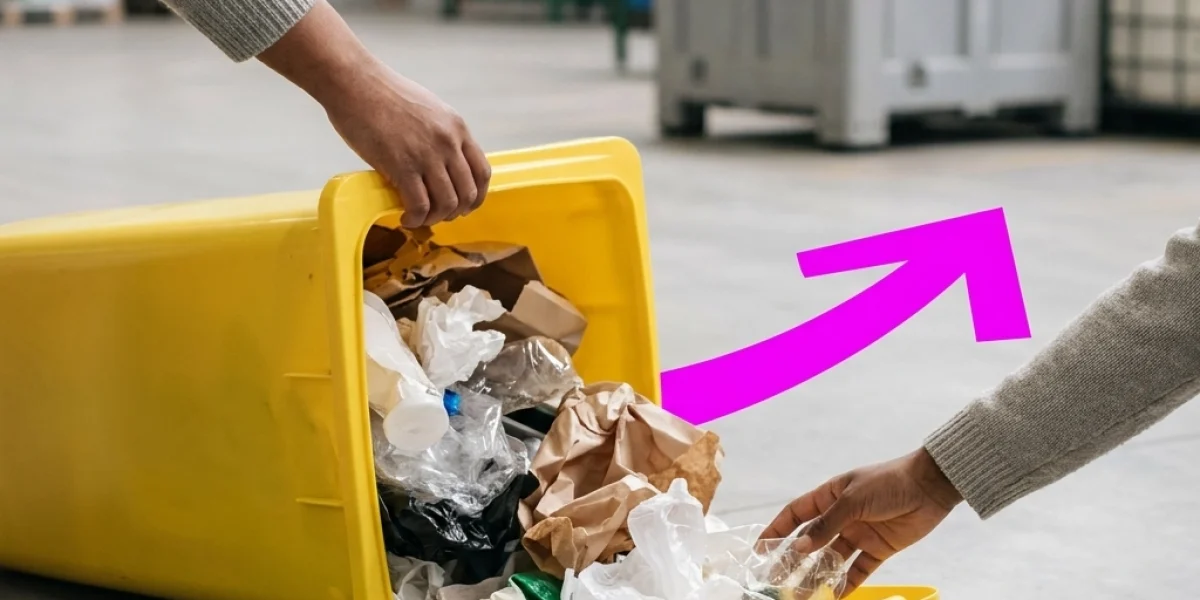
For decades, we’ve been telling a fairy tale. It starts in a classroom, usually around National Recycling Week, where kids are taught that if they put their plastic milk bottle into a yellow bin, they’ve "saved the planet."
It’s a lie. Or, at the very least, it’s a massive oversimplification that is costing the Australian economy billions.
When we teach children: and by extension, the adults they become: that recycling ends at the bin, we ignore the most critical part of the equation: What happens next? Globally, the "recycling mistake" represents over $100 billion in lost material value every single year. We treat plastic as "trash" to be managed rather than a "resource" to be utilised.
At Resourceful Living, we aren't just manufacturers; we are advocates for a radical shift in perspective. If we want to solve the plastic crisis, we have to stop patting ourselves on the back for "sorting" and start focusing on procuring.
The Great Yellow Bin Delusion
The research is staggering. In many parts of the world, only 5–6% of plastic waste actually gets recycled. The rest? Landfill, incineration, or worse: the ocean. The reason isn't just a lack of "sorting" by the public; it’s a systemic failure of infrastructure and a lack of demand for the end product.
For a long time, the plastic industry promoted the narrative that "recycling" was a consumer responsibility. If the system failed, it was because you didn't wash your yogurt tub well enough. In reality, the recycling lie served as a convenient distraction while virgin plastic production continued to skyrocket.

We need to change the curriculum. We need to teach the next generation that a bin is just a transit point. True recycling only happens when that plastic is processed, remanufactured, and purchased back into the economy.
Circular Construction 2026: The New Rules of Engagement
The year 2026 marks a turning point for the Australian building industry. We are moving away from the "take-make-waste" model toward circular construction 2026 standards. Governments and private developers are finally realising that we cannot keep digging holes to bury value.
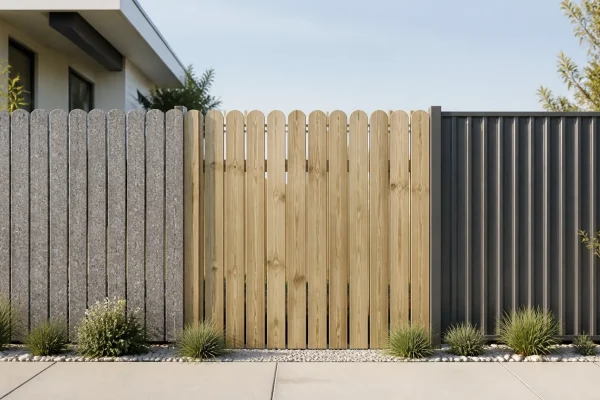
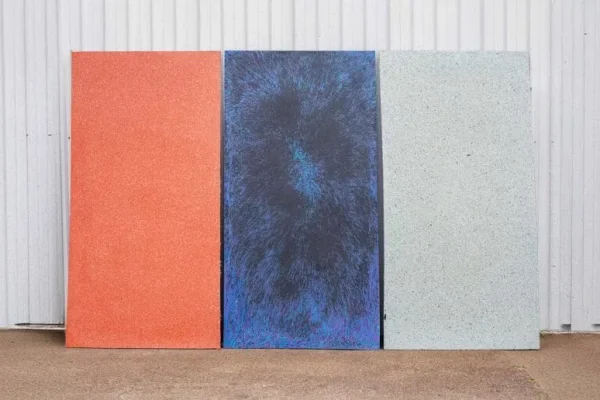
Why use virgin timber or carbon-heavy steel when we have a literal mountain of high-density polyethylene (HDPE) sitting in our waste stream? Recycled plastic sheets in Australia are no longer a "niche" eco-alternative; they are a high-performance building material that outperforms traditional options in moisture resistance, durability, and lifecycle costs.
Why the Industry is Shifting:
- ✅ Legislative Pressure: New rules around embodied carbon are forcing builders to look at the "hidden" emissions in their materials.
- ✅ Durability: Unlike timber, recycled plastic doesn't rot, splinter, or require toxic chemical treatments.
- ✅ Traceability: Modern manufacturing allows us to track exactly where the waste came from and where it’s going.
If you’re still specifying marine plywood for wet areas or school lockers, you’re stuck in 2010. It’s time to ask if traditional building materials are dead.
Tangible Proof: The South Australia Department of Education
It’s one thing to tell a child their waste has value; it’s another thing to let them sit on it.
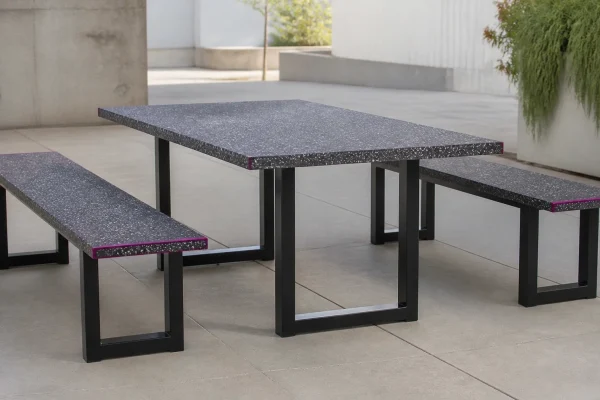
We recently worked on a project with the South Australia Department of Education. This wasn't just a procurement exercise; it was a masterclass in the circular economy. By taking plastic waste: the very same stuff kids see in their bins: and turning it into functional, beautiful furniture and fit-outs for schools, we closed the loop in a way that is visible and tangible.
When a student knows that their school desk was once 2,000 milk bottles, the "why" of recycling becomes undeniable. It moves from an abstract chore to a productive act of creation. This is how we fix the $100 billion mistake: by creating a market for the material we collect.
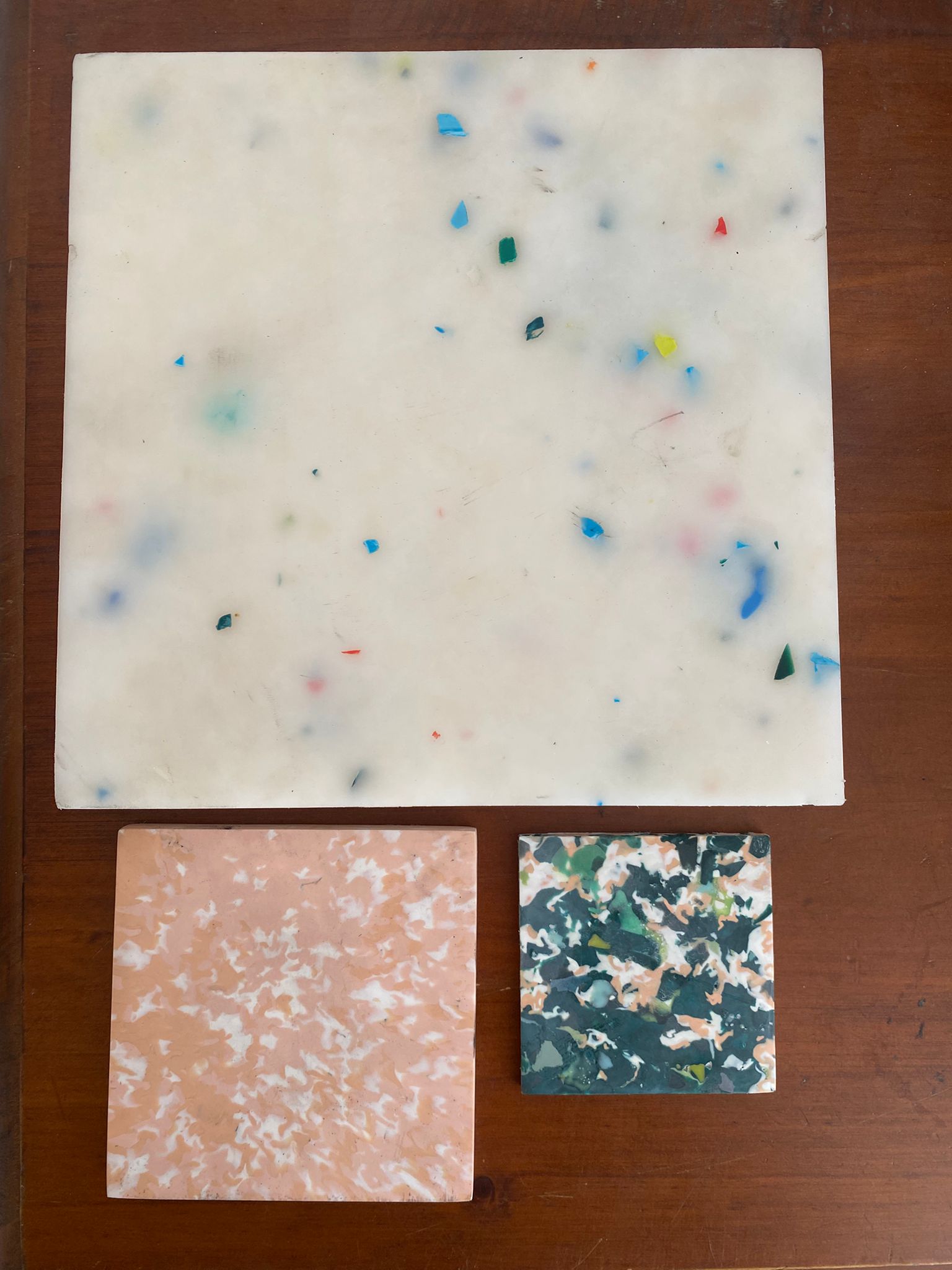
Recycled Plastic Sheets vs. The World
Let’s get technical for a second. We often hear the argument that recycled materials are "too expensive" or "hard to work with."
That’s outdated thinking.
When you look at the total cost of ownership, recycled plastic sheets win almost every time. In high-traffic environments like schools, hospitals, or public infrastructure, the maintenance requirements for timber or treated metals are a massive drain on budgets.
| Feature | Recycled Plastic Sheets (Resourceful Living) | Traditional Timber / Marine Ply |
|---|---|---|
| Moisture Resistance | 100% Waterproof | High risk of rot/swelling |
| Maintenance | Zero (no painting/sanding) | Frequent staining/sealing |
| End of Life | 100% Recyclable (Take-back) | Landfill or Incineration |
| Carbon Footprint | Low Embodied Carbon | High (Forestry & Transport) |
| Durability | High Impact Resistance | Prone to dents and scratches |
Whether you are comparing recycled plastic board vs. treated timber or looking for a marine plywood alternative, the data is clear. The performance metrics of 2026 demand materials that last longer and work harder.
The Power of Onsite Processing
One of the biggest hurdles in the circular economy has always been logistics. Moving lightweight plastic waste across the country to a central plant is carbon-intensive and expensive.
We are disrupting this model with our onsite mobile recycling units. By bringing the processing power to the source of the waste, we eliminate unnecessary transport and provide immediate, traceable results. This is the future of circular procurement.
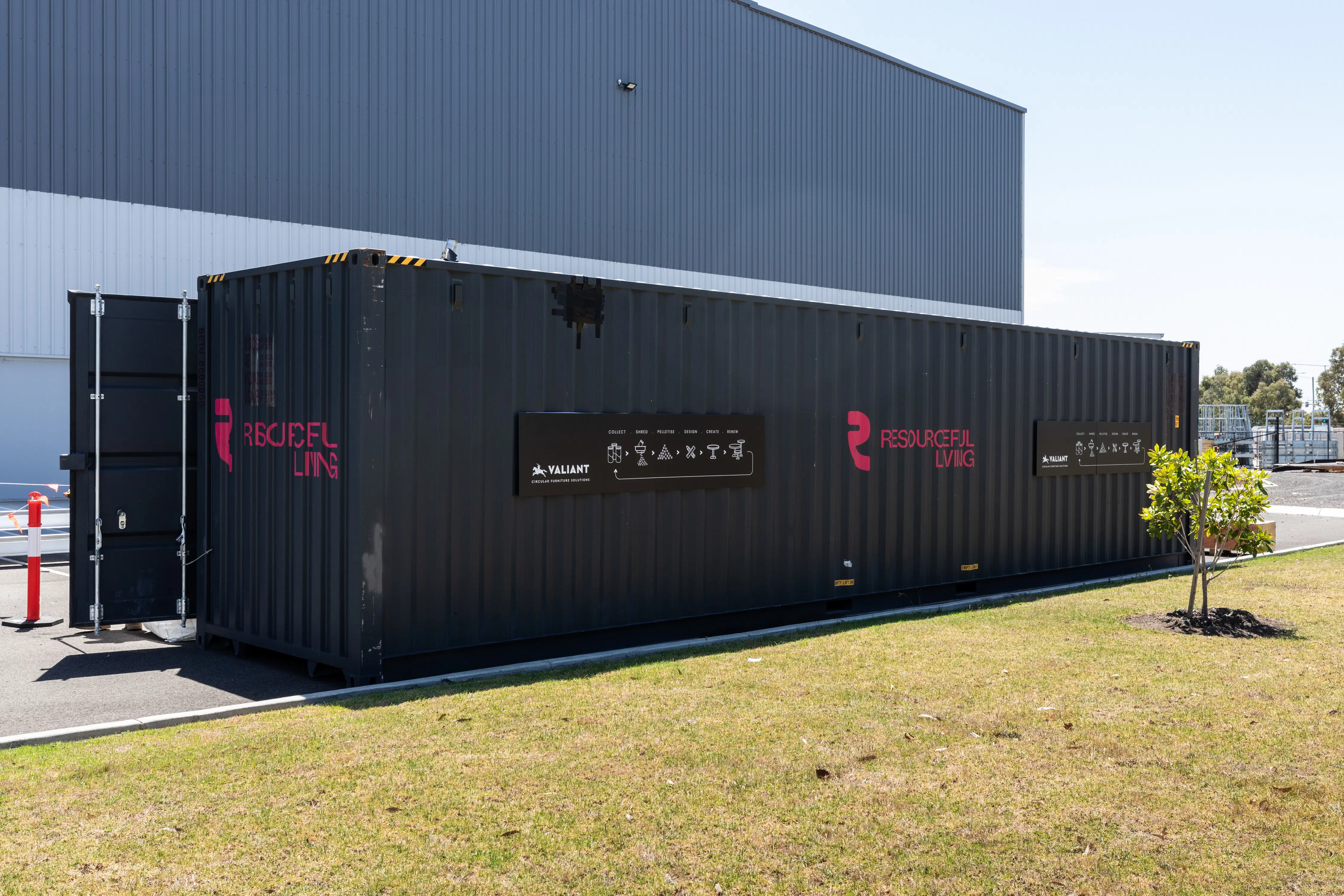
This unit isn't just a machine; it's a statement. It tells the community: and the kids watching: that we aren't just "throwing things away." We are manufacturing the future, right here on the ground.
How to Stop Making the Mistake in Your Next Project
If you are a builder, an architect, or a procurement officer for a local council, you have more power than the person sorting their bins at home. You are the one who decides if that plastic has a second life or if it becomes a $100 billion liability.
Here is how you can push the narrative forward:
- Demand Traceability: Don't just buy "recycled." Ask where it came from. Is it 100% Australian waste? Is it traceable?
- Look Beyond the Bin: Incorporate circular materials into your tenders. Check our guide on recycled plastic sheets for construction tenders.
- Educate via Application: Use materials that tell a story. In commercial fit-outs or retail displays, the aesthetic of recycled plastic is a "green flag" for consumers.
- Adopt a Take-Back Mentality: Ensure the materials you install today won't be the waste of tomorrow. Our panels are designed to be returned and remanufactured at the end of their life.

Stop Recycling. Start Re-living.
The era of "set and forget" recycling is over. We’ve seen the data, we’ve seen the failure of the old systems, and we know that the next generation is watching.
Teaching kids that recycling ends at the bin is a disservice to their future. We need to show them the full circle. We need to show them that their waste is the literal foundation of their new school, their local park, and their future cities.
Resourceful Living is here to provide the tangible proof. We are turning the $100 billion mistake into a $100 billion opportunity for circular construction in Australia.
"The goal isn't just to recycle more; the goal is to need less and use what we have better."
Ready to see what's possible? Take a look at our N70 White Confetti panels or explore how our ESG Partner Program can transform your organisation's approach to waste.
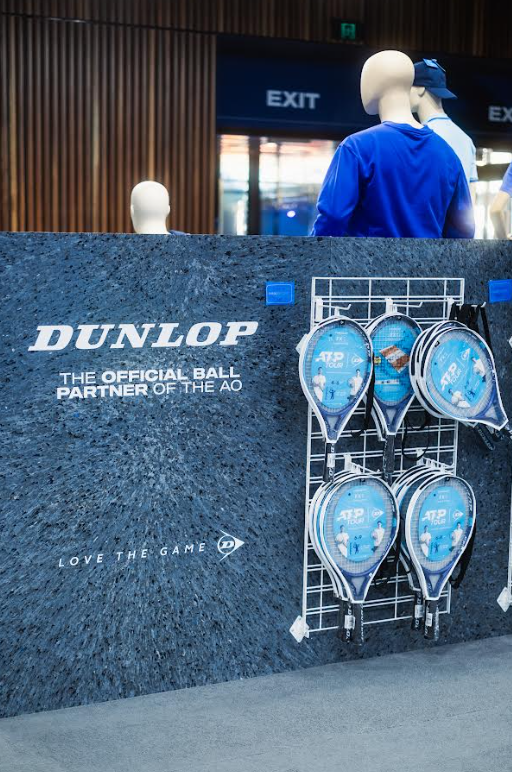
Let's stop throwing away the future. Let’s build it instead.