
For decades, the construction industry has operated on a simple, albeit flawed, logic: Take, Make, Dispose. You buy the cheapest timber or steel available, use it for a temporary hoarding or a walkway, and once the project is finished, it ends up in a skip bin destined for a landfill.
But it’s 2026, and that "linear hangover" is becoming a massive financial and reputational liability. Between skyrocketing landfill levies and aggressive government sustainability targets, the old way of building isn't just wasteful, it’s bad business.
Circular procurement is the solution that is currently flipping the script. It’s a strategic shift where we stop looking at materials as "disposable expenses" and start seeing them as renewable assets.
At Resourceful Living, we’re helping Australian developers, local councils, and Tier 1 contractors move beyond the "greenwash" and into a truly circular model. Here’s why circular procurement is the biggest disruption to infrastructure since the invention of the crane.
What is Circular Procurement, Anyway?
In a nutshell, circular procurement means purchasing products and services that contribute to closed-loop energy and material streams. It’s not just about buying something with a "recycled content" sticker on it. It’s about asking three critical questions before you sign a purchase order:
- Where did this come from? (Is it made from local waste or virgin materials?)
- How long will it last? (Is it durable enough to be reused across multiple projects?)
- Where does it go next? (Does the manufacturer have a guaranteed take-back program?)
When you apply this to infrastructure, you move away from the "lowest initial price" and start looking at the Total Cost of Ownership. For a deep dive into the financial logic here, check out our guide on The ROI of Recycled Plastic Sheets vs. Timber.
The Infrastructure Pivot: From Waste to Walk Boards
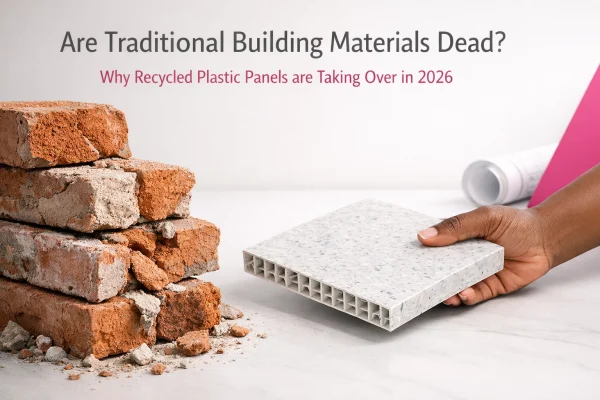
Infrastructure projects are notorious for "temporary" waste. Think about construction hoarding, site sheds, and pedestrian walkways. Historically, these were made from treated timber: a material that is often heavy, prone to rot, and almost impossible to recycle once it’s been treated with chemicals.
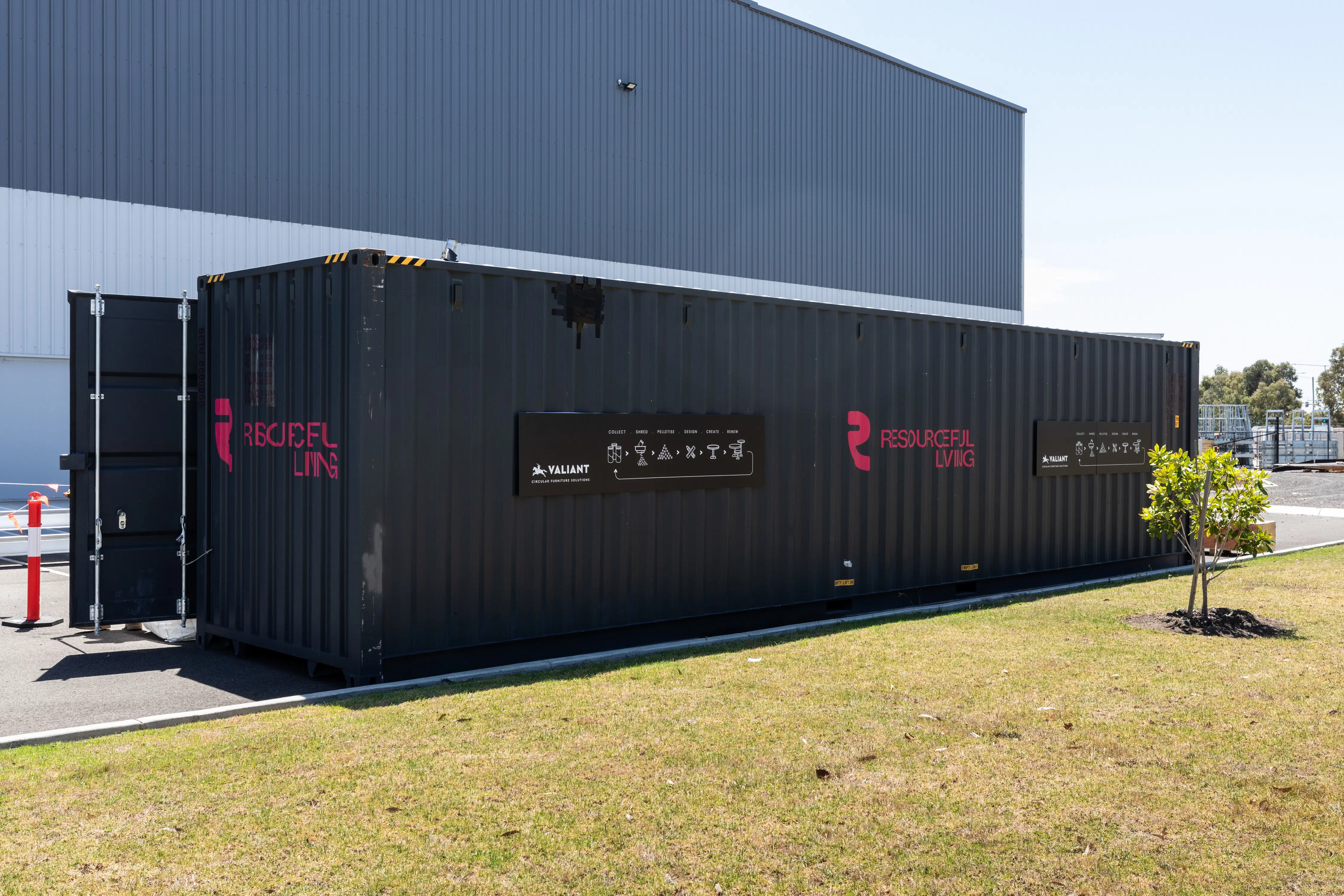
By switching to recycled plastic construction materials, projects are achieving two things at once: extreme durability and a zero-waste outcome.
Why Recycled Plastic is Winning in 2026:
- ✅ Weather Immunity: Unlike timber, our panels don't swell, rot, or succumb to termites. This is vital for coastal infrastructure.
- ✅ Impact Resistance: High-density recycled plastic can take a beating on a busy site without splintering.
- ✅ No Maintenance: You don't need to paint or seal it. The colour is baked into the material.
- ✅ Circular DNA: It was waste yesterday, it’s a walk board today, and we can turn it back into a new board tomorrow.
Meeting Government and ESG Targets
If you’re working on a government-funded project in Australia right now, you know that Circular Economy targets are no longer "optional extras." They are baked into the tender requirements.
State and federal governments are under immense pressure to prove they are supporting local industry while reducing carbon footprints. As recycled plastic manufacturers in Australia, we provide the data that procurement officers need to tick those boxes.
When you procure through Resourceful Living, you aren't just getting a product; you're getting a traceable sustainability story. We take Australian post-consumer and industrial waste and transform it into high-value infrastructure. This directly supports the shift towards closed-loop manufacturing in Australia.
The End-to-End Process: How We Close the Loop
The biggest "lie" in the recycling industry is that putting something in a blue bin solves the problem. It doesn't. Recycling only works if there is a demand for the end product. Circular procurement creates that demand.
At Resourceful Living, we’ve built a process designed specifically for the construction and infrastructure sectors:
1. Local Sourcing & Shredding
We collect 100% Australian plastic waste. We don't ship our waste offshore; we process it right here. We even have an on-site shredding unit that allows us to process waste at the source, reducing transport emissions.
2. Precision Manufacturing
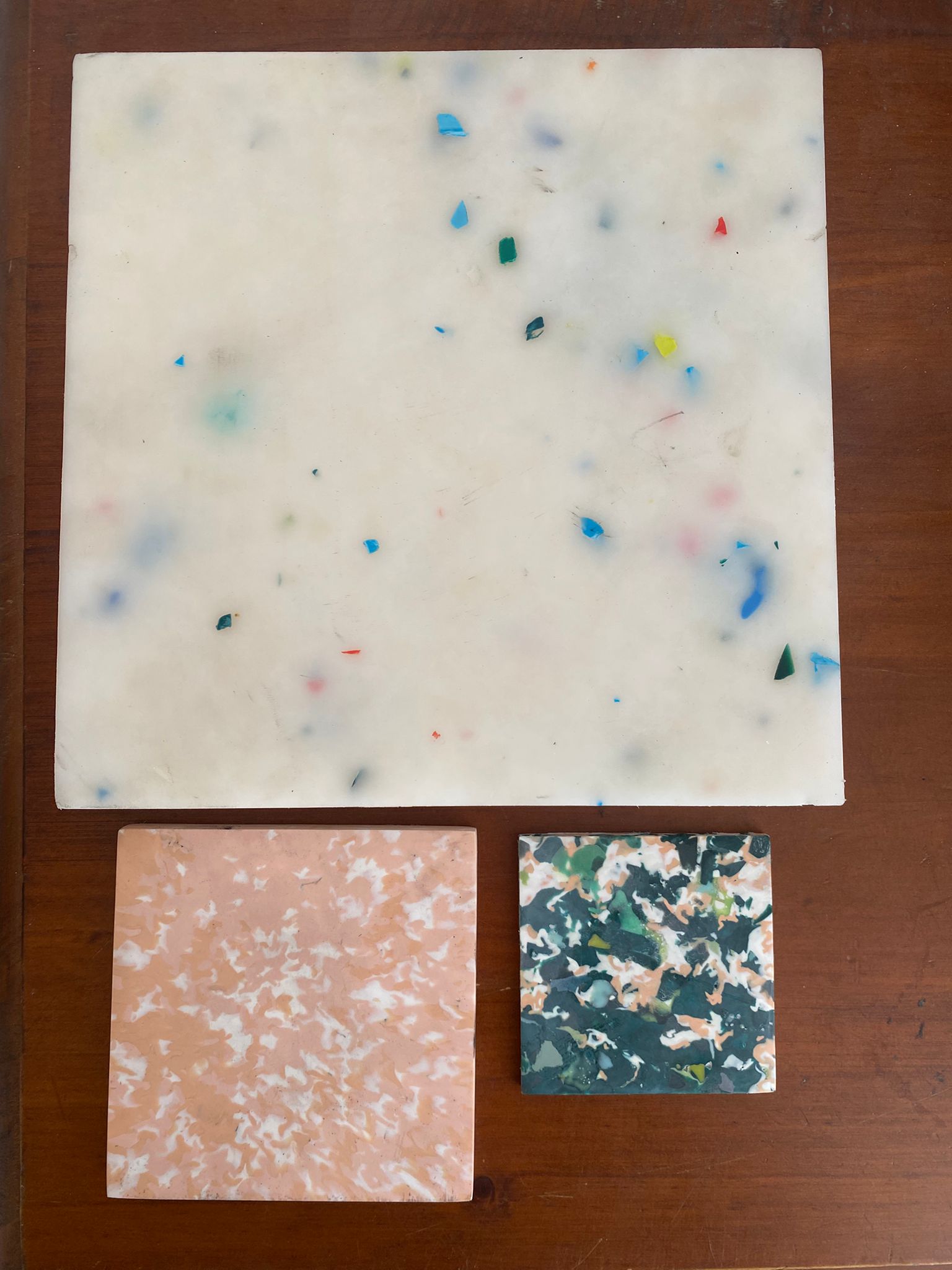
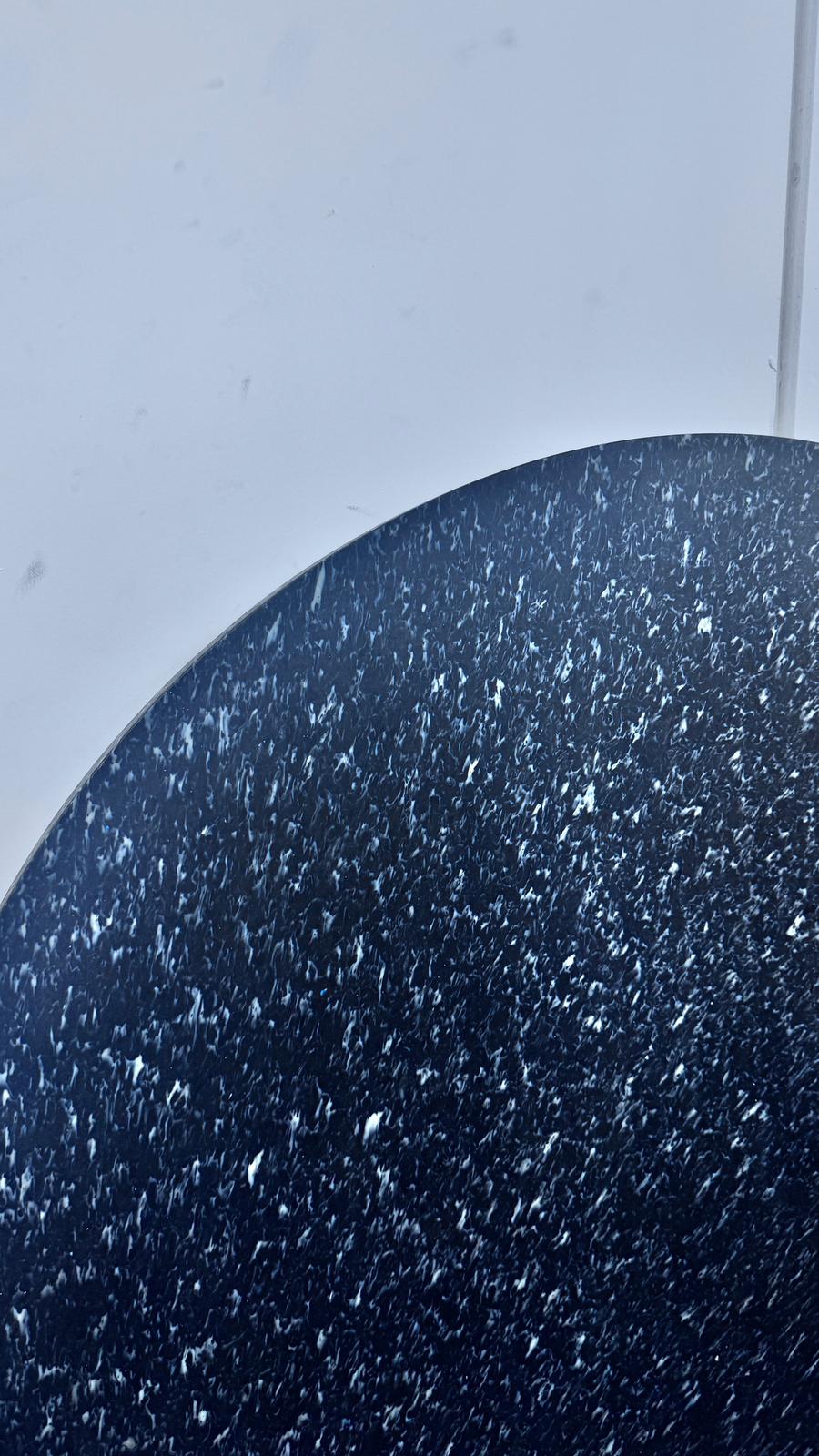
We turn that shredded plastic into durable sheets and boards. These aren't just "functional"; they are designed to meet the aesthetic and structural requirements of modern architecture and engineering.
3. The Take-Back Guarantee (The Real Game-Changer)
This is the part that defines circular procurement. At the end of a project: whether that’s in 2 years or 20: we don't want our materials in your bin. We offer a guaranteed take-back program. We take the boards back, granulate them, and turn them into the next batch of products.
"Circular procurement isn't just a sustainability win; it's a supply chain insurance policy. By keeping materials in the loop, we reduce our reliance on volatile global timber and steel markets." : Jess Hodge, CEO, Resourceful Living
Practical Applications in Modern Infrastructure
Where exactly does circular procurement fit into a project? It’s more versatile than you might think. We’re seeing a massive uptake in:
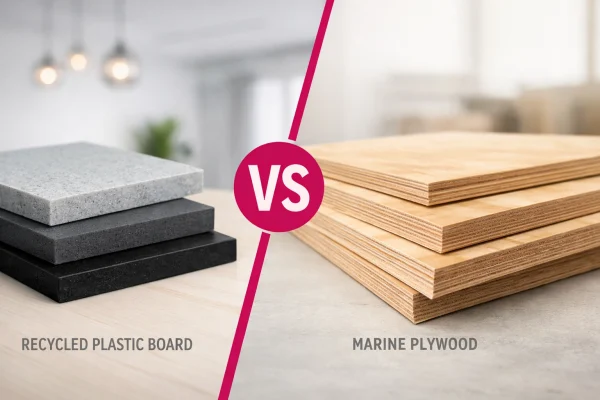
- Construction Hoarding: Replacing single-use plywood with durable, branded recycled panels.
- Modular Construction: Using recycled plastic panels for internal walls and flooring in modular site offices. (See: The Future of Australian Modular Construction).
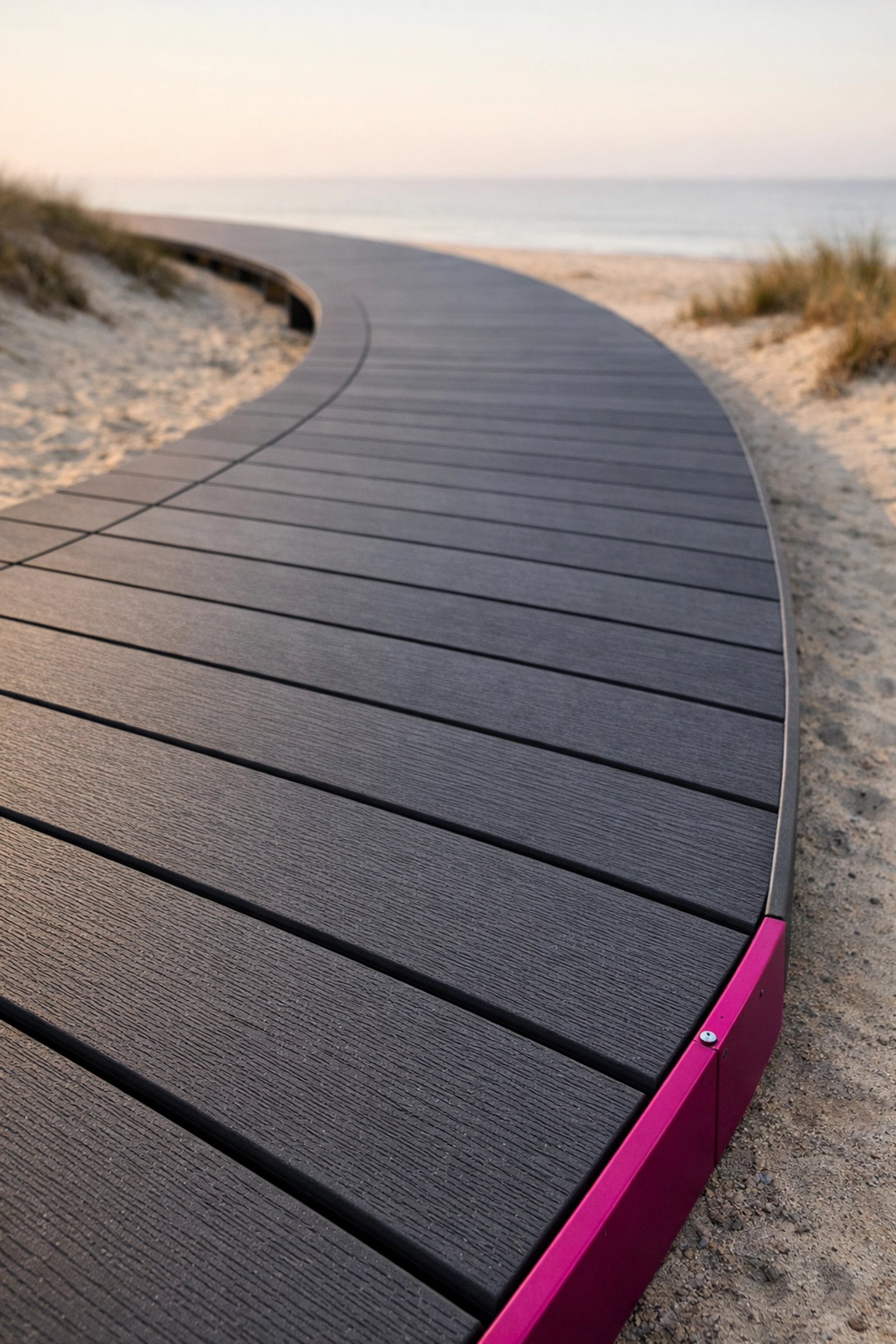
- Public Amenities: Boardwalks, park benches, and fencing that can withstand the Australian sun and salt spray.
- Acoustic Barriers: Utilizing the natural density of recycled plastic to create sound barriers for highways and rail lines.
How to Switch to a Circular Procurement Model
If you're a Project Manager or a Procurement Officer, making the switch can feel daunting. But it doesn't have to happen all at once. Here is a simple 3-step framework to get started:
Step 1: Conduct a Waste Audit
Look at your previous projects. What materials were thrown away at the end? If you spent thousands on timber hoarding that ended up in a skip, that is your first "Circular Opportunity."
Step 2: Update Your Specifications
Change your tender language from "lowest cost" to "lowest lifecycle impact." Require bidders to provide evidence of recycled content and, more importantly, an end-of-life plan.
Step 3: Partner with Local Manufacturers
Skip the long-lead times and high carbon footprint of imported "eco-materials." Partnering with recycled plastic manufacturers in Australia ensures your supply chain is resilient and your environmental impact is actually being felt in your local community.
The Bottom Line
Circular procurement is the bridge between saying you are sustainable and actually being sustainable. It allows infrastructure leaders to meet their ESG goals without sacrificing the quality or durability of their builds.
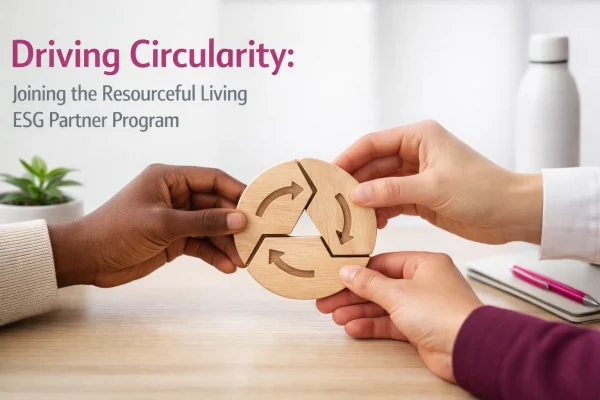
The era of "buy-use-dispose" is ending. Whether it’s through our Closed-Loop ESG Partner Program or simply switching your next batch of site boards to recycled plastic, the time to change your procurement strategy is now.
Infrastructure is built to last. It’s time the materials we use: and the way we buy them: lasted just as long.
Ready to design out waste on your next project? Explore our range of 100% recycled plastic construction materials and see how we can help you close the loop. Reach out to the Resourceful Living team today to discuss your project requirements.