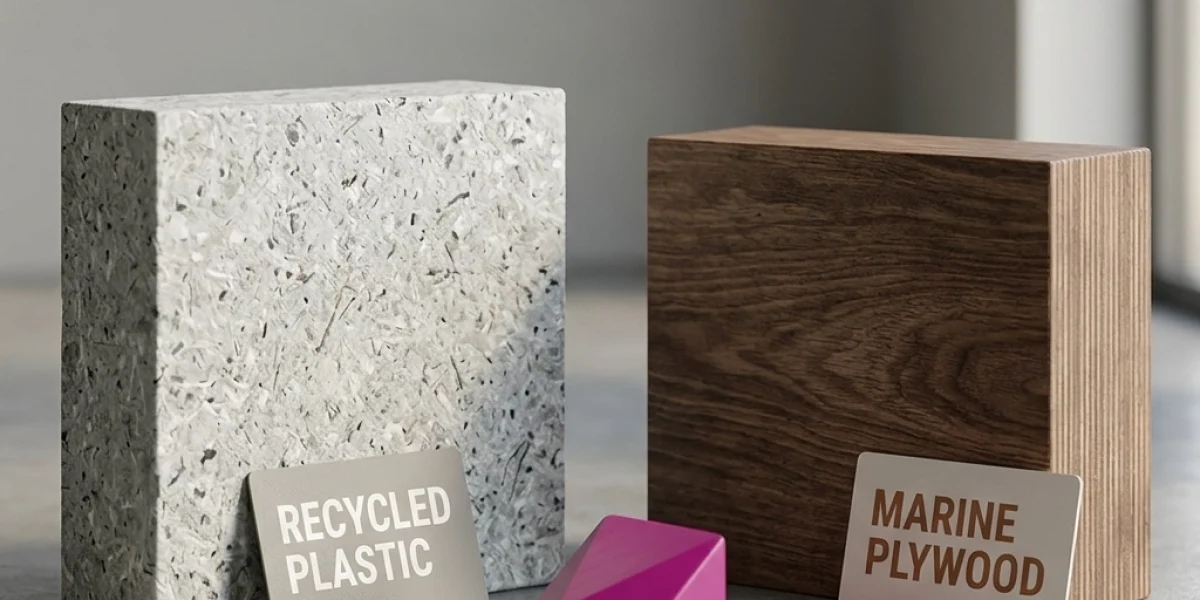
When you’re spec’ing materials for a high-moisture environment: whether it’s a coastal boardwalk, a public park bench, or a marine-grade fit-out: the decision usually comes down to two contenders: Marine Plywood or Recycled Plastic (rHDPE).
On day one, Marine Plywood often wins the procurement battle because of its lower sticker price. But if you’re only looking at the initial invoice, you’re missing 90% of the financial story. 📉
In the industry, we call this the "Timber Trap." It’s the hidden cycle of sanding, staining, rotting, and eventually replacing material that was "cheaper" upfront but becomes a massive liability on the balance sheet within five years.
Today, we’re doing a deep-dive into the Total Cost of Ownership (TCO). We’ll show you why shifting from an OPEX (Operating Expense) mindset to a CAPEX (Capital Expenditure) focus with recycled plastic is the smartest financial move your business can make in 2026.
The Contenders: A Technical Snapshot
Before we hit the numbers, let’s look at what we’re actually comparing.
1. Marine Plywood
Marine-grade plywood is manufactured with waterproof glue (WBP) and high-quality veneers to reduce voids. While it is significantly more durable than standard ply, it remains a cellulose-based product. 🪵
It is inherently susceptible to biological attack, UV degradation, and moisture ingress if the edge seals are compromised. To keep it functional, it requires a rigorous maintenance schedule of sanding and re-sealing every 24 months.
2. Recycled HDPE (Resourceful Living)
Our 100% recycled plastic sheets are manufactured from post-consumer Australian waste. Unlike timber, rHDPE is non-porous and chemically inert. 🧪
It doesn’t absorb water, it doesn’t rot, and it’s completely ignored by termites and marine borers. Because the colour is consistent throughout the entire sheet, it never needs painting or staining.

The 10-Year Math: A 100m² Comparison
To make this comparison fair, let’s look at a typical 100m² installation (such as exterior cladding or a heavy-duty storage solution) in a high-exposure environment.
The Marine Plywood Project (The "Cheap" Route)
- Year 0 (Initial Install): Material ($7,000) + Labour ($5,000) = $12,000
- Maintenance (Years 2, 4, 6, 8, 10): Every two years, you need to sand and reseal. At $1,000 per cycle (labour and materials), that’s $5,000 over the decade.
- The "Mid-Life" Replacement (Year 7): In harsh Australian conditions, even marine ply often hits its limit by Year 7. You’ll face a full replacement: New material ($7,000), Labour ($5,000), and Disposal fees ($1,000). Total: $13,000.
Total 10-Year Cost: $30,000
The Recycled Plastic Project (The "Smart" Route)
- Year 0 (Initial Install): Recycled HDPE material is denser and requires specialized fixings. Material ($9,500) + Labour ($5,500) = $15,000.
- Maintenance: There is no sanding or sealing. A periodic pressure wash is all that’s required. Estimated cost over 10 years: $500.
- Replacement: rHDPE is designed for a 40-50+ year lifespan. There is zero replacement cost within the 10-year window.
Total 10-Year Cost: $15,500
TCO Comparison Table: At a Glance
| Cost Component | Marine Plywood | Recycled HDPE (rHDPE) |
|---|---|---|
| Initial Investment (CAPEX) | $12,000 | $15,000 |
| Maintenance Labour/Materials | $5,000 | $500 |
| Replacement & Disposal (Year 7) | $13,000 | $0 |
| 10-Year Total Cost of Ownership | $30,000 | $15,500 |
| Financial Outcome | The "Timber Trap" | 48% Total Savings |
"The data is clear: While you might pay 25% more on day one, you’re saving nearly 50% over the life of the asset. In many cases, recycled plastic pays for itself by the end of the third year." : Resourceful Living Financial Analysis
Understanding the ROI of the "Extra Spend"
When a project manager sees that $3,000 price gap at the start, it’s tempting to cut it to meet a budget. However, that $3,000 is actually an investment that yields a 480% Return on Investment (ROI) over ten years.
By choosing rHDPE, you are effectively "buying back" your future maintenance time. For local councils and mining sites, this is the difference between moving budget from OPEX to CAPEX to free up labour for more critical tasks.

Why Maintenance-Free Infrastructure Matters in 2026
It’s not just about the dollars on the spreadsheet. There are three critical factors that plywood cannot compete with:
1. Safety and Liability
As plywood ages, it delaminates. This creates trip hazards, splinters, and structural soft spots. In public spaces, this is a major liability. Recycled plastic remains structurally sound and splinter-free for decades, reducing your insurance risk and inspection frequency.
2. Supply Chain Risk
Imported marine plywood is subject to global shipping delays and price volatility. Because Resourceful Living manufactures right here in Australia, we offer a closed-loop solution that keeps your supply chain local and predictable. 🇦🇺
3. ESG and Embodied Carbon
In 2026, winning government tenders requires more than just a low bid. You need to prove your environmental impact. Replacing a "disposable" material like plywood with a long-life, 100% recycled product drastically improves your embodied carbon reporting.
Implementation Guide: How to Make the Switch
If you’re ready to stop the "timber trap" cycle on your next project, follow these five steps to ensure a successful transition:
- Run a Waste Audit: Identify which of your current timber assets are failing the fastest. These are your primary candidates for rHDPE replacement.
- Adjust the Fixings: Remember that plastic expands and contracts more than timber. Use oversized holes or expansion-friendly hardware. Check our Technical Specifier's Guide for exact tolerances.
- Factor in Labour Savings: When presenting the budget to stakeholders, highlight that you are removing five maintenance cycles from the books.
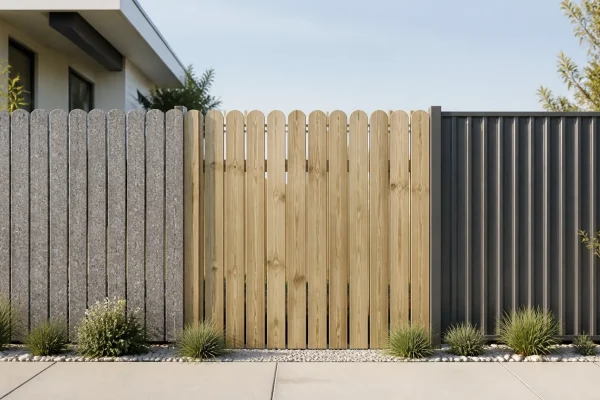
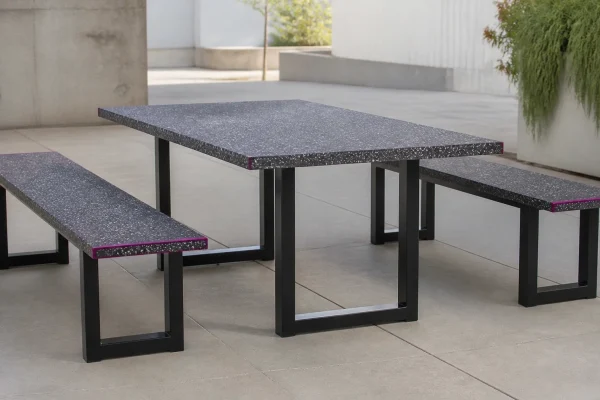
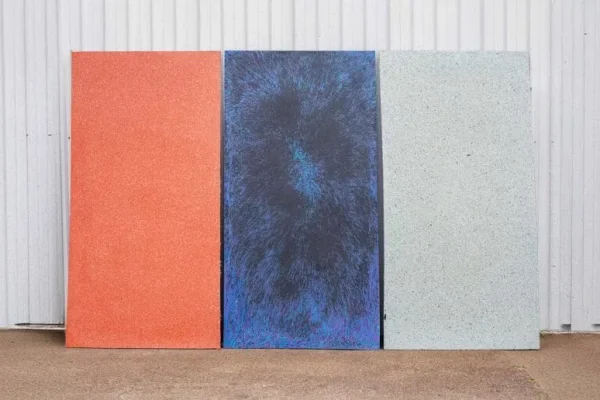
- Leverage the Aesthetic: Recycled plastic doesn't have to look industrial. From white confetti finishes to marble effects, you can achieve a high-end look without the high-end maintenance.
- Plan for End-of-Life: Even though rHDPE lasts 40+ years, ensure you’re part of a take-back program. Our sheets are 100% recyclable, meaning they never have to see a landfill.

The Bottom Line
Choosing between recycled plastic and marine plywood isn't a choice between two materials: it’s a choice between two different business models.
One model (Plywood) relies on constant intervention, recurring costs, and eventual waste. The other (rHDPE) relies on durability, efficiency, and long-term value.
If you're tired of seeing timber cost your project 5x more over 10 years, it's time to run the numbers for yourself.
Ready to see the samples? Explore our range of 100% recycled Australian plastic sheets and let’s build something that actually lasts.