The Australian construction landscape is undergoing a massive shift. If you’ve spent any time on a Tier 1 site lately or sat through a design review for a new precinct, you’ve likely heard the buzz around sustainable construction materials in Australia.
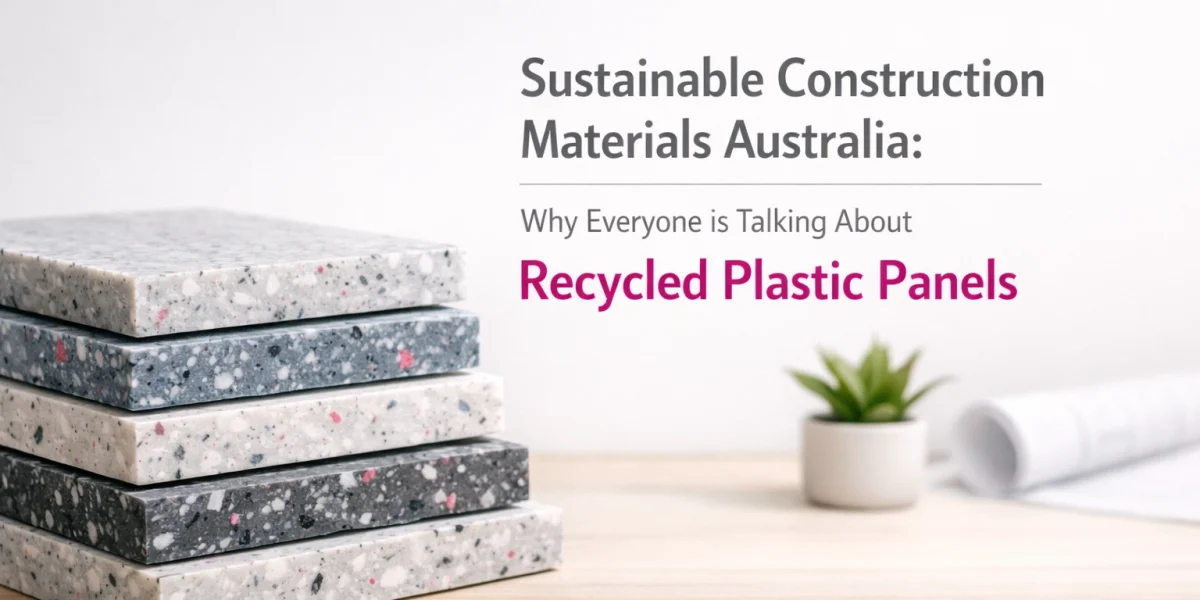
It’s no longer just a “nice-to-have” or a box to tick for a Green Star rating. With Australia generating roughly 3.4 million tonnes of plastic waste annually: and only a fraction being recycled: the built environment is under immense pressure to pivot. Architects and developers are moving away from traditional timber, concrete, and virgin plastics in favour of high-performance, 100% recycled HDPE (High-Density Polyethylene) panels.
But why now? And why this specific material? Let’s look at the data, the durability, and the circular economy driving this revolution.
The Waste Problem Meets the Built Environment
For decades, the construction industry has relied on “take-make-waste” materials. Timber rots, concrete cracks and carries a massive carbon debt, and virgin plastic adds to a global crisis. In Australia, our built environment sector contributes approximately 18% of the country’s total carbon footprint.
The shift toward recycled plastic panels isn’t just about being “green”; it’s about industrial efficiency. When we transform post-industrial and post-consumer waste into structural panels, we aren’t just diverting waste from landfills: we are locking that carbon into a long-life asset.
“Producing plastic from recycled materials saves approximately 88% of the energy required to manufacture it from virgin sources. For Tier 1 builders, this is the lowest-hanging fruit for Scope 3 emissions reduction.”
Why 100% Recycled HDPE?
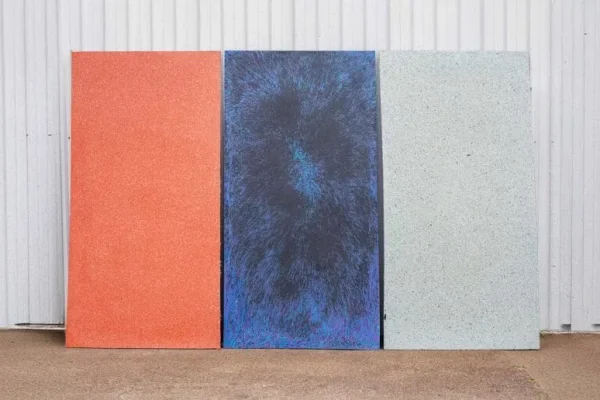
Not all “recycled” materials are created equal. At Resourceful Living, we focus on 100% recycled HDPE. This material is the workhorse of the circular economy. It’s the same stuff used in milk crates and detergent bottles, but when remanufactured through sophisticated moulding and heat-pressing, it becomes a dense, versatile, and virtually indestructible building board.
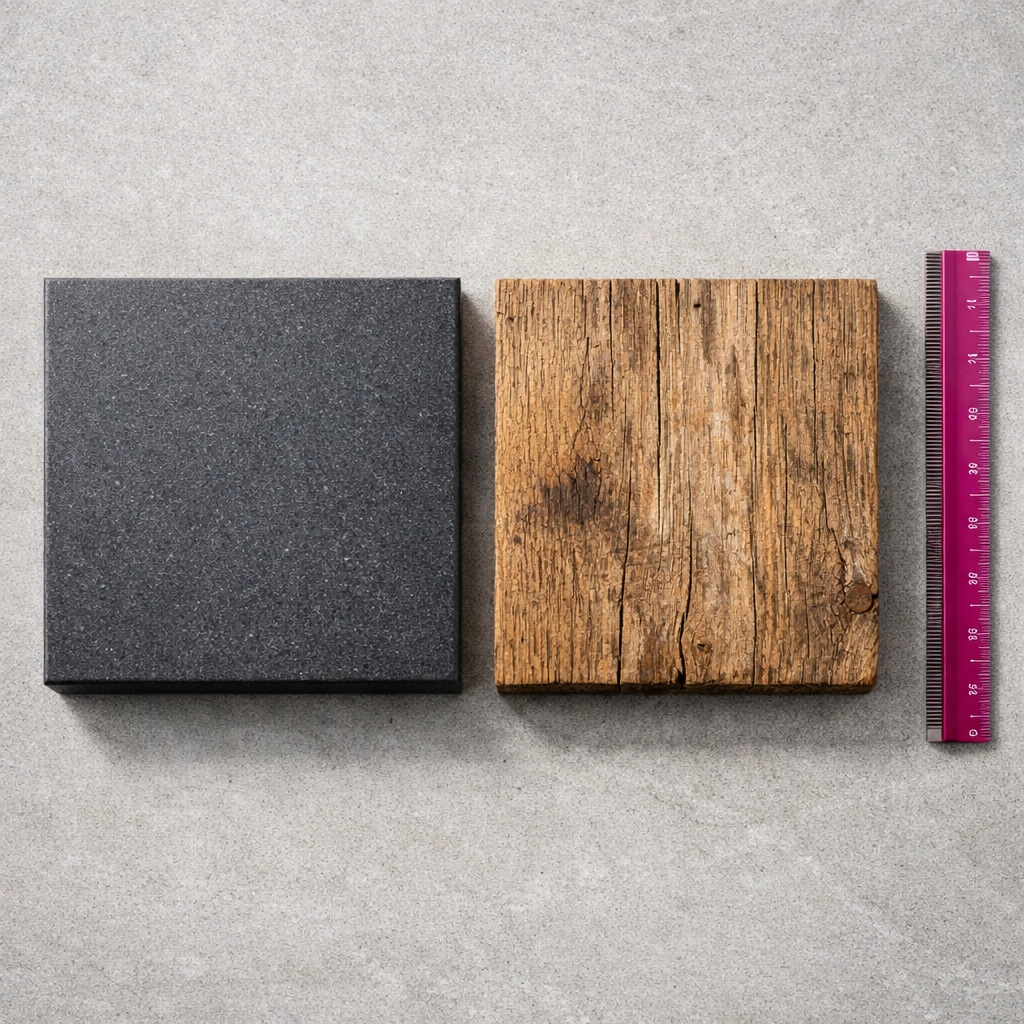
Performance Breakdown: Recycled HDPE vs. Traditional Materials
When comparing sustainable construction materials in Australia, you have to look at the total cost of ownership, not just the upfront price.
| Feature | 100% Recycled HDPE | Timber (Hardwood) | Concrete |
|---|---|---|---|
| Maintenance | Zero (no painting/oiling) | High (sanding/staining) | Moderate (sealing/cleaning) |
| Moisture Resistance | 100% Waterproof | High Risk of Rot | Porous (can spall) |
| Carbon Footprint | Low (88% energy saving) | Moderate (transport/harvest) | High (calcination) |
| End-of-Life | 100% Recyclable | Landfill/Incineration | Landfill/Downcycled |
| Workability | Like wood (CNC/Saw) | Standard | Specialist Tools |
Key Benefits for Architects and Tier 1 Builders
1. Durability in Harsh Australian Climates
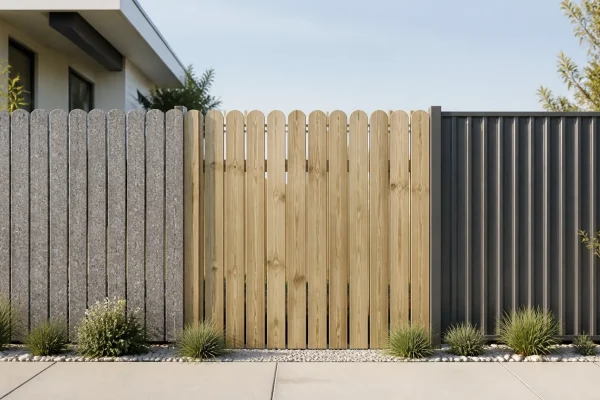
Whether it’s the high UV index in Queensland or the moisture-heavy environments of coastal NSW, traditional materials struggle. Recycled plastic panels are UV-stabilised and won’t split, warp, or crack under thermal expansion. This makes them ideal for everything from hoardings and acoustic barriers to external cabinetry.
2. Ease of Use (Workability)
One of the biggest hurdles for new materials is the learning curve for trades. Recycled HDPE panels solve this because they are workable just like timber.
- ✅ Can be cut with standard circular saws.
- ✅ Can be drilled and routed.
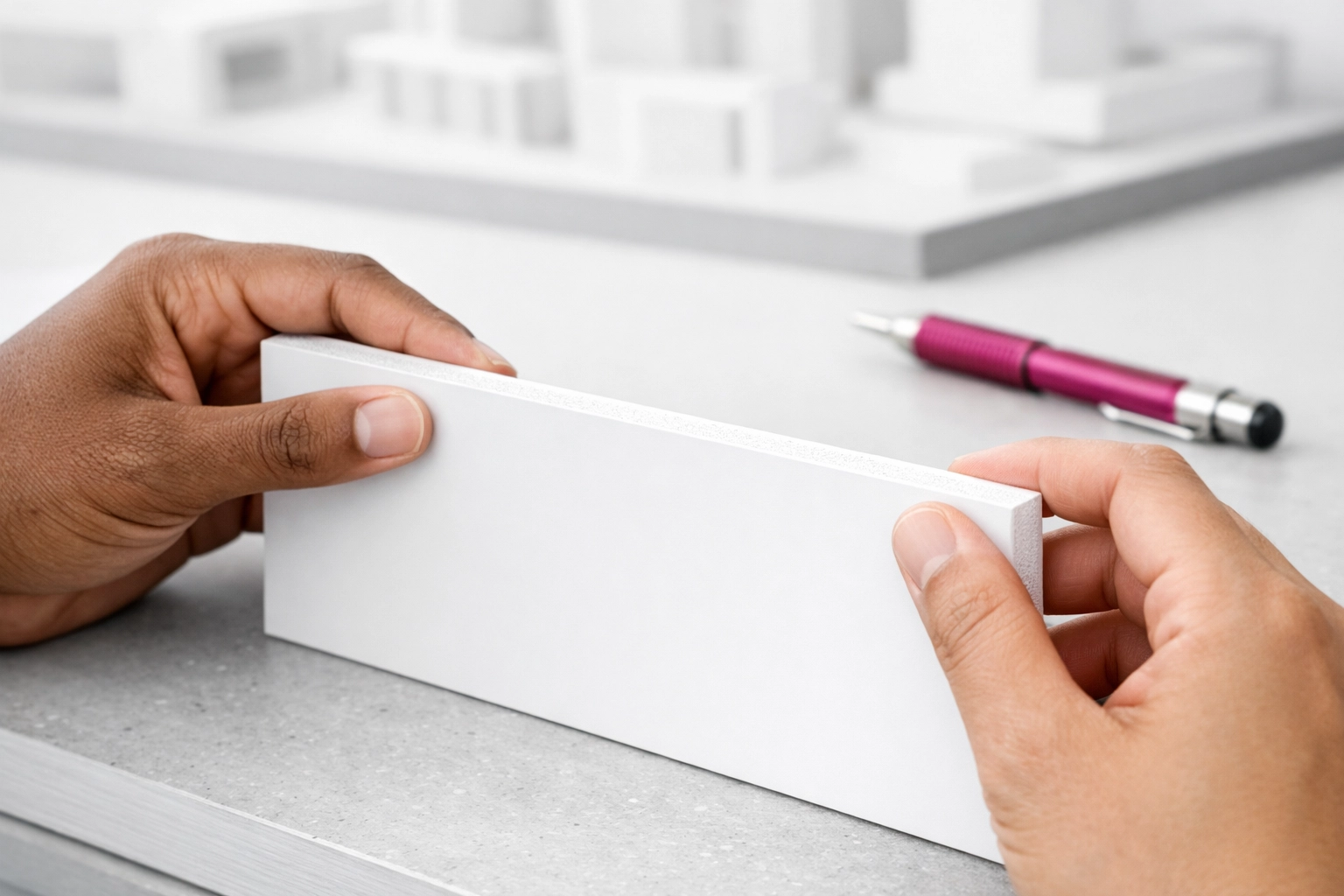
- ✅ Compatible with CNC machining for intricate architectural designs.
- ✅ No specialist PPE required for silica dust (unlike some composite boards).
For a deeper dive into the technicalities of using these boards, check out our guide on buying recycled plastic panels: what you need to know.
3. Circular Economy and ESG Reporting
Tier 1 developers are now being judged on their ESG (Environmental, Social, and Governance) performance. Specifying 100% recycled panels provides a clear, data-backed metric for waste diversion.
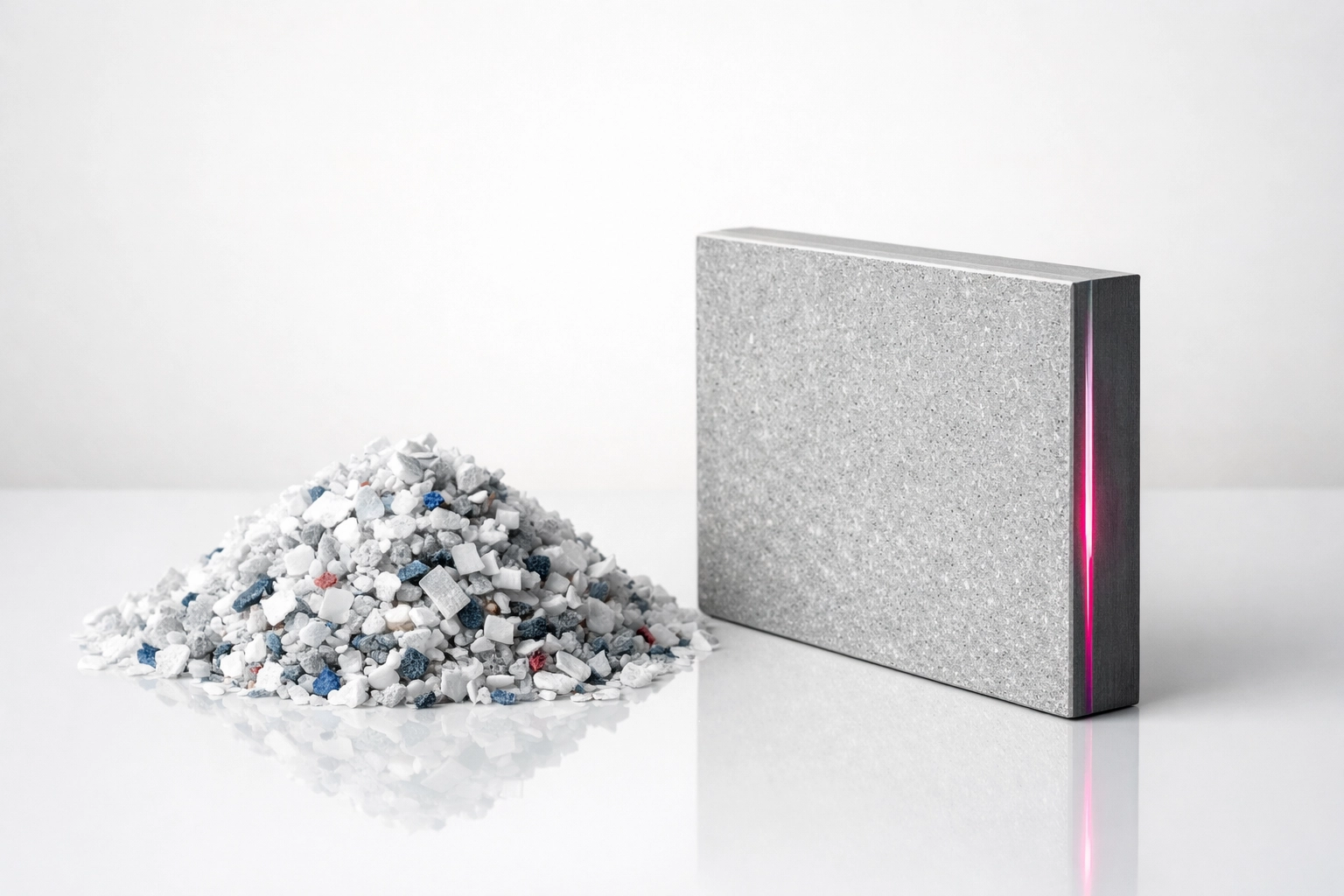
At Resourceful Living, we operate a closed-loop manufacturing process in Australia. When a project reaches its end-of-life: say, 20 or 30 years from now: those panels can be returned to us, granulated, and turned back into brand-new panels. This is the definition of a recycled plastic circular economy.
Real-World Applications in Modern Construction
We are seeing a massive uptake of these panels in sectors that previously relied on plywood or marine-grade MDF.
- Temporary Infrastructure: Hoardings, site signage, and protective flooring that can be reused across multiple projects.
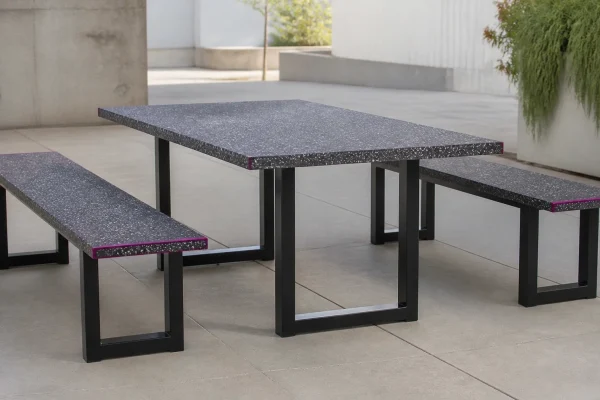
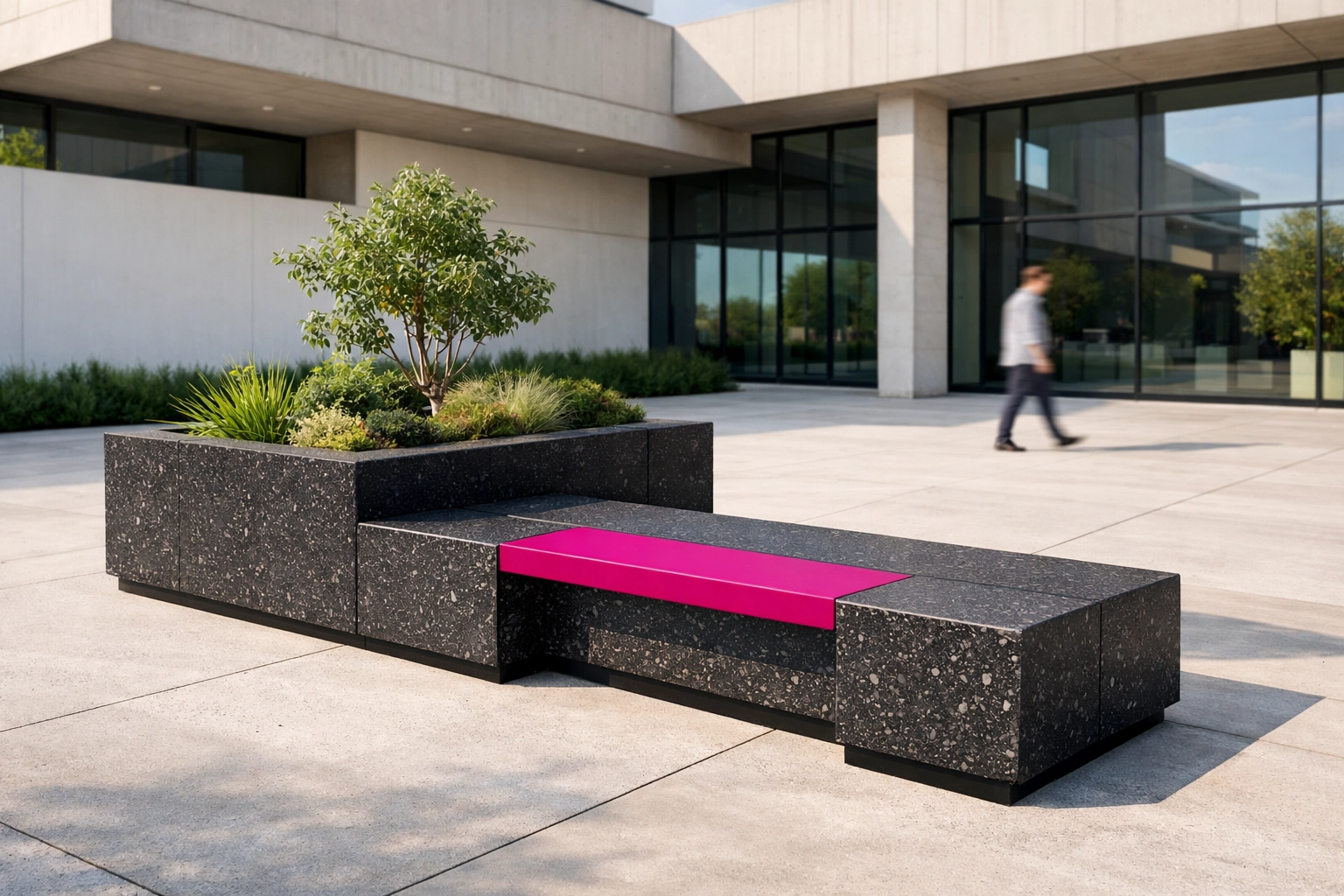
- Public Amenities: Vandal-resistant bathroom partitions, locker systems, and outdoor furniture for parklands.
- Infrastructure: Sound barriers and erosion control components.
- Commercial Fit-outs: Kitchen carcasses and retail displays where moisture resistance is critical.
If you’re unsure how these panels stack up against other materials in terms of longevity, read our comparison on recycled plastic vs timber vs steel cost and lifespan.
Specifying for Success: The Professional Edge
For architects and specifiers, the devil is in the detail. You need to ensure the material you’re choosing meets the structural and safety requirements of the Australian Building Code.
We’ve developed a Specifier Guide to help streamline this process. It covers everything from thermal expansion coefficients to fastener pull-out strength.
Common Mistakes to Avoid
When moving toward sustainable construction materials in Australia, many firms fall into common traps: like choosing “recycled-content” products that are actually 70% virgin plastic, or failing to account for the thickness needed for structural loads. You can avoid these pitfalls by reviewing our list of 5 common mistakes when buying sustainable building materials.
The Economic Case for Sustainability
Let’s talk numbers. While the initial procurement cost of a 100% recycled HDPE panel might be higher than a cheap sheet of formply, the Life Cycle Costing (LCC) is where the “sustainable construction materials Australia” keyword truly earns its keep.
- Reduced Labour: No need for ongoing painting, sealing, or remedial repairs.
- Disposal Savings: Avoid high landfill levies at the end of a project’s life.
- Procurement Incentives: Many government contracts now mandate a minimum percentage of recycled content, giving firms that use these materials a competitive edge.
To understand how this impacts your bottom line, take a look at how to reduce landfill costs with circular procurement.
How to Get Started
The transition to a more sustainable built environment doesn’t have to happen overnight. It starts with one specification, one pilot project, and one conscious choice to move away from virgin materials.
Your Implementation Checklist:
- Identify High-Moisture/High-Traffic Areas: Start by replacing timber or MDF in areas prone to rot or damage.
- Check the Thickness: Ensure you choose the right thickness for your project to ensure structural integrity.
- Verify the Source: Ensure your manufacturer is actually recycling Australian waste. Local manufacturing reduces “transport carbon” and supports the local economy.
- Close the Loop: Partner with a supplier that has a clear take-back scheme.
Final Thoughts
The demand for sustainable construction materials in Australia is only going one way. As more architects realise that 100% recycled HDPE isn’t just a “green alternative” but a superior engineering material, the shift from timber and concrete will accelerate.
We’re not just making panels; we’re helping the Australian building industry solve its plastic problem while creating assets that last for generations.
Ready to specify recycled plastic for your next project?
Explore what happens behind the scenes of our process or get in touch with our team at Resourceful Living to request a sample pack and our full Specifier Guide.
Let’s build something that actually lasts.