When you're designing a kitchen, bathroom, or laundry, the stakes are higher than a standard dry-room fit-out. You’re not just fighting against aesthetic trends; you’re fighting against moisture, humidity, and constant temperature fluctuations.
For decades, timber has been the default "premium" choice. We love the warmth, the grain, and the tradition. But as we move toward Circular Construction 2026, builders and homeowners are asking a critical question: Is timber actually the best material for high-moisture environments, or are we just stuck in an expensive cycle of maintenance?
In this deep-dive recycled plastic vs timber comparison, we’ll break down the technical performance of both materials so you can make an informed decision for your next wet area project.
The Moisture Problem: Why Timber Struggles
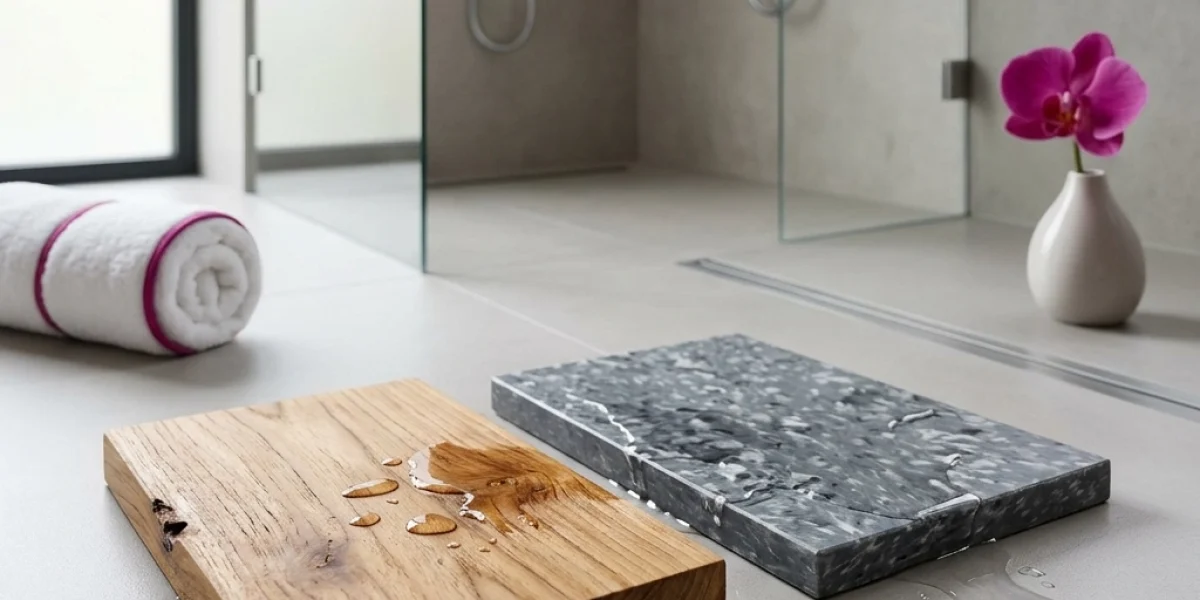
Timber is a biological material. By its very nature, wood is porous and designed to transport water. Even after it’s been felled, dried, and treated, it retains its hygroscopic properties, meaning it continues to absorb and release moisture from the air.
In a bathroom or kitchen, this is a recipe for disaster. When timber absorbs moisture, it swells. When it dries out, it shrinks. This constant movement leads to:
- Checking and Cracking: The structural integrity of the wood fibers begins to fail.
- Warping and Cupping: Panels lose their flat profile, making them look dated and creating gaps where even more water can hide.
- Rot and Decay: Once moisture is trapped, fungal growth begins. Even "treated" timber has a shelf life in wet areas.

Expert Insight: In wetland areas and high-humidity coastal zones, pressure-treated timber is especially vulnerable. It’s not uncommon to see wood planks warp and rot within the first 5–10 years if the sealing isn't maintained with military precision.
The 100% Recycled Plastic Solution: Moisture-Proof by Design
Unlike timber, 100% recycled plastic panels (specifically those made from HDPE or LDPE) are non-porous and inert. They don’t "breathe" in the way wood does, which, in a wet area, is a massive advantage.
When we manufacture our sheets at Resourceful Living, we are creating a solid, high-density material that is completely waterproof. It doesn't matter if you submerge it, blast it with steam, or leave it in a puddle: the material remains stable.
Key Performance Benefits of Recycled Plastic:
- Zero Water Absorption: It cannot rot or swell. This makes it ideal for cabinetry carcasses, vanities, and even shower wall linings.
- Mould and Mildew Resistance: Fungi need organic matter and moisture to grow. Recycled plastic offers no food source for mould, keeping your wet areas more hygienic.
- Frost and Heat Resistant: It handles the temperature swings of a hot shower followed by a cold morning without cracking.
If you’re wondering how this stacks up against other structural options, check out our guide on recycled plastic vs concrete for structural projects.
Maintenance Comparison: The "Hidden" Cost of Timber
When you look at the upfront price tag, timber (especially treated pine) often looks cheaper. However, the Total Cost of Ownership (TCO) tells a different story.
The Timber Maintenance Schedule
To keep timber looking decent in a wet area, you’re looking at:
- Annual Sealing/Oiling: To prevent water ingress.
- Sanding and Refinishing: Every 3–5 years to remove surface mould and discoloration.
- Replacement: Usually within 10–20 years depending on the timber grade.
The Recycled Plastic Maintenance Schedule
- Wipe with a damp cloth.
- That’s it.
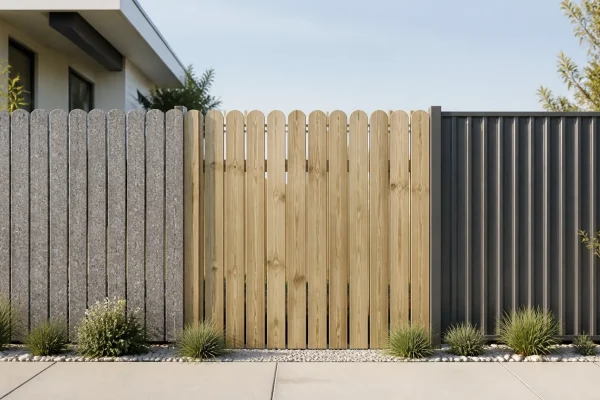
A local builder recently reported that after switching from timber fencing to recycled plastic, maintenance costs dropped by over 70% in just three years. The same logic applies to your indoor fit-outs. Why spend your weekends sanding back a vanity when you could use a material that looks like a designer surface but acts like a shield?
For more on choosing the right look for your project, see our advice on how to choose the best recycled plastic benchtops.
Durability and Longevity: A 50-Year Material
In the world of construction, we usually think in 10-year cycles. But as we transition to a circular economy, we need to think bigger.
- Timber Lifespan: 10–20 years in wet areas (with care).
- Recycled Plastic Lifespan: 50+ years with virtually no upkeep.
This longevity is why we’re seeing a massive trend in Australian councils and schools replacing rotting timber structures with recycled plastic. It’s a "set and forget" material. You can read more about this in our case study on replacing rotting timber with maintenance-free recycled plastic.
Aesthetics: Does Plastic Look "Cheap"?
This is the biggest hurdle for most designers. We’ve been conditioned to think "plastic" means "flimsy, white, and disposable."
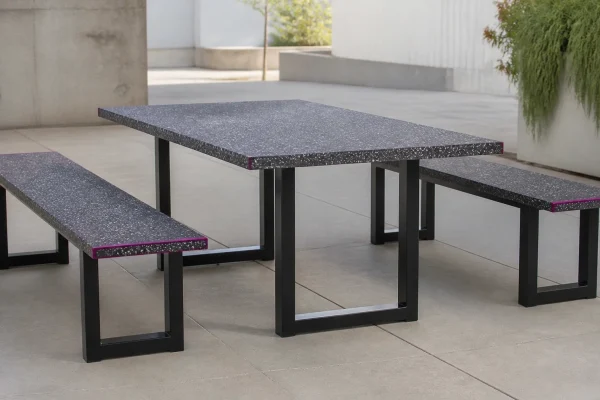
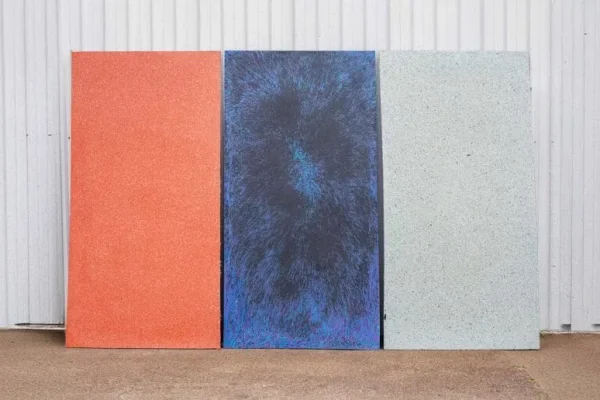
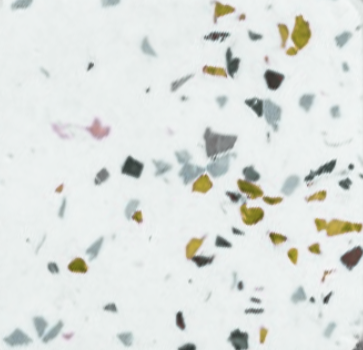
Modern manufacturing has changed that. Resourceful Living’s recycled plastic sheets come in stunning finishes, from the 'N70 White Confetti' to deep, marbled 'Navy and White' tones. These panels don't try to look like fake wood: they celebrate their own unique, terrazzo-like aesthetic.
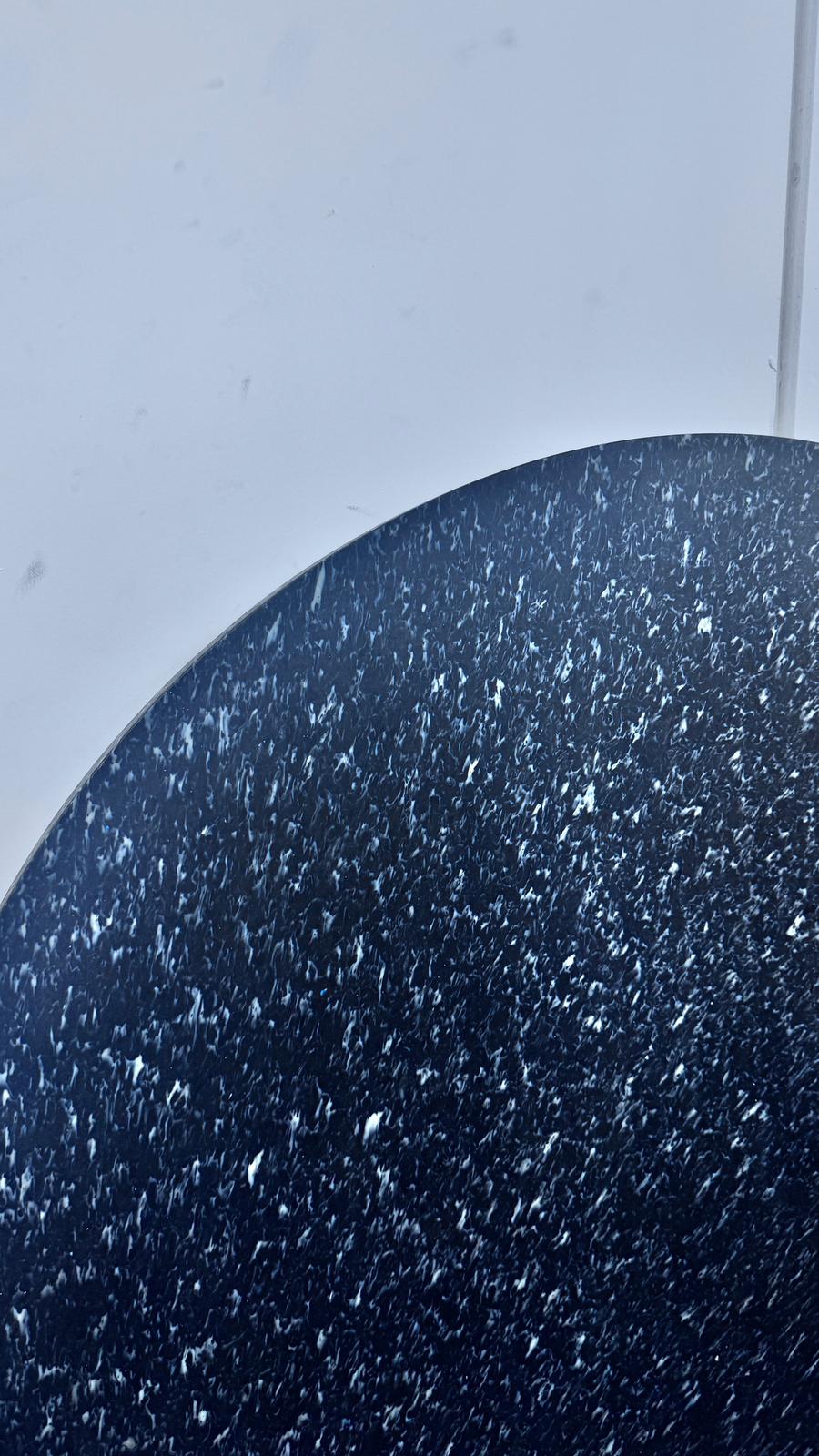
The result is a surface that feels premium, solid, and incredibly durable. It’s the reason the next generation of Aussie builders is picking plastic over timber.
Environmental Impact: Closing the Loop
Choosing recycled plastic isn't just a performance decision; it’s an environmental one.
- Timber: While renewable, the processing, transport, and chemical treatments (like CCA) have a significant carbon footprint. Often, timber used in Australian fit-outs is imported or sourced from high-impact forestry.
- Recycled Plastic: We take Australian plastic waste: the stuff that usually ends up in landfill: and turn it into a high-value building material.
By choosing recycled plastic, you are directly supporting circular construction. You are essentially "mining" our waste stream to build your bathroom. Plus, at the end of its 50-year life, our panels can be taken back and recycled again. It’s a truly closed-loop system.
Recycled Plastic vs Timber: The Quick Verdict
| Feature | Timber | 100% Recycled Plastic |
|---|---|---|
| Water Resistance | Low (absorbs moisture) | Extreme (100% waterproof) |
| Maintenance | High (sanding, oiling, sealing) | Zero (wipe clean) |
| Lifespan | 10–20 years | 50+ years |
| Mould Resistance | Poor | Excellent |
| Upfront Cost | Lower (~$55/m²) | Slightly Higher (~$75/m²) |
| Lifetime Cost | High (due to maintenance/replacement) | Very Low |
Summary: Which Should You Choose?
If you are working on a dry-room project where the warmth of real wood grain is non-negotiable and maintenance is easy, timber is a beautiful choice.
However, for wet area fit-outs: kitchens, laundries, bathrooms, and outdoor kitchens: recycled plastic is the clear winner. The slightly higher upfront cost is recovered almost immediately through the lack of maintenance and the extreme lifespan of the material.
Ready to future-proof your next project?
The shift toward sustainable, durable materials is happening now. If you're a builder or developer, getting ahead of these trends is the best way to meet recycled content targets and win tenders.
Your Action Plan:
- Review your material list: Identify areas where moisture is a high risk (e.g., vanity carcasses, kickboards, laundry benchtops).
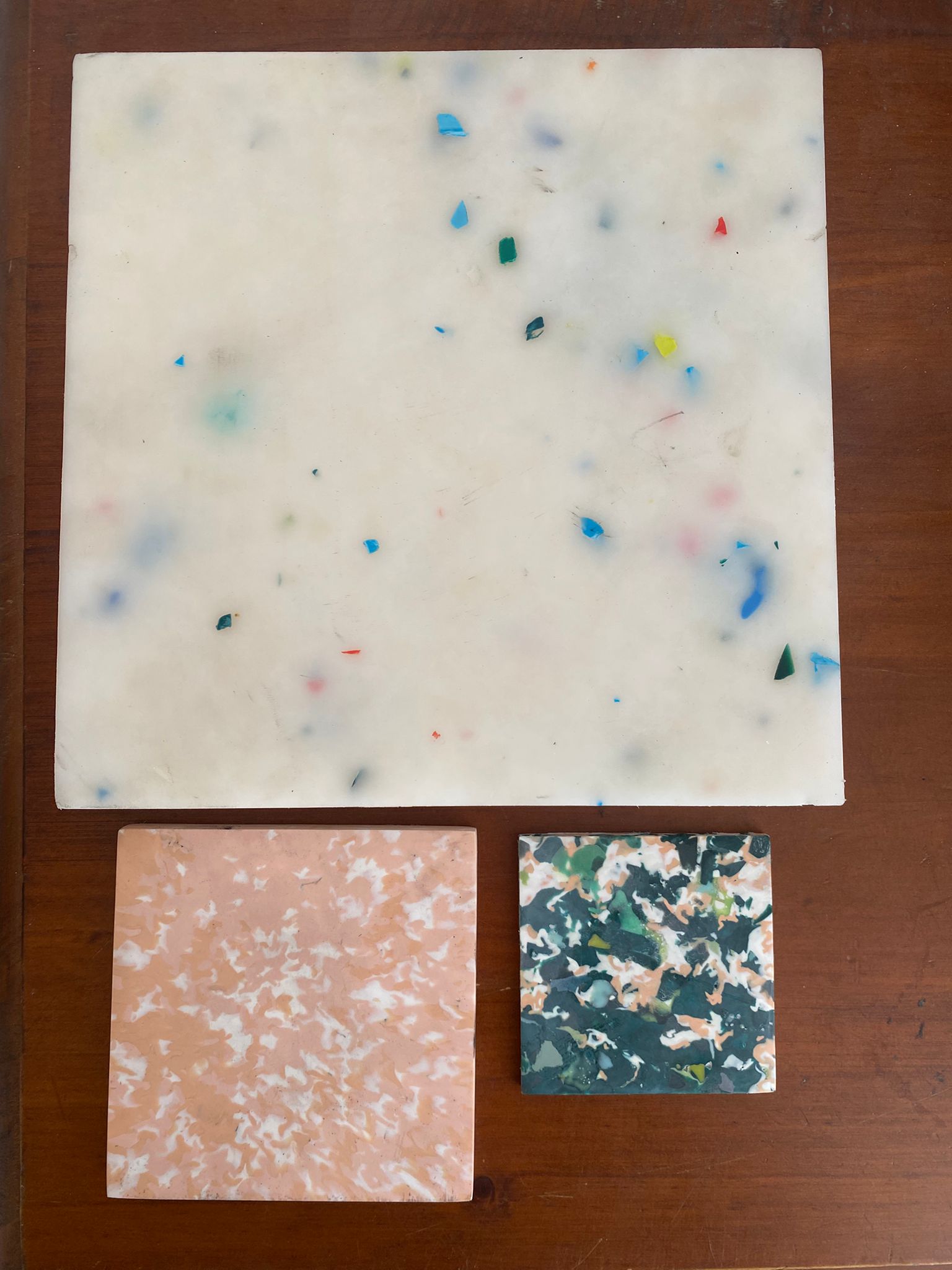
- Compare the samples: Order a sample of our recycled plastic sheets to feel the weight and durability for yourself.
- Specify for longevity: Use our ultimate guide to specifying recycled plastic sheets to ensure your project meets the highest standards of circularity.
Don't let your hard work rot away. Choose a material that’s built for the Australian environment and the future of our planet.