In 2026, the Australian construction landscape has shifted. If you’re a builder or developer, you’ve likely noticed that price and timeline are no longer the only metrics for winning tenders. Government and large-scale commercial projects now demand a clear, measurable commitment to sustainability.
Meeting recycled-content targets isn't just about "doing the right thing" anymore; it’s a strategic requirement for staying competitive. Whether it’s a new school, a public park, or a modular residential development, the ability to prove you are using high-quality recycled plastic construction materials can be the difference between a winning bid and a "thank you, but no."
At Resourceful Living, we help builders navigate this transition. We aren't just recycled plastic manufacturers in Australia; we are your partners in the circular economy. Here is our 5-step guide to meeting your targets and securing your next big contract.
Step 1: The Discovery Phase – Understand the Tender Requirements
Every project starts with a goal. For modern tenders, this often involves a specific percentage of recycled content or a target for embodied carbon reduction. Before you lay a single brick (or panel), you need to conduct a thorough analysis of what is being asked.
In the Discovery Phase, we work with builders to audit the material needs of the project. Are you looking for moisture-resistant hoardings? Durable public furniture? Or perhaps sustainable fit-out materials for a commercial lobby?
Understanding Australia’s new embodied carbon rules is critical here. By identifying where traditional, high-carbon materials can be replaced with 100% recycled plastic sheets, you set a baseline that makes the rest of your procurement process much simpler.
Pro Tip: Don’t wait until the procurement stage. Include your recycled material strategy in the initial design proposal to demonstrate forward-thinking leadership to the client.
Step 2: Identify "Quick Win" Material Swaps
You don’t need to reinvent the wheel to hit your targets. The most efficient way to increase your recycled content percentage is to identify "Quick Win" opportunities: swapping high-impact, traditional materials for sustainable alternatives.
One of the most effective swaps is replacing marine plywood or treated timber with recycled plastic panels. Unlike timber, our panels are impervious to water, rot, and termites, making them ideal for coastal or high-traffic projects.
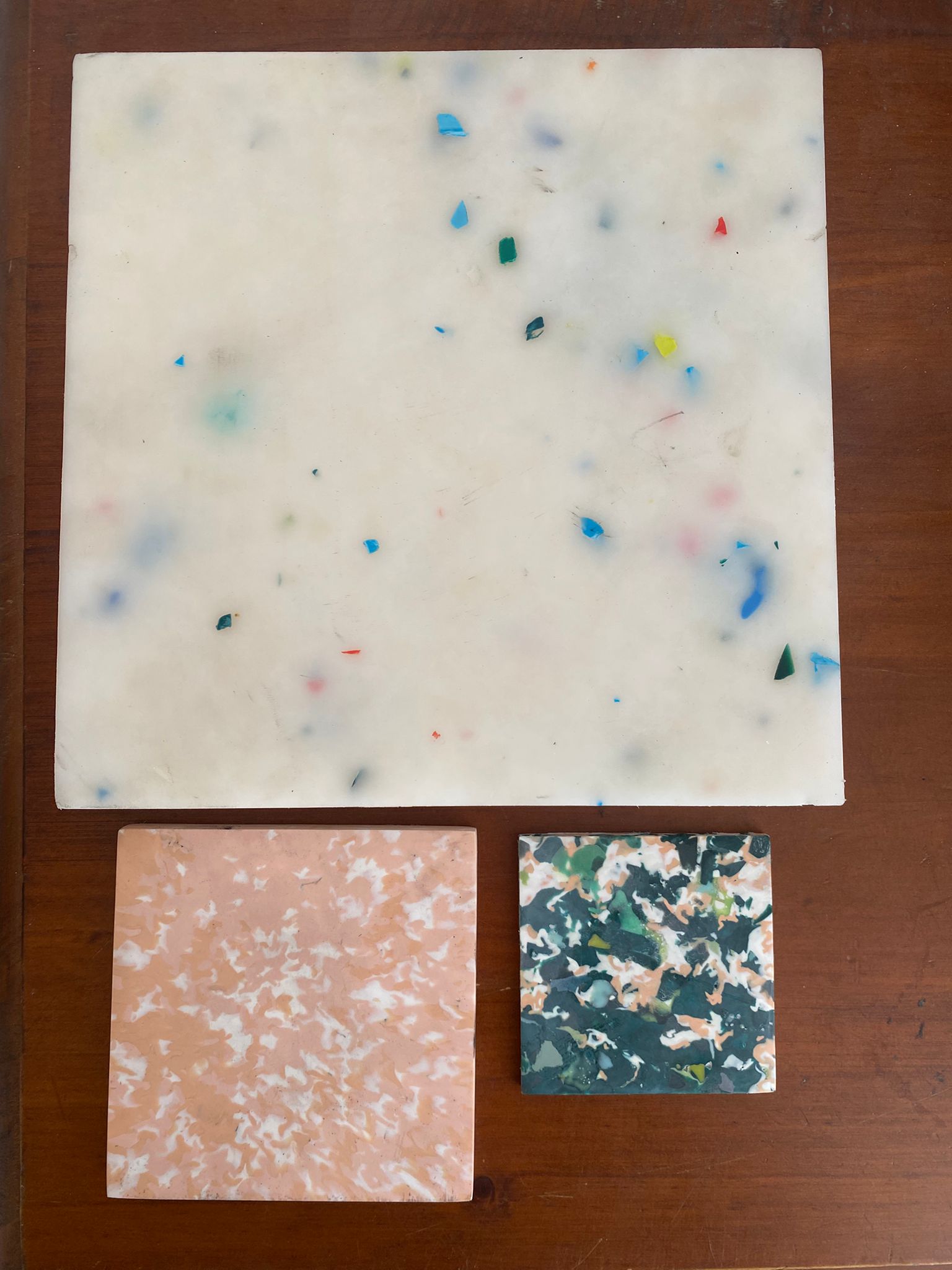
Why builders are making the switch:
- Durability: No warping, splintering, or painting required.
- Compliance: Our materials directly contribute to your recycled-content data.
- Versatility: From cabinetry to wall cladding, the applications are endless.
Check out our comparison on recycled plastic board vs marine plywood to see the technical data for yourself.
Step 3: Source Local to Eliminate Supply Chain Risk
In the current global climate, sovereign capability is a major plus for tender evaluators. Sourcing from recycled plastic manufacturers in Australia doesn't just lower your carbon footprint by reducing transport miles; it also secures your supply chain.
At Resourceful Living, we have a manufacturing capacity of 1 tonne per day. This means we can scale with your project needs, ensuring you aren't left waiting for international shipments to arrive.
The Resourceful Living Advantage:
- 100% Australian Waste: We use post-consumer and post-industrial plastic diverted directly from Australian landfill.
- Traceability: We can tell you exactly where your materials came from, providing the transparency that government tenders require.
- Speed: Local manufacturing means faster lead times and easier site delivery.
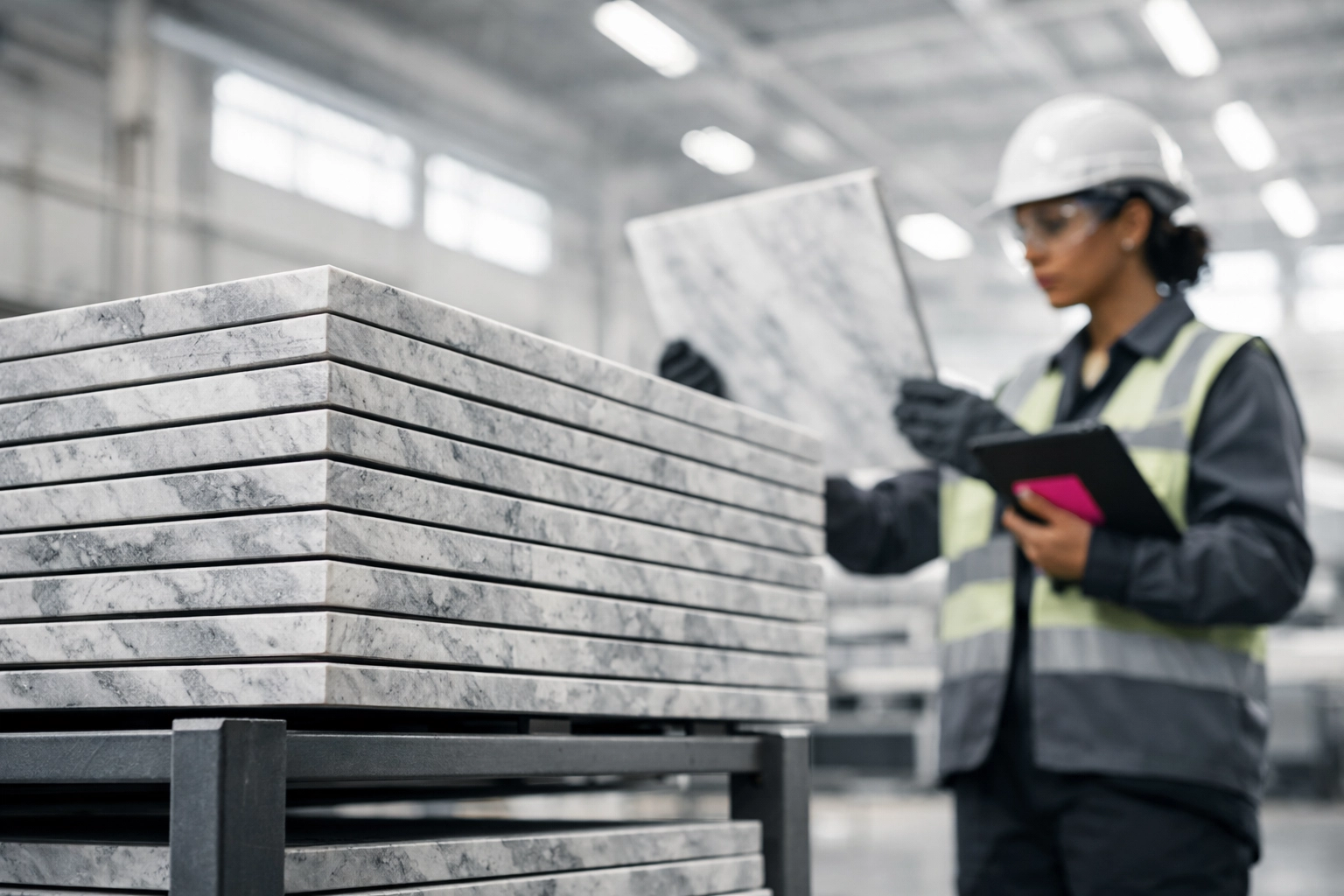
Using local materials is a powerful narrative in any tender. It shows you are supporting the Australian circular economy and creating local jobs, which are often key scoring criteria in social procurement frameworks.
Step 4: Integrate with your ESG and NABERS Strategy
Winning a tender is the first step; delivering on your promises is the second. To satisfy modern reporting requirements, you need data.
This is where the ESG (Environmental, Social, and Governance) aspect comes into play. By choosing materials that are part of a Closed-Loop ESG Partner Program, you gain access to the metrics you need for client reporting and certification.
Key benefits of integration:
- NABERS Ratings: Using low-carbon, recycled materials helps improve the overall energy and environmental performance of the building. Learn more about integrating recycled panels with NABERS.
- Waste Audits: We can help you track the volume of plastic diverted from landfill for your specific project.
- Tender Reporting: Having an EPD (Environmental Product Declaration) for your materials simplifies the compliance process. If you're new to this, read our EPDs 101 guide.
Step 5: Implement an End-of-Life Recycling Plan (The Buy-Back)
The final piece of the puzzle: and often the most overlooked: is what happens to the material at the end of its life. A truly circular project doesn't just use recycled content; it ensures that content never returns to the landfill.
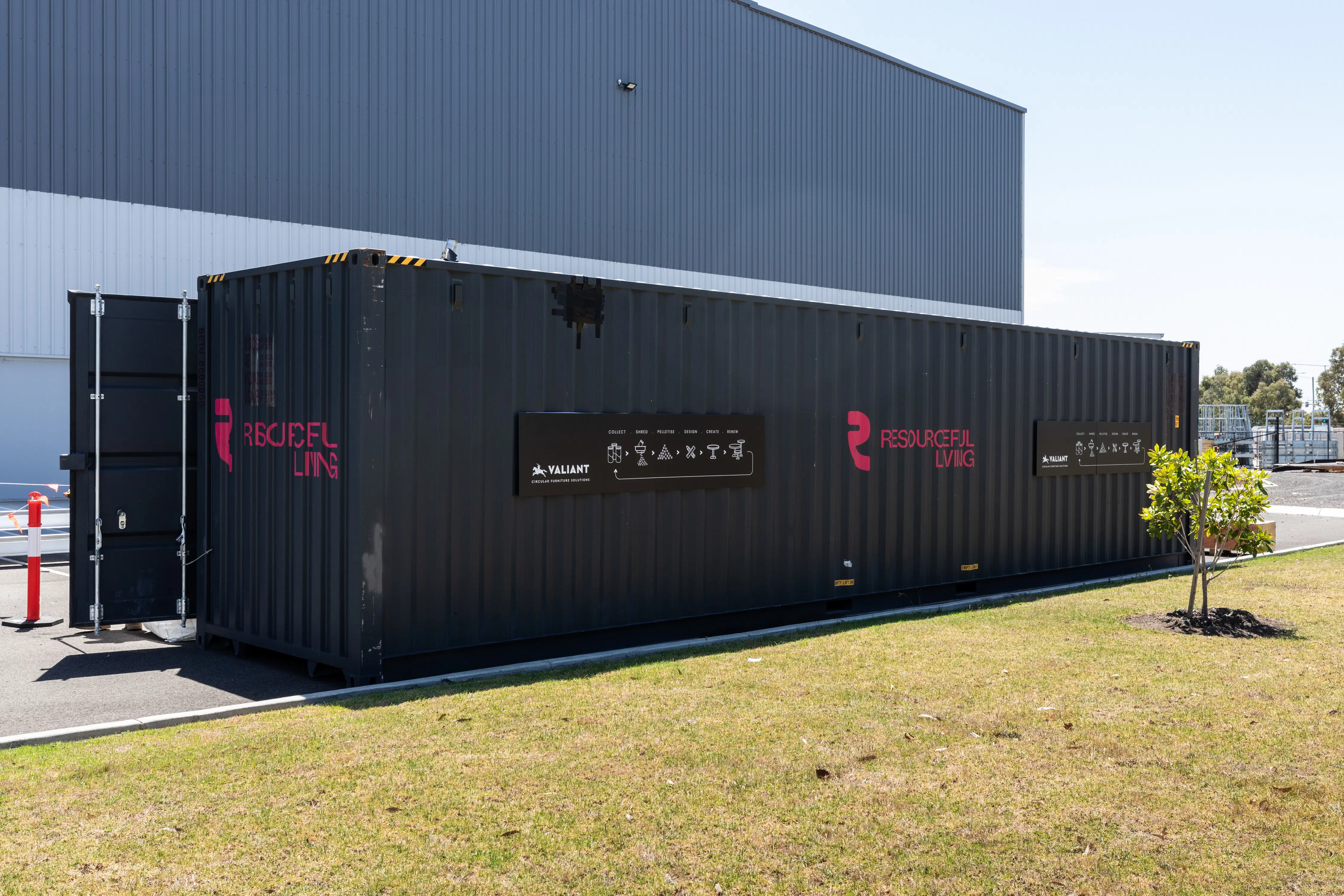
Resourceful Living offers a unique Buy-Back Scheme. When your project reaches its end-of-life: whether that’s a temporary retail fit-out or a 20-year infrastructure cycle: we take the panels back. We then regrind them and turn them into new products.
Why the Buy-Back Scheme wins tenders:
- Zero Waste to Landfill: It guarantees a 100% circular outcome for the materials used.
- Future-Proofing: It addresses the "End-of-Life" requirements found in high-level sustainability tenders.
- Cost Efficiency: It provides a clear path for decommissioning without the high costs of waste disposal.
This commitment to the full lifecycle is what sets "greenwashing" apart from genuine circular procurement. You can dive deeper into why circular procurement is changing the way we build infrastructure.
The True Cost: Why Recycled Plastic is the Smart Choice
Some builders worry that "sustainable" means "more expensive." However, when you factor in the lifespan, maintenance, and waste disposal costs, recycled plastic often comes out on top.
| Feature | Resourceful Living Panels | Traditional Timber/Ply |
|---|---|---|
| Maintenance | Zero (no painting/oiling) | High (regular upkeep) |
| Water Resistance | 100% Waterproof | Prone to rot/swelling |
| Recycled Content | 100% | 0% – 10% |
| End-of-Life | Fully Recyclable (Buy-Back) | Landfill or Incineration |
| Tender Advantage | Extremely High | Low to Neutral |
For a detailed breakdown, check out our analysis of recycled plastic vs timber vs steel.
Final Thoughts for Builders
The construction industry in Australia is moving fast. The builders who will thrive in the next decade are those who embrace recycled plastic construction materials today.
By following these five steps: from the initial Discovery Phase to the final End-of-Life Recycling: you aren't just meeting targets. You are positioning your business as a leader in the sustainable revolution.

Ready to boost your next tender submission?
Explore our range of 100% Australian recycled plastic sheets and see how we can help you hit your sustainability targets without compromising on quality or aesthetics.
Whether you need a bespoke pattern for a retail display or bulk sheets for a large-scale construction site, our team is ready to help you build a more resourceful future. Let’s get started.