
In the world of 2026 construction, "trust me" is no longer a valid sustainability strategy. Whether you're an architect, a developer, or a council procurement officer, the pressure to prove your green credentials has never been higher. You’ve likely heard the acronym EPD tossed around in boardroom meetings and site offices, but what does it actually mean for your bottom line?
If you've ever looked at the back of a cereal box to check the sugar content, you already understand the fundamental concept of an Environmental Product Declaration (EPD). It is, quite literally, a nutrition label for building materials.
At Resourceful Living, we believe transparency is the only way forward for sustainable construction materials in Australia. This guide will break down the complexities of EPDs, why they are essential for your ESG targets, and how they help you separate true innovation from clever marketing.
What Exactly is an EPD?
An Environmental Product Declaration (EPD) is a transparent, third-party verified document that tells the story of a product's environmental impact over its entire life cycle. It’s not a trophy or a gold star; it doesn't necessarily mean a product is "good" for the environment. Instead, it provides the raw data you need to make an informed decision.
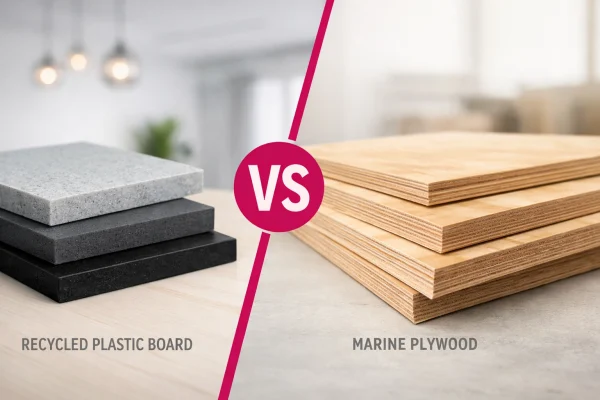
Think of it this way: a "sustainable" label is an opinion, but an EPD is a fact sheet. It follows strict international standards (like ISO 14025) to ensure that when you compare two different materials: say, a recycled plastic board and a traditional timber plank: you are comparing apples to apples.
The Lifecycle Approach
An EPD looks at several stages of a product's life:
- A1-A3 (Product Stage): Raw material extraction, transport to the factory, and manufacturing.
- A4-A5 (Construction Stage): Transport to the site and installation.
- B1-B7 (Use Stage): Maintenance, repair, and energy/water use during the product's life.
- C1-C4 (End of Life): Demolition, waste processing, and disposal or recycling.
By covering the "cradle-to-grave" (or ideally, cradle-to-cradle) impact, EPDs give you the full picture of embodied carbon before you even break ground.
Why EPDs are Essential for Modern Business
If you’re aiming for high-level certifications like Green Star or LEED v4, EPDs aren't optional: they are a requirement. But beyond just ticking a box for a rating tool, there are three massive reasons why EPDs are changing the way we build infrastructure in Australia.
1. Verifying Carbon Claims
Greenwashing is a massive legal and reputational risk in 2026. Without an EPD, a supplier's claim that their material is "low carbon" is just marketing fluff. EPDs provide the Global Warming Potential (GWP) metric, allowing you to accurately calculate the carbon footprint of your project. This is vital for meeting the 7 mistakes you’re making with sustainable construction materials and ensuring your project stays on track with national net-zero targets.
2. Streamlining Procurement
Strategic procurement is about more than just price. It’s about longevity and risk management. When you use EPDs to vet your supply chain, you are choosing partners who have invested in transparency and traceability. This is a core reason why many Australian councils are now moving away from short-lived materials and switching to 100% recycled plastic for public infrastructure.
3. Meeting Investor Demands
Institutional investors and ESG-focused funds are increasingly looking at the Scope 3 emissions of their portfolios. They want to see data-backed evidence that the buildings they fund are resilient and low-impact. An EPD is the gold standard of evidence they require.
What’s Inside an EPD? (The Data Breakdown)
When you open an EPD, you'll see a lot of technical tables. Here are the key indicators you should focus on:
- ✅ Global Warming Potential (GWP): This is your carbon footprint. It measures the greenhouse gas emissions associated with the product.
- ✅ Energy Resource Use: How much renewable vs. non-renewable energy was used to make the material?
- ✅ Water Use: The total volume of fresh water consumed during production.
- ✅ Waste Categories: How much hazardous and non-hazardous waste was generated in the factory?
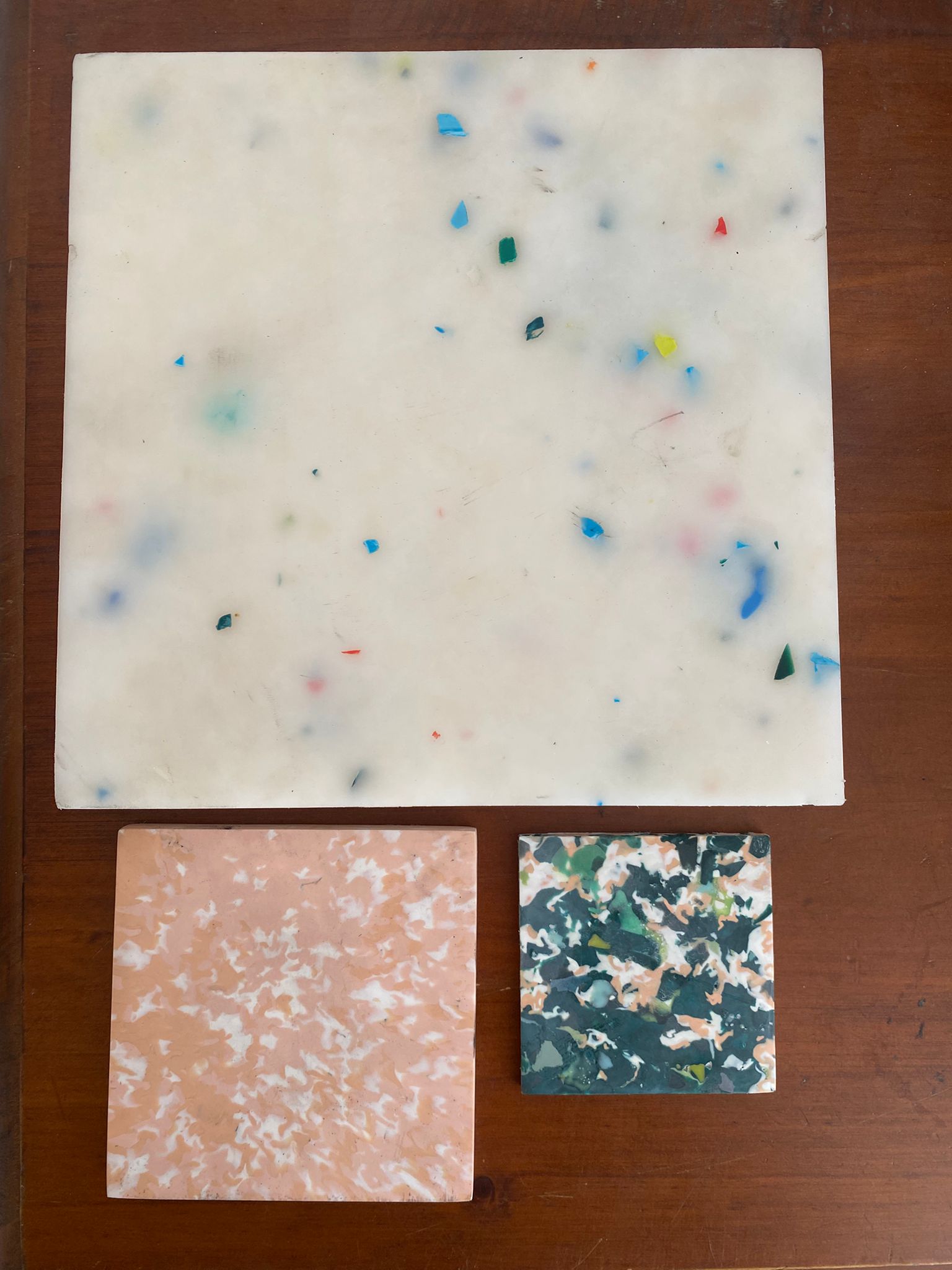
For a material like our recycled plastic board, these metrics often look significantly better than virgin plastic or treated timber because we are bypassing the high-impact "extraction" phase of the lifecycle.
Comparing Materials: Recycled Plastic vs. The Rest
One of the most powerful uses of an EPD is comparing different material types for the same application.
Let's look at a common scenario: outdoor decking or cladding. Traditional treated timber might have a lower initial carbon footprint during manufacturing, but when you look at the Use Stage (B1-B7) and End of Life (C1-C4), the story changes. Timber requires chemical treatments, regular staining, and often ends up in a landfill where it releases methane.
In contrast, a high-quality recycled plastic board is weather-resistant, requires zero chemical maintenance, and: crucially: can be recycled again at the end of its life. For a deeper dive into this comparison, check out our analysis of recycled plastic vs timber vs steel.
"An EPD doesn't hide the truth. It puts the environmental cost on the table so designers can choose the best tool for the job."
Resourceful Living: Transparency & Traceability
At Resourceful Living, we don't just talk about being "green." We focus on traceability. We believe that if you can't trace where the waste came from, you can't truly claim it's circular.
Our onsite mobile recycling unit allows us to process Australian plastic waste directly, creating a closed-loop system that significantly reduces the transportation emissions typically found in traditional manufacturing. This commitment to a local supply chain is exactly what an EPD captures.
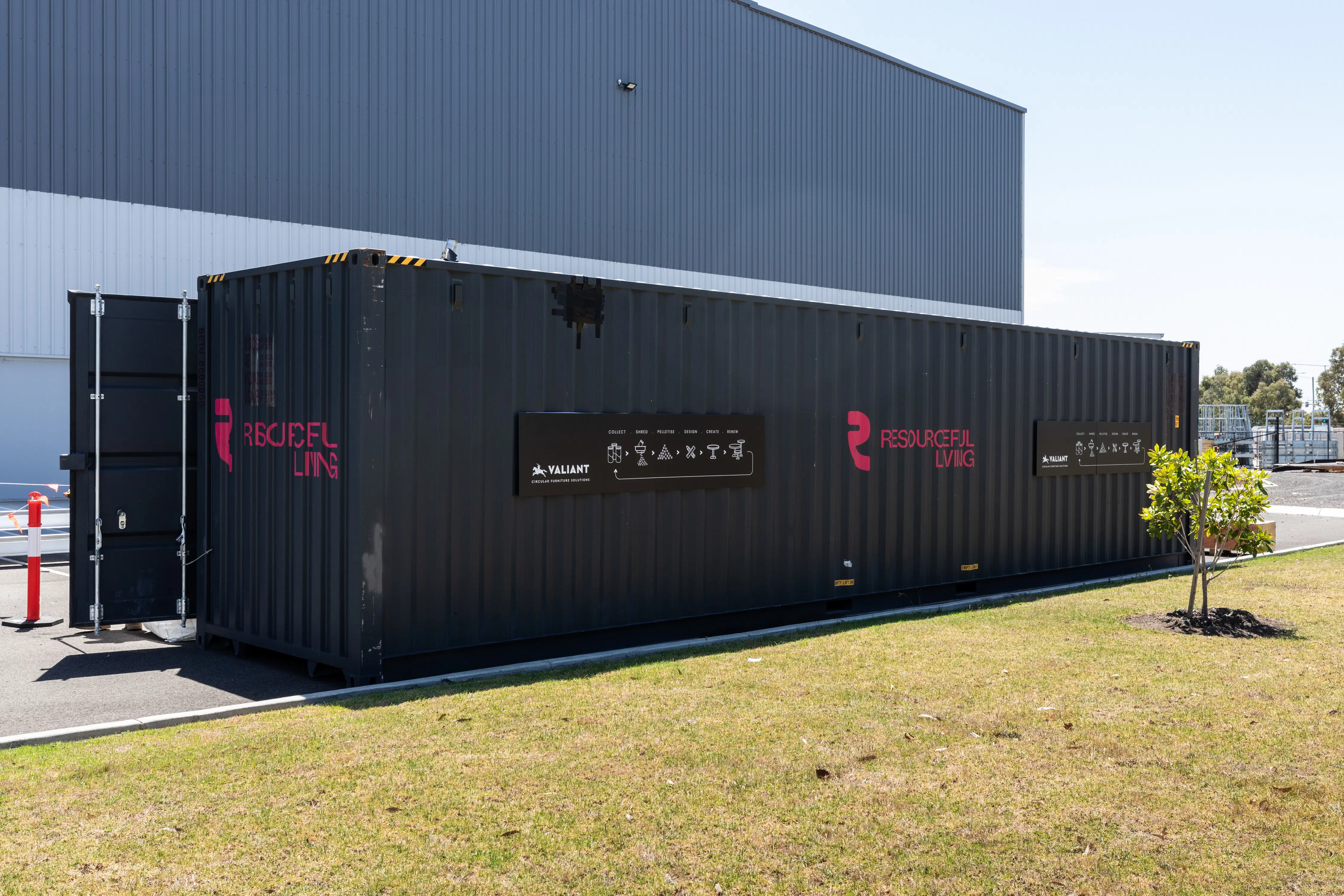
When you choose our materials, you aren't just getting a durable surface; you're getting a product that supports closed-loop manufacturing in Australia. Our sheets and boards are designed to be part of a closed-loop ESG partner program, ensuring that the materials you build with today never become the waste of tomorrow.
How to Read an EPD (A 3-Step Checklist)
Don't let the technical jargon intimidate you. Use this quick checklist when reviewing a supplier's EPD:
- Check the Validity: EPDs usually expire after 5 years. Is the document current?
- Verify the System Boundary: Does it cover the full lifecycle ("Cradle-to-Grave") or just the factory gate ("Cradle-to-Gate")? For infrastructure, you want the full picture.
- Look for Verification: Ensure the EPD is registered with a reputable programme operator like EPD Australasia.
The Future of Sustainable Construction Materials in Australia
As we move deeper into 2026, the demand for verified data will only grow. The transition to a circular economy requires us to stop guessing and start measuring.
By mastering the basics of EPDs, you position your projects as leaders in the industry. You transition from being a passive buyer to a strategic procurer who understands the ROI of recycled plastic sheets and boards.

Take the Next Step
Ready to integrate truly sustainable, traceable materials into your next project?
- Audit Your Materials: Look at your current specifications. How many of them have verified EPDs?
- Request the Data: Ask your suppliers for their GWP metrics and end-of-life programs.
- Explore Circular Solutions: See how our 100% recycled panels are being used in modular construction and retail displays.
EPDs might seem like a lot of paperwork initially, but they are the key to building a more resilient, transparent, and resourceful Australia. Let’s stop falling for the recycling lie and start building with data we can trust.
For more technical insights and design principles, download The Designer’s Cheat Sheet to see how EPDs fit into the broader picture of circular design.